


Oval Gilt Frame Artwork
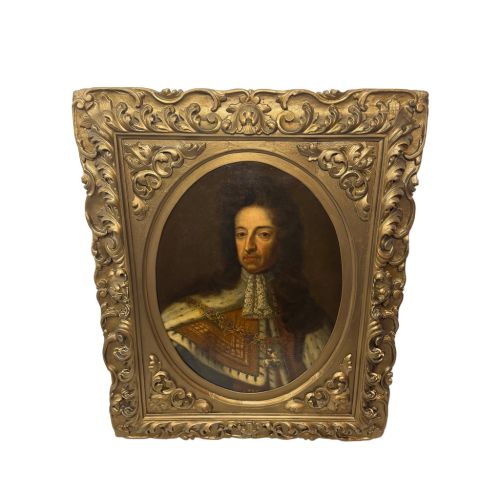
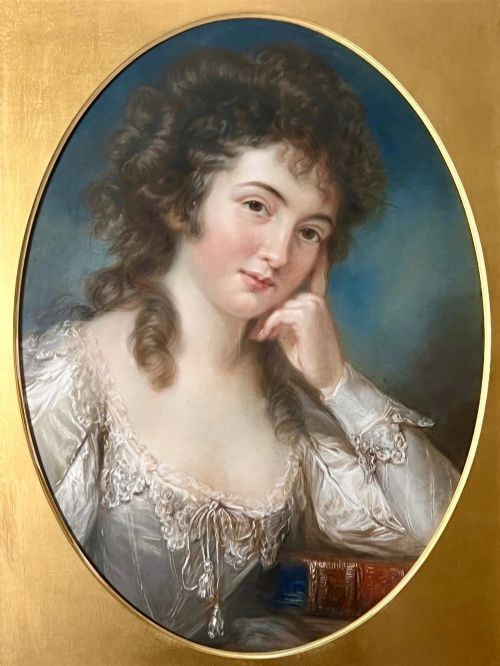
An oval gilt frame artwork brings character to a room through curved borders and historic portraiture.
Oval Gilt Frame Artwork
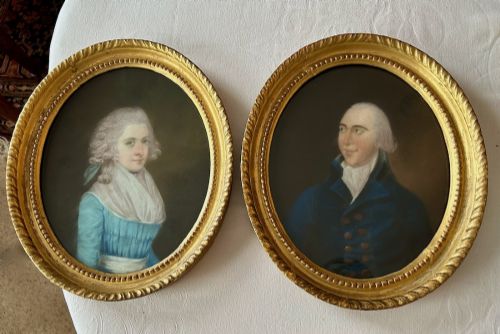
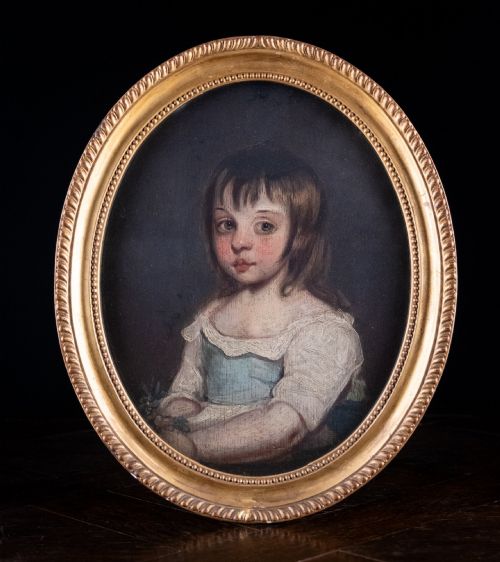
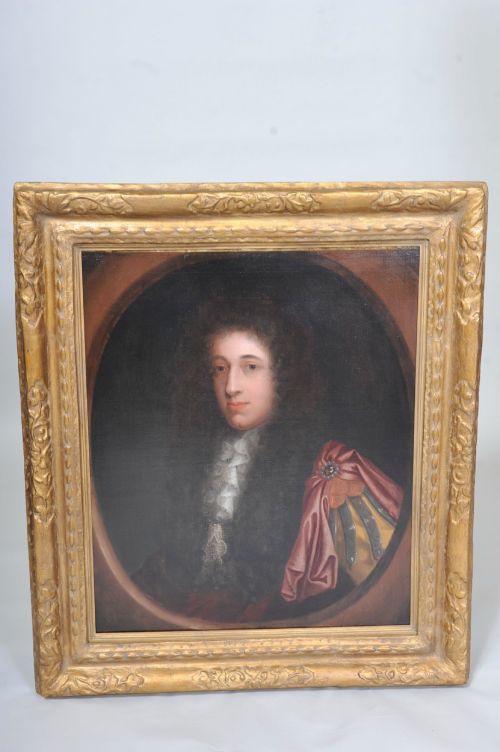
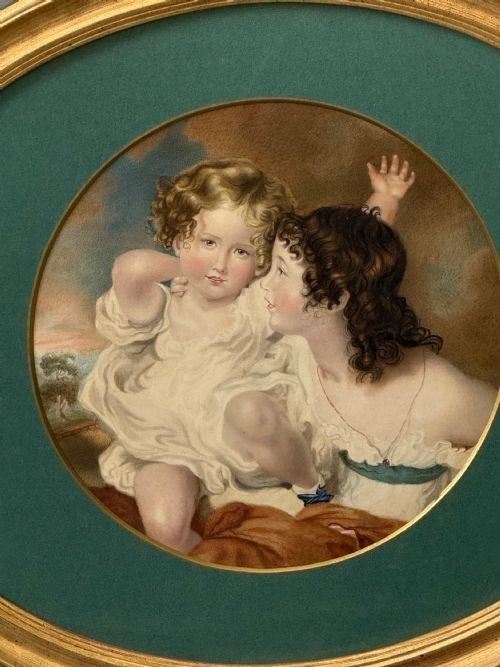
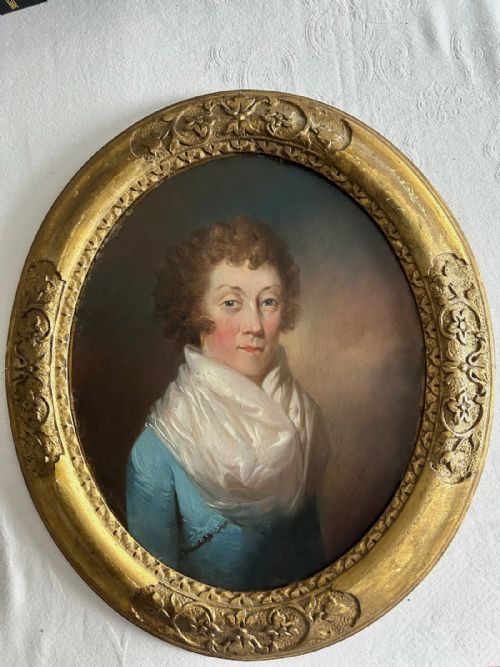
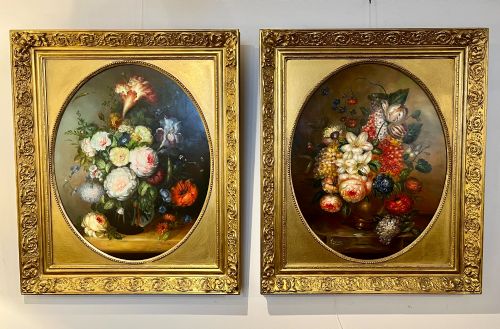
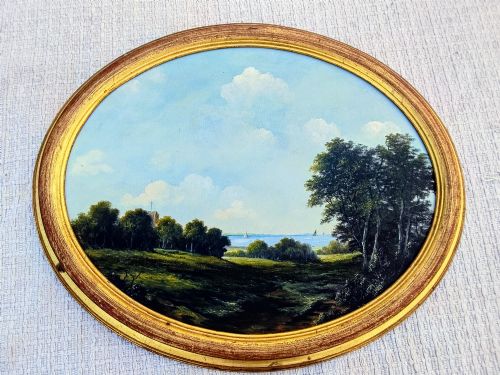
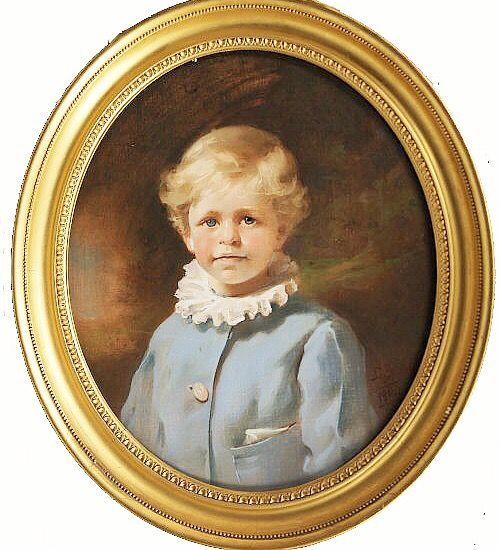
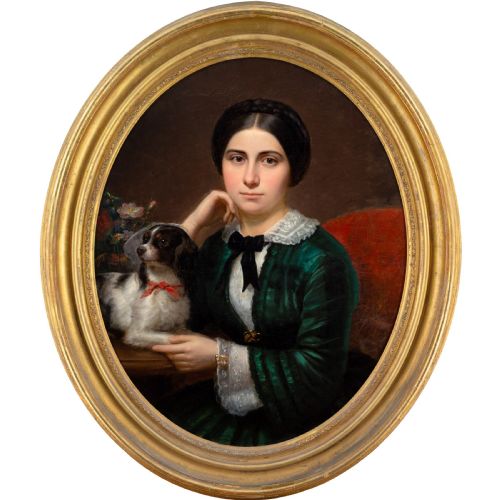
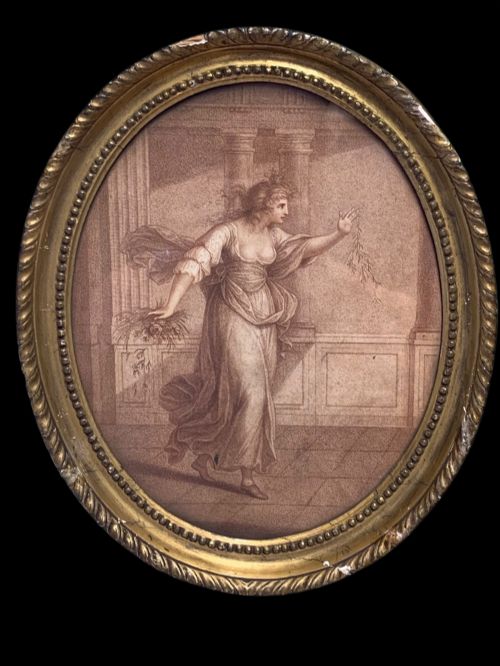
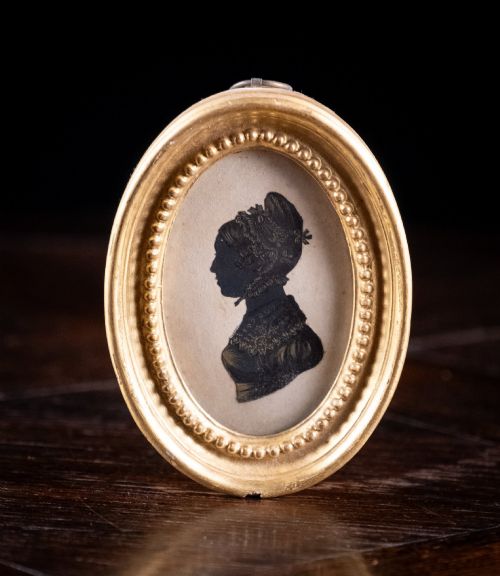
Oval gilt frame artwork encompasses framed portraits, still lifes, and seascapes shaped in traditional curved boundaries. These pieces frequently house historical subjects, ranging from 17th-century gentlemen to Regency silhouettes and Victorian watercolours.
The materials span oil on canvas, pastel, cut paper, and print reproductions secured behind glass. Many examples originate from British, French, and Dutch schools across the Georgian and Edwardian eras.
Buyers most commonly encounter 19th-century oil paintings and portrait prints housed within gilded wood surrounds. These works display distinct regional characteristics, including Anglo-Indian commissions and continental European subjects.
Materials and construction
Makers constructed the surrounding mouldings from wood before applying gold leaf or giltwood finishes to the curved surfaces. Canvases, papers, and wooden boards were stretched or mounted to fit the specific oval aperture.
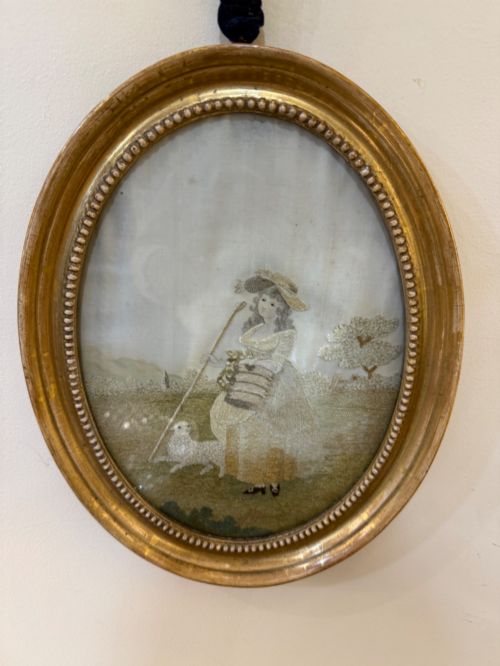
Artisans applied media such as oil paint, pastel, watercolour, and stipple engraving by hand onto canvas, card, or paper. Glazing with glass protected delicate works like silk needlework, silhouettes, and woolwork pictures.
Listings feature periods spanning the 17th century to the 1920s, utilising oil on canvas, paper, and giltwood materials.
Quality and execution
The refinement of the artist's brushwork and the precision of the portraiture dictate the standing of a piece within its period. Masterful handling of facial expression and drapery separates accomplished academic works from standard decorative output.
The depth and application of the gilding on the wooden frame influence the overall visual impact. Original gold leaf surfaces retain a warmth and texture that distinguish them from later restorations.
Dumini Leopoldo·Sir Thomas Lawrence·Leon Sprinck·John Russell R.A.·Pieter Borseler·Joseph Vivienne·Jeremiah Davison·Louis Icart·Arthur William Devis·J Bizo·Van Dyck
The Oval Gilt Frame Artwork Glossary
- Giltwood
- Wood carved and coated with gold leaf or a gold-coloured finish. This material provides the brilliant metallic border typical of these decorative frames.
- Stipple engraving
- A printmaking technique using dots to render tonal gradations and figures. This method creates soft transitions suitable for detailed portraiture.
- Verre églomisé
- A process of applying cold painting and metal leaf to glass. It often forms a decorative inner border on antique frames.
- Pastel
- A dry medium composed of powdered pigment and a binder. Artists applied these coloured chalks to paper or canvas to achieve soft textures.
- Silhouette
- A portrait rendered as a solid shape, usually in profile and cut from paper. These monochrome likenesses gained popularity during the Georgian and Regency periods.
Oval Gilt Frame Artwork: Frequently Asked Questions
What periods do these pieces represent?
The selection spans from the late 16th century through the Georgian, Regency, and Victorian eras into the early 20th century. Works reflect distinct historic styles including Italian Renaissance, Baroque, and Dutch Golden Age traditions.
Each period brings specific artistic techniques, from early oil portraits on canvas to later woolwork pictures and framed print reproductions.
How were these curved frames constructed?
Artisans carved wooden mouldings into continuous oval shapes to house specialised artwork. They then applied gold leaf or gilt finishes to the wooden surface.
Protective glass frequently covers delicate paper, pastel, and textile pieces to preserve the interior composition.
What subjects appear in these artworks?
Portraiture dominates the selection, featuring nobles, gentlemen, children, and historical figures such as King William III and King Charles I. Other notable subjects include botanical still lifes, coastal seascapes, and narrative scenes.
Artists ranged from formal European school painters to regional portraitists working in Britain and abroad.
How do I display an oval frame?
These pieces function well as focal points on living room or hallway walls, often hung individually or paired with matching portraits. Their curved outlines provide a visual contrast to rectangular furniture and architectural lines.
Placement should avoid direct sunlight to protect sensitive media like watercolours, pastels, and silks.