

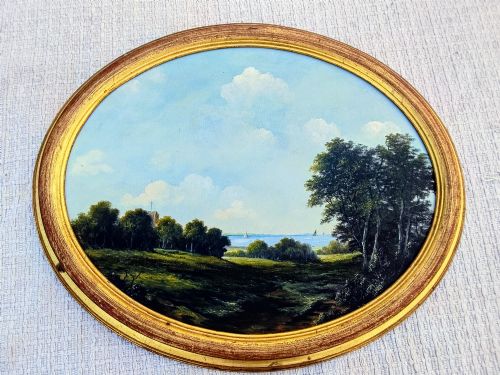
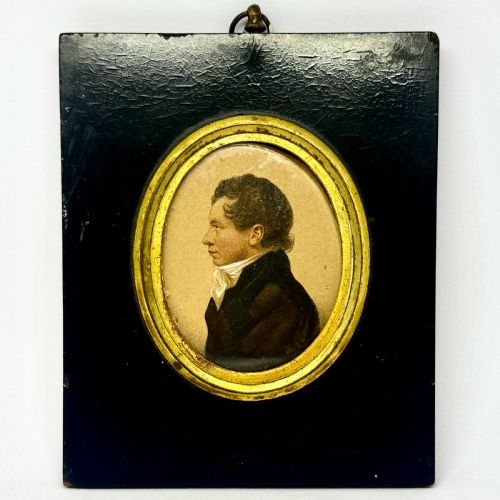
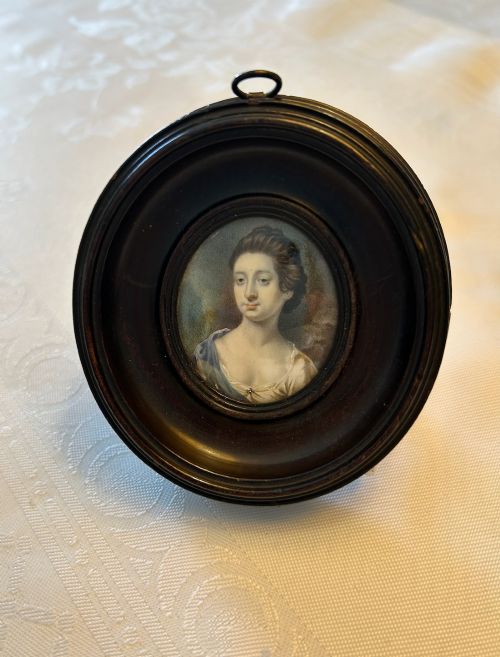
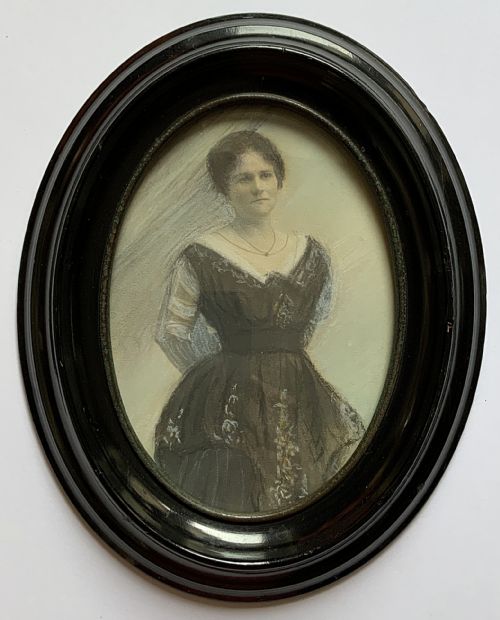


Small Oval Framed Art
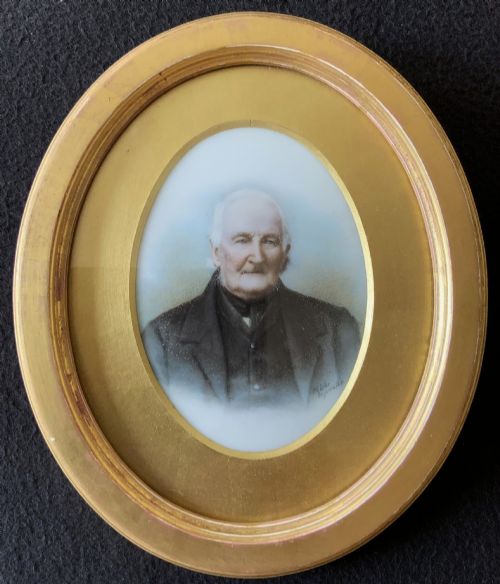
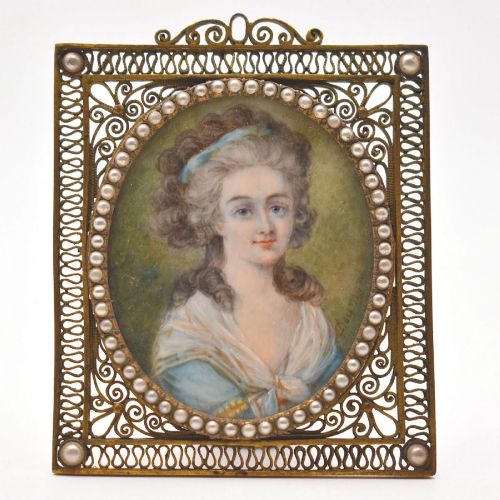
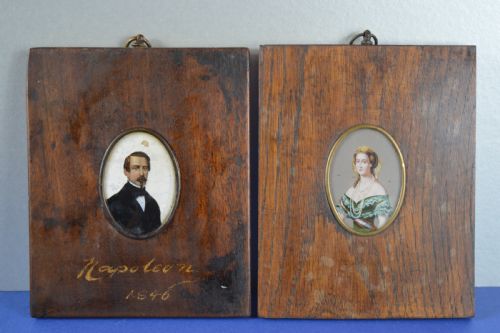
Small oval framed art delivers intimate portraiture and quiet landscapes encased within distinctive curved borders across several historic centuries.
Small Oval Framed Art
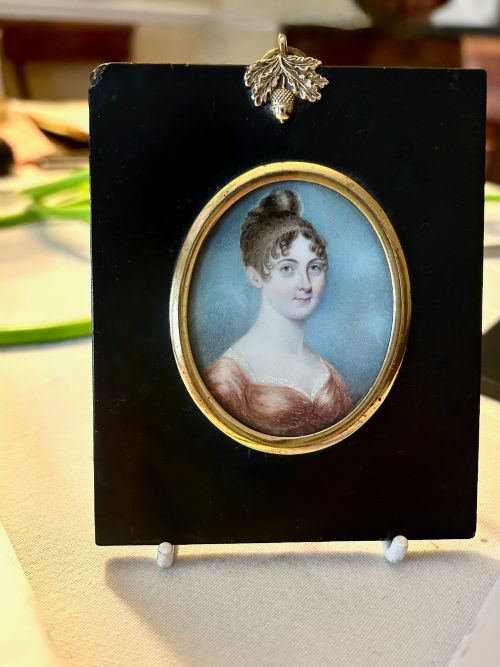
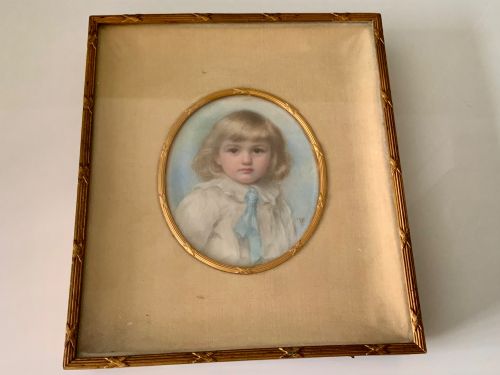
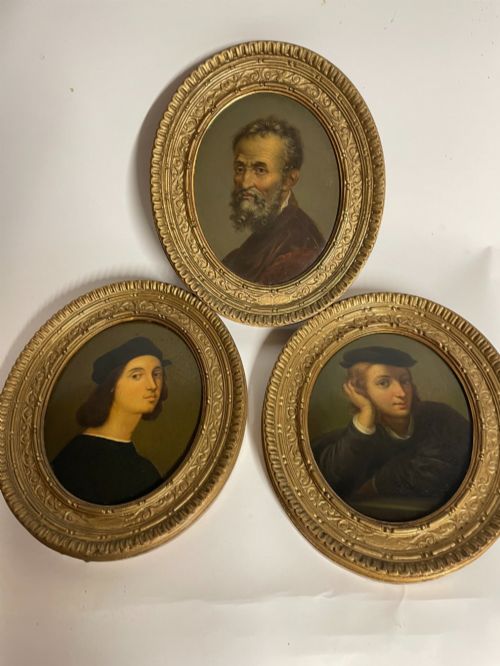
Small oval framed art primarily comprises portrait miniatures and miniature paintings rendered in delicate mediums. These pieces span the eighteenth century, the Regency and Georgian eras, through to the Victorian and Edwardian periods.
Buyers encounter subjects ranging from unknown sitters to notable figures like Sir Walter Scott and Prince Albert. The formats vary from single studies to pairs and companion pieces.
Objects include framed wall art alongside items designed for stands. The unifying element across these works is the compact scale and the characteristic curved frame.
Materials and construction
Artists worked on paper, ivory, canvas, and glass using watercolour, pastel, oil, and ink. These fragile mediums required steady hands and fine brushes to capture intricate details on a small scale.
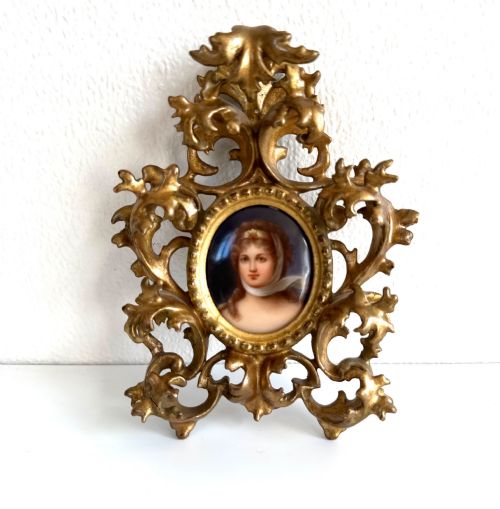
Frames utilise brass, gilt metal, ebonised wood, and standard wood, often featuring glass to protect the delicate surface beneath. Some incorporate seed pearls or specialised stands for display.
Small Oval Framed Art Retail Price Guide 2026
Typical asking prices for small oval framed art among the pieces listed under this phrase on Sellingantiques today, from the lower quarter to the upper quarter. They describe what is for sale here now, not the wider market.
Listings feature watercolours, oils, and pastels on glass, paper, and ivory, spanning the eighteenth century to the mid twentieth century.
Factors of quality
The integrity and originality of the frame matter greatly, as period brass, ebonised wood, or gilt settings complete the piece. Signatures from listed artists or identifiable schools elevate the standing of the work.
George Hargreaves·Isaac Wane Slater
The Small Oval Framed Art Glossary
- Portrait miniature
- A small-scale painting depicting a person, executed with meticulous detail on materials such as ivory, vellum, or paper.
- Ebonised wood
- Timber treated to resemble dense, black ebony wood, frequently utilised for nineteenth-century and Georgian frames.
- Gilt metal
- A base metal treated with a thin layer of gold or gold-coloured wash, commonly found on decorative miniature frames.
- Regency period
- The British historical era spanning from 1811 to 1820, characterised by distinct neoclassical aesthetics in art and framing.
Small Oval Framed Art: Frequently Asked Questions
What are portrait miniatures?
Portrait miniatures are small paintings created during the eighteenth and nineteenth centuries to capture the likeness of family members, loved ones, or public figures.
Artists used fine watercolours or oils on surfaces like ivory or paper, housing the resulting works in compact frames for personal keepsake or travel.
How should I display small oval art?
These pieces suit tight wall spaces where their intimate scale can be appreciated up close, either hung in small symmetrical groups or placed individually on shelves.
Items equipped with gilt metal stands can rest directly on desks, mantelpieces, or tables without requiring wall fixings.
Are these frames original to the art?
Many pieces retain their period ebonised wood, brass, or gilt metal frames, which were specifically manufactured to house the curved edges of the artwork.
Matching the frame style and material to the date of the painting helps determine if the pairing is contemporary to the creation of the art.
How do I identify Regency pieces?
Regency works date from the early nineteenth century and typically display neoclassical clothing, hairstyles, and framing conventions typical of that era.
Portrait subjects from this time often feature distinct attire like high-waisted dresses for women and tailored cravats for men.