

Antique Oval Miniature Art
These pieces of antique oval miniature art capture intimate likenesses in small formats that suit collectors of historical portraiture.
Antique Oval Miniature Art
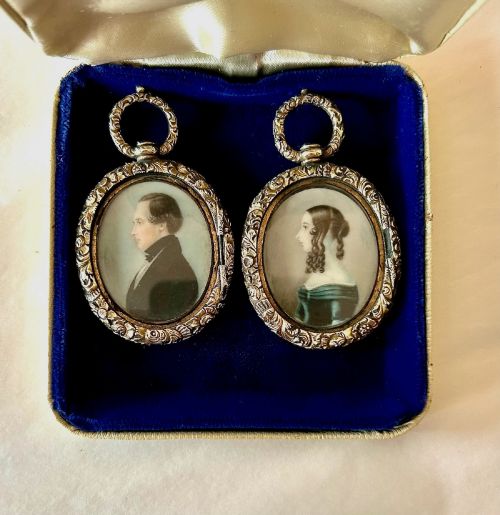
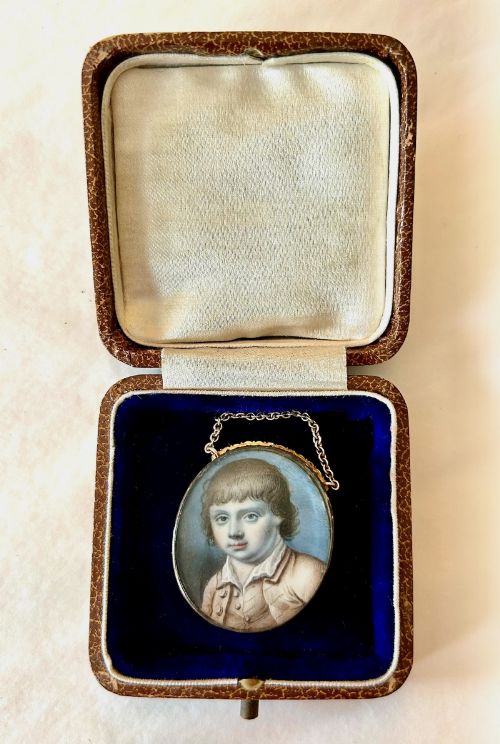
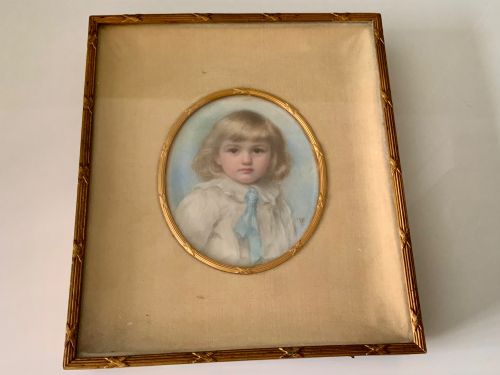
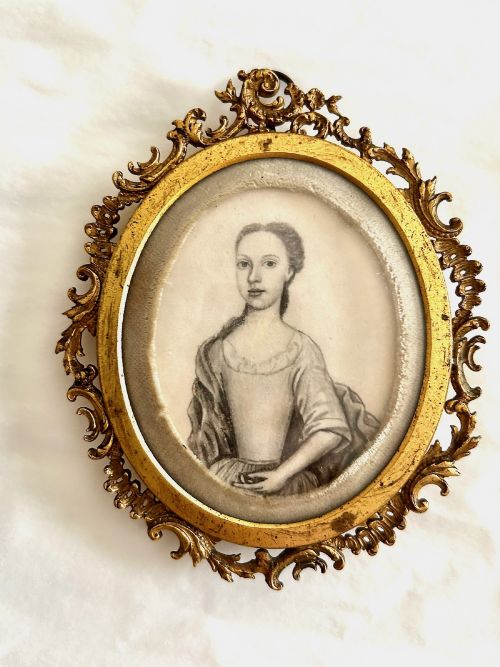
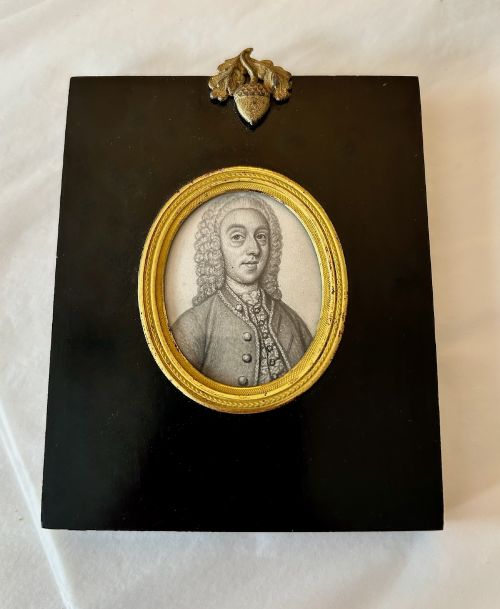
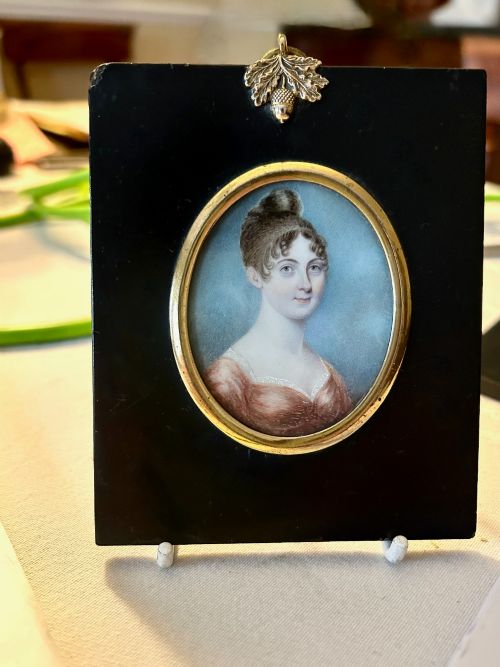
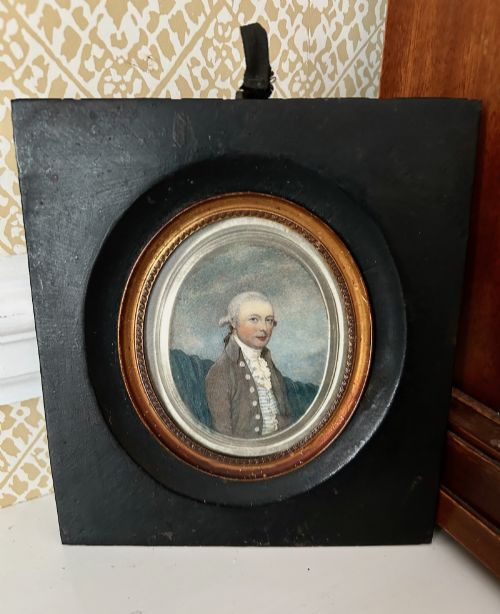
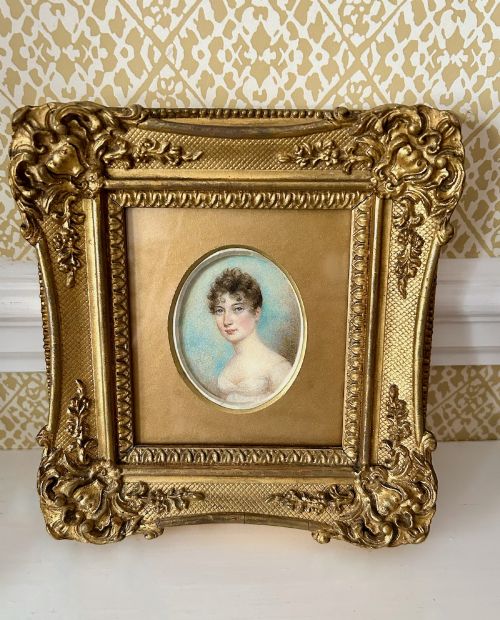
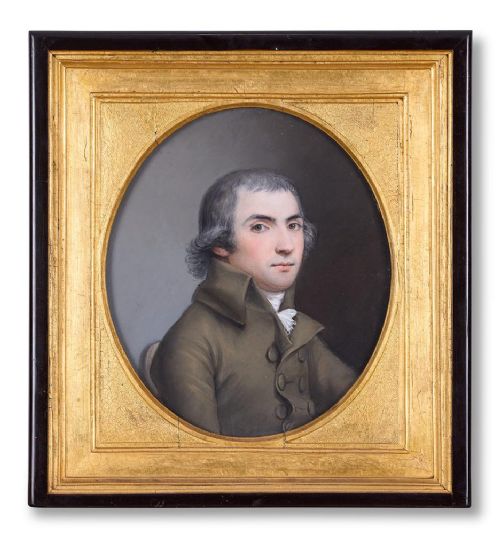
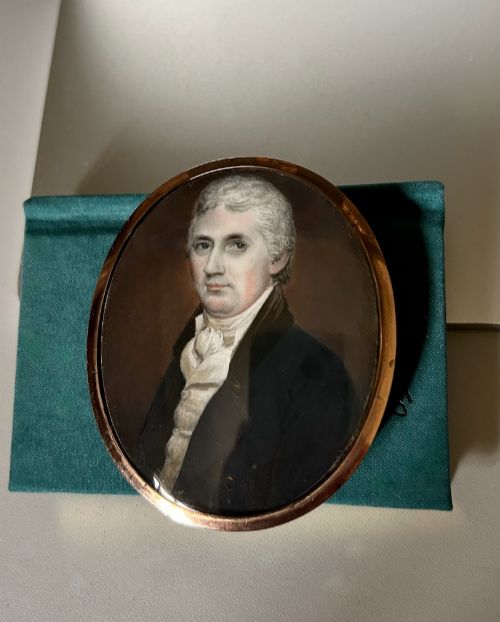
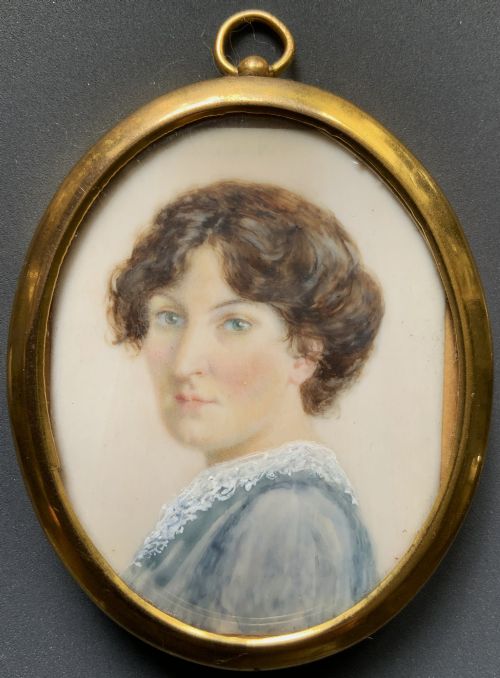
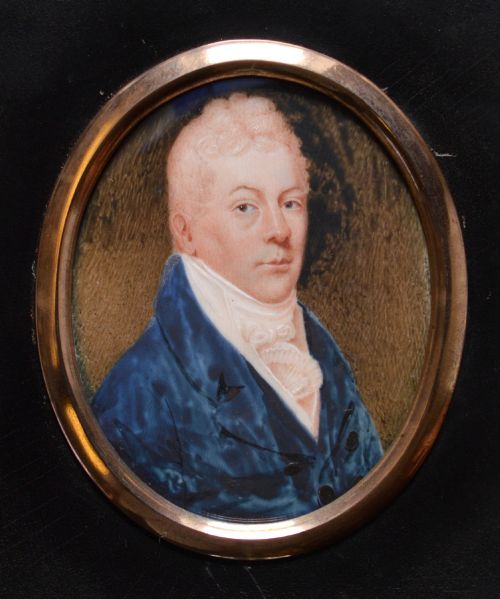
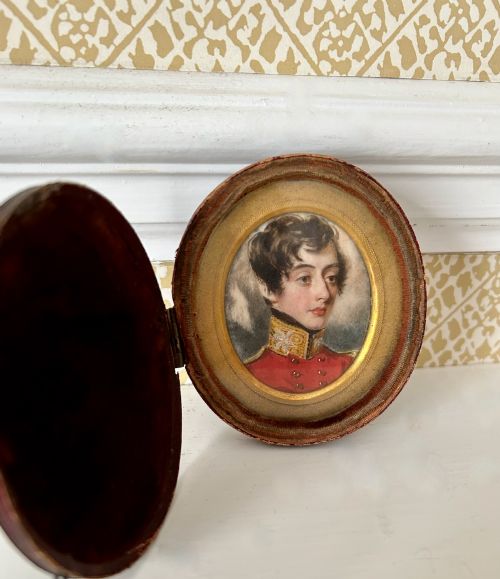
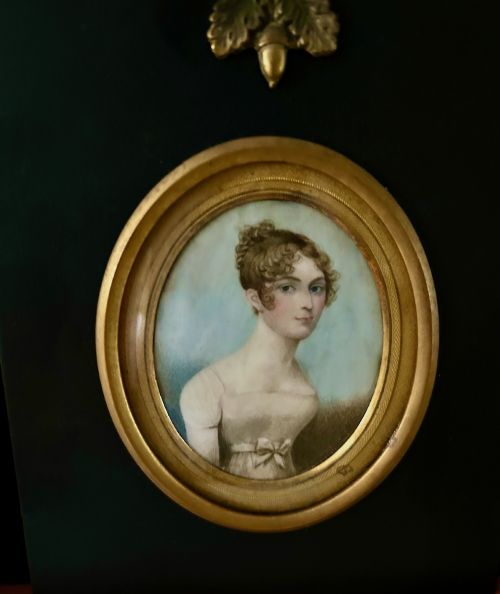
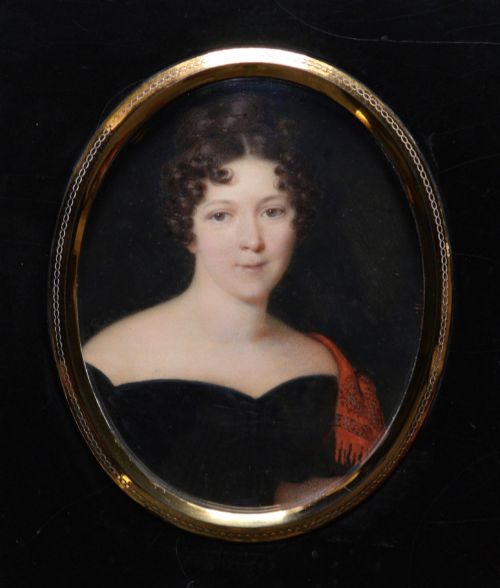
When you search for antique oval miniature art, you encounter small-scale paintings and portraits created across the eighteenth and nineteenth centuries. These objects primarily take the form of individual portraits depicting gentlemen, ladies and children from Georgian, Regency, Victorian and Edwardian periods.
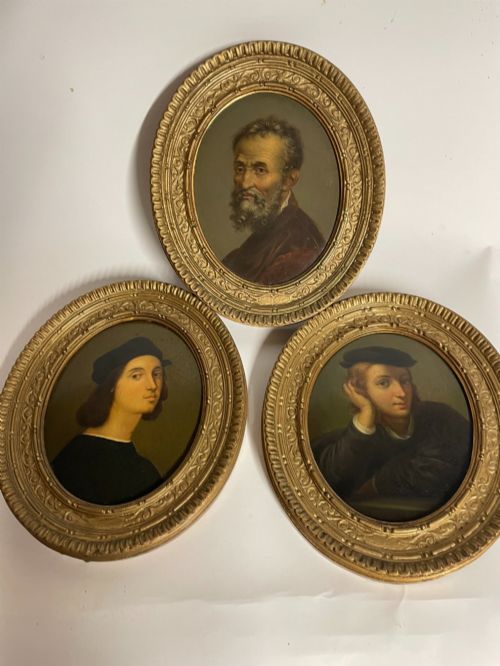
The pieces on this page span British, French, Italian and Anglo-Indian origins, demonstrating how artists captured subjects within compact oval borders. You will find works framed in gilt metal, ebonised wood and brass, alongside items set into brooches or wall plaques.
Portrait miniatures dominate the selection, executed by named hands and anonymous schools alike. They reflect changing fashions in dress and hairstyle from the seventeen-hundreds through to the early twentieth century.
How they were made
Artists painted these works using watercolour on paper or ivory surfaces, occasionally employing enamel or plumbago techniques. The delicate brushwork required steady hands and magnifying lenses to achieve fine facial details within a few inches of space.
Antique Oval Miniature Art Retail Price Guide 2026
Typical asking prices for oval miniature art among the pieces listed under this phrase on Sellingantiques today, from the lower quarter to the upper quarter. They describe what is for sale here now, not the wider market.
Some sitters peer sideways for eternity, eternally side-eyeing the artist who took three weeks to paint their cuffs.
What varies in quality
The execution of the backing frame also distinguishes better pieces, where cast brass or gilt metal mountings complement the painting without obscuring its edges. Condition plays a role, with clean, unblemished surfaces commanding greater appreciation.
James Ferguson·Anna Tonelli·Frederick Buck·James Sharples·John C D Engleheart·John Taylor·Charles Hayter
The Antique Oval Miniature Art Glossary
- Plumbago
- A graphite drawing technique used for detailed monochrome portraits before the widespread adoption of photography. Artists achieved remarkable shading and texture using pencil leads on prepared paper or vellum.
- Miniature painting
- A small-scale artwork designed for intimate viewing or portable display. These works required specialised pigments and microscopic brushstrokes.
- Ebonised wood
- Timber treated to imitate costly ebony through staining or painting. It provided a dark, contrasting border that accentuated the bright tones of the portrait within.
- Gilt metal
- Base metal treated with a thin layer of gold or gold-coloured wash. It offered the appearance of solid gold for framing small artworks economically.
- Enamel plaque
- A smooth surface created by fusing powdered glass to metal under high heat. Artists painted detailed portraits directly onto this vitreous ground.
Antique Oval Miniature Art: Frequently Asked Questions
How were antique oval miniature art pieces displayed?
Owners kept these small portraits in travelling cases, wore them as jewellery such as brooches, or hung them in groups on parlour walls. Their compact size allowed people to carry likenesses of family members close to them during journeys.
Over time, collectors arranged framed examples together in tight groupings to create gallery walls of miniature works. Many retain suspension loops or fitted backing stands intended for domestic display.
What materials did artists use for portrait miniatures?
Painters applied watercolours to thin sheets of ivory, paper or prepared card, capturing fine details with microscopic brushes. Some makers utilised enamel surfaces fused to metal backings to ensure the colours remained vibrant.
Enclosing glass protected the delicate pigment layers from moisture and atmospheric dust. Frames were fashioned from brass, gilt metal and ebonised wood to complement the small artworks.
How can I tell the period of a miniature?
Clothing styles, hairstyles and framing methods offer the clearest indicators of date for these portraits. High powdered wigs and lace cravats point towards the eighteenth century, while distinct Regency coats or Victorian dress cuts help narrow down subsequent decades.
Construction details of the surrounding frame and backing materials also assist in dating the piece. Signatures and inscriptions on the reverse often provide corroborating clues about the artist and sitter.
Are these miniatures painted by named artists?
Many surviving pieces bear signatures, initials or documented attributions to professional miniaturists who worked during the Georgian and Victorian eras. These practitioners often specialised exclusively in small-scale portraiture for wealthy patrons.
Other works originate from regional schools or unidentified hands who produced competent likenesses without recording their names. Both signed and unsigned examples provide valuable records of historical dress and appearance.