





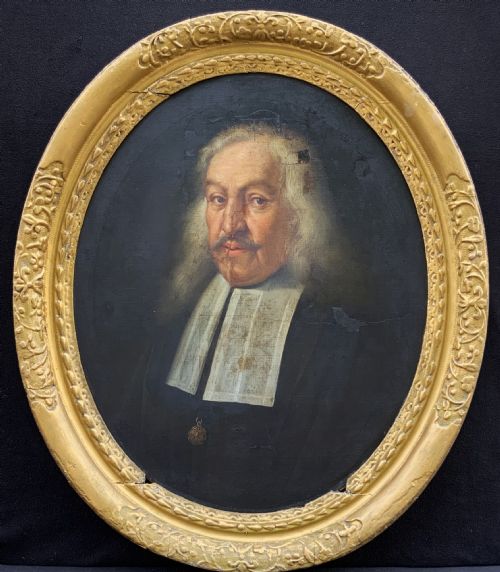

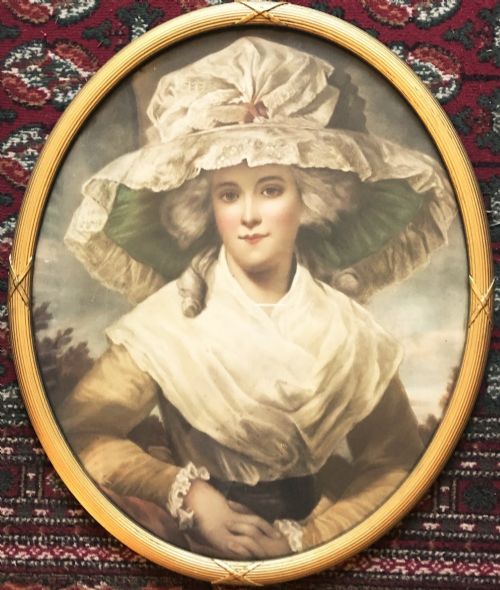
Gilded Oval Frame Painting
A gilded oval frame painting brings historical depth and portraiture to a wall through centuries of craftsmanship.
Gilded Oval Frame Painting
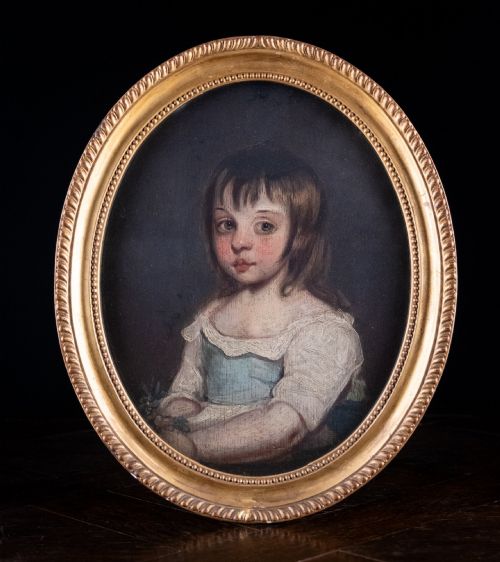
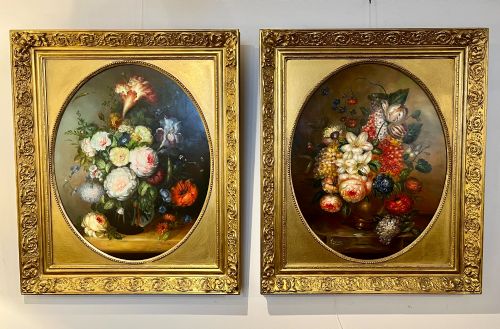
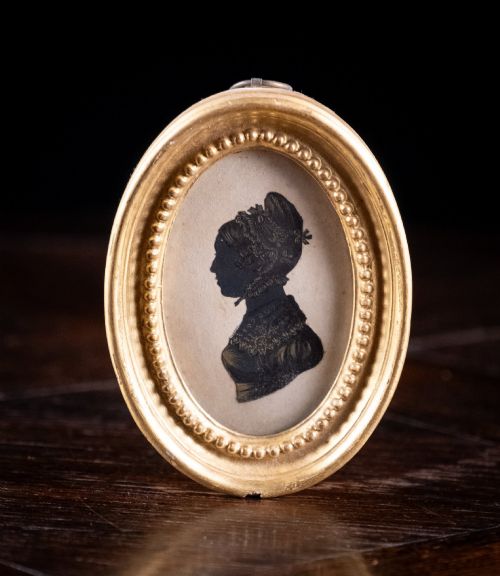
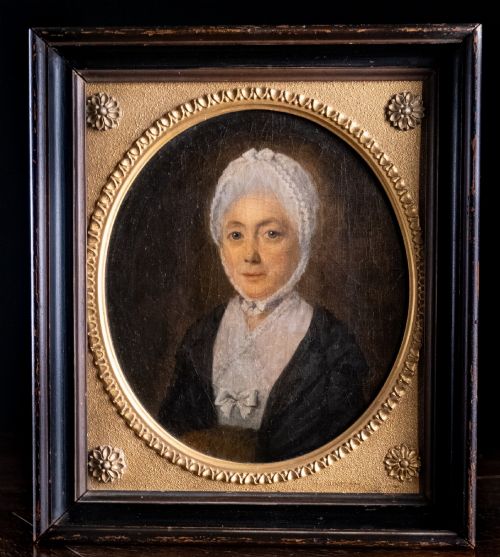
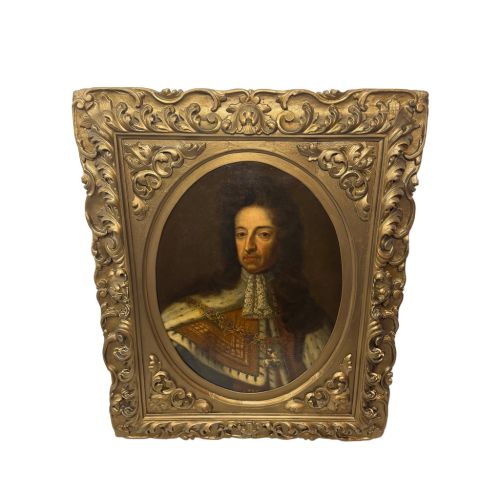
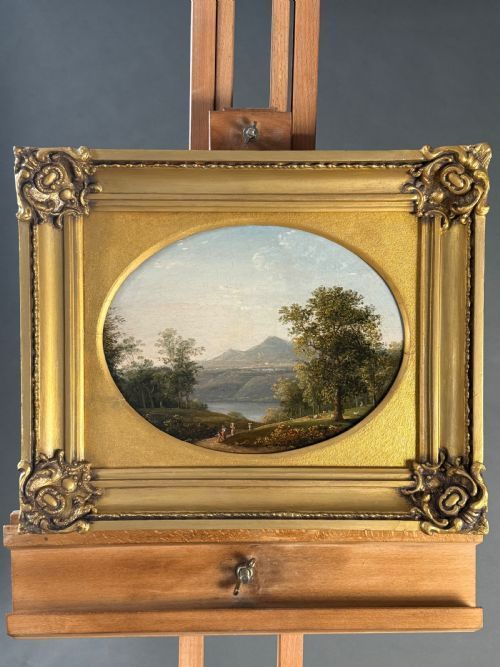
A gilded oval frame painting combines historic portraiture, landscapes, and decorative art within curved wooden borders finished in gold leaf, giltwood, or gesso. When searching for a gilded oval frame painting, buyers encounter works ranging from seventeenth-century oil portraits to nineteenth-century watercolours, pastels, and miniature paintings.
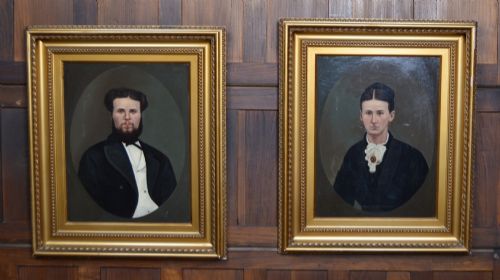
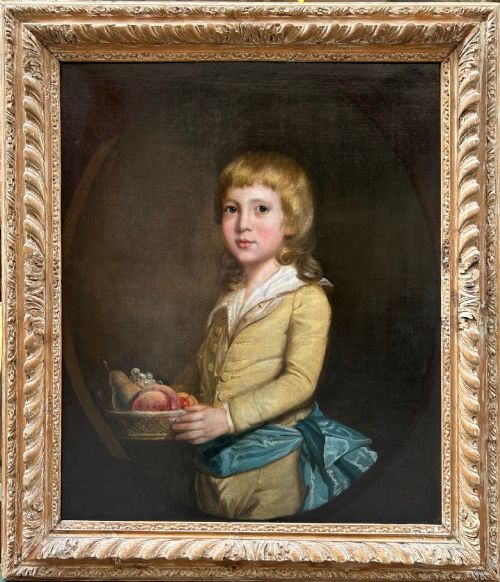
The format frequently takes the form of portraits depicting gentlemen, ladies, and children, alongside landscapes and still life compositions. Pieces originating from Georgian, Regency, Victorian, and Edwardian periods dominate the selection, often reflecting British, French, Flemish, and Dutch artistic traditions.
How they were made
The creation of these works relies on traditional painterly media applied to various supports, including oil on canvas, oil on board, paper, glass, and panel. Artists utilised pigments in oil, watercolour, and pastel to build layered compositions, sometimes pairing hand-painted details with fine glass glazing.
The enclosing surrounds require skilled carpentry and gilding techniques, utilising carved wood, gesso, and gold leaf. Craftsmen shaped curved frames to match the precise geometry of the paintings, applying metallic leaf over prepared grounds to achieve a reflective, enduring finish.
Sir Walter Scott once found himself miniaturised behind glass in a Hogarth frame, keeping watch over modern living rooms.
What varies in quality
The standard of a piece depends heavily on the execution of the brushwork and the anatomical proportion within the painted surface. Superior examples demonstrate confident handling of light, shadow, and expression by the artist, whereas lesser works display stiffness or simplified detailing.
Frame construction also dictates the overall standard of the object, distinguishing hand-carved, gilded wooden surrounds from later or mass-produced alternatives. The cohesion between the artwork and its original or period-correct mount influences the integrity of the piece.
Sir Godfrey Kneller·Michael Dahl·Thomas Murray·John Scougall·Jacob Philipp Hackert·Thomas Beach·Pieter Borseler·Jeremiah Davison·Thomas Gainsborough·Allan Ramsay·Arthur Percy Dixon·Arthur William Devis·Susie Lassam·George Atkinson·George Hargreaves·Walter Meegan·Fernand Toussaint
The Gilded Oval Frame Painting Glossary
- Giltwood
- Wood that has been coated with gold leaf or a gold-coloured finish. This material forms the primary structure of many decorative antique frames.
- Gesso
- A plaster-like mixture applied to wooden frames as a smooth base for gilding. Craftsmen carved intricate surface details directly into this hardened layer.
- Portrait Miniature
- A small, highly detailed portrait painting executed on media such as vellum, card, or glass. These portable works frequently date from the eighteenth and nineteenth centuries.
- Reverse Painted Mirror
- A technique where the artist paints directly onto the reverse side of a glass plate. This method creates a glossy, reflective surface finish typical of antique decorative panels.
- Chinoiserie
- A European artistic style reflecting Chinese aesthetic motifs. The design appears frequently on lacquered wall mirrors and associated furnishings.
Gilded Oval Frame Painting: Frequently Asked Questions
How should I hang an oval painting?
Hanging an oval painting requires a secure wall fixing matched to the weight of the timber and gesso surround. Because the curved frame shape draws the eye, placing the piece at central eye level enhances its visual balance within a room.
Avoid locations exposed to direct sunlight or fluctuating humidity to protect both the canvas and the delicate gold leaf finish. Using a sturdy picture wire attached to heavy-duty D-rings ensures the frame hangs safely and evenly.
What periods do these frames represent?
The frames and paintings span multiple historical eras, including the seventeenth, eighteenth, and nineteenth centuries. Pieces from the Georgian, Regency, Victorian, and Edwardian periods showcase shifting aesthetic preferences in both portraiture and decorative carving.
Earlier seventeenth-century examples often feature deep, dark mouldings, while Regency and Victorian pieces lean toward refined gilded silhouettes and smaller miniature formats.
How do I care for antique gilt frames?
Gilt frames require gentle maintenance using a soft, dry brush to remove dust from carved crevices. Water and chemical cleaning agents must be avoided, as moisture lifts gold leaf and damages the underlying gesso.
Stable indoor temperatures help prevent the wood from warping and protect the painted canvas housed within the frame. Professional conservation is recommended for any structural repairs or restoration of the gilded surface.