





Georgian Aristocrat Portrait
These georgian aristocrat portrait pieces capture noble lineage and status through oil on canvas and print, offering an immediate connection to historic dynasties.
Georgian Aristocrat Portrait
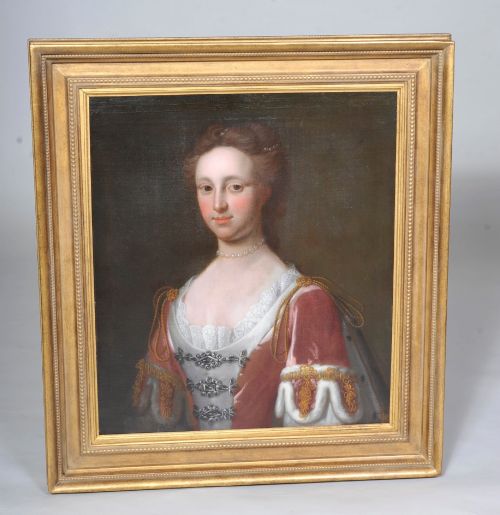
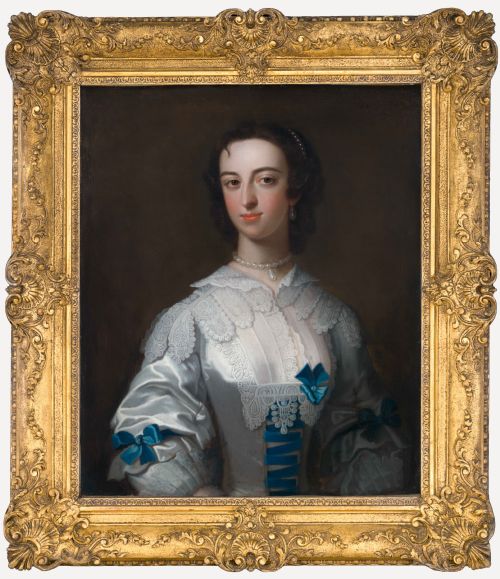
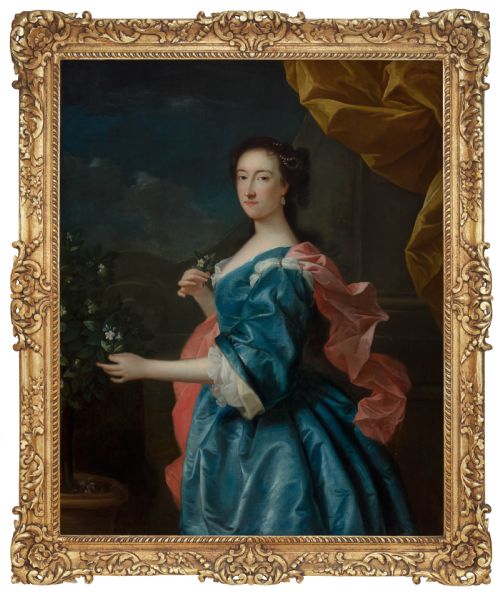
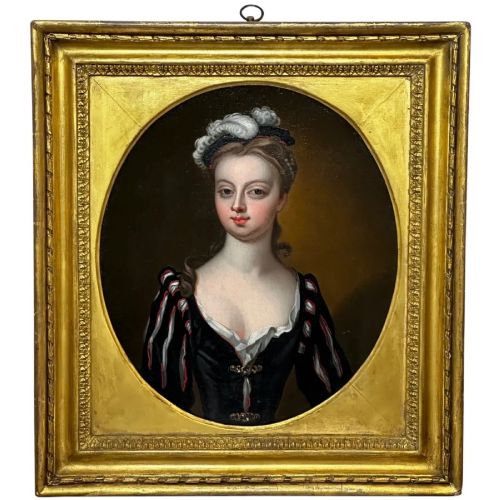
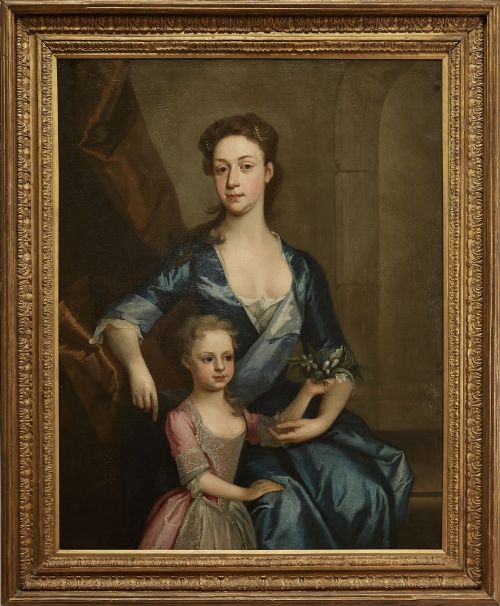
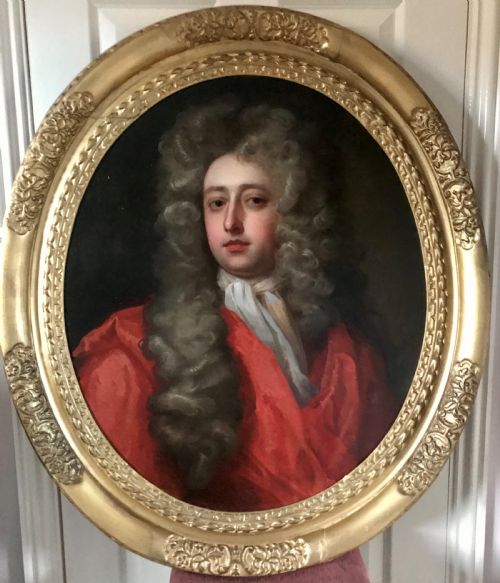
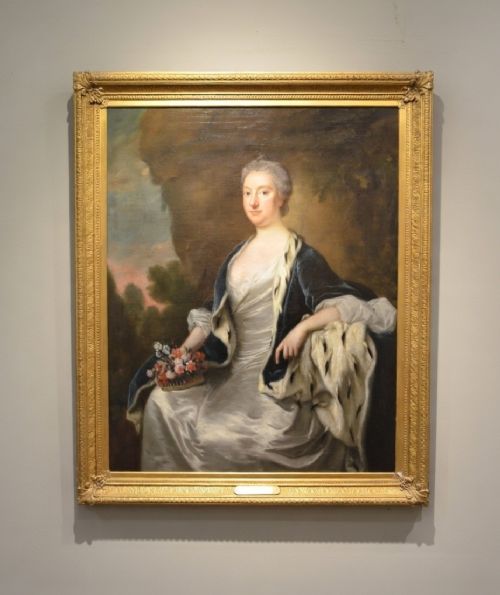
A georgian aristocrat portrait represents figures of high social standing, ranging from earls and baronets to ladies and duchesses, often depicted in formal attire such as lace jabots, blue robes with fur trim, or alongside symbolic elements like orange trees.
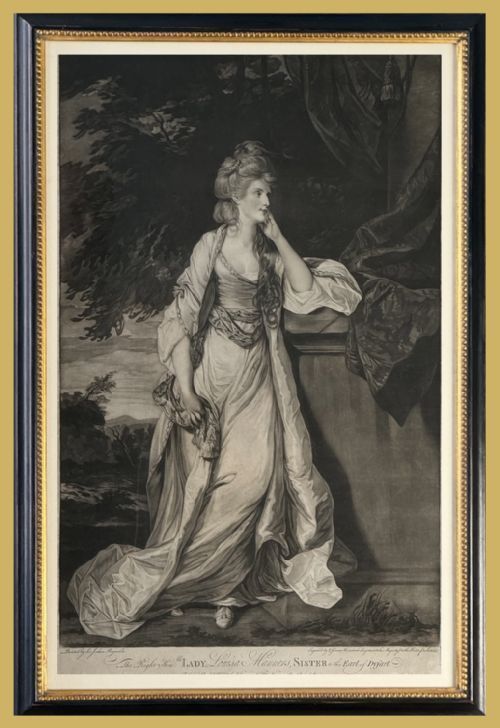
The most common version met on this page is the oil painting on canvas dating from the eighteenth century, though examples stretch from the seventeenth to the nineteenth century and encompass British Baroque and French styles alongside mezzotint prints.
Materials and execution
Painters utilised oil paint applied to canvas, wood, or copper to build rich tones and detailed fabrics for each sitter.
Frames of giltwood embellished with gold leaf provide the traditional housing for these works, while printmakers used paper to produce mezzotints after master painters.
Georgian Aristocrat Portrait Retail Price Guide 2026
Typical asking prices for georgian aristocrat portrait among the pieces listed under this phrase on Sellingantiques today, from the lower quarter to the upper quarter. They describe what is for sale here now, not the wider market.
Listings feature works spanning the seventeenth, eighteenth, and nineteenth centuries, executed in oil on canvas, copper, and paper.
Judging the work
The distinction between ordinary and superior pieces rests on the precision of facial rendering and the handling of textiles like silk, lace, and fur.
Attribution to named painters or established circles elevates a work, as does the clarity of provenance linking the sitter to a recorded historical figure.
Jeremiah Davison·Michael Dahl·Thomas Murray·Valentine Green·Sir Joshua Reynolds·John Vanderbank·Joseph Highmore·Enoch Seeman·A.R. Whytton
The Georgian Aristocrat Portrait Glossary
- Mezzotint
- A printmaking process of the tonal method, enabling the creation of subtle gradations of light and shade. This technique was frequently employed to reproduce famous painted portraits.
- British Baroque
- An artistic style prevalent in the seventeenth and early eighteenth centuries, noted for its grand scale and theatrical presentation of subjects. Works in this manner emphasise dramatic lighting and opulent drapery.
- Giltwood
- Wood that has been coated with gold leaf or powder, commonly formed into ornate picture frames. These frames contribute significantly to the overall presentation of eighteenth-century fine art.
- Jabot
- A decorative lace or linen ruffle attached to the front of a shirt, frequently seen in gentleman's portraiture. Its intricate detail allows artists to demonstrate skill in rendering fine textiles.
Georgian Aristocrat Portrait: Frequently Asked Questions
What is a georgian aristocrat portrait?
A georgian aristocrat portrait is a painted or printed likeness of a noble subject from the eighteenth century or adjacent eras. These artworks recorded the status, wealth, and lineage of figures such as baronets, earls, and countesses.
Subjects are typically shown in formal dress, sometimes accompanied by heraldic symbols, estate backdrops, or objects denoting status like orange blossoms. They served as both personal mementos and statements of dynastic power.
How were these portraits displayed?
Original owners hung these large-scale canvases and framed prints in the reception rooms, long galleries, and stairwells of country houses. They formed part of ancestral portrait collections designed to impress visitors.
Today, living with them requires stable wall spaces away from direct sunlight and damp conditions to protect the oil paint, canvas, and giltwood frames from deterioration.
How do I date a portrait?
Dating relies on a combination of costume history, painting technique, and biographical details of the sitter when known. Hairstyles, lace jabots, and robe styles changed rapidly across the seventeenth, eighteenth, and nineteenth centuries.
Inscriptions on the reverse or contemporary documentation often confirm the exact year or narrow down the active period of the painter and circle involved.
What is the difference between a painting and a mezzotint?
An oil painting is a unique hand-painted artwork created directly by the artist on canvas, copper, or wood panel using pigmented oils. The brushwork and texture of the paint are entirely individual.
A mezzotint is a printed reproduction on paper, created by working a copper plate to produce rich dark tones and subtle highlights. Printmakers like Valentine Green used this method to circulate likenesses originally painted by masters like Sir Joshua Reynolds.