



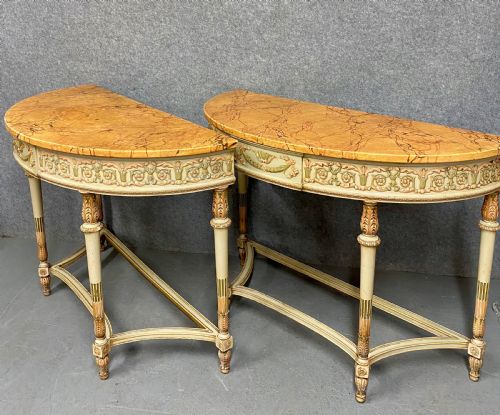
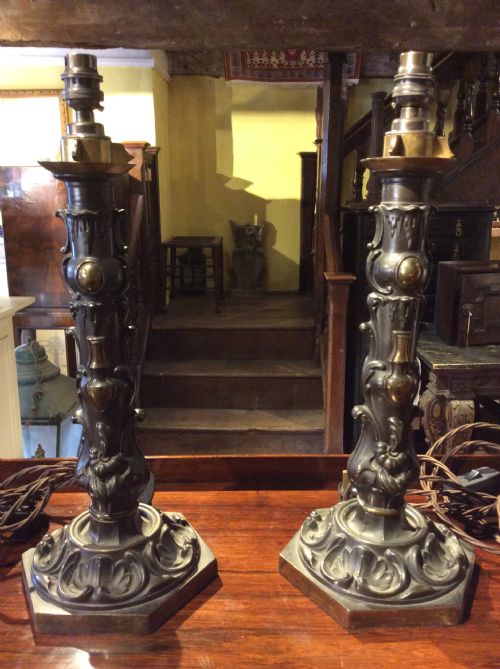
Ornate Side Table Pair
An ornate side table pair brings symmetry and architectural weight to a room, drawing the eye with sculptural carved wood and gleaming metal.
Ornate Side Table Pair
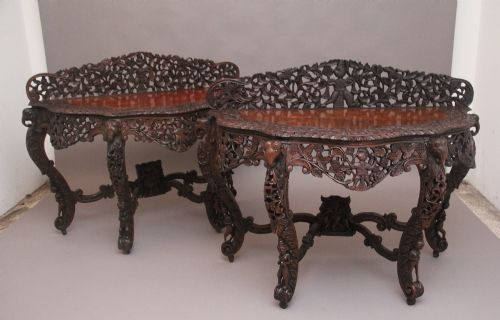
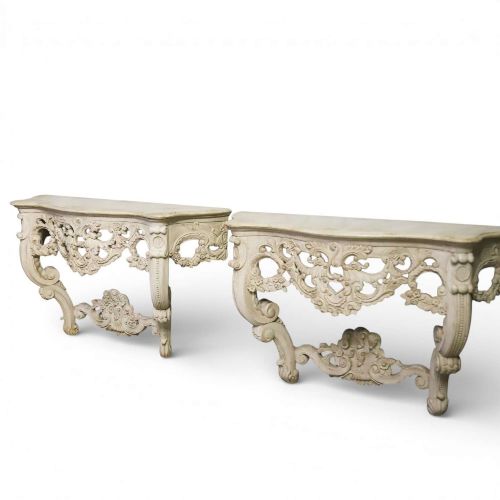
An ornate side table pair consists of matched furnishings designed to stand against walls or beside seating, fulfilling both practical placement and decorative symmetry. When searching for an ornate side table pair, a buyer encounters forms spanning from console tables to occasional and bedside tables.
The selections on this page bridge multiple eras, appearing in nineteenth century, Victorian, and early twentieth century manifestations. Stylistic influences range through French Neoclassical, Rococo Revival, and Anglo-Indian designs, providing distinct decorative silhouettes.
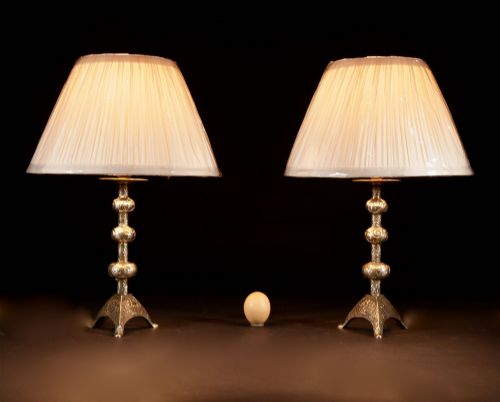
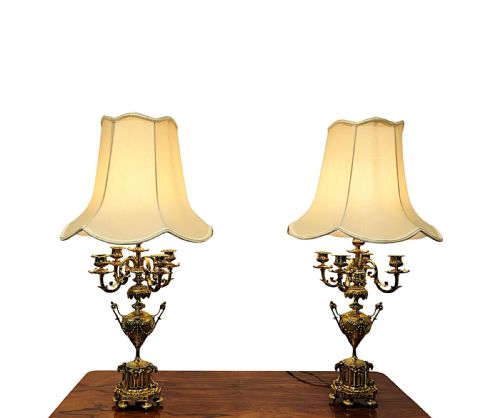
Materials vary widely across the inventory, encompassing carved hardwood, giltwood, cast iron, and gilt bronze. These pieces function equally as surface space and as focal points within an interior scheme.
Materials and construction methods
Construction relies heavily on traditional woodworking and metal casting techniques suited to each period style. Hardwoods undergo intricate hand-carving, while metal elements utilise bronze, brass, and spelter shaped through casting and repoussé work.
Surface finishes define the visual impact of these items, employing giltwood, antique white paint, and gold or silver leaf application. Fabric and marble elements frequently integrate into table lamp bases and console tops to add textural contrast.
Ornate Side Table Pair Retail Price Guide 2026
Typical asking prices for ornate side table pair among the pieces listed under this phrase on Sellingantiques today, from the lower quarter to the upper quarter. They describe what is for sale here now, not the wider market.
Spelter figures occasionally moonlight as lighting.
Factors that separate quality tiers
The distinction between standard and superior pieces rests in the crispness of the hand-carving and the depth of the metal chasing. Pieces executed with finer detail in the foliage, scrolls, or figural mounts demonstrate a higher level of artisan skill.
Original surface treatments, such as patinated gilt bronze or untouched giltwood, hold greater visual integrity than later repainting. Structural joinery and the selection of dense hardwoods or heavy cast metals further distinguish the tier of a piece.
The Ornate Side Table Pair Glossary
- Giltwood
- Wood that has been coated with gold leaf or gold paint. This technique creates a brilliant reflective surface popular in classical and revival interiors.
- Spelter
- An alloy of zinc and lead used as a substitute for bronze. It is softer than bronze and readily takes detailed casting for decorative lamp bases.
- Repoussé
- A metalworking technique where the metal is hammered from the reverse side to form a raised design in relief. It appears frequently on brass lamp bodies.
- Console table
- A table designed to be fixed against a wall, often supported by scroll brackets or legs. They provide narrow surface space for decorative objects.
- Rococo Revival
- A nineteenth century design movement reviving the asymmetrical scrolls, shell motifs, and curves of the eighteenth century French style.
Ornate Side Table Pair: Frequently Asked Questions
Where should I place these tables?
Console variants suit entrance halls and narrow corridors where floor space is limited. Occasional and bedside tables fit living rooms and bedrooms as functional display surfaces.
Position them away from direct heat sources to protect wood finishes and delicate painted surfaces.
How do I identify the period?
Examine the underlying materials, construction marks, and stylistic vocabulary such as Victorian cast bronze or eighteenth century giltwood. Heavy brass casting and hand-carved hardwood details typically point to nineteenth century origins.
Compare the decorative motifs against established revival styles to narrow down the decade of production.
Are these tables sturdy enough for daily use?
Most pieces are built from solid hardwoods or cast metals designed for stable placement. However, delicate carved elements and gilt surfaces require careful handling during placement.
Treat them as decorative focal points rather than heavy utility surfaces to preserve their historic finishes.