
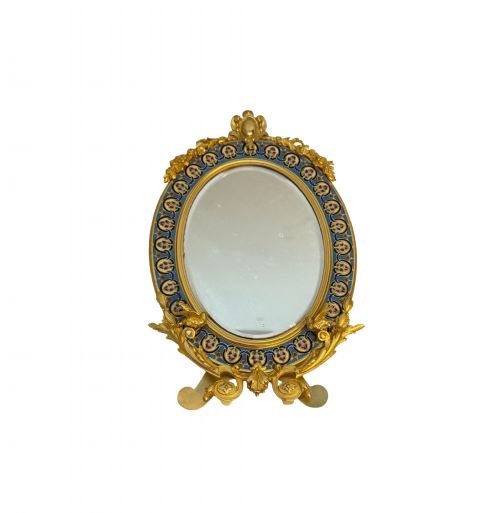


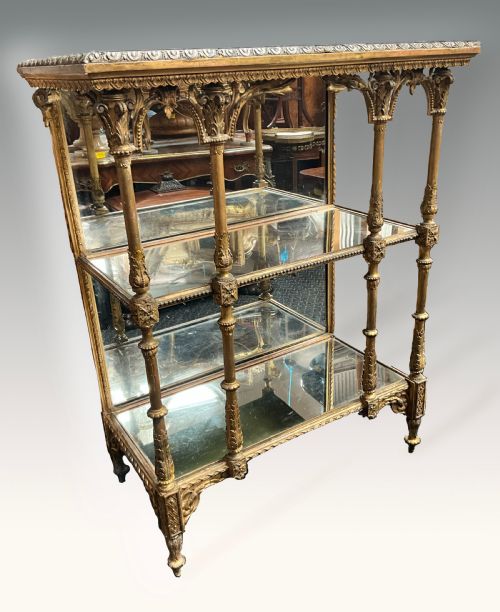


Ornate Gilt Standing Mirror
An ornate gilt standing mirror brings a touch of historical grandeur into a room, offering both practical reflection and decorative presence.
Ornate Gilt Standing Mirror
When you search for an ornate gilt standing mirror, you encounter pieces designed to anchor a room through reflective light and decorative framing. These items range from large floor-standing designs to smaller dressing and table models.
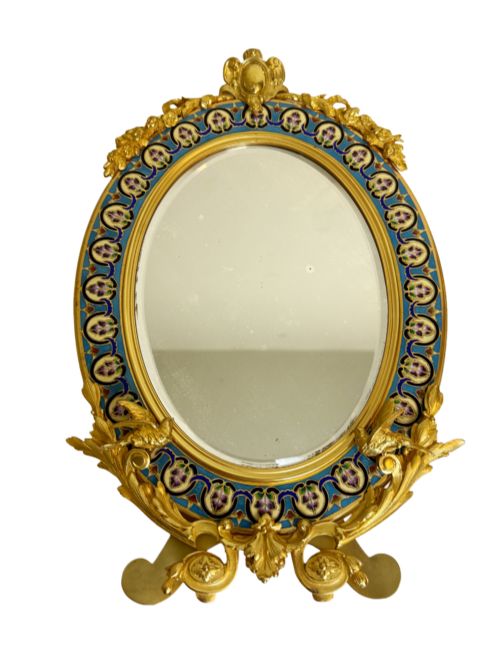
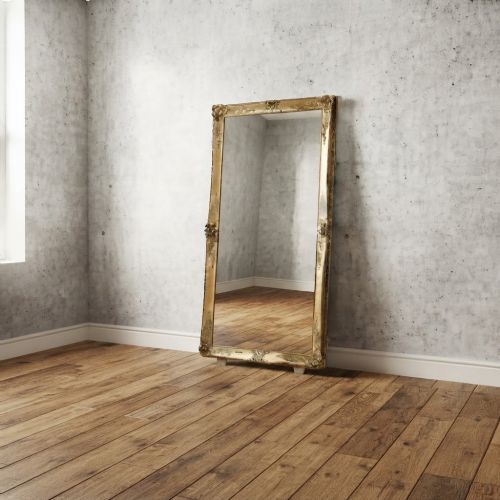
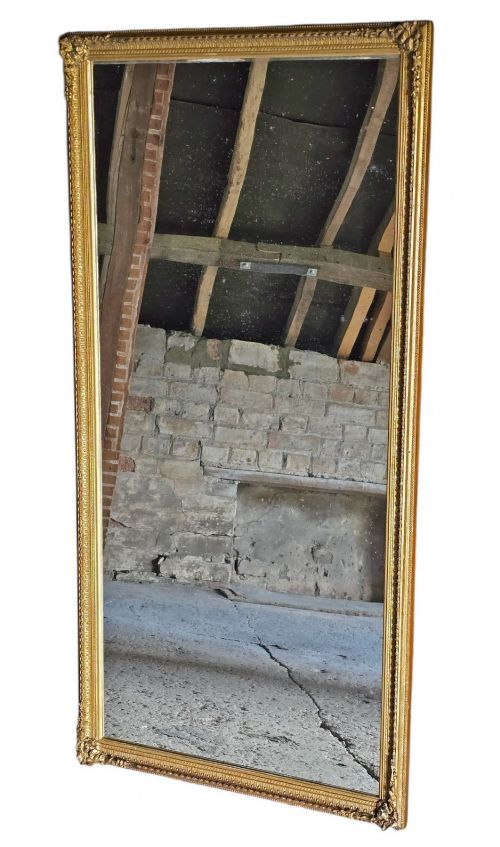
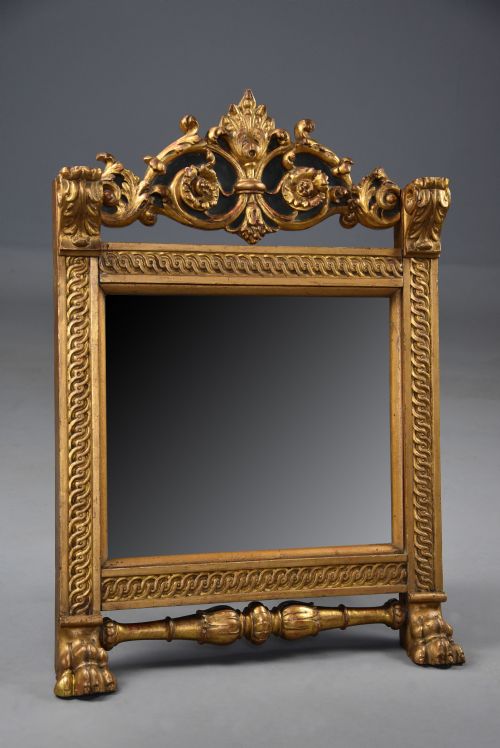
Forms vary from full-length cheval mirrors and leaner mirrors to intimate vanity and table top dressing mirrors. Each type serves a specific domestic function while displaying the elaborate carving characteristic of the period.
Materials and construction
Carved wood provides the primary structural foundation for these frames, often enhanced with applied gesso to build up intricate relief ornaments. Artisans shaped floral motifs, scrollwork, and architectural details directly into this plaster layer before applying the finish.
Giltwood and gold leaf finishes define the visual impact of the surface, complemented by occasional use of gilt bronze and champleve enamel mounts. Mirror glass is set within these heavy frames, maintaining the proportion and balance required for stable standing forms.
Several mirrors include hidden display shelves and easel backs, proving that past generations took their tabletop adjustments very seriously indeed.
Assessing quality and craftsmanship
The depth and crispness of the hand-carved relief distinguish finer examples from simpler production pieces. Deeply undercut foliage and well-defined scrollwork demonstrate superior sculptural skill during the manufacturing process.
The integrity of the original gilding and the quality of the underlying gesso layer dictate the visual richness of the surface. Surviving original mirror glass with natural age oxidation also contributes to the authenticity and character of the object.
The Ornate Gilt Standing Mirror Glossary
- Gesso
- A plaster-like mixture applied to wood frames to create a smooth surface for carving and gilding. It allows artisans to shape intricate decorative relief details before the application of gold leaf.
- Giltwood
- Timber that has been coated with gold leaf or powdered gold. This finish provides the characteristic metallic brilliance seen on period frames.
- Cheval mirror
- A freestanding full-length mirror hung on a vertical frame with pivots. This design allows the glass to tilt to various angles for dressing.
- Champleve
- An enamelling technique where recessed cells are dug into a metal surface and filled with vitreous enamel. It frequently appears on decorative mounts of late nineteenth-century table mirrors.
- Rococo
- A decorative style characterised by asymmetry, curves, and ornate shell or scroll motifs. It heavily influences many nineteenth-century French mirror frames.
Ornate Gilt Standing Mirror: Frequently Asked Questions
How do I clean an antique gilt mirror?
Dust the carved frame gently with a soft, dry brush to prevent damage to the delicate gesso and gold leaf surface. Avoid using liquid cleaners or household sprays near the gilded areas.
Clean the glass pane separately using a cloth dampened with a mild glass cleaner, taking care not to let any moisture seep beneath the frame edges.
Where should I place a standing mirror?
Position the piece opposite a window to maximise natural light distribution and create a sense of expanded space within the room. Ensure the floor surface is level to maintain the stability of heavy wooden frames.
Keep the mirror away from direct heat sources and strong sunlight to protect the aged wood and gilt finishes from cracking or fading.
How do I identify a nineteenth-century frame?
Examine the construction of the wooden backing and the formulation of the gesso layer for signs of period manufacturing techniques. Hand-carving and traditional water gilding methods indicate earlier craftsmanship compared to twentieth-century moulded resin alternatives.
Look for natural wear patterns on the gold leaf and minor imperfections in the mirror glass that suggest genuine age rather than recent reproduction.
What is the difference between a leaner and a cheval mirror?
A leaner mirror is designed to rest directly against a wall at an angle without attached support legs. These pieces are typically larger and provide full-length reflections.
A cheval mirror incorporates an integrated wooden stand with pivot pins, allowing the glass frame to tilt independently of the supporting structure.