

Ornate Gilded Table
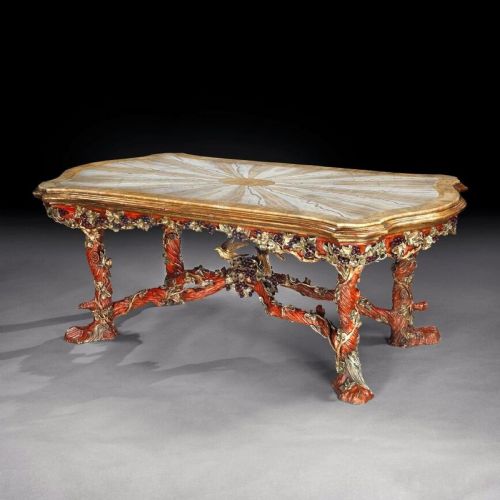
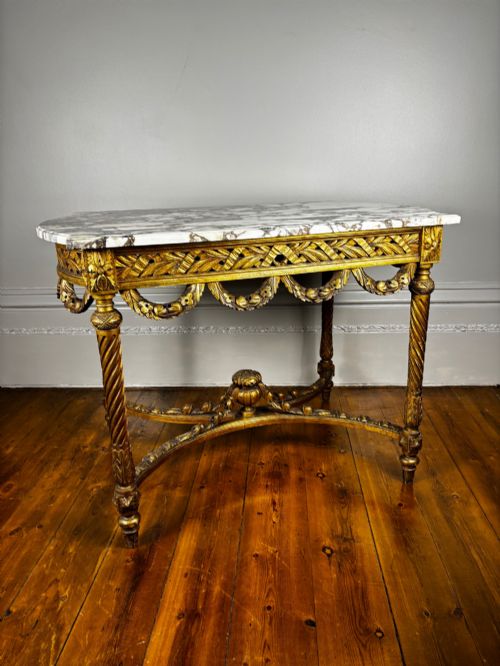
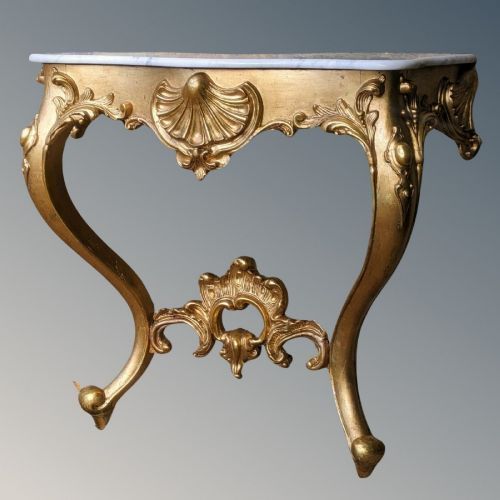
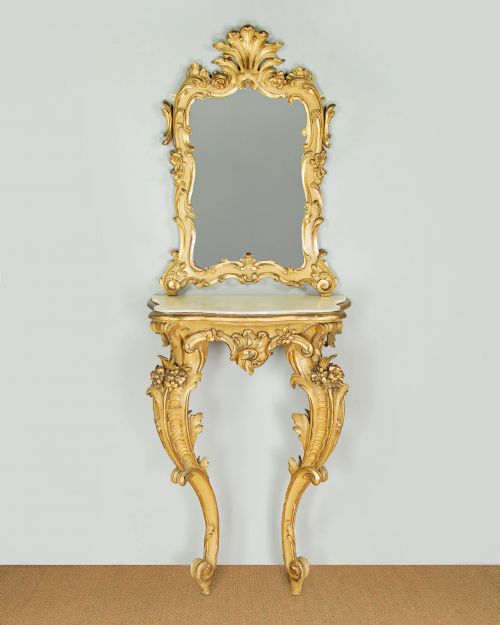
An ornate gilded table brings dramatic French and Victorian presence into a room through elaborate carving and metallic surface work.
Ornate Gilded Table
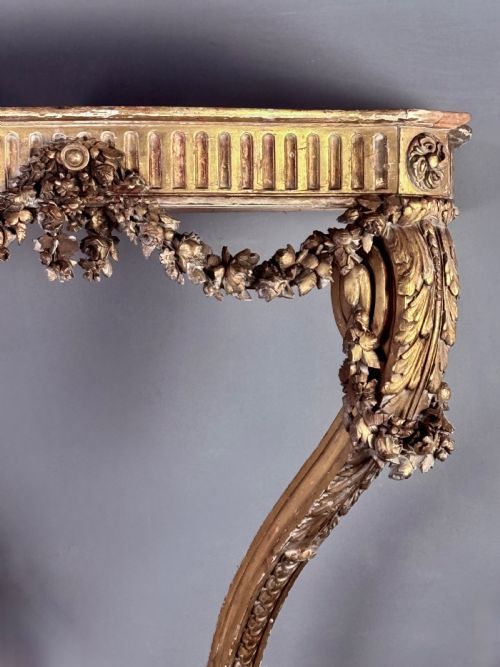
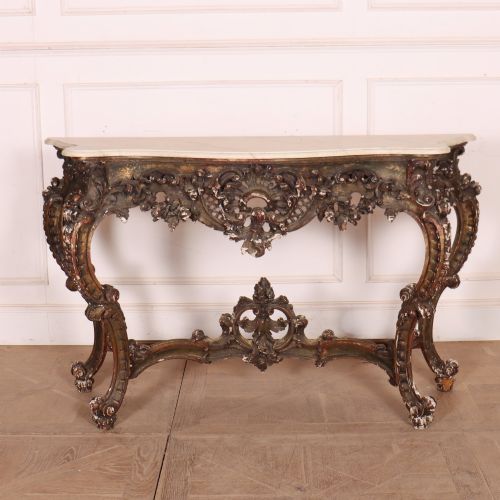
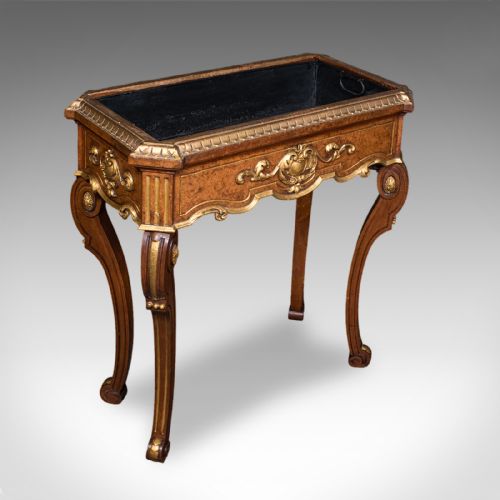
When you search for an ornate gilded table, you encounter console tables, side tables, coffee tables, and centre tables originating predominantly from nineteenth-century France and Italy, alongside Victorian Britain. These forms span revival styles such as French Rococo, Louis XV, and Italian Baroque, often featuring serpentine fronts and intricate woodwork.
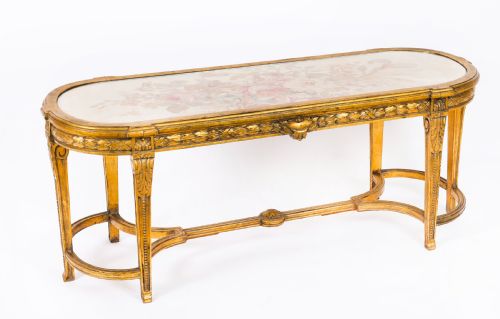
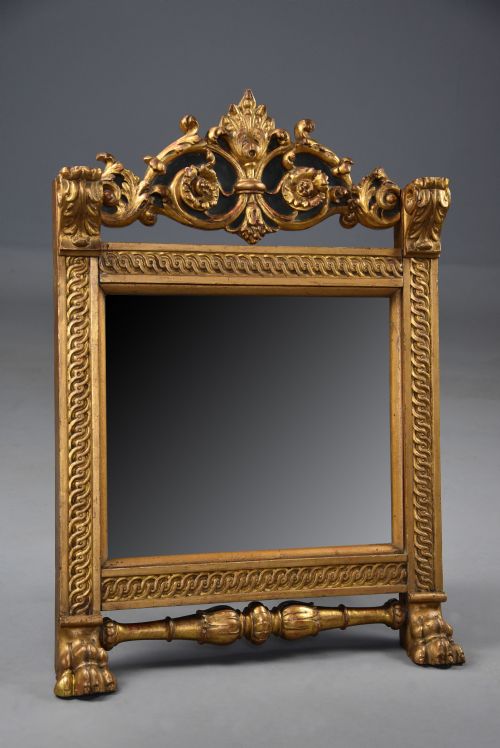
You are most likely to meet console tables designed to sit against a wall, frequently paired with matching mirrors, as well as compact coffee and lamp tables adapted for modern living spaces. The selection ranges from nineteenth-century giltwood frames to early twentieth-century Italian carved and polychrome examples.
The objects combine functional surfaces with decorative sculpture, utilising stone or glass tops supported by heavily carved or cast bases. Their forms reflect historicist revivals that prioritized rich ornamentation and theatrical silhouettes over strict utility.
How they were made
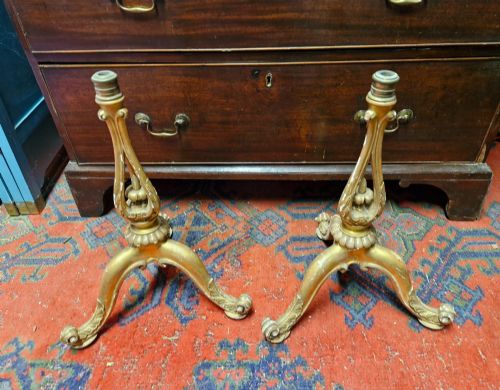
Carved wood provides the structural core for traditional giltwood pieces, where artisans shaped timber before applying thin layers of gold leaf over gesso and sizing. Gilded brass, ormolu, and gilt bronze appear widely across mounts, bases, and decorative hardware, cast in detailed moulds and hand-chased.
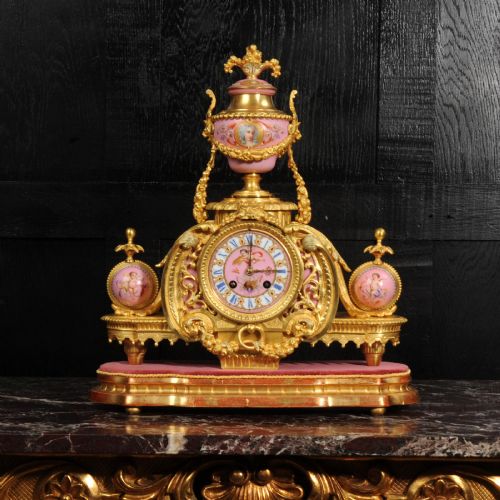
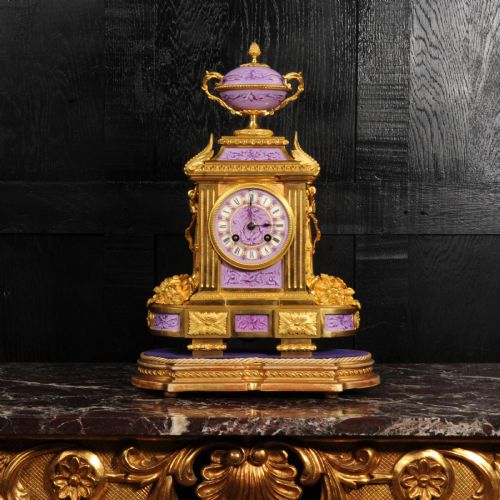
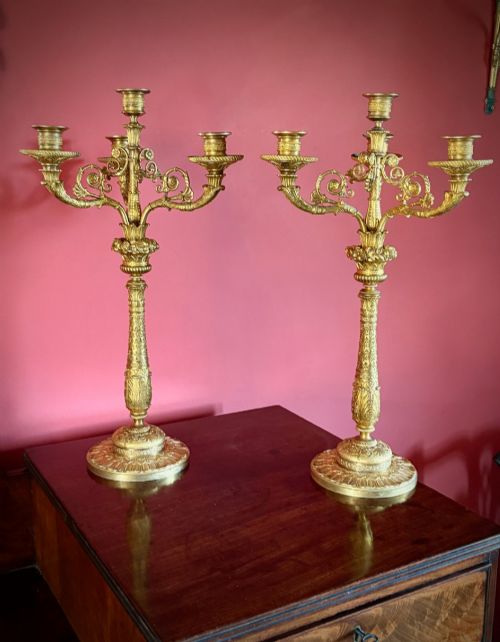
Marble, onyx, and polished glass frequently form the tabletops, resting securely upon carved wooden or cast metal frames. Enamel, porcelain panels, and champlevé details are integrated into related items such as clocks and candelabra that share the same decorative vocabulary.
A nineteenth-century console once shared showroom space with an oil painting of a cardinal dining quietly at his table.
What varies in quality
The depth and crispness of the wood carving distinguish superior examples from standard production, as master carvers achieved undercut foliage and fluid scrollwork rather than shallow, rigid relief. Similarly, the quality of ormolu casting depends on the sharpness of the chasing work performed after the metal left the mould.
The integrity of the gilding surface separates fine pieces from lesser ones, with genuine gold leaf retaining a warm, burnished luminescence compared to flat modern metallic paints. Furthermore, the weight and thickness of inset marble or onyx tops indicate the original financial investment behind the piece.
Felix-Alfred Ternisien·Achille Brocot·Amleto Bertoni
The Ornate Gilded Table Glossary
- Giltwood
- Wood that has been coated with a thin layer of gold leaf. This technique was widely utilised on nineteenth-century console frames and mirrors.
- Ormolu
- Finely chased gilt bronze used for decorative mounts and hardware. It gained prominence in French furniture and clockmaking.
- Gesso
- A plaster-like mixture applied to wood as a smooth base for gilding. It allows craftsmen to build up crisp relief details before applying gold leaf.
- Champlevé
- An enamelling technique where troughs are dug into a metal surface and filled with vitreous enamel. This method appears on nineteenth-century decorative items.
- Console table
- A table designed to stand against a wall, frequently secured with brackets. These pieces often feature elaborate front legs and marble tops.
Ornate Gilded Table: Frequently Asked Questions
Where should I place an ornate gilded table?
Console variants suit entrance halls or living room walls, particularly when positioned beneath a matching mirror. Smaller coffee and side tables function well as accent pieces in a drawing room.
Ensure the piece is kept away from direct heat sources and strong sunlight to protect the gilded finish and any delicate wooden joints.
How do I clean a gilded table surface?
Dust the piece gently with a dry, soft microfibre cloth to prevent scratching the delicate gold leaf layer. Avoid chemical cleaning products, water, and abrasive cloths entirely.
If the marble or glass top requires cleaning, use a damp cloth on the stone alone, taking care not to let moisture touch the gilded wood or metal mounts.
Are marble tops original to these tables?
Many nineteenth-century console and occasional tables were designed specifically to carry heavy marble or onyx tops. These stone slabs rest within rebated wooden frames to distribute the weight evenly.
Matching the stone type and edge profile to the period of the base helps confirm whether the top has remained with the piece since its manufacture.
What is the difference between giltwood and ormolu?
Giltwood refers to carved timber surfaces coated in gold leaf, whereas ormolu describes gilded bronze or brass used for mounts and smaller decorative objects. Both techniques create a rich metallic sheen but serve different structural roles.
Pieces often combine both materials, using a giltwood frame alongside cast ormolu feet, capitals, or decorative appliqués.