


Ornate Gilded Table Base
An ornate gilded table base brings rich texture and metallic warmth to a room, acting as the structural foundation for lamps, clocks, and occasional tables.
Ornate Gilded Table Base
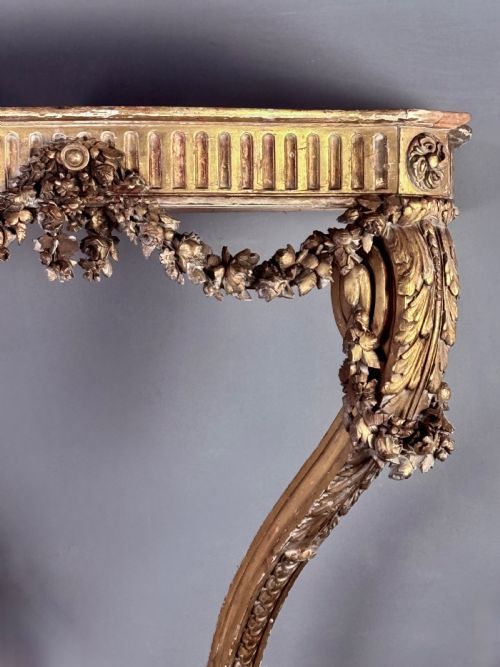
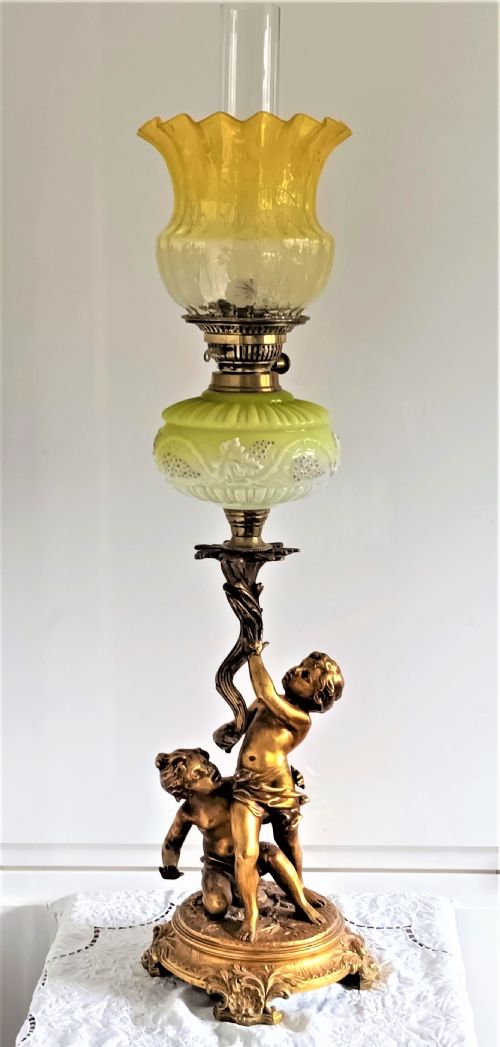
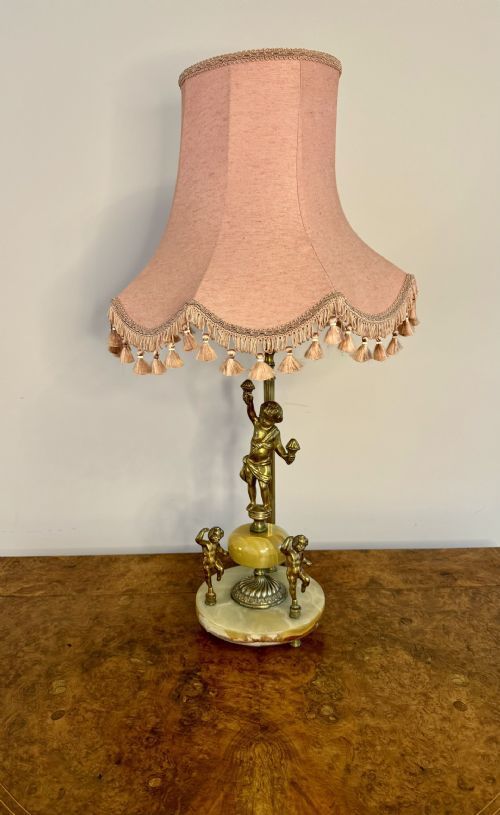
When you search for an ornate gilded table base, you encounter a variety of heavily decorated supports and stands originating from the eighteenth, nineteenth, and early twentieth centuries. These pieces encompass console tables, lamp bases, oil lamp standards, mantel clocks, and tazzas designed to elevate domestic surfaces with sculptural presence.
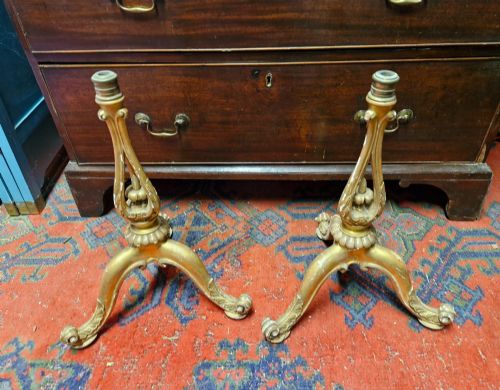
The selection on this page relies heavily upon nineteenth-century Victorian and Edwardian examples, alongside French Rococo, Neoclassical, and Baroque revivals. You are most likely to meet carved wood or cast metal stands shaped as tripod supports, pedestals, and console frames.
Originating from English, French, and Italian workshops, these items served utilitarian roles in lighting and horology while functioning primarily as ornamental focal points. Their survival demonstrates the enduring appeal of gilded surfaces and intricate relief work within historic interiors.
How they were made
Makers shaped these supports using carved wood, cast brass, gilt bronze, and ormolu, applying layers of gold leaf to heighten the visual impact of the relief ornamentation. Carved giltwood forms rely on skilled hand woodworking, whereas metal components utilise founding and casting techniques to achieve elaborate botanical, figural, and architectural motifs.
Details such as onyx inserts, marble bases, glass elements, and Limoges enamel plaques are integrated into the primary metal or wooden structures. Surface gilding requires meticulous application of fine gold leaf or mercury gilding on bronze, creating the lustrous finish characteristic of these historical objects.
Cherubs occasionally peer out from the metalwork, reminding us that nineteenth-century desks deserved divine intervention.
What varies in quality
The distinction between standard production and exceptional execution lies in the depth and sharpness of the carving or casting. Pieces attributed to specific makers display superior articulation in figural elements like cherubs, floral garlands, and scrollwork compared to generic workshop output.
Material selection also dictates overall merit, with genuine giltwood and heavy ormolu holding greater distinction than simple gilt metal finishes. The integration of secondary decorative elements, such as matched marble plinths or inset enamel plaques, elevates the standard of the piece.
Felix Alfred Ternisien
The Ornate Gilded Table Base Glossary
- Giltwood
- Wood that has been coated with gold leaf or powder. This technique provides a brilliant metallic finish while allowing intricate hand carving beneath.
- Ormolu
- Finely ground high-carat gold applied to a bronze base using a mercury amalgamation process. This French technique yields a warm, durable golden lustre.
- Tazza
- A small shallow bowl or cup mounted on a stem and foot, frequently utilised for display. These decorative stands often incorporate enamel plaques.
- Console table
- A table designed to be fixed against a wall, typically supported by ornamental brackets or front legs. The structural base often displays elaborate carving.
Ornate Gilded Table Base: Frequently Asked Questions
What is an ornate gilded table base used for?
These pieces serve as decorative structural supports for table lamps, oil lamps, clocks, and small console surfaces within historic and traditional interiors. They elevate functional objects into sculptural centerpieces.
Their substantial ornamentation allows them to function independently as decorative accents or paired stands within a room scheme.
How do I identify a nineteenth-century piece?
Nineteenth-century examples typically display specific revival styles such as French Rococo, Neoclassical, or Victorian Gothic, executed in cast brass, ormolu, or carved giltwood. Examination of the construction methods and material patination helps confirm the period.
Maker signatures or attribution marks, where present, further clarify the exact date and origin of the stand.
What is the difference between giltwood and ormolu?
Giltwood consists of wooden frames or carved elements coated with thin sheets of gold leaf, revealing the warmth of the underlying timber as the surface ages. Ormolu refers specifically to gilded bronze mounts produced predominantly in French workshops.
Both techniques achieve a brilliant golden appearance, but they utilise entirely different base materials and manufacturing processes.
How do I care for antique gilded surfaces?
Gilded surfaces require gentle dusting with a soft, dry cloth to prevent abrasion of the delicate gold leaf or metal finish. Avoid using chemical cleaners, moisture, or polishing compounds that can strip the historic gilding.
Placing the pieces away from direct sunlight and extreme humidity preserves the integrity of both the metal and wood substrates.
Where were most of these bases made?
The majority of these decorative supports originate from French, English, and Italian workshops active during the eighteenth and nineteenth centuries. French makers particularly excelled in ormolu casting and Rococo revival designs.
English and Italian makers often favoured carved giltwood and brass for standard lamps and console tables.