




19th Century Giltwood Base
A 19th century giltwood base brings architectural presence and shimmering warmth to an interior, serving as the sturdy foundation for tables, mirrors and lamps.
19th Century Giltwood Base
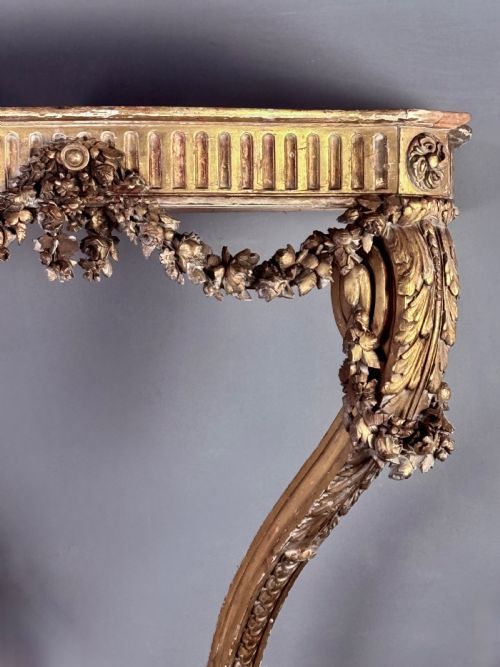
A search for a 19th century giltwood base reveals an array of supporting structures, from console tables and guéridons to floor lamps and overmantel mirrors. These pieces span the Regency, Victorian and French Empire periods, reflecting the opulent interior tastes of the eighteen-hundreds.
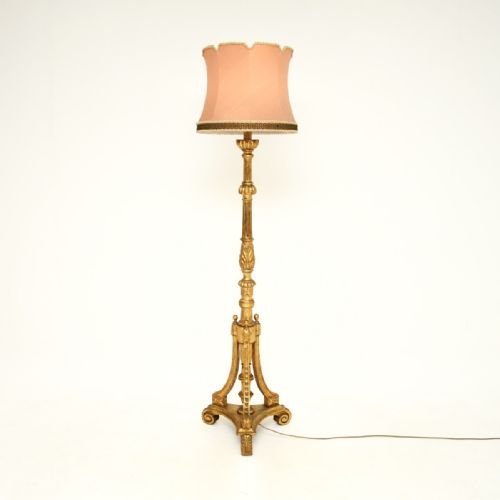
Buyers most frequently encounter items originating from French and British workshops, often displaying Neoclassical or Rococo styling. The forms range from tripod floor lamp bases and table lamp conversions to large console and centre table supports.
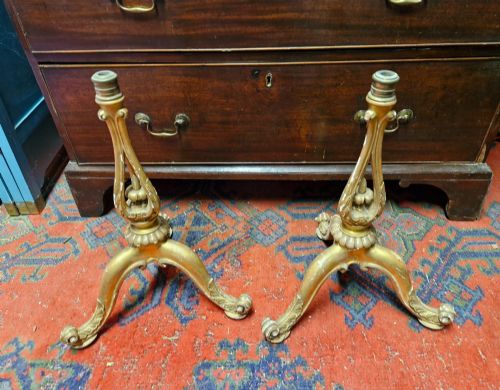
The selection includes specialised items such as oil lamp stands and pricket stick lamp bases alongside structural table frames. Each object demonstrates the period's reliance on gilded timber to anchor grand decorative schemes.
Materials and construction methods
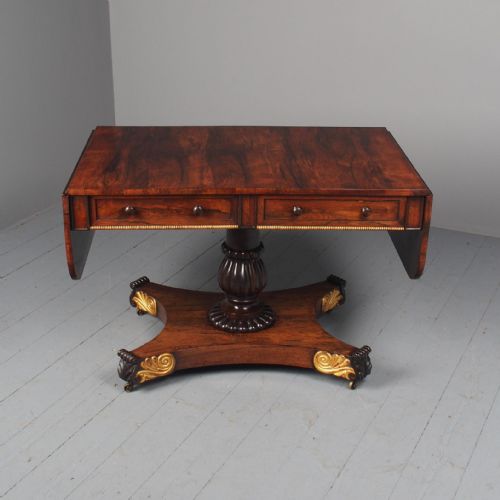
These pieces rely on a wooden core, frequently utilising hardwoods such as rosewood or supporting carcases shaped with gesso to accept fine detail. Carvers worked directly into the timber or prepared surfaces to take thin applications of gold leaf.
The characteristic metallic brilliance comes from the careful laying of gold leaf over bole, secured to the wood or gesso ground. Artisans also incorporated brass fittings and marbleized finishes to complement the primary giltwood construction.
Materials represented across the inventory include solid giltwood, rosewood, brass, glass, and prepared gesso.
Judging quality in gilded supports
Quality rests primarily on the depth and crispness of the hand-carving evident across the wooden elements. Superior examples display sharply defined foliage, scrolls and figures that retain their sculptural integrity beneath the gilding.
The application of the gold leaf and the preservation of the underlying gesso separate fine workshop production from simpler output. Pieces that show thoughtful handling of the metallic leaf over detailed carving command greater attention from discerning collectors.
Felix Alfred Ternisien
The 19th Century Giltwood Base Glossary
- Giltwood
- Timber decorated with gold leaf applied over a prepared surface of gesso and bole. This finish provides the characteristic rich metallic sheen found on nineteenth-century furniture and lamp bases.
- Gesso
- A plaster mixture applied to wood surfaces as a smooth base for gilding and fine carving. It allows artisans to model intricate relief details before applying gold leaf.
- Guéridon
- A small French round table supported by a central column or figures. The form frequently serves as a decorative stand or pedestal during the nineteenth century.
- Pricket stick
- A candlestick featuring a central spike to secure a candle rather than a socket. These items often find new life as lamp bases.
19th Century Giltwood Base: Frequently Asked Questions
How were these bases originally used?
Many of these pieces began as structural supports for heavy console tables, mirrors, or specialised lighting fixtures like oil lamps. Workshops designed them to carry significant weight while adding decorative grandeur to formal rooms.
Over time, changing fashions led to the conversion of items like pricket sticks and standard lamps into modern electrical fittings. Despite these changes, the primary function remains providing a stable, ornate foundation.
How do I care for giltwood?
Giltwood requires gentle maintenance to protect the delicate gold leaf and underlying gesso layers from moisture and abrasion. Dusting should occur regularly with a soft, dry brush rather than a cloth that might snag on raised details.
Keeping these pieces away from direct sunlight and humidity fluctuations prevents the timber core from expanding and cracking the gesso surface. Careful placement ensures the finish retains its historic character.
Can I use these as standalone decorative objects?
A substantial console base or tripod stand often functions effectively as a sculptural element within a room without needing its original top. The intricate carving and gilt surface draw the eye and create a focal point against a plain wall.
Collectors frequently place these items where their architectural lines and reflective qualities can enhance the surrounding interior space. They bring historic craftsmanship directly into modern display arrangements.
How do I distinguish Regency from Victorian pieces?
Regency designs typically lean towards strict Neoclassical symmetry, inspired by ancient Roman and Greek forms, often combining rosewood with restrained parcel gilt details. The lines tend to be clean and architectural.
Victorian pieces often embrace heavier proportions and more exuberant French Rococo or revival ornamentation, utilising dense gesso carving and extensive gold leaf. Examining the carving style and secondary woods helps clarify the period of manufacture.