


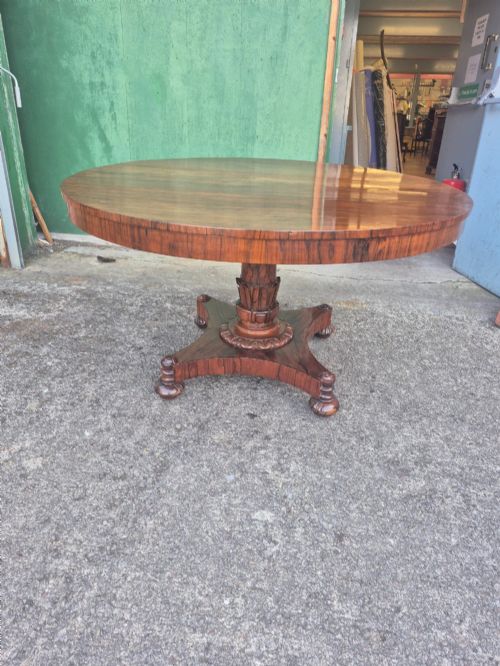
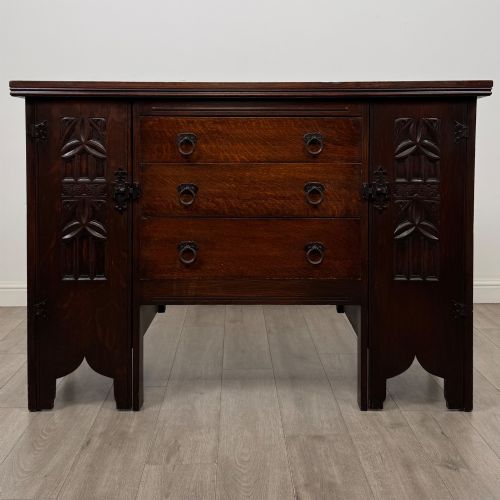
Carved Wood Table Base
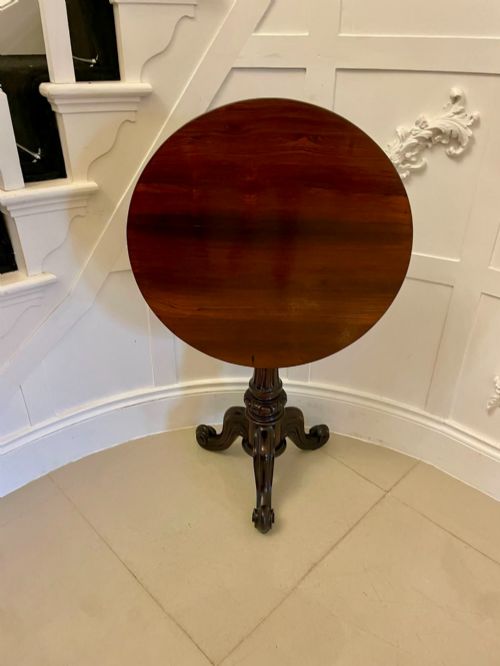
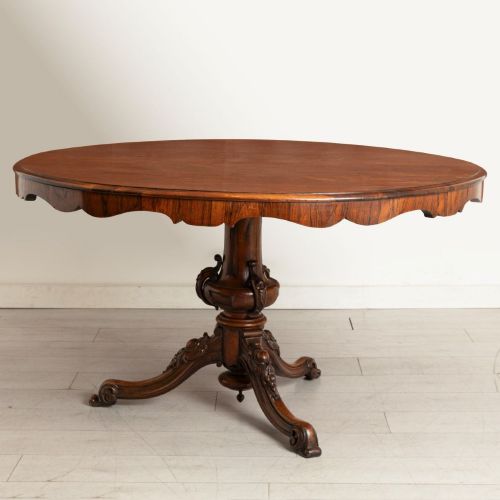
A carved wood table base provides structural support while displaying intricate ornamentation from the Victorian and earlier periods.
Carved Wood Table Base
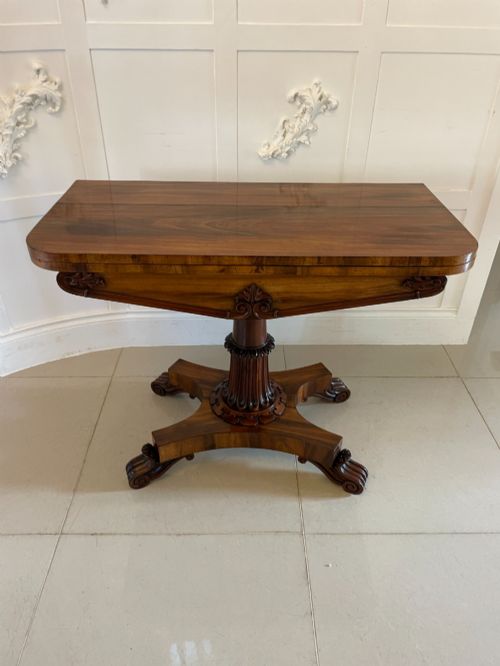
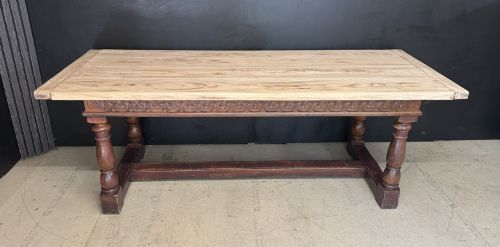
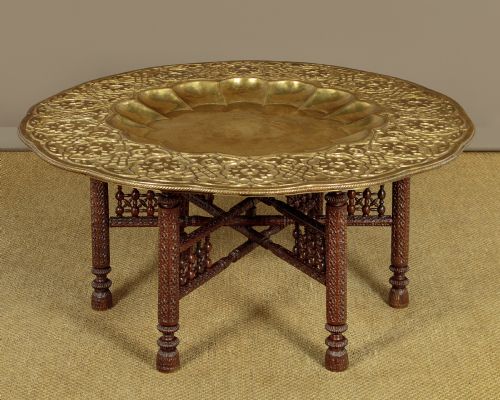
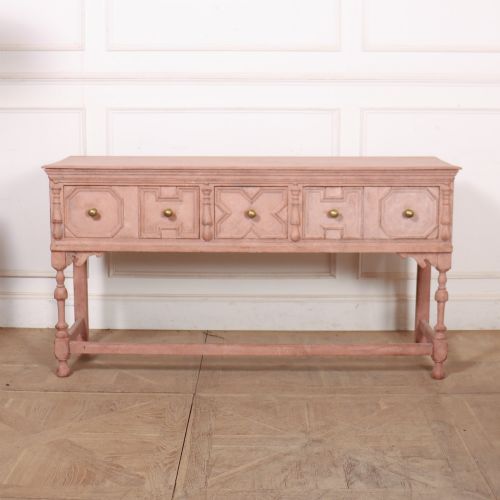
A carved wood table base forms the structural foundation beneath dining, card, and occasional tables originating from the nineteenth and eighteenth centuries. These supports often emerge independently when earlier tables are repurposed or when monumental architectural elements are adapted for modern display.
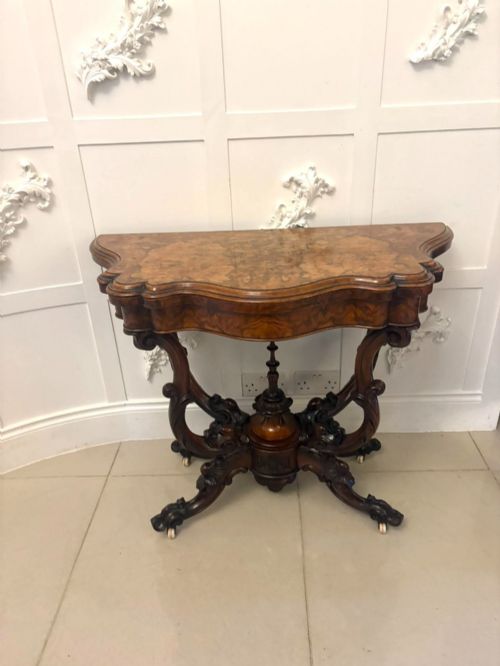
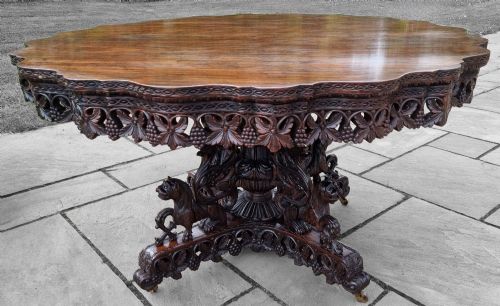
Buyers encountering this selection will find robust timber supports, pedestal columns, and console elements fashioned from dense hardwoods. Many examples showcase the heavy sculptural ornament typical of Victorian, William IV, and Regency cabinet making.
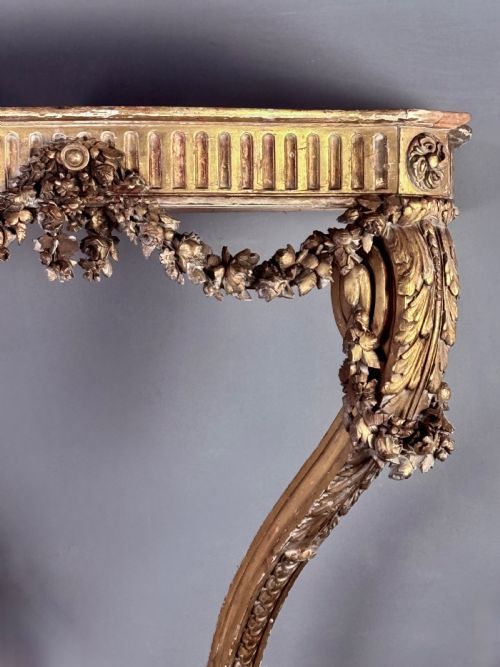
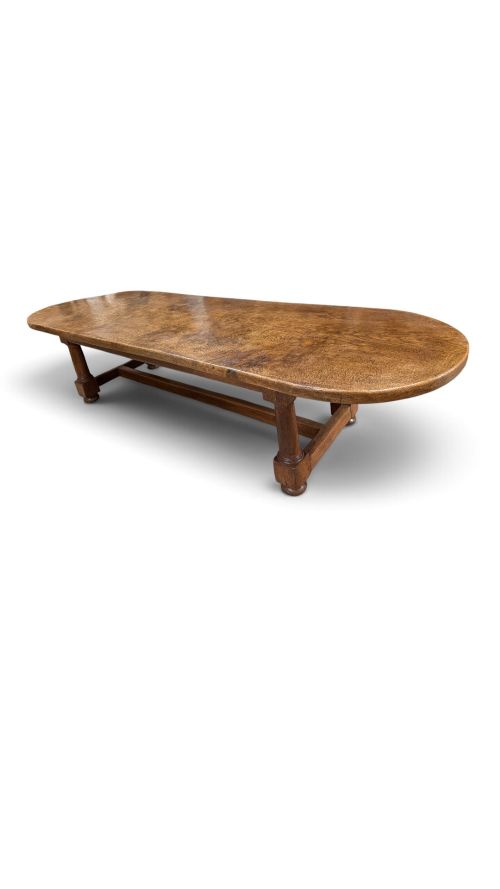
The assortment spans from domestic English oak and mahogany to exotic rosewood, burr walnut, and padauk. Each support reveals the distinct regional turning and carving traditions of its period, from simple farmhouse framing to elaborate French neoclassical gilding.
Materials and construction methods
Cabinet makers constructed these supports using heavy hardwoods including oak, mahogany, walnut, and rosewood, often selecting dense timbers capable of bearing substantial weight. Carpenters joined structural components with traditional methods, ensuring rigidity beneath large dining and centre tables.
Carvers shaped the timber by hand using gouges and chisels to create deep relief motifs, acanthus leaves, and figural details. Surface finishes ranged from polished French polish on fine rosewood to waxed oak and applied gilt layers on continental console supports.
German woodcarvers in the Black Forest immortalised children as wooden sculptures before turning their skills to sturdy household supports.
Evaluating craftsmanship and condition
The depth and crispness of the hand-carved detail separate ordinary timber turnings from exceptional sculptural work. Sharp undercut foliage and smooth contours indicate skilled artisan execution rather than mechanical shaping.
Timber selection and stability dictate the merit of each piece, with dense grain and well-matched veneers commanding attention. Superior examples maintain structural integrity without excessive timber shrinkage or crude structural repairs.
Felix Alfred Ternisien
The Carved Wood Table Base Glossary
- Triform base
- A three-sided pedestal support common on nineteenth-century breakfast and centre tables. This configuration balances heavy timber tops on three radiating feet.
- Pedestal table
- A single central pillar support rising from a plinth or feet to hold the table top. These often incorporate heavy turning and carved collar details.
- Tilt-top
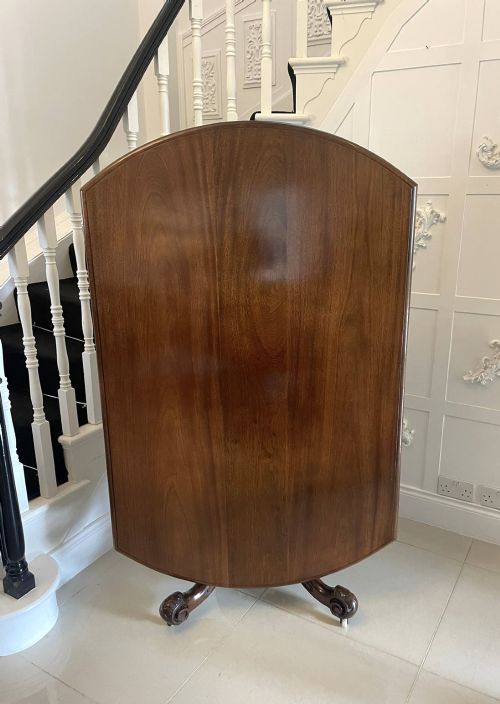
- A mechanism allowing the table top to pivot vertically for storage against a wall. The supporting base remains stationary while the pivot block engages the top.
Carved Wood Table Base: Frequently Asked Questions
What is a carved wood table base used for?
These pieces serve as structural supports for various table tops or stand alone as architectural lamp bases and decorative pillars.
Buyers often repurpose salvaged bases with glass or timber tops to create bespoke furniture.
How do I identify the period of a wooden base?
Dating relies upon examining the wood species, tool marks, and stylistic indicators such as Victorian turning or Regency proportions.
Heavier dense hardwoods like rosewood and mahogany typically point toward the nineteenth century, while oak frequently indicates earlier centuries.
Are these bases sold with table tops?
Listings include both complete tables where the base is integral and isolated bases offered independently.
Checking the specific title and description clarifies whether the item is a standalone support or an assembled table.
How should I care for antique wood furniture?
Maintain stable indoor humidity levels and keep wooden items away from direct heat sources to prevent timber splitting.
Apply quality beeswax periodically and buff gently to preserve the natural lustre of the polished hardwood.