

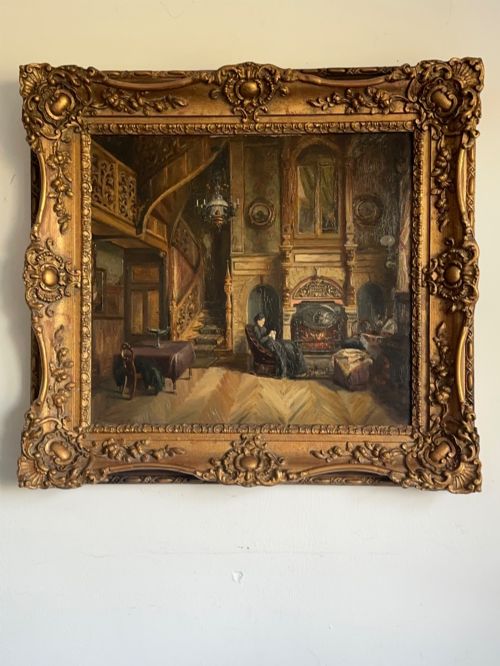
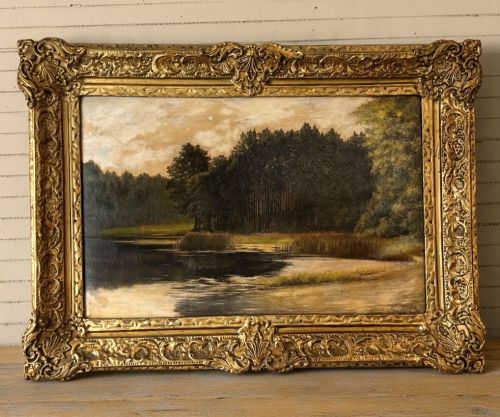

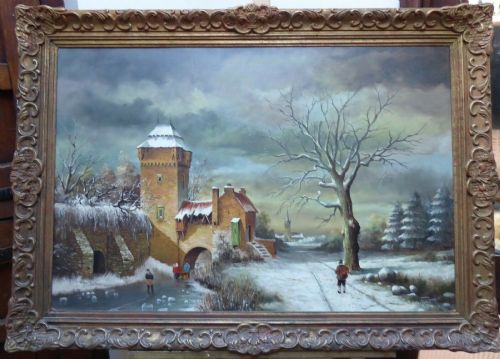
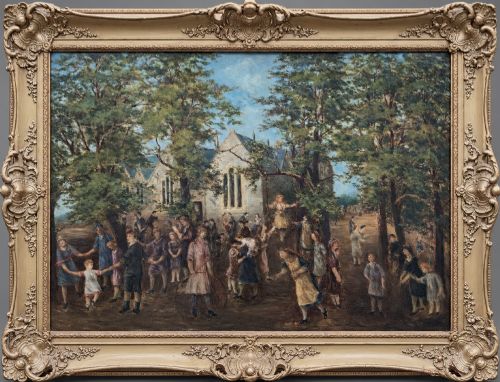

Ornate Gilded Framed Picture
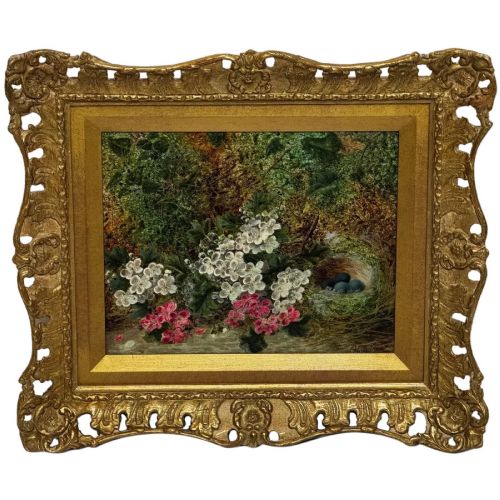
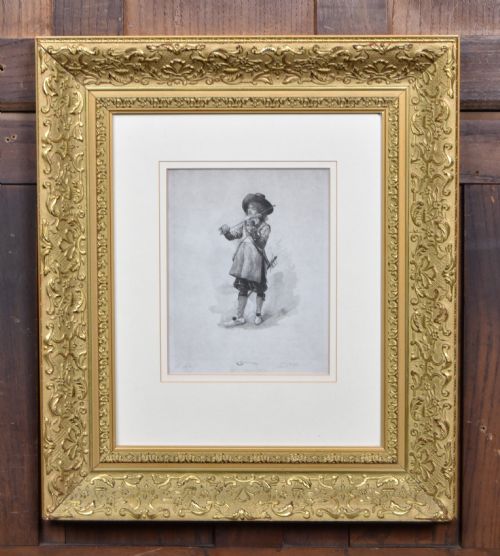
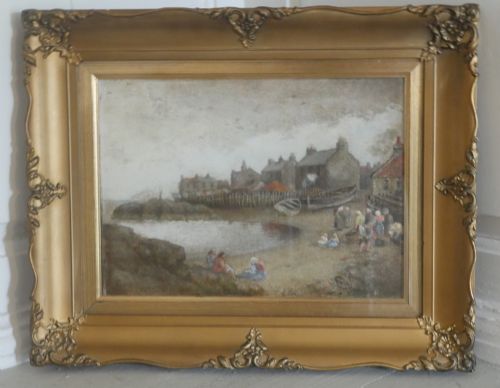
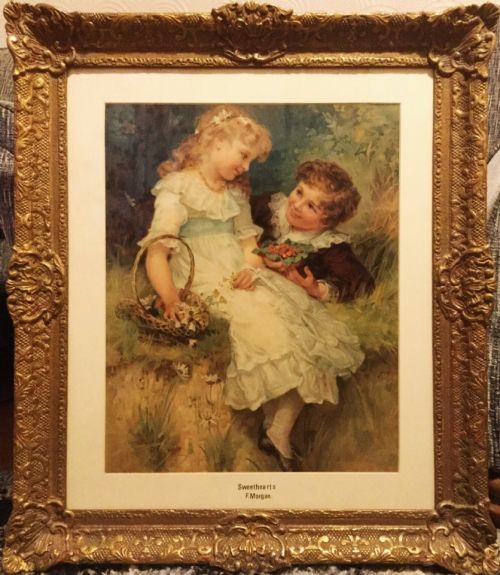
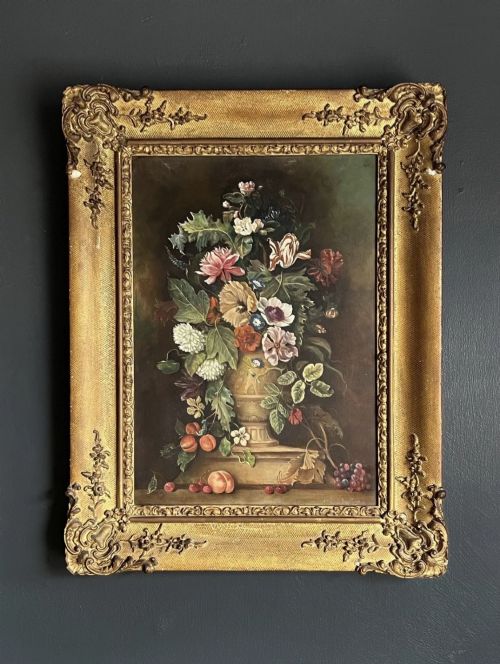
An ornate gilded framed picture brings heavy texture, bright metallic surface, and deep nineteenth-century oil paintings straight onto the wall.
Ornate Gilded Framed Picture
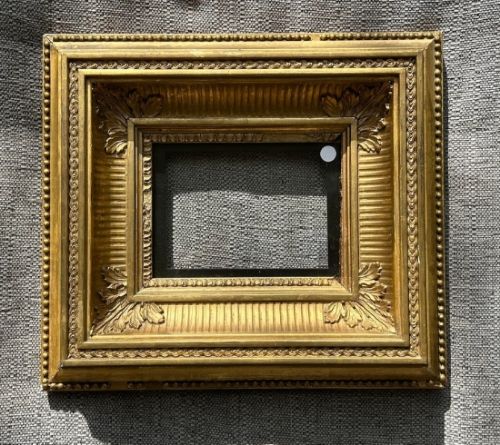
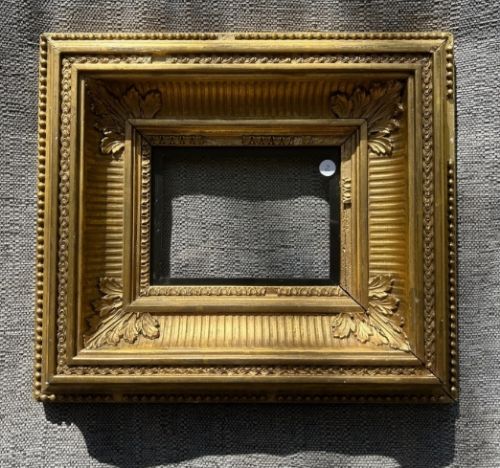
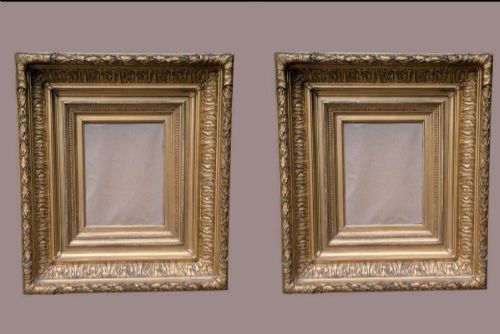
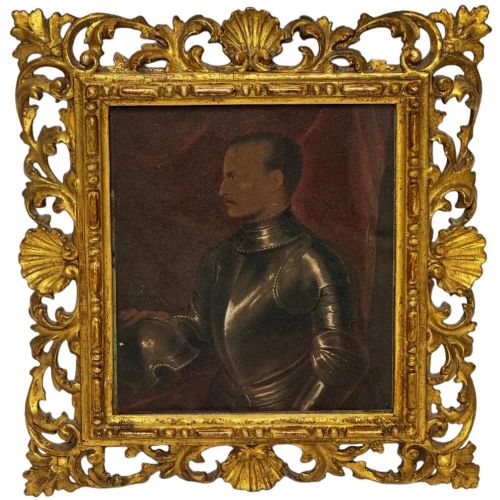
When someone searches for an ornate gilded framed picture, they encounter a combination of heavy wooden mounts and oil paintings spanning the Victorian period and the nineteenth century. These objects include both standalone antique frames housing canvas works and complete pictures featuring elaborate plaster mouldings.
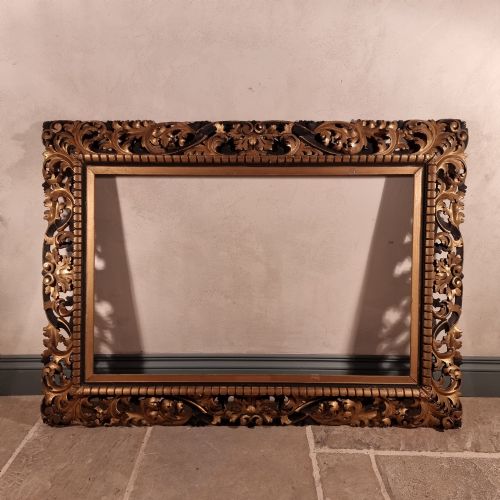
The most common examples on this page date from the nineteenth century, often reflecting styles such as Rococo revival or Florentine tastes. They showcase deep hollow profiles and sweeping decorative corners designed to hold landscape, portrait, and genre oil paintings.
Buyers also meet twentieth-century interpretations, including vintage prints and miniatures, though the dominant form remains the substantial Victorian gilt and gesso frame. These pieces function simultaneously as decorative wall art and historical framing apparatus.
Materials and Construction Techniques
The foundation of these pieces relies on carved timber or moulded wooden formers, which provide structural strength for heavy canvases and glass. Artisans built up the deep decorative profiles using layers of gesso, a plaster mixture applied over the wood base to create smooth surfaces for ornamentation.
The characteristic metallic finish comes from the application of gold leaf or gilt surface treatments directly onto the prepared gesso mouldings. Craftsmen often utilised water gilding or oil gilding techniques to achieve the bright reflective qualities seen across nineteenth-century frames.
Ornate Gilded Framed Picture Retail Price Guide 2026
Typical asking prices for ornate gilded framed picture among the pieces listed under this phrase on Sellingantiques today, from the lower quarter to the upper quarter. They describe what is for sale here now, not the wider market.
Listings feature nineteenth-century oil paintings, Victorian gesso frames, and watercolor works housed in giltwood surrounds.
Distinctions in Quality and Execution
Quality separates pieces by the depth and crispness of the modelled gesso ornament, where hand-tooled plaster details outlast mass-produced pressed compositions. Deeper hollow profiles and heavier timber constructions indicate higher ambition from the original makers.
The integrity of the original gold leaf surface dictates the standing of a piece, with undisturbed metallic layers showing superior preservation compared to later overpainting. Furthermore, the harmonious relationship between the canvas artwork and its specific period frame influences the overall execution.
Pieter Cornelis Steenhouwer·Oliver Clare·Edward Mills·Gian Paolo Pace·Jonny Gaston·John Hodgson Lobley·Harold Clayton·Thomas Kent Pelham·T. Bergman·Arthur Percy Dixon·John Frederick Herring Jnr·Jean baptiste Joseph Pater·Eugene Verboeckhoven·Robert Eadie·Sir Edwin Landseer
The Ornate Gilded Framed Picture Glossary
- Gesso
- A mixture of plaster of Paris, chalk, and size used as a base for moulding ornamental details on wooden frames. It provides the smooth foundation necessary for subsequent gilding.
- Giltwood
- Timber that has been coated with gold leaf or a gold-coloured metallic finish. This material defines the bright reflective borders of traditional picture frames.
- Swept Frame
- A frame style featuring deep, undulating curves and scrolling corner ornaments, often associated with nineteenth-century revival tastes. The profile sweeps outward from the sight edge to create dramatic visual depth.
- Oleograph
- A mechanical colour print produced on canvas to imitate an oil painting, popular during the nineteenth and twentieth centuries. These reproductions frequently appear mounted inside antique gilt frames.
- Fluted Hollow
- A concave frame moulding decorated with parallel vertical grooves running along the channel. This design directs light across the metallic surface of the frame.
Ornate Gilded Framed Picture: Frequently Asked Questions
How do I hang a heavy framed picture securely?
These substantial wooden and gesso frames require robust fixings screwed directly into wall studs or heavy-duty masonry anchors. Avoid relying on simple picture wire alone for the heaviest nineteenth-century pieces.
Distributing the weight evenly across two wall hooks keeps the frame level and prevents structural strain on the mitred corners over time.
Can I separate the frame from the painting?
Many antique pictures and frames grew old together, forming a unified historical object where the dimensions were specifically tailored to the canvas. Separating them risks damaging brittle gesso mouldings or exposing unpainted canvas edges.
Collectors generally prefer keeping the original combination intact unless conservation work specifically requires removing the artwork for cleaning.
How should I clean a gilded wooden frame?
Dust accumulation requires only a very soft, dry brush or feather duster used with extreme care along the raised gesso reliefs. Moisture, chemical sprays, and rough cloths strip away fragile gold leaf instantly.
Professional conservators should handle any deeper cleaning to protect the delicate metallic surfaces from accidental abrasion.
What indicates a nineteenth-century origin?
Nineteenth-century frames typically feature hand-applied gesso over heavy timber bases, showing distinct tool marks and minor shrinkage cracks beneath the gold leaf. The depth of the moulding and the specific style of Rococo revival ornament point to this era.
Examining the reverse side reveals old pine or hardwood construction free from modern synthetic board materials.