




Ornate Gilded Frame Pair
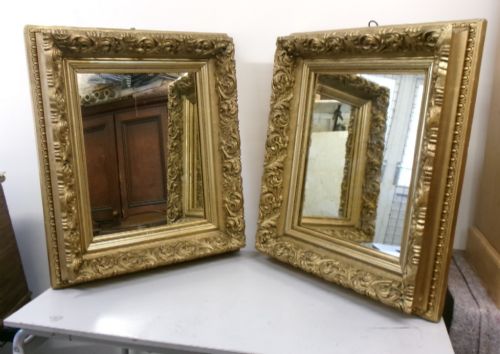
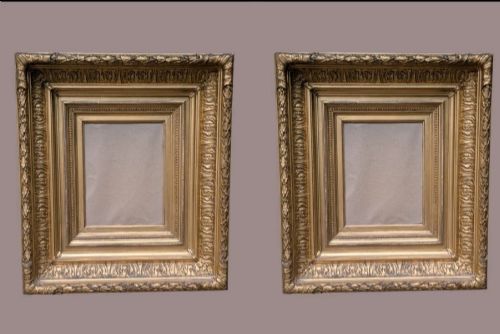
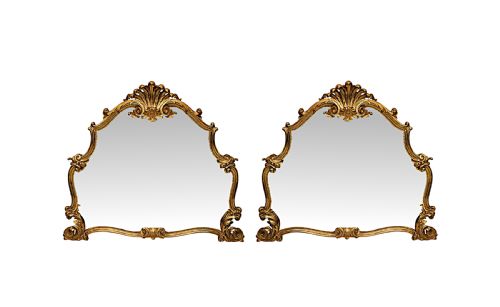
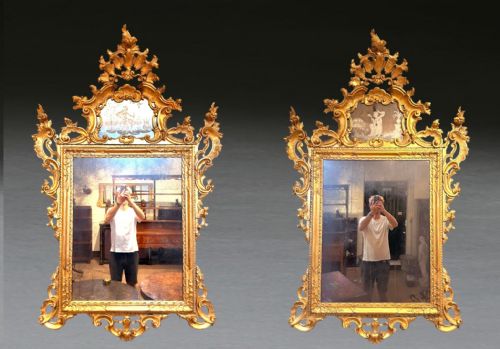
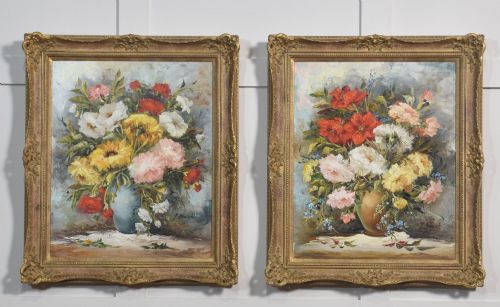
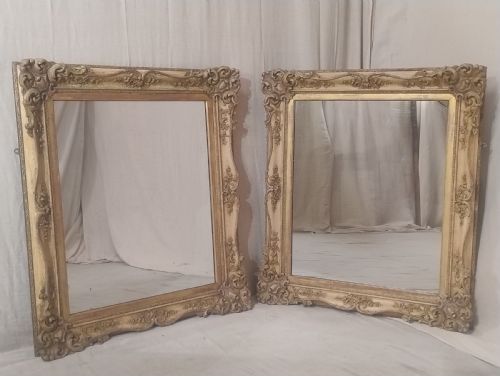
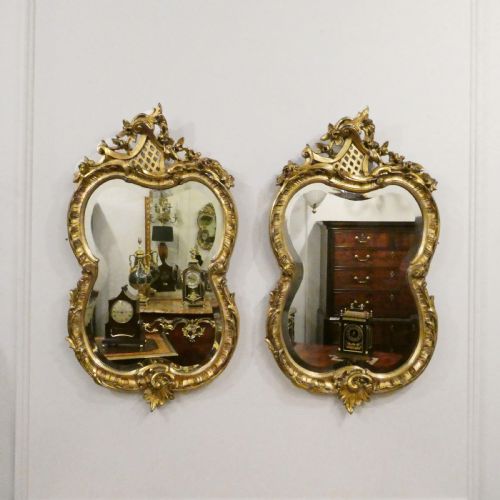
An ornate gilded frame pair brings symmetrical brilliance and historical depth to a room, offering matched wall mirrors or fine art.
Ornate Gilded Frame Pair
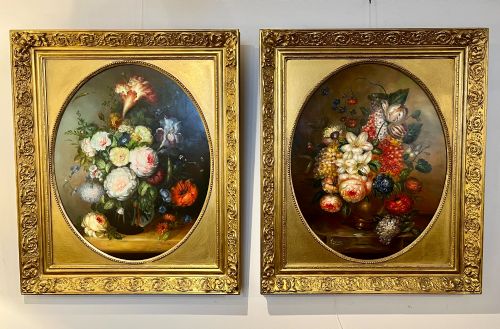
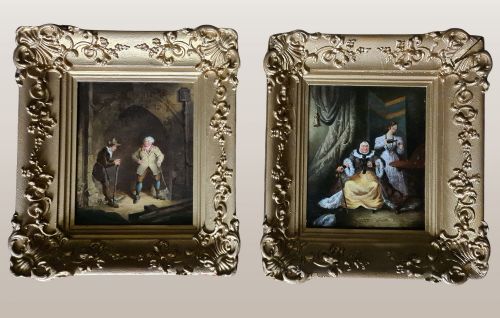
When searching for an ornate gilded frame pair, buyers encounter matched sets of wall mirrors, oil paintings, and watercolours spanning the eighteenth, nineteenth, and early twentieth centuries. These matching pieces were designed to hang in balanced symmetry across a mantelpiece, pier, or principal wall in a reception room.
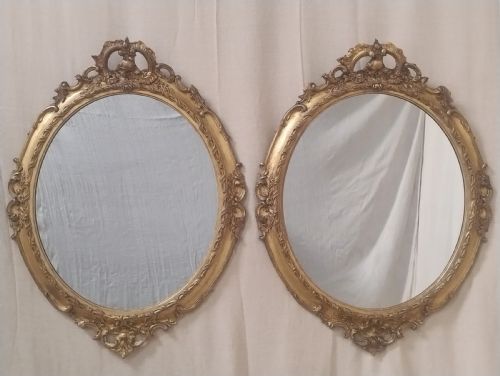
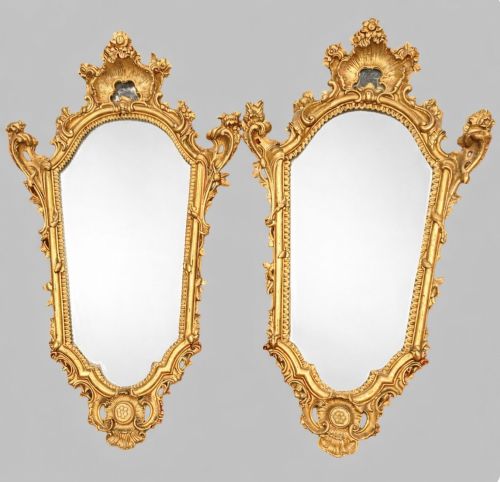
The selection on this page leans heavily towards nineteenth-century Victorian pieces and Italian Rococo or French Rococo style wall mirrors and landscape oil paintings. Buyers will also find Dutch style still life works, oval wall mirrors, and Venetian girandole pier mirrors sharing these characteristic gilt surfaces.
Originating predominantly from British, French, and Italian traditions, these pairs reflect formal interior decoration where symmetry dictated the arrangement of fine art and mirrors. The forms vary from deep rectangular overmantels to oval and round frames housing canvas, board, or glass.
How these gilded frames and artworks were constructed
The framework relies on carved wood, often gessoed and finished with gold leaf or parcel gilt surfaces to achieve a brilliant metallic sheen. Artisans shaped intricate floral, scroll, and baroque motifs by hand before applying the delicate gilding.
Mirror glass and canvas provide the central mediums for these pieces, fitted securely within the heavy timber mouldings. Oil paintings and watercolours on board or canvas utilise traditional pigments and binders suited to the period of creation.
Farmyard scenes with horses, chickens, and ducks rub shoulders with grand Venetian mirrors, proving that even gilded grandeur appreciates a good farmyard.
What separates the finest examples from the rest
Quality rests in the depth and crispness of the hand-carved ornamentation within the wood and gesso, where sharper, more articulate floral and scroll work distinguishes superior craftsmanship. Finer pairs demonstrate meticulous application of gold leaf rather than simpler metallic paint treatments.
The weight, substance, and original integrity of the timber framing and mirror glass also dictate the standing of a pair. Cohesive matching between the two items in terms of surface patina and proportion marks out the most desirable examples.
Manuela Bonati·John Frederick Herring Jnr·Adrian Van Porten·Clarence Henry Roe·Robert Buchan Nisbet·Francois Boucher
The Ornate Gilded Frame Pair Glossary
- Giltwood
- Wood that has been coated with gold leaf or a gold-coloured finish. This material forms the brilliant reflective surface characteristic of formal antique frames.
- Gesso
- A plaster-like mixture applied to wood frames to create a smooth base for carving and gilding. Artisans mould intricate relief details directly into this layer before applying gold leaf.
- Pier Glass
- A large tall mirror designed to be hung on the wall between two windows, often placed above a pier table. These grand mirrors frequently appear in matched pairs.
- Girandole
- A decorative wall mirror featuring attached candle sconces that reflect candlelight into the room. Eighteenth-century Italian examples demonstrate this ornate form.
- Crystoleom
- A Victorian method of applying a coloured photograph or print to convex glass and backing it with oil paint. These delicate works are preserved under curved glass within decorative frames.
Ornate Gilded Frame Pair: Frequently Asked Questions
How do I hang a heavy pair safely?
Heavy carved wood and mirror pairs require secure wall anchors fixed directly into masonry or sturdy timber studs to bear the substantial combined weight.
Using two professional hanging points per frame ensures the pieces remain level and stable on the wall over time.
Where should I place an ornate pair?
These matched pieces suit symmetrical placement flanking a fireplace, positioned above a sideboard, or hung on opposite sides of a principal reception room.
Placing them opposite windows or light sources maximises the reflective quality of the gilt frames and mirrors.
How can I tell nineteenth-century frames apart?
Nineteenth-century frames often display heavier gesso moulding and deeper cavetto profiles influenced by Rococo Revival and Classical Revival tastes.
Examining the backboards, fixings, and the composition of the gesso layer helps confirm the nineteenth-century production date.