

Ornate Gilded Frame Mirror
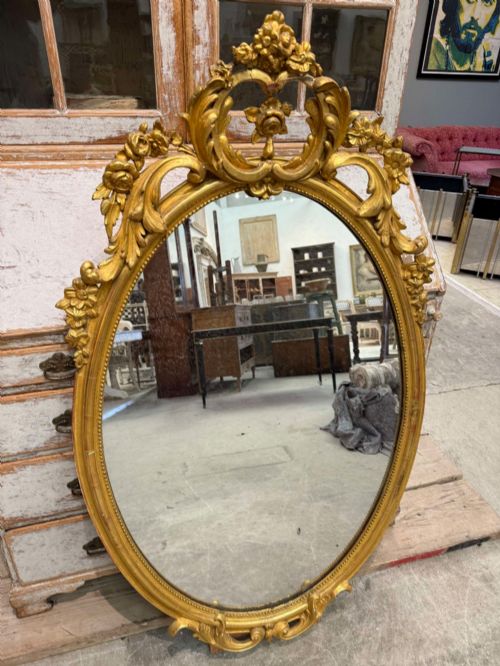
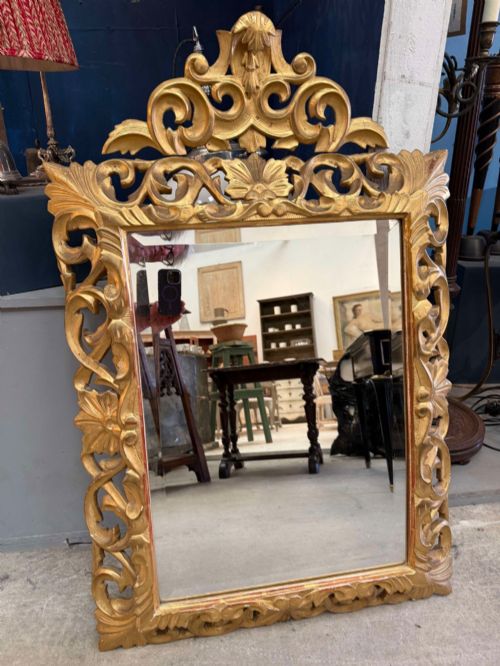
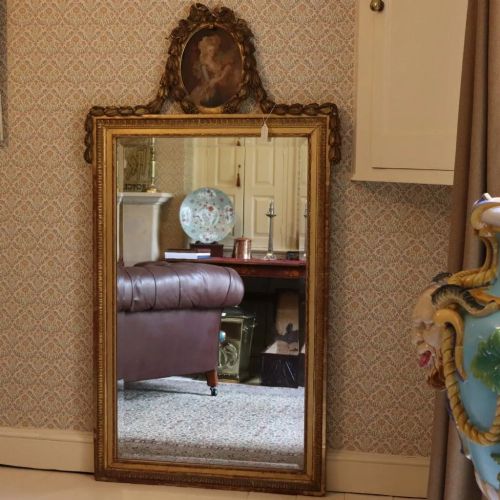
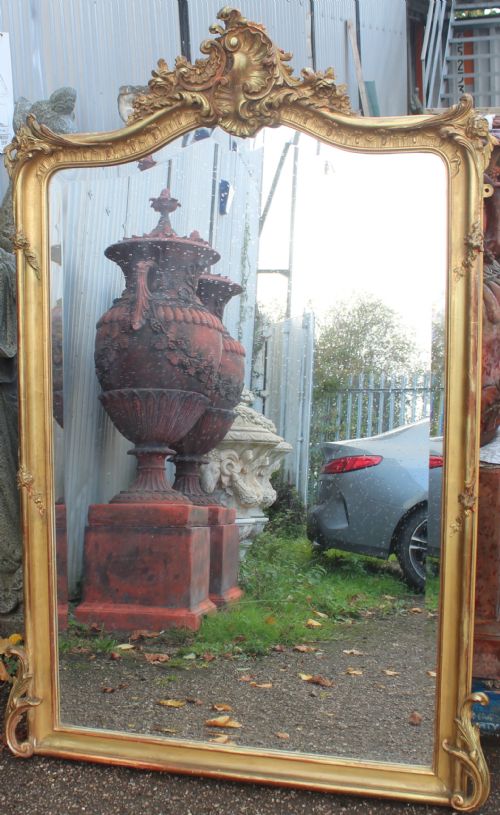
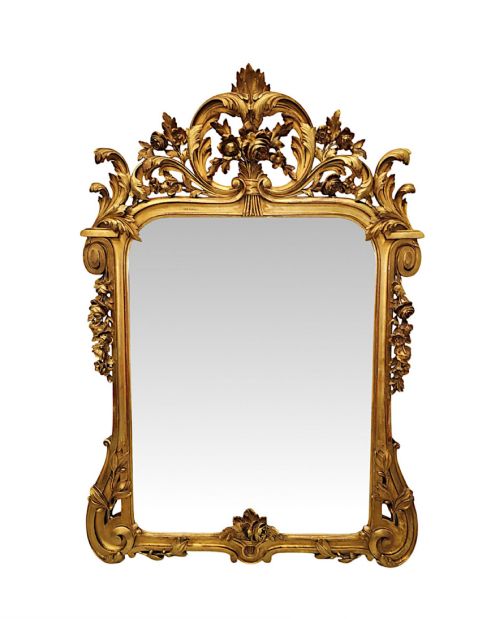
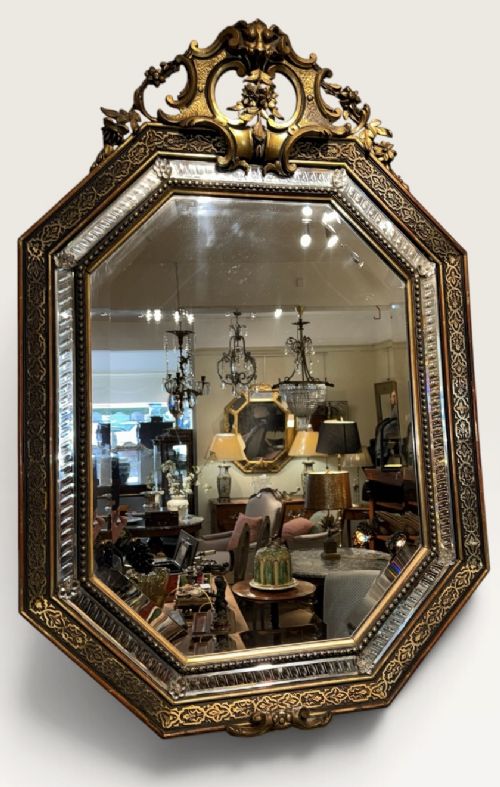
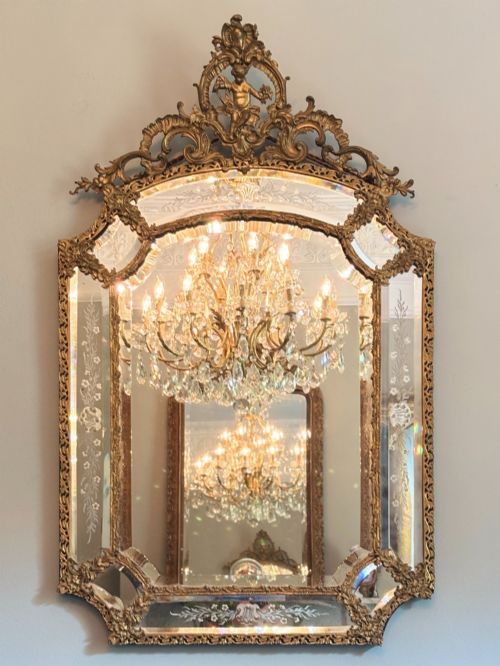
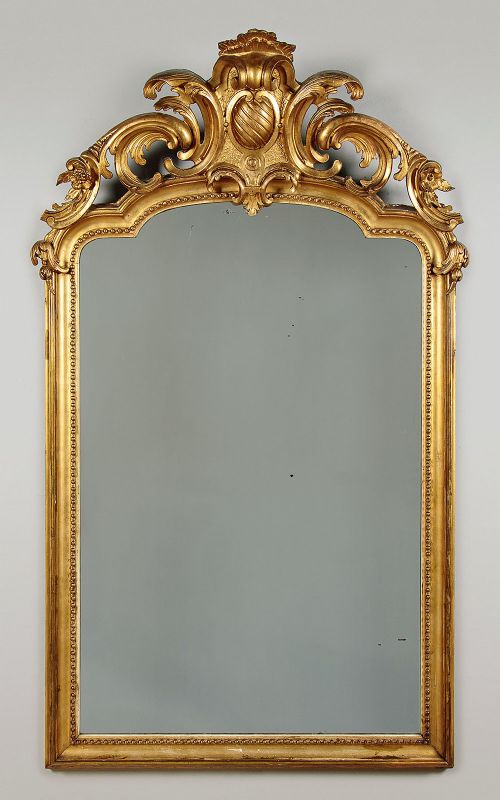
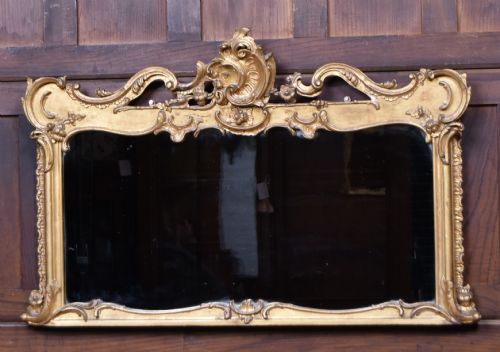
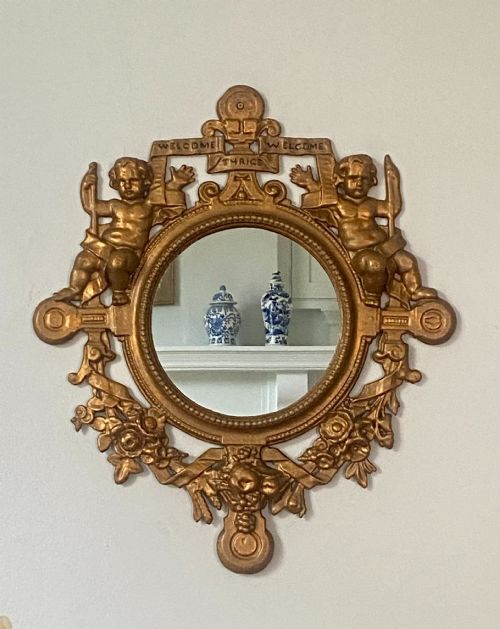
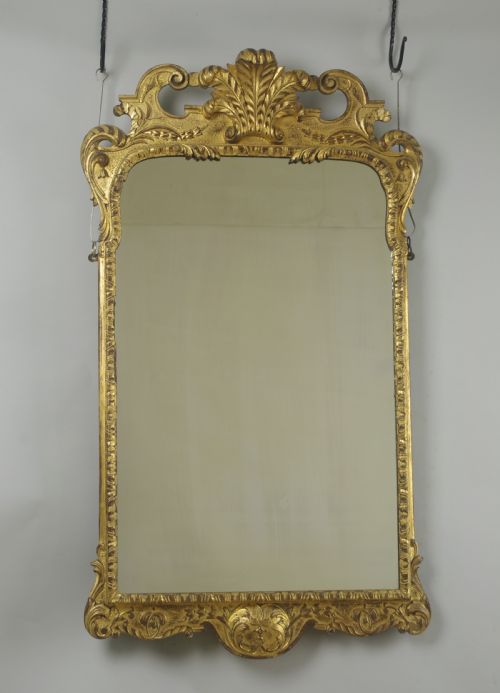
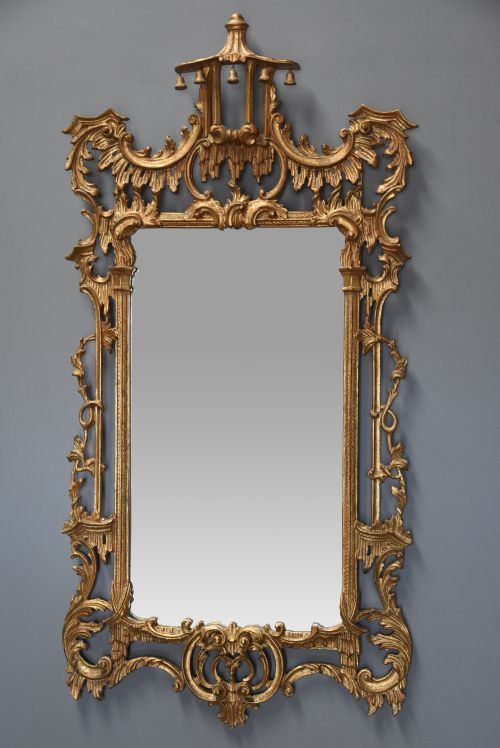
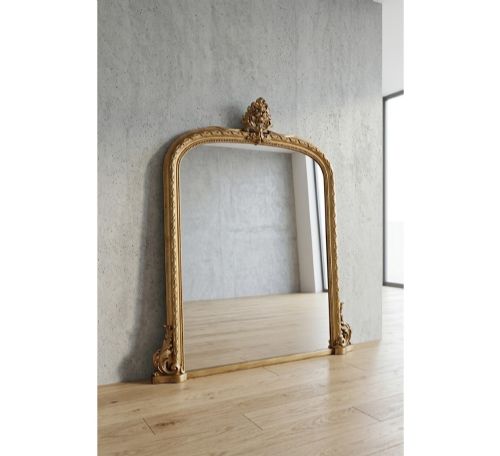
An ornate gilded frame mirror brings depth and reflective warmth to a room through carved detail and radiant gold leaf.
Ornate Gilded Frame Mirror
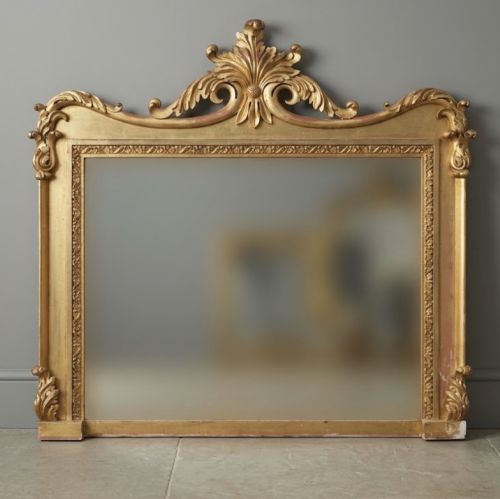
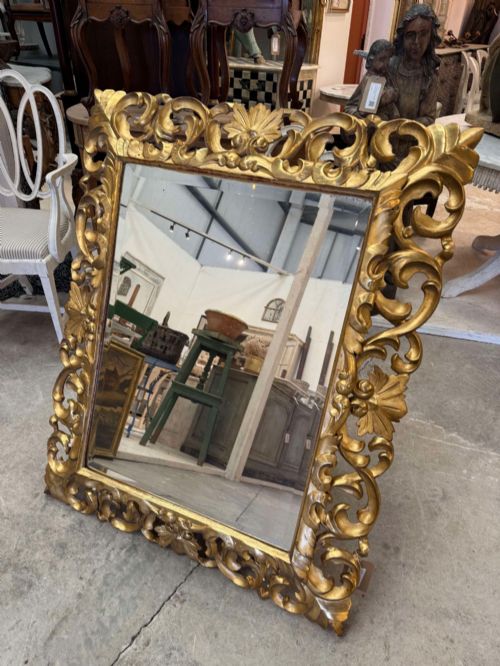
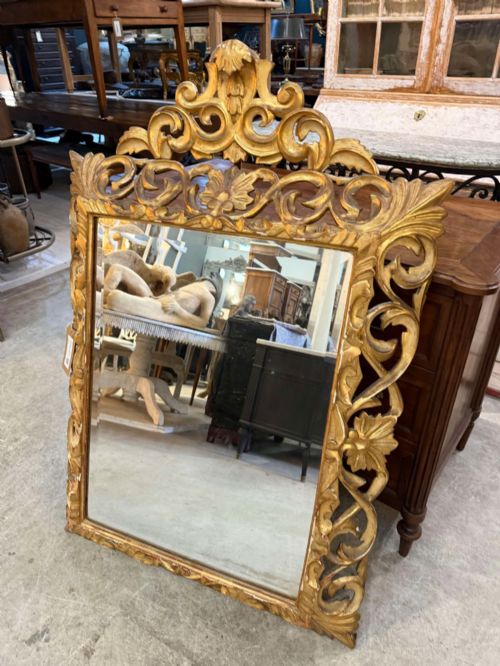
An ornate gilded frame mirror is primarily found in forms such as wall mirrors, overmantel mirrors, and pier glasses dating from the eighteenth century through to the early twentieth century. Buyers seeking this search phrase encounter French Rococo and Italian Florentine designs alongside English Victorian interpretations.
The selection ranges from large architectural overmantel pieces designed for mantelpieces to smaller wall-hanging table mirrors and dressing mirrors. Giltwood, gesso, and carved timber dominate the forms, reflecting periods influenced by Louis XV and Louis XVI revivals.
Materials and Techniques
Carved wood and moulded composition or gesso provide the structural relief beneath the surface, shaped into elaborate scrolls, leaves, and crests. Artisans applied gold leaf or oil gilt over prepared grounds to create the reflective metallic finish.
Mirrors often retain antique glass plates, sometimes showing foxing or age spots from oxidation over time. Frames employ traditional joinery, with certain pieces incorporating gilt bronze or silver-gilt elements.
Ornate Gilded Frame Mirror Retail Price Guide 2026
Typical asking prices for ornate gilded frame mirror among the pieces listed under this phrase on Sellingantiques today, from the lower quarter to the upper quarter. They describe what is for sale here now, not the wider market.
An olive green wall mirror with a ribbon crest proves that nineteenth-century decorators enjoyed pastel accents just as much as gold leaf.
Judging Quality
The crispness and depth of the hand-carved detail distinguish finer examples from standard moulded work. High-quality pieces show careful modelling in the gesso and precise application of gold leaf rather than flat paint.
The integrity of the original frame construction and the preservation of the antique mirror plate determine the overall character and authenticity of the object.
The Ornate Gilded Frame Mirror Glossary
- Giltwood
- Timber coated with gold leaf or metal leaf. This forms the primary lustrous surface on many antique frames.
- Gesso
- A plaster-like mixture applied to wood frames to create a smooth surface for carving and gilding. It allows for intricate relief ornamentation.
- Overmantel Mirror
- A large mirror specifically designed to hang above a fireplace mantel. These pieces often feature extended horizontal proportions.
- Pier Glass
- A tall, narrow mirror designed to hang on the wall space between windows. They frequently match console tables placed below them.
- Foxing
- Natural ageing spots and discolouration within the mirror glass plate. This process occurs as the backing degrades over decades.
Ornate Gilded Frame Mirror: Frequently Asked Questions
Where should I hang an overmantel mirror?
These large mirrors traditionally sit directly above a fireplace mantel to reflect light and anchor the room's proportions.
They also work effectively on main living room walls opposite large windows to maximise natural illumination.
What is foxed glass?
Foxed glass refers to the speckled ageing and dark spots that develop naturally on antique mirror plates over generations.
Many collectors value this characteristic because it proves the glass is original to the period.
How do I identify a Florentine frame?
Florentine frames typically display ornate carved scrolling foliage, classical motifs, and heavy openwork gesso ornamentation originating from Italy.
They often feature deep profiles and a rich gold leaf finish designed to catch candle or natural light.
Are these mirrors heavy?
Solid wood, gesso, and thick glass plates make many nineteenth-century gilded mirrors exceptionally heavy objects.
Proper wall fixings anchored directly into structural studs are essential for safe hanging.