



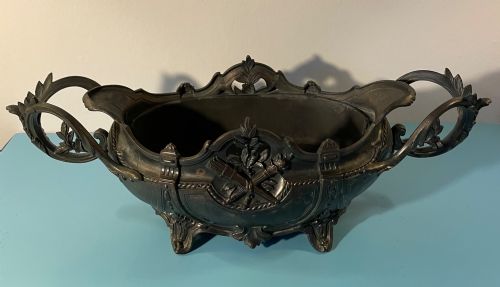
Ornate French Table
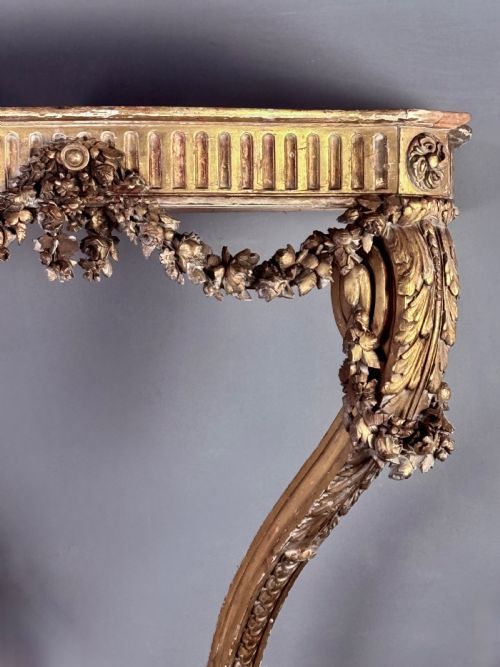
An ornate french table brings gilt surfaces, marble tops, and intricate carving into a room with the confidence of the nineteenth century.
Ornate French Table
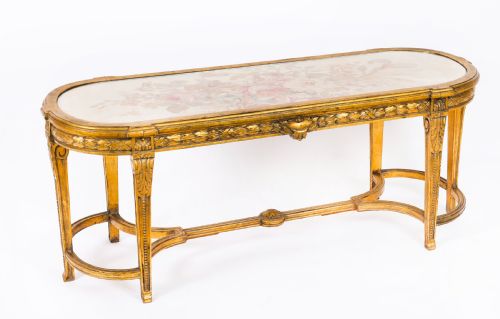
An ornate french table encompasses console tables, low coffee tables, lamp tables, and centre tables spanning periods from the nineteenth century into the twentieth.
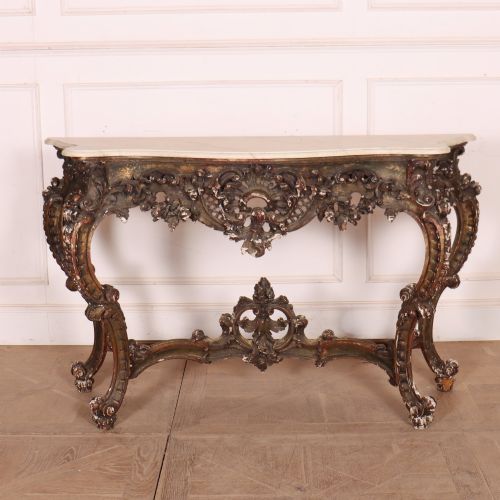
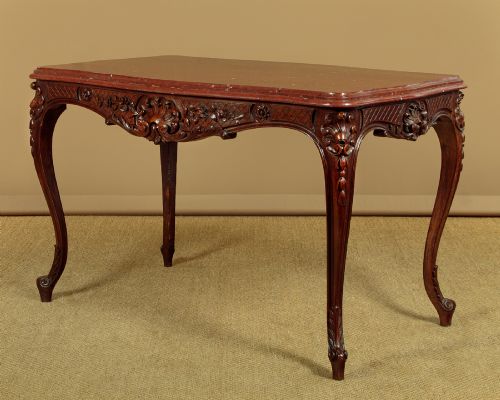
Console tables and low coffee tables dominate the selection, frequently paired with giltwood, marble tops, or carved walnut in styles such as Rococo Revival, Louis XV Revival, and French Neoclassical.
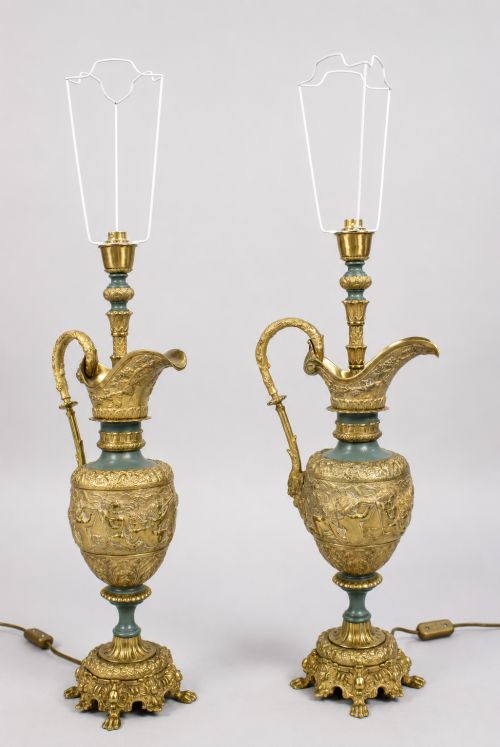
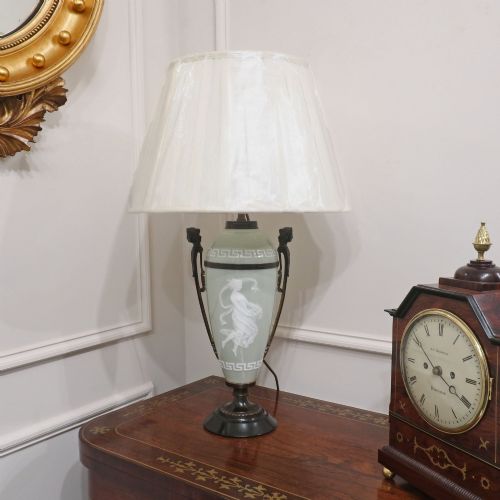
Buyers seeking an ornate french table encounter pieces ranging from serpentine front console bases to mahogany and gilded brass lamp tables.
How They Were Made
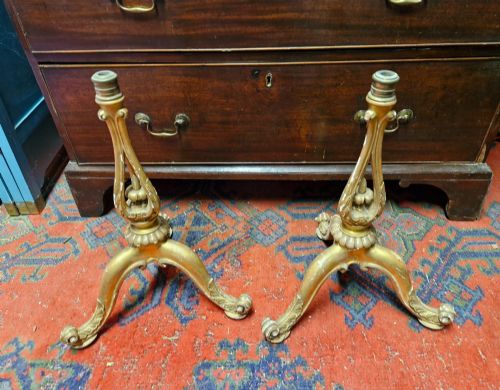
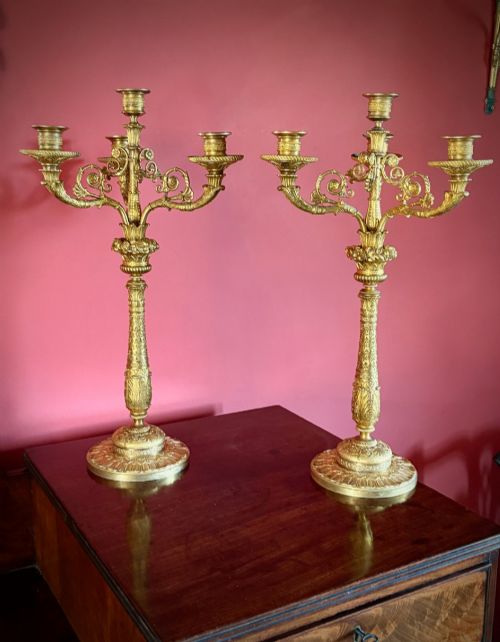
Maker workshops utilised solid and carved hardwoods like walnut and mahogany, often enhanced by giltwood, ormolu, and gilt bronze mounts.
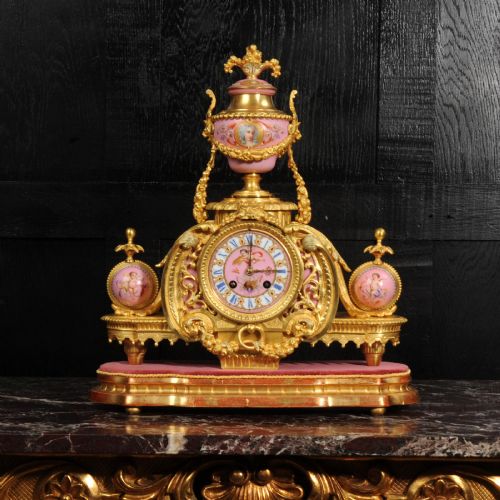
Surface treatments incorporated champlevé enamel, porcelain plaques from Sèvres, and inset marble or rouge marble tops secured to carved wooden frames.
Several tables arrive with built-in decanter caddies, proving that nineteenth-century hosts planned ahead for unexpected thirst.
What Varies in Quality
The standard of carving in the giltwood and walnut frames dictates much of the distinction, separating brisk mechanical work from deeply undercut, hand-chiselled detailing.
Material selection and execution of metalwork set tiers apart, particularly where heavy cast ormolu, hand-painted porcelain panels, and polished solid marble tops meet.
Achille Brocot·Samuel Marti·Felix-Alfred Ternisien·Thiebaut Freres
The Ornate French Table Glossary
- Ormolu
- Gilded bronze or brass applied to furniture mounts and decorative objects. This technique involves mercury gilding on bronze to achieve a rich golden lustre.
- Console table
- A table designed to be fixed against a wall, frequently supported by two front legs or brackets. These pieces often feature elaborate carved frames and marble tops.
- Giltwood
- Wood that has been treated with gold leaf or gesso and gold paint. It provides the brilliant reflective surfaces seen on revival period frames.
- Rouge marble
- A deep red limestone with white or grey veining used extensively for tabletops. It adds considerable weight and a polished surface to console and centre tables.
- Champlevé
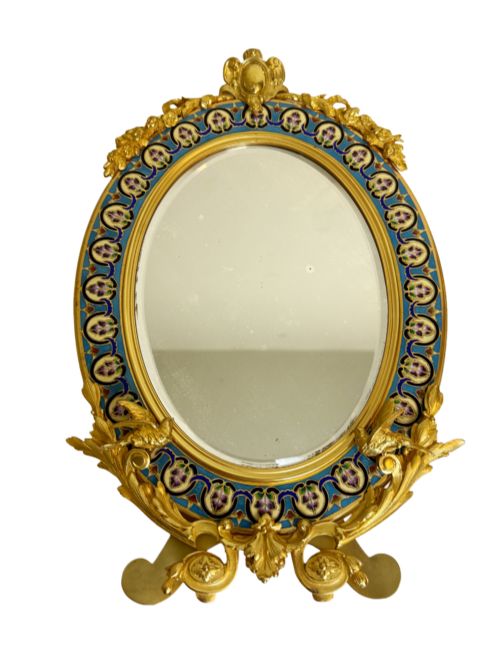
- An enamelling technique where troughs are dug into a metal surface and filled with vitreous enamel. This method decorates clocks, mirrors, and metalwork.
Ornate French Table: Frequently Asked Questions
How do I identify a revival period table?
Revival pieces draw upon Louis XV, Louis XVI, or Neoclassical design vocabularies through specific ornament, such as scrolling foliage, cabriole legs, and symmetrical gilt mounts. Examining the construction timber and the crispness of the carving helps distinguish nineteenth-century interpretations from earlier originals.
Makers working in these revival styles often utilised contemporary industrial methods alongside traditional hand-carving, resulting in substantial walnut or giltwood frames designed for formal nineteenth-century interiors.
Where should I place a console table?
Console tables function best against a primary wall in a hallway, drawing room, or dining space, frequently paired with a matching wall mirror or hung artwork. Because many historical examples were designed to be secured to the wall for stability, checking the freestanding balance of the base is essential.
Lighter lamp tables and occasional tables offer more flexibility, moving easily beside seating or beneath decorative lighting.
How should I care for giltwood and ormolu?
Giltwood and ormolu require gentle dusting with a dry, soft cloth to prevent the accumulation of grit in the intricate recesses of the carved or cast ornament. Avoid liquid cleaners, polishes, and abrasive cloths, which can strip the delicate gold leaf or damage the underlying bronze and brass.
Maintaining a stable room environment away from direct sunlight and excessive humidity protects both the gilded surfaces and the structural integrity of the underlying timbers.