




Ornate Bronze Table Lights
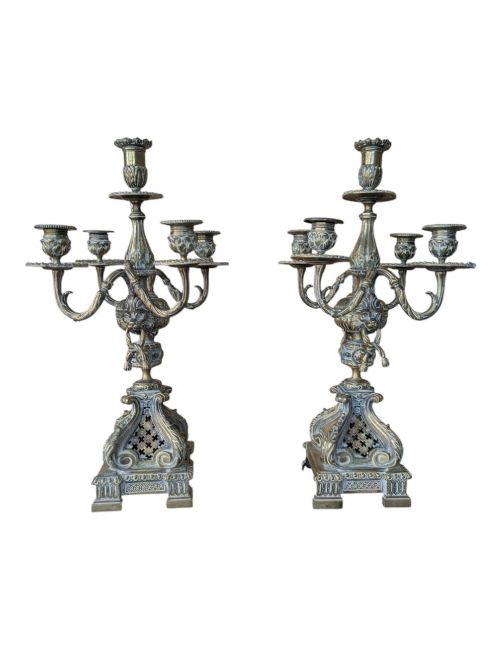
These ornate bronze table lights bring heavy casting and gilded surface detail to a room, offering functional illumination alongside decorative weight.
Ornate Bronze Table Lights
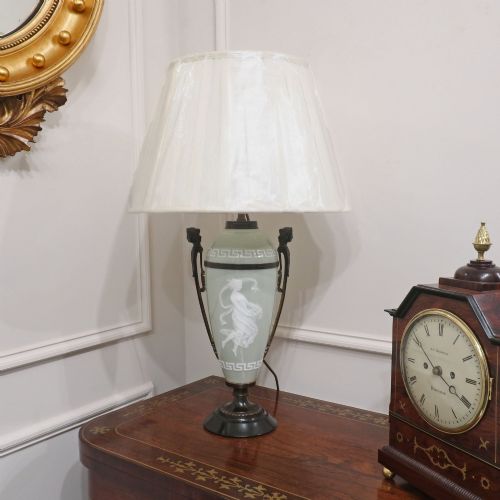
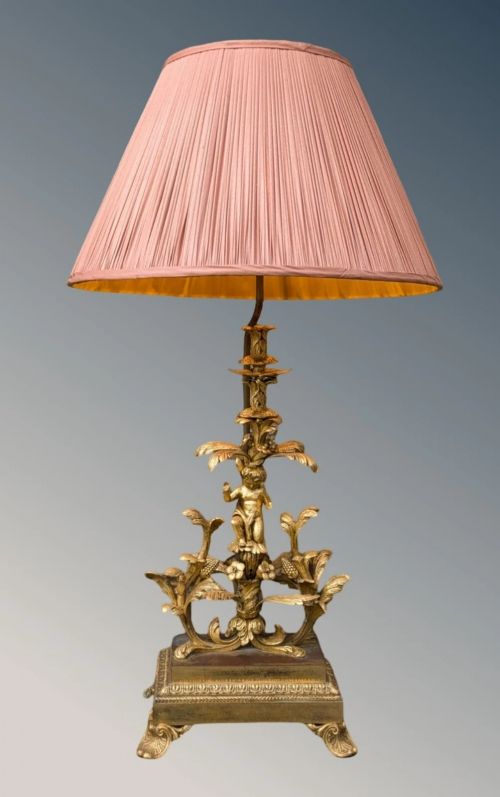
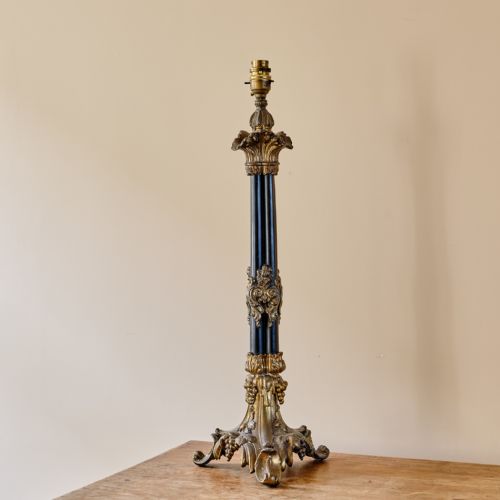
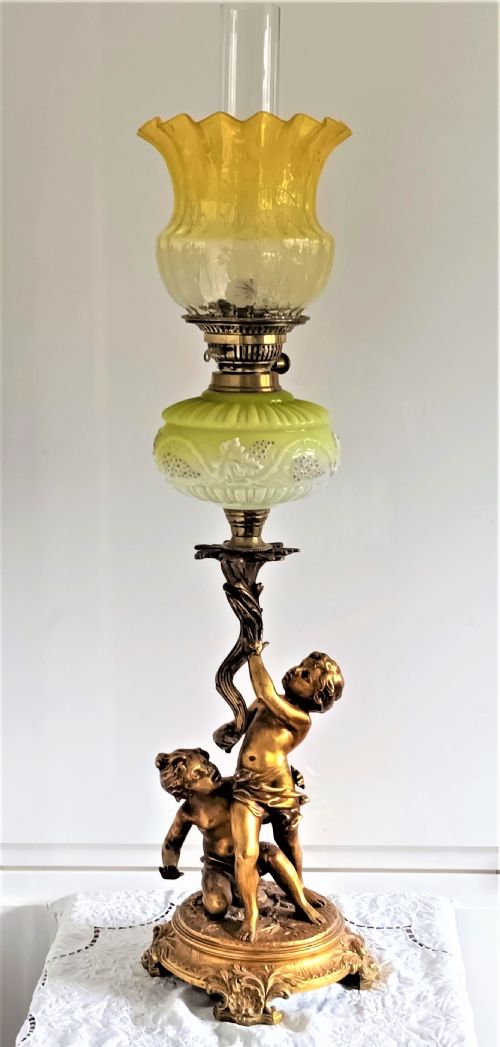
When you search for ornate bronze table lights, you encounter heavy metal illumination pieces designed primarily during the nineteenth century and the early twentieth century. The selection spans distinct forms, including candelabra, converted oil lamps, candled candlesticks, and electrified table lamp bases.
French designs dominate the selection, heavily influenced by Rococo Revival, Neoclassical, and Empire styles. Makers frequently incorporated figural elements, cherubs, and animals alongside architectural or floral motifs.
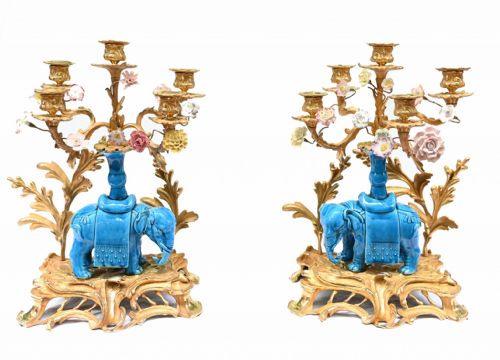
Materials extend beyond plain metal into mixed media compositions. You meet pieces mounted on marble plinths, accented with porcelain, or fitted with crystal drops and fabric shades.
Materials and casting methods
Foundries utilised lost-wax and sand-casting techniques to shape bronze, brass, and spelter into intricate relief patterns. Artisans then applied mercury gilding, ormolu, or surface lacquer to achieve rich metallic lustres.
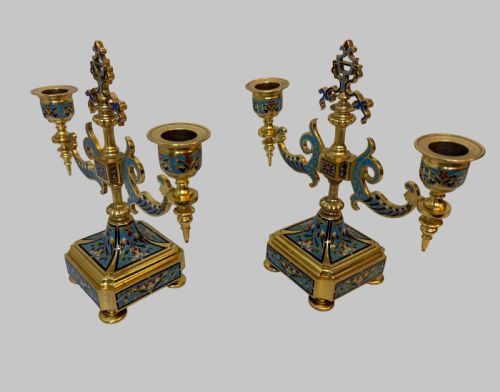
Many items incorporate contrasting substances to enhance texture. Marble bases provide weight and stability, while champlevé, cloisonné enamel, and pate sur pate porcelain introduce complex colour and pattern into the metal framework.
Bronze elephants occasionally support your candelabra branches, proving that nineteenth-century casting rooms possessed a wonderfully imaginative wildlife policy.
Distinctions in craftsmanship
Weight and structural integrity also divide the range. Substantial multi-branch candelabra and heavy marble-mounted lamps indicate denser metal and more robust internal construction than hollow or thin-walled alternatives.
Auguste Cain
The Ornate Bronze Table Lights Glossary
- Ormolu
- Gilt bronze produced by applying a mercury and gold amalgam to a bronze base and heating it until the mercury vaporised. This technique creates a durable, warm golden finish seen on French candelabra.
- Champleve
- An enamelling technique where troughs are dug into the surface of the metal and filled with vitreous enamel before firing. It creates vibrant coloured patterns across bronze candlesticks.
- Candelabra
- A branched lighting fixture designed to hold multiple candles or bulbs. These items often feature removable branches or sconces.
- Spelter
- A zinc alloy used as a cheaper, lighter alternative to bronze. It accepts metallic paints and gilt finishes effectively while remaining softer and easier to cast.
- Cloisonne
- Enamelling work where metal wires are soldered to a bronze body to form compartments that hold coloured paste. The piece is then fired and polished smooth.
Ornate Bronze Table Lights: Frequently Asked Questions
What is the difference between ormolu and gilt bronze?
Ormolu specifically refers to historic mercury gilding on bronze, creating a distinct, deep golden lustre through fire-gilding methods.
Gilt bronze is a broader term that encompasses various modern and historic plating techniques applied to a bronze substrate.
Were these lamps originally electrified?
Most pieces started life as candle holders, oil lamps, or altar sticks. Many later underwent conversion to electricity during the twentieth century.
Original oil lamps and candle fixtures often retain their burners, wells, or sockets beneath modern wiring.
How do I identify French revival styles?
French Rococo revival pieces feature asymmetric scrolls, naturalistic floral motifs, and flowing organic lines. Neoclassical and Empire designs rely on strict symmetry, classical urns, columns, and military trophies.
Inspect the casting detail to determine whether the maker leaned towards exuberant curves or disciplined classical geometry.
Where should I place a heavy bronze light?
These substantial pieces require sturdy sideboards, large desk surfaces, or heavy occasional tables capable of supporting significant metal and marble weight.
Keep them away from damp areas to protect the gilt surfaces and delicate enamel work from deterioration.