




Ornate Bronze Mantel Clock
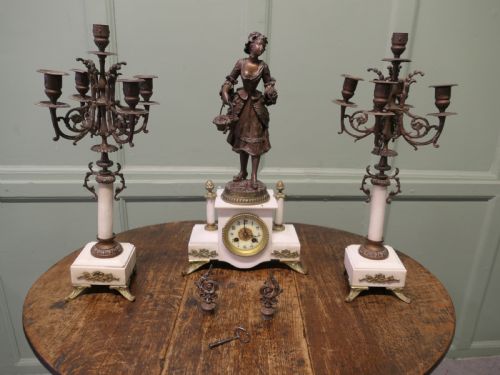
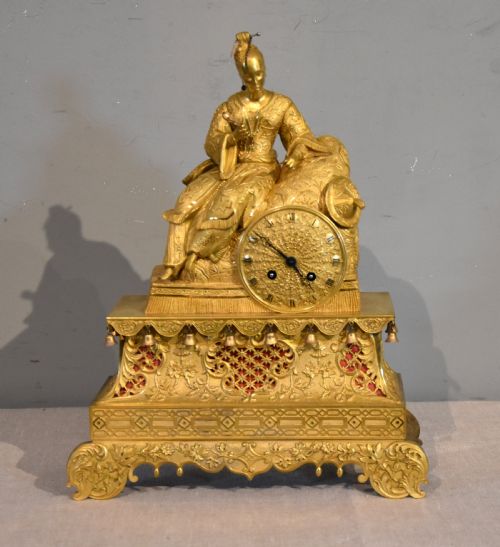
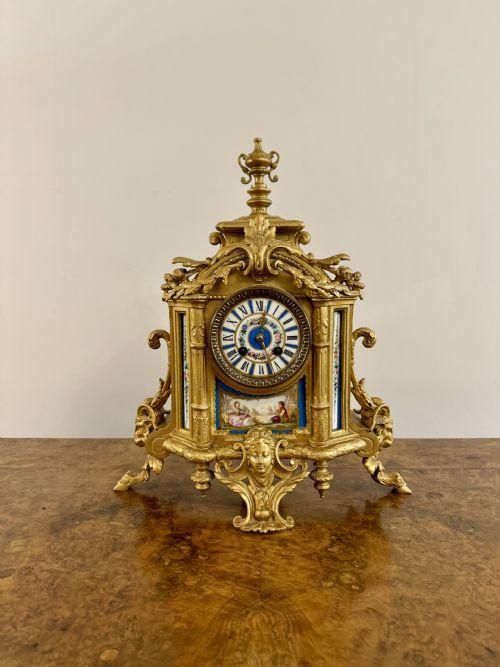
An ornate bronze mantel clock brings heavy nineteenth-century presence to a room, combining architectural weight with intricate cast detail.
Ornate Bronze Mantel Clock
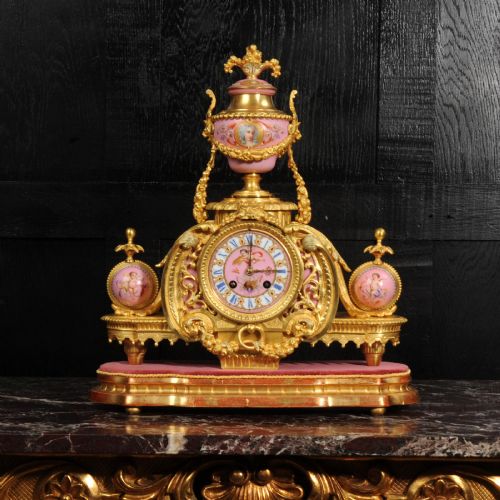
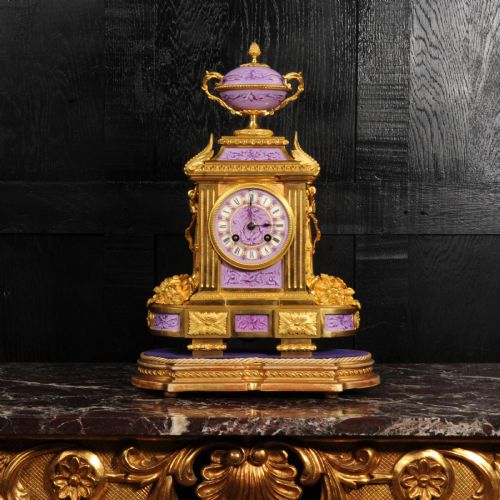
An ornate bronze mantel clock is typically a nineteenth-century French production, appearing in styles ranging from Louis XVI revival to exuberant Rococo. These pieces combine substantial cast metal bodies with enamel dials, glass panels, or porcelain plaques.
Most examples originate from the Victorian era and span the middle decades of the nineteenth century up to nineteen hundred. Buyers encounter mantel clocks, portico timepieces, desk clocks, and larger garniture sets complete with matching side ornaments.
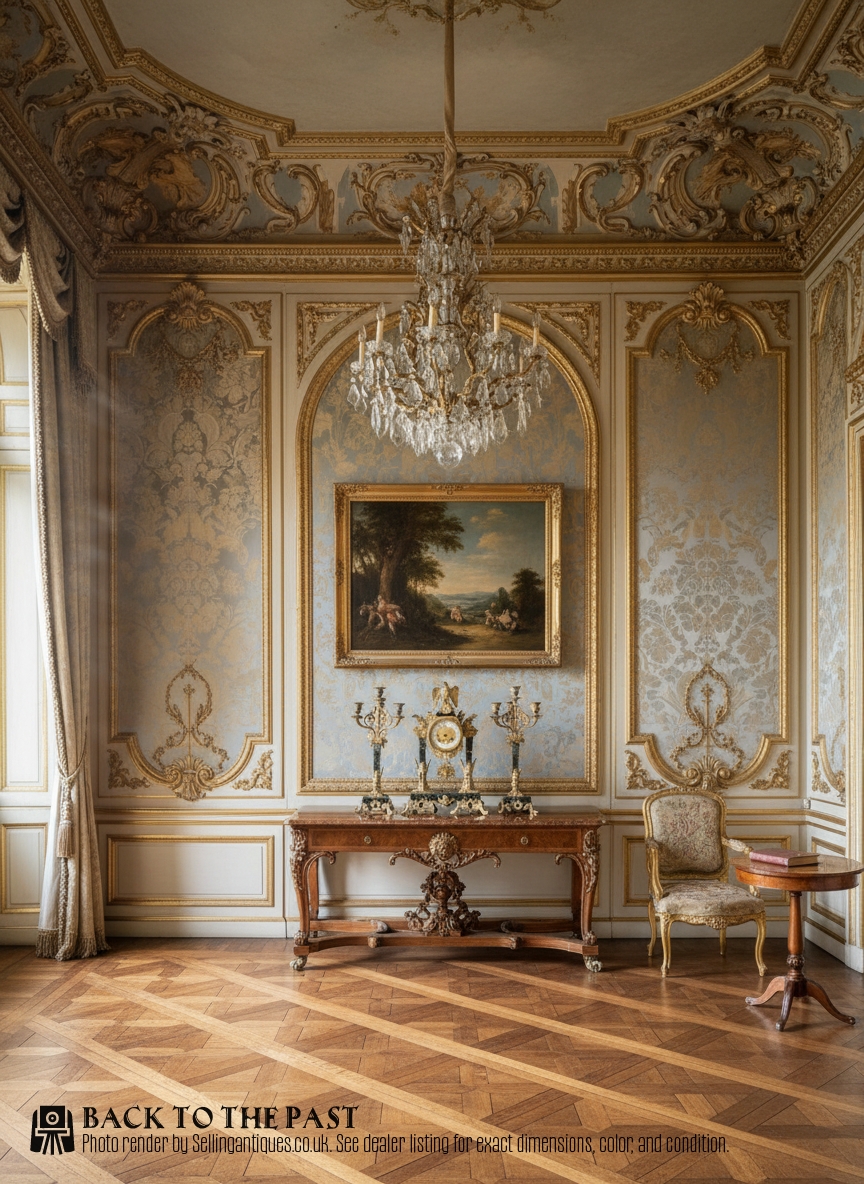
The aesthetic leans heavily into classical revivalism, incorporating gilt bronze, ormolu, marble, and brass mounted framework. These heavy timekeepers served as centrepieces for formal rooms, designed to dominate a mantelpiece through sheer sculptural density.
Materials and Construction
Foundries utilised bronze, brass, and ormolu to construct the primary chassis, applying fire gilding or chemical patination to achieve the desired metallic finish. Skilled artisans cast these metals in complex, asymmetrical moulds, allowing for high relief scrollwork and figural elements.
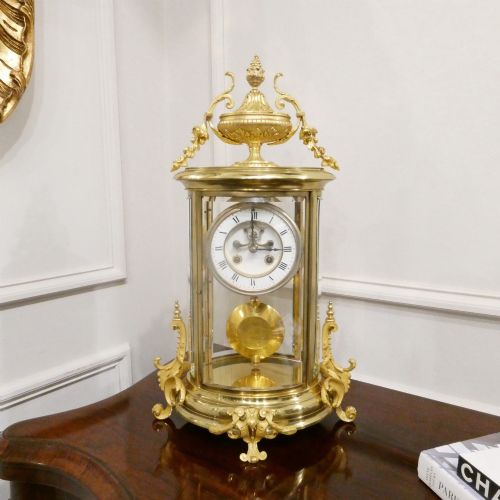
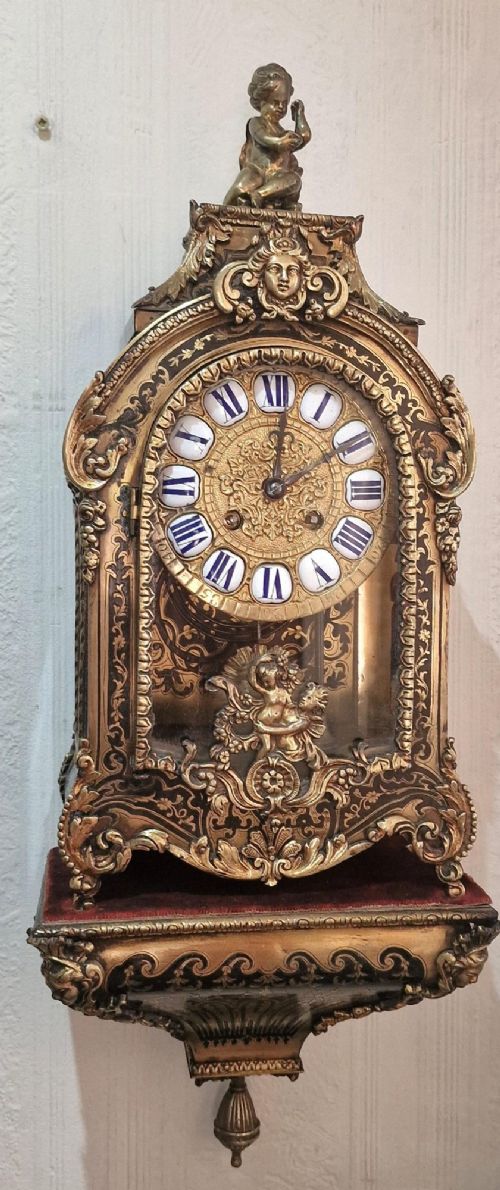
Many specimens incorporate inset Sèvres porcelain panels, champlevé enamel work, or polished red and black marble bases. Glass panels often protect the movement in four-glass designs, while tortoiseshell veneer provides the decorative surface in Boulle style pieces.
Materials recorded in these listings span bronze, brass, ormolu, enamel, porcelain, glass, and marble.
Distinctions in Execution
The depth and crispness of the cast ornamentation dictate the visual success of the piece, as sharp, hand-chased surface details separate superior castings from softer, mass-produced alternatives. The integration of the dial material, whether painted enamel or individually numbered porcelain cartouches, also signals the standard of production.
A maker signed movement by established horologists elevates the standing of a clock, linking the metalwork directly to reputable nineteenth-century workshops. The harmony between the decorative housing and the functional movement determines whether a clock functions as a unified work of art.
Achille Brocot·Samuel Marti·Japy Freres·William Payne
The Ornate Bronze Mantel Clock Glossary
- Ormolu
- Gilded bronze produced by applying a mercury and gold amalgam to the base metal before heating. This technique creates a durable, bright golden surface characteristic of fine French pieces.
- Garniture set
- A mantel clock accompanied by matching side ornaments such as urns or candelabra. These matched groupings create a balanced decorative arrangement on a fireplace.
- Champlevé
- An enamelling technique where troughs are dug into the metal surface and filled with vitreous paste before firing. The resulting coloured patterns sit flush with the surrounding brass or bronze frame.
- Portico timepiece
- A clock housed within a architectural frame supported by four pillars. This distinct neoclassical form gained popularity during the nineteenth century.
- Boulle
- A marquetry method utilising brass inlaid into dark tortoiseshell. Named after a cabinetmaker to Louis XIV, this technique adorns elaborate bracket and mantel clocks.
Ornate Bronze Mantel Clock: Frequently Asked Questions
How do these clocks wind?
Most nineteenth-century mechanical movements require a key to tension the springs within the brass plates. Owners insert the winding key into specific holes on the enamel dial.
Depending on the gear train, this process happens once a week or runs for eight days between windings.
Where were they made?
The vast majority originate from French workshops, particularly in Paris and surrounding manufacturing regions. Makers exported these decorative timepieces across Europe and Britain.
A smaller proportion comes from English makers based in London.
What is a clock garniture?
A garniture consists of a central timepiece flanked by two matching decorative objects, such as urns or vases. These sets were designed to sit together as a unified mantelpiece display.
Materials match across the entire set, using consistent marble, bronze, or porcelain.
How do I identify the period?
Stylistic cues such as heavy gilt bronze scrollwork point towards Napoleon III or Rococo Revival tastes of the mid to late nineteenth century. Maker signatures on the movement backplate provide a reliable guide to the active years of the workshop.
Materials like red marble and champlevé enamel also align with Victorian era production dates.