


Gilded Bronze Clock Set
These gilded bronze clock set pieces bring nineteenth-century French elegance and matched side garnitures into a room, offering striking decorative symmetry on a mantelpiece.
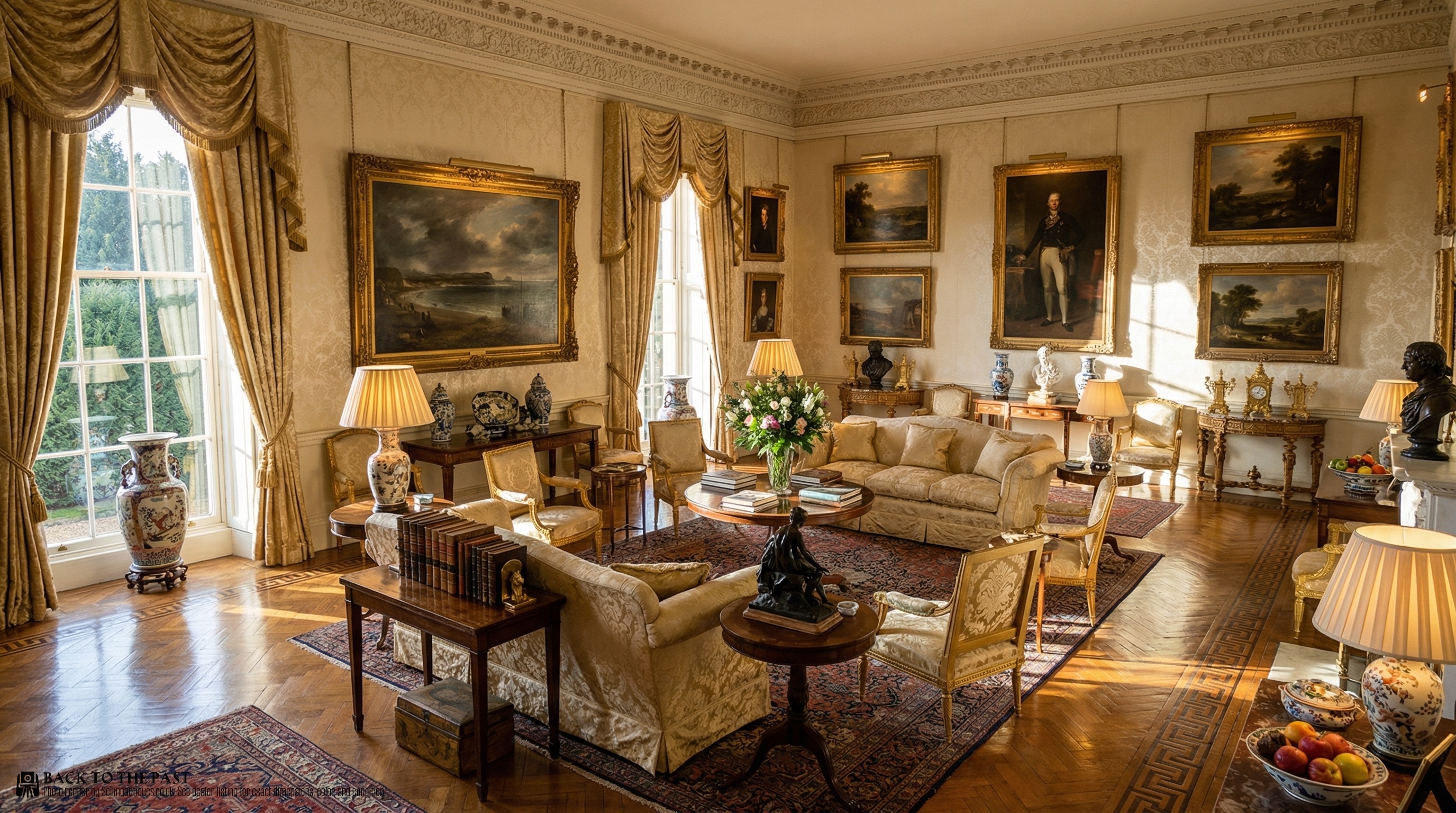
Gilded Bronze Clock Set
A gilded bronze clock set comprises a central mantel clock accompanied by matching side garnitures or candelabra, forming a unified decorative arrangement for the interior. These sets originate predominantly from nineteenth-century France, reflecting periods such as the Victorian era, the Napoleon III epoch, and the late nineteenth century.
The aesthetic draws heavily on historical revivals, with Louis XVI style, French Empire, and French Rococo Revival dominating the forms. Buyers frequently encounter three-piece configurations that pair a central timepiece with matching ornaments designed to display in unison on a fireplace mantel or sideboard.
The overarching design language spans neo-classical symmetry and ornate rococo curves, capturing the opulent interior tastes of nineteenth-century Paris workshops. Such assemblies transform a functional clock into a commanding decorative focal point for a room.
What varies in quality
The calibre of a gilded bronze clock set depends heavily on the crispness of the bronze casting and the depth of the original ormolu gilding. Superior examples exhibit finely chased surface details where individual botanical or architectural motifs remain sharp and well-defined.
The integration of mixed materials such as marble bases, hand-painted porcelain panels, and intricate enamel dials marks the distinction between standard production and exceptional workshop output. Signed movements from established Paris makers elevate the standing of a set significantly compared to unsigned equivalents.
Gilded Bronze Clock Set Retail Price Guide 2026
Typical asking prices for gilded bronze clock set among the pieces listed under this phrase on Sellingantiques today, from the lower quarter to the upper quarter. They describe what is for sale here now, not the wider market.
Some sets required three separate mantels to hold the family, though the clock usually won the argument.
VINCENTI of PARIS·Deniere Paris·Japy Freres
The Gilded Bronze Clock Set Glossary
- Ormolu
- A gold-coloured alloy of copper and zinc applied to bronze objects to simulate solid gold. This technique defines the bright metallic finish seen across nineteenth-century French decorative metalwork.
- Garniture
- A matched set of ornamental objects designed to be displayed together, typically consisting of a central clock flanked by two matching vases, urns, or candelabra. Such sets created balanced symmetry on formal nineteenth-century mantelpieces.
- Chamlevé enamel
- An enamelling technique where troughs are gouged into a metal surface and filled with vitreous enamel powder before firing. This method produced durable coloured patterns on clock cases and garniture mounts.
- Napoleon III
- A mid-nineteenth-century French design period characterised by eclectic revivals of historic styles and opulent ornamentation. Pieces from this era often combine heavy gilding with rich materials like marble and porcelain.
- Mantel clock
- A portable household clock designed to sit upon the shelf or mantel above a fireplace. These timepieces formed the central anchor of larger decorative garniture sets.
Gilded Bronze Clock Set: Frequently Asked Questions
What is a clock garniture?
A clock garniture is a matched suite consisting of a central mantel clock and two matching side pieces, such as urns or candelabra. These sets were designed to create a balanced decorative arrangement on a fireplace mantel.
The side pieces echo the materials, ornamentation, and style of the main clock to present a unified aesthetic across the entire furniture surface.
How do I identify Louis XVI style?
Louis XVI style pieces display classical symmetry, straight architectural lines, and refined ornamentation derived from ancient Greek and Roman forms. You will often see urn motifs, laurel wreaths, and restrained geometric framing.
Unlike the flowing asymmetry of earlier rococo designs, this revival style prioritises order, balance, and classical proportion in its bronze mounts.
Where were these clock sets made?
The majority of these decorative clock sets originated in France during the nineteenth century, with many produced by specialised workshops in Paris. Prominent makers operated large foundries and assembly studios there.
Parisian makers supplied these elaborate garnitures to domestic and international markets seeking French interior fashion.
How do I care for gilded bronze?
Gilded bronze and ormolu surfaces require gentle maintenance to preserve the delicate metallic finish. Dusting with a soft, dry cloth prevents the accumulation of grime without abrading the thin gold layer.
Avoid harsh chemical cleaners, polish liquids, or abrasive cloths, as these substances can strip away the historic gilding permanently.