



Ornate Brass Candle Stand
These ornate brass candle stand options bring substantial metalwork and period illumination into a room, offering both decorative presence and functional light.
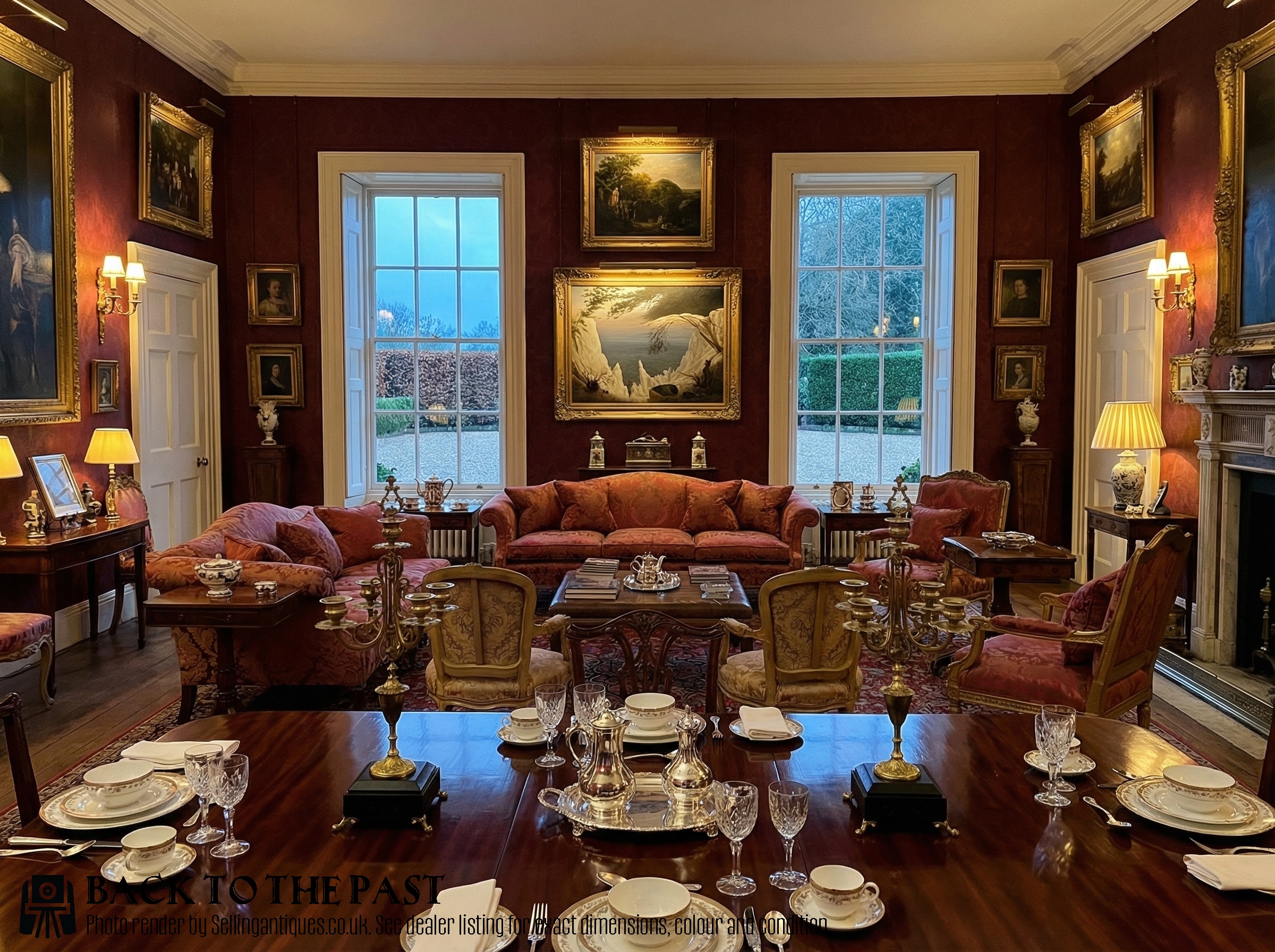
Ornate Brass Candle Stand
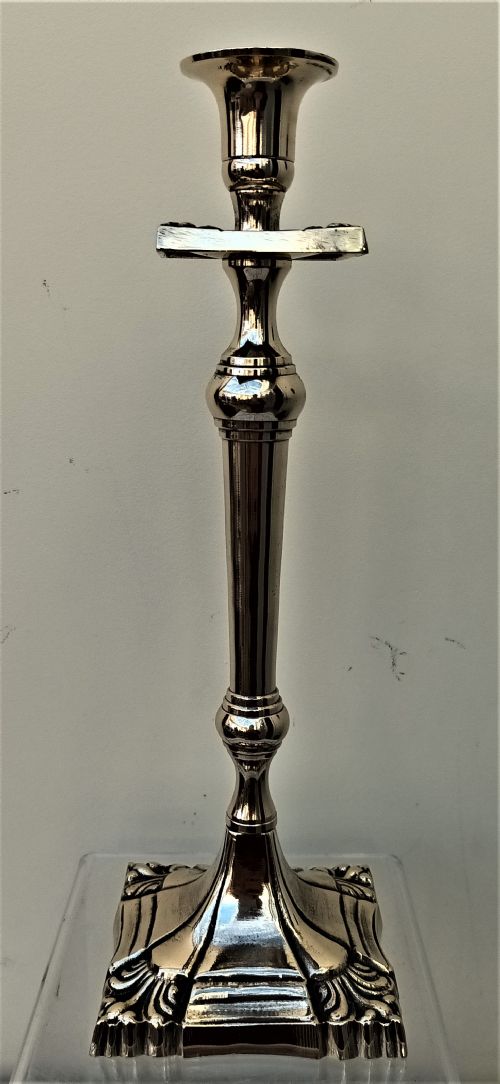
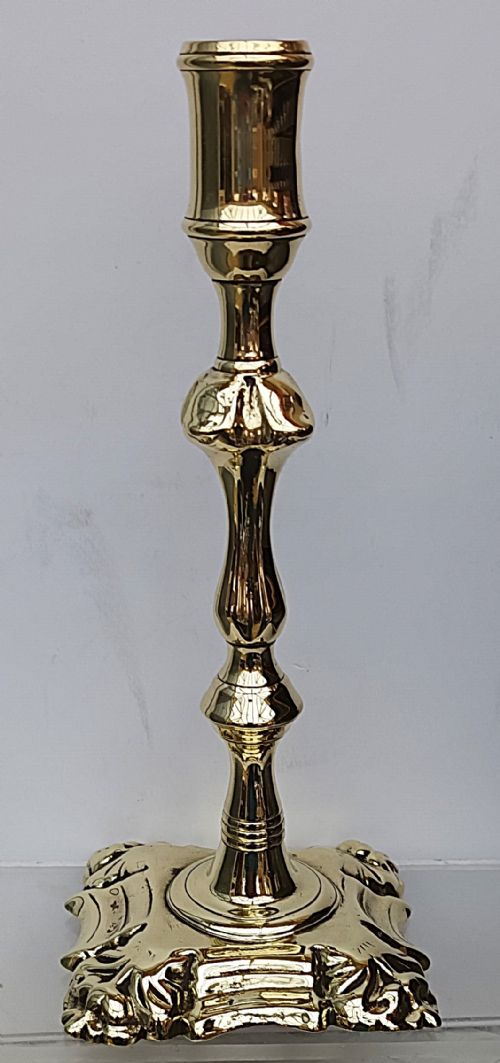
An ornate brass candle stand covers everything from single candlesticks to multi-arm candelabra and standard lamps. The selections span the eighteenth century through to nineteen hundred, taking in Georgian, Regency, and Victorian periods.
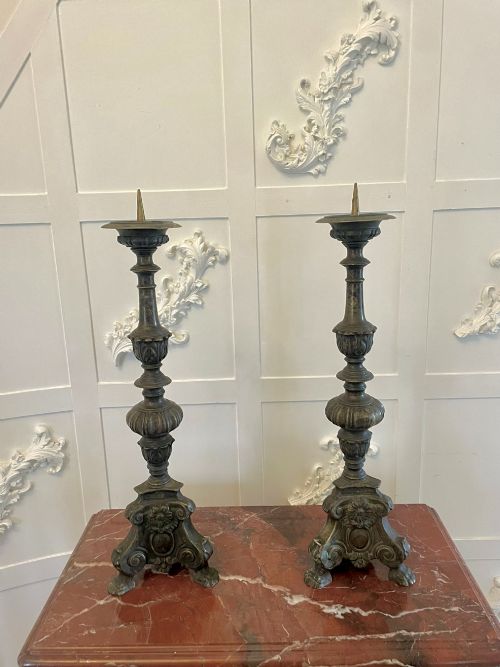
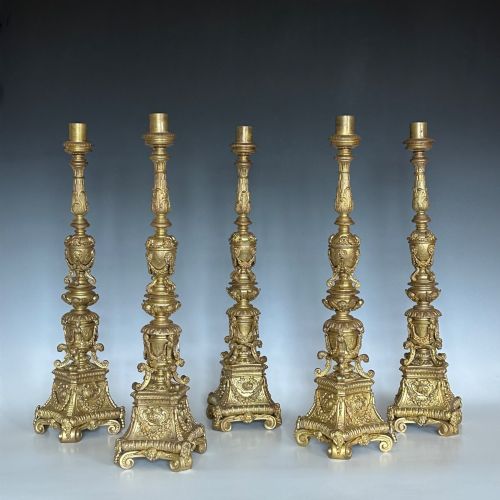
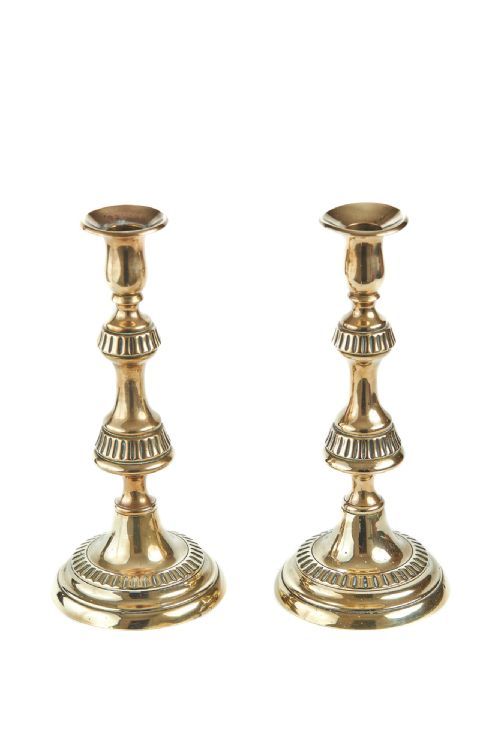
Most examples you encounter on this page are Victorian brass or gilt bronze pieces, often appearing in matched pairs. You also find Venetian, French, and Italianate interpretations alongside standard chambersticks and pricket forms.
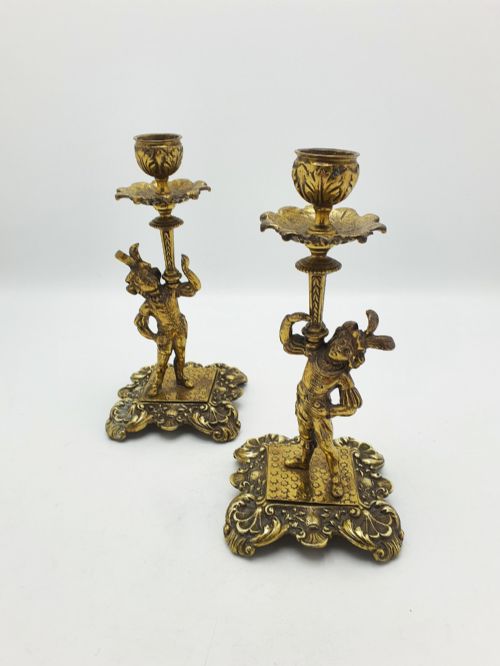
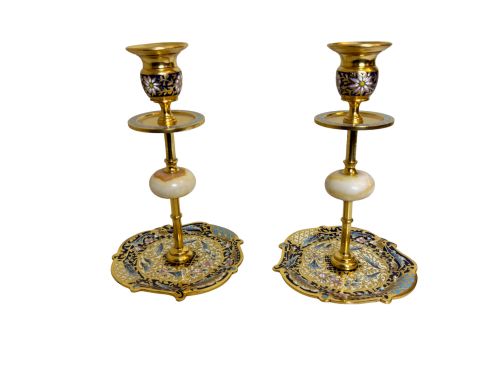
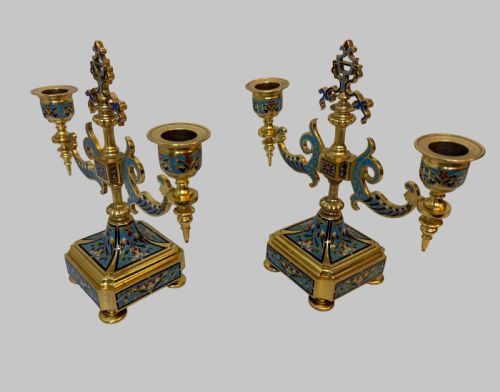
Makers utilised various metals and decorative techniques, incorporating onyx and champleve enamel into heavy cast frames. The forms range from simple domestic candle holders to grand figural stands with dancing cherubs.
How they were made
Foundry workers shaped these items using casting techniques in brass, bronze, gilt bronze, and ormolu. Molten metal poured into moulds created the heavy, intricate scrollwork and figural details seen on nineteenth-century stands.
Artisans combined different materials within a single piece, mounting metal stems onto marble bases or decorating surfaces with champleve enamel. Patinated metal and gilt finishes provided contrast against the bright yellow tone of polished brass.
Ornate Brass Candle Stand Retail Price Guide 2026
Typical asking prices for ornate brass candle stand among the pieces listed under this phrase on Sellingantiques today, from the lower quarter to the upper quarter. They describe what is for sale here now, not the wider market.
Listings feature items from the eighteenth and nineteenth centuries, spanning Georgian, Regency, and Victorian periods in brass, bronze, and gilt metal.
What varies in quality
The crispness of the cast decoration separates standard domestic items from superior studio work. Finer examples retain sharp relief in foliage and figural elements without smoothing from excessive cleaning.
Weight and structural integrity indicate the standard of construction, particularly in multi-arm candelabra that require solid support. The quality of supplementary materials, such as genuine marble bases or precise enamel work, elevates the standing of individual pieces.
The Ornate Brass Candle Stand Glossary
- Ormolu
- Gilded bronze used extensively in decorative metalwork during the eighteenth and nineteenth centuries. The technique involves applying a fine layer of gold amalgam to a bronze base.
- Champleve
- An enamelling technique where troughs or cells are sunk into the metal surface and filled with vitreous enamel. These coloured areas create rich geometric or floral patterns.
- Pricket
- A sharp metal spike on a candlestick designed to skewer the base of a candle rather than holding it in a socket. This form appears frequently on ecclesiastical and Gothic revival pieces.
- Candelabra
- A branched candlestick holding multiple lights on separate arms. They range from modest two-arm table lights to grand six-light stands.
- Chamberstick
- A short candlestick fitted with a shallow pan and a loop handle for carrying room to room. They provided portable domestic illumination before electric lighting.
Ornate Brass Candle Stand: Frequently Asked Questions
Can I burn real candles on these?
Many stands remain fully functional for holding standard taper candles during dinners or evening gatherings. Ensure the candle fits securely in the socket before lighting to prevent any sideways tilt.
Keep burning candles away from drafts and monitor them closely, especially on antique multi-arm candelabra. Clean out melted wax with warm water rather than metal tools that scratch the brass.
How do I tell Victorian pieces from earlier ones?
Georgian and eighteenth-century examples often display simpler casting methods with heavier proportions and distinct tool marks underneath. They frequently use solid cast brass without the complex applied decoration found later.
Victorian stands embrace revival styles like Gothic, Renaissance, and Rococo, frequently incorporating mixed materials such as onyx or champleve enamel. Machine-assisted finishing techniques also become apparent in the precise symmetry of late nineteenth-century work.
Where should I place a standard lamp stand?
Tall candle stands and standard lamps work effectively in corners or beside heavy period seating where they provide downward task lighting. Ensure the floor or tabletop is level because heavy metal stands require a stable base.
Keep them away from high-traffic walkways where a sudden knock could topple the heavy metal construction. Pairing them with complementary candlesticks on a nearby mantelpiece creates a balanced room display.