


Ormolu Trinket Box
An ormolu trinket box brings gilt metal and glass, porcelain or enamel together on a dressing table or desk.
Ormolu Trinket Box
An ormolu trinket box is a small container designed for jewellery, keepsakes, or snuff, heavily represented here by nineteenth-century French examples. These pieces serve as decorative receptacles for personal items, often taking the form of caskets, miniature commodes, or fitted boxes.
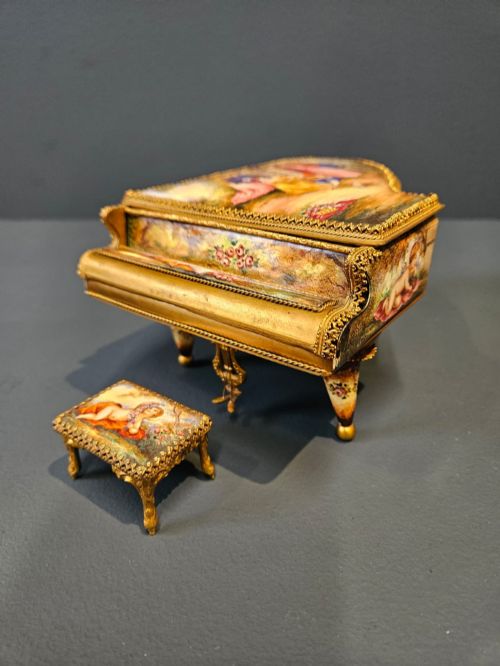
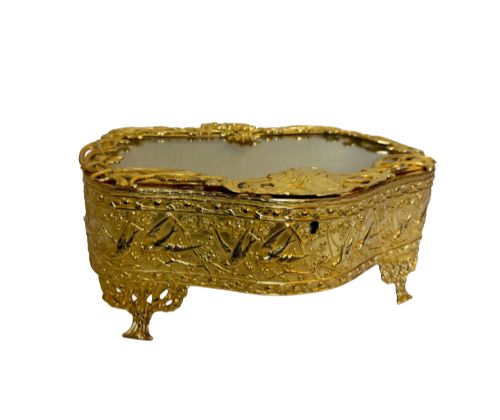
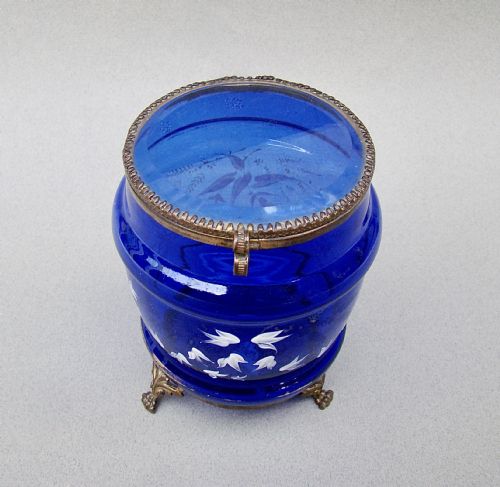
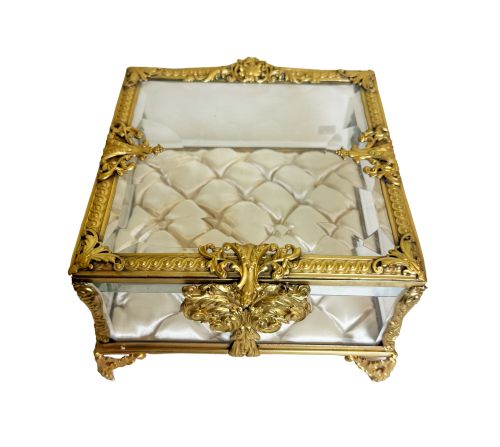
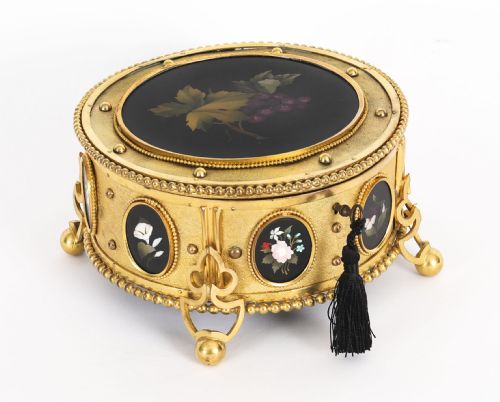
Buyers encounter everything from simple glass boxes with gilt bronze frames to elaborate caskets inset with enamel panels, pietra dura, or hand-painted porcelain portraits. These small containers reflect the decorative tastes of nineteenth-century European boudoirs and salons.
What varies in quality
Quality rests heavily on the crispness of the metal casting and the depth of the gilding on the bronze mounts. Finer examples display sharp chasing and detailed relief work rather than soft, blurred edges from worn moulds.
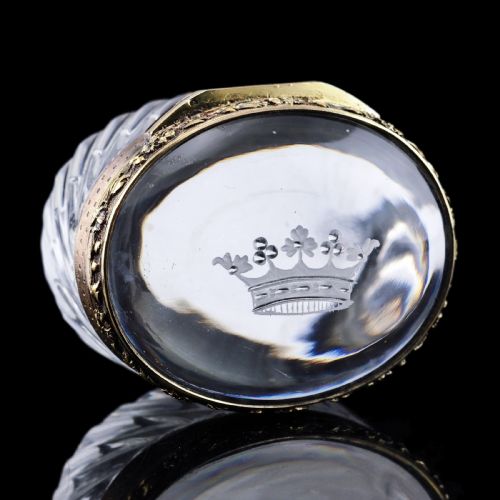
The integration of materials also defines the tier of the piece, with hand-painted porcelain plaques, signed miniatures, or heavy cut crystal bodies marking out superior craftsmanship over plain glass or standard veneers.
Listings feature items spanning the eighteenth, nineteenth, and early twentieth centuries, incorporating materials such as Sevres porcelain, Baccarat glass, and carnelian agate.
The Ormolu Trinket Box Glossary
- Ormolu
- Gilded bronze produced by applying a mercury and gold amalgam to a bronze base and heating it, or through later electroplating methods. This finish gives the metal mounts their characteristic golden sheen.
- Pietra dura
- An artistic technique of using cut and fitted, highly polished coloured stones to create geometric or figural images. It appears as flat inlay work on the lids of certain nineteenth-century caskets.
- Sevres
- A famous French porcelain manufactory whose decorated plaques and panels were frequently incorporated into the lids and sides of luxury boxes. These painted ceramic inserts often feature floral motifs or figural scenes.
- Limoges miniature
- A small, hand-painted enamel portrait or scene originating from the French city of Limoges. These delicate plaques are typically set directly into the gilt bronze lids of jewellery caskets.
- Napoleon III
- A nineteenth-century French design style spanning the reign of Napoleon III, characterised by eclectic revivals of past periods and lavish ornamentation. Pieces from this era often utilise heavy ormolu mounts on glass and porcelain.
Ormolu Trinket Box: Frequently Asked Questions
What were ormolu trinket boxes used for?
These boxes served as secure, ornamental receptacles for precious personal effects such as rings, brooches, pins, and visiting cards. Wealthy owners kept them on dressing tables, mantelpieces, or writing desks for daily use.
Beyond simple storage, they functioned as decorative objects of status that displayed the owner's taste for fine European craftsmanship and costly materials.
How do I date an ormolu trinket box?
Dating relies on identifying stylistic markers, manufacturing techniques, and the materials used in the construction. Pieces styled in the Napoleon III taste or featuring Art Nouveau sinuous lines generally point to specific decades within the nineteenth and early twentieth centuries.
The types of glass, porcelain panels like Sevres, and the composition of the bronze mounts also provide clear chronological boundaries for the object.
What is the difference between ormolu and gilt bronze?
Ormolu strictly refers to pieces gilded using a traditional mercury amalgam process that leaves a distinctive, rich golden lustre on the bronze substrate. Gilt bronze is a broader term that can include the same historical mercury-gilded items as well as pieces finished with later electrical gilding techniques.
In the context of antique boxes, both terms describe the decorative golden metal frames and mounts that encase the glass, stone, or porcelain bodies.
How should I clean an antique ormolu box?
Maintenance requires gentle dusting with a soft, dry cloth to prevent the accumulation of dirt in the crevices of the metal casting. Harsh commercial metal cleaners must be avoided, as they can strip away the historical gilding from the bronze mounts.
If the glass or stone body requires attention, a slightly damp cloth can be used carefully, ensuring moisture does not seep into old adhesives or hinges.