

Ormolu Mounted Sideboard
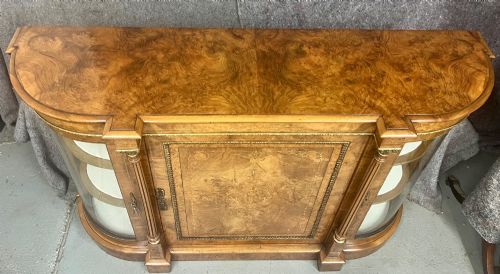
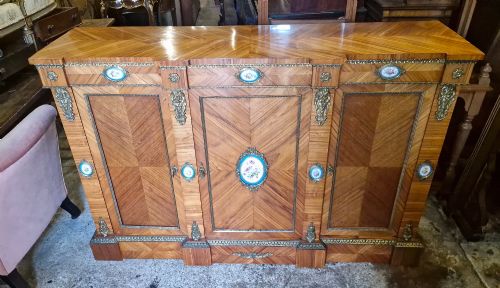
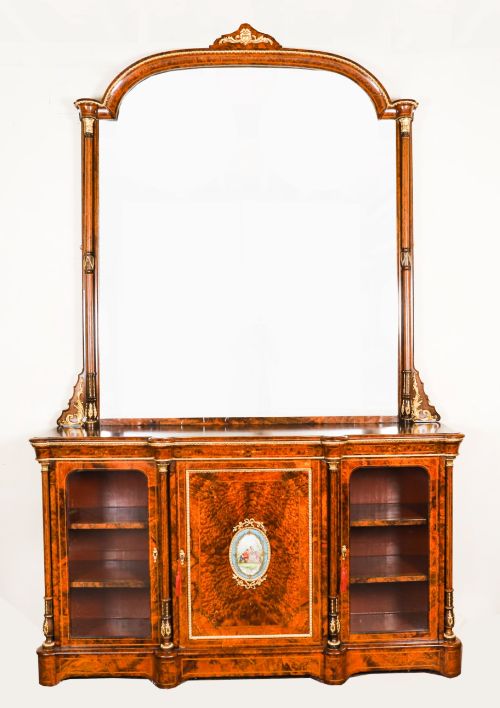
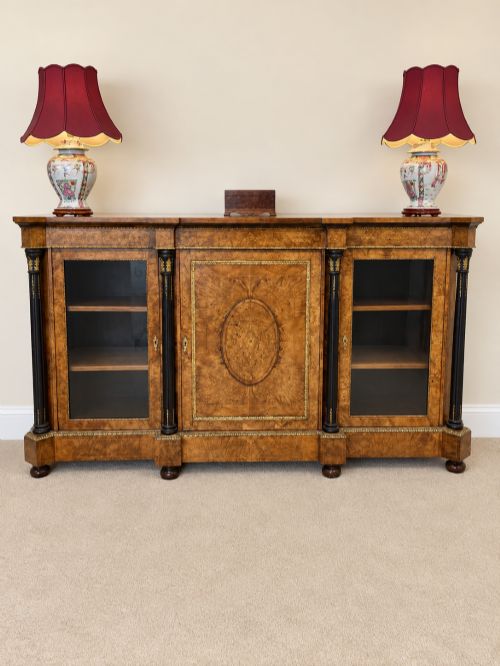
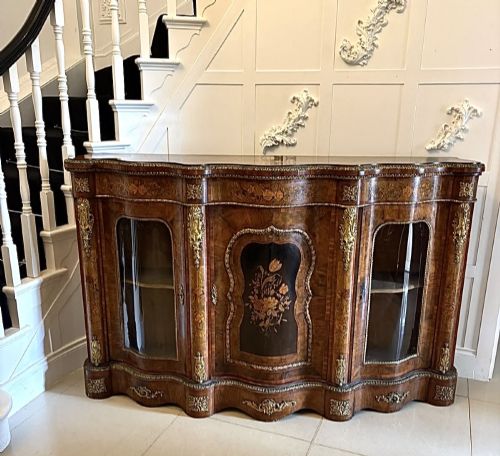
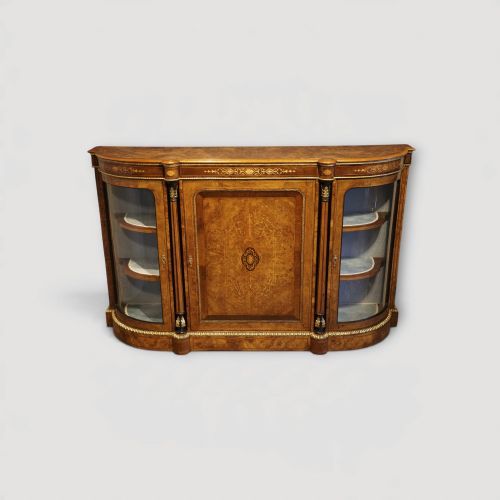
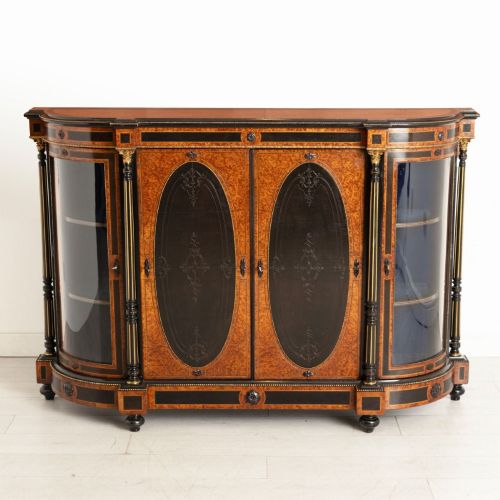
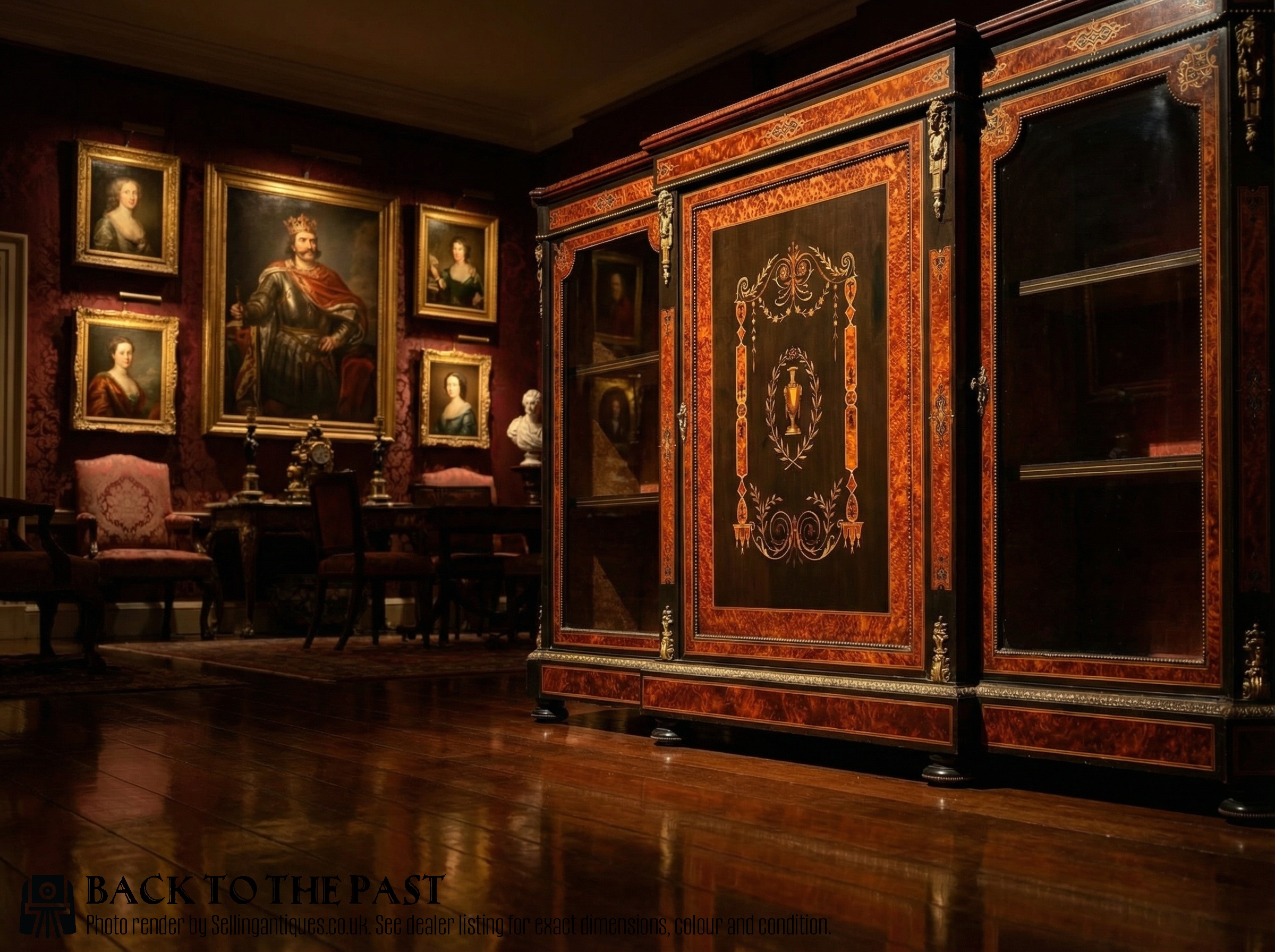
An ormolu mounted sideboard delivers striking gilt bronze mounts against rich timbers like burr walnut, creating a grand focal point for a formal interior.
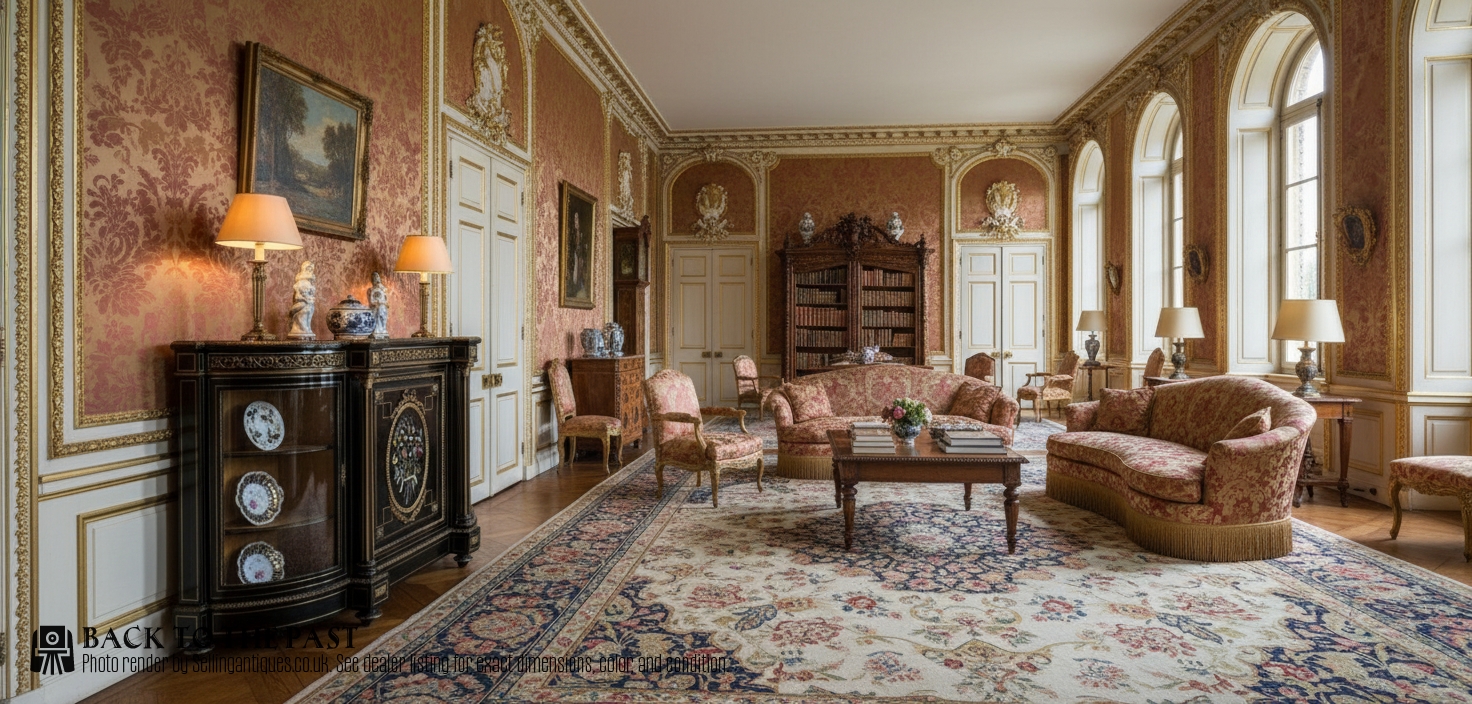
Ormolu Mounted Sideboard
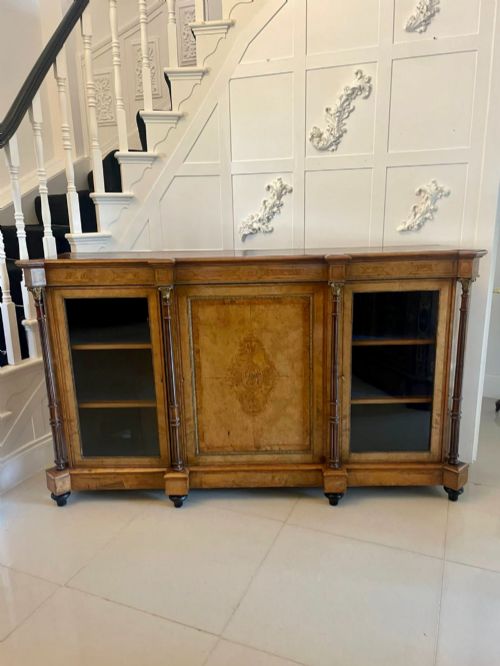
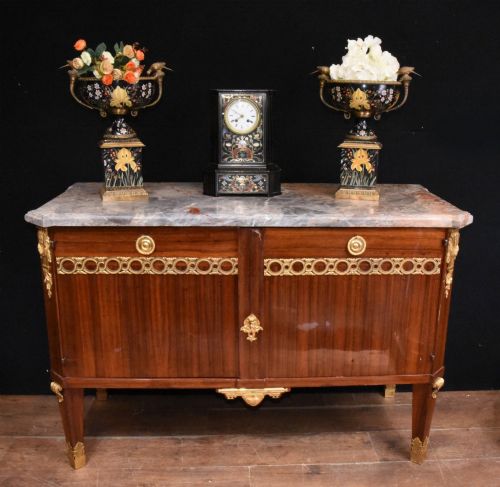
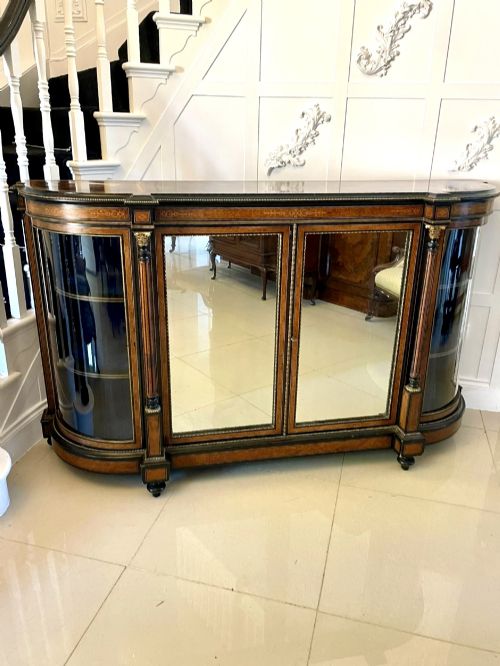
An ormolu mounted sideboard brings together large timber cabinetry and decorative gilt bronze mounts, frequently taking the form of a credenza or low display cabinet. These pieces serve as substantial storage units while providing a display surface for decorative objects on top.
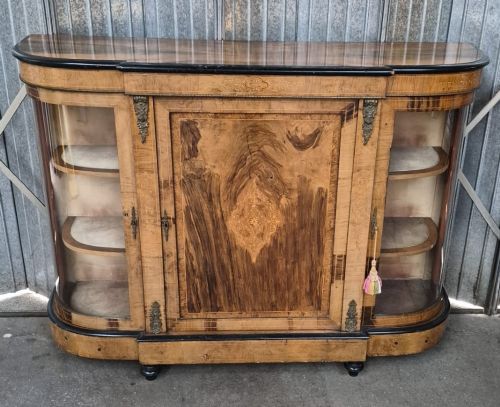
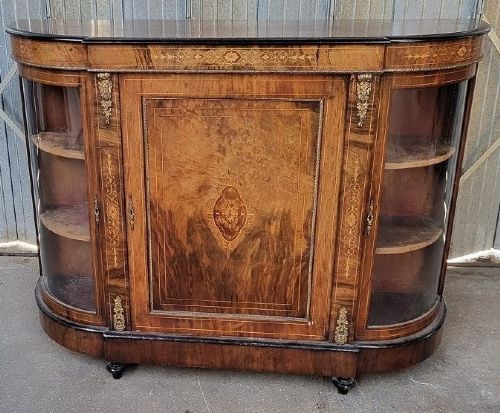
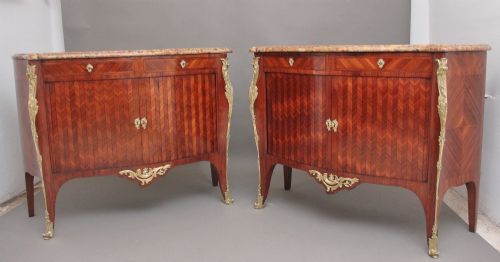
The versions met most often on this page belong to the Victorian period or French revival styles, featuring curved serpentine fronts and enclosed shelving behind glazed or panelled doors. Cabinet makers utilised rich veneers like burr walnut, rosewood, and kingwood to construct these impressive dining and drawing room items.
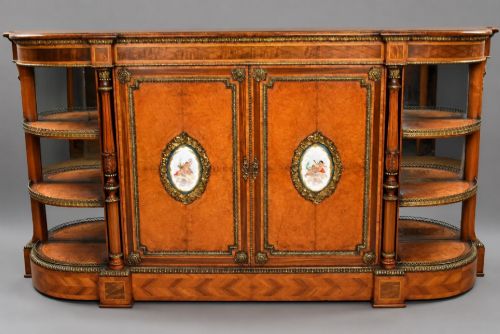
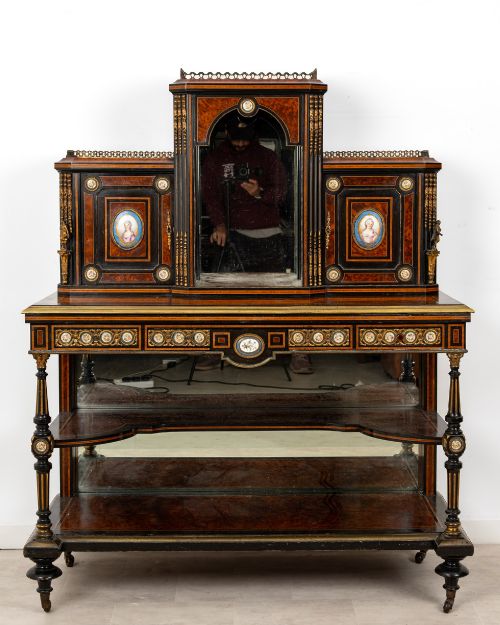
Makers frequently incorporated porcelain plaques, mirrored doors, and intricate marquetry alongside the characteristic gilt metal mounts. Such detailing marks them out as pieces designed for display in the principal reception rooms of grand nineteenth-century houses.

How they were made
Craftsmen applied thin decorative veneers of burr walnut, kingwood, amboyna, or satinwood over solid foundational timbers, often cutting the wood to create symmetrical grain patterns. Marquetry panels set into the doors and body display detailed floral or geometric designs formed from contrasting coloured woods.
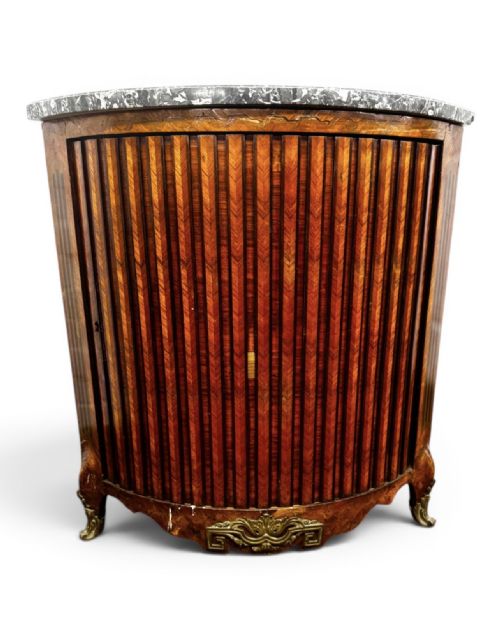
Cast bronze mounts are gilded to produce the bright ormolu finish that frames the doors, corners, and feet of the cabinet. Marble slabs fitted to the top surfaces of commodes and side cabinets provide a durable, cool finish.
Ormolu Mounted Sideboard Retail Price Guide 2026
Typical asking prices for ormolu mounted sideboard among the pieces listed under this phrase on Sellingantiques today, from the lower quarter to the upper quarter. They describe what is for sale here now, not the wider market.
The styles represented span Victorian, Regency, Louis XV, Louis XVI, and Napoleon III revivals.
What varies in quality
The refinement of the cast bronze ormolu mounts determines much of the visual success of the piece, with finer examples showing crisp chasing and deep gilding rather than flat, dull metalwork. The complexity and precision of the marquetry inlays also separate standard workshop output from exceptional exhibition pieces.
Timber selection plays a major role, as dense burr walnut and figured satinwood veneers exhibit richer natural grain patterns than plain secondary woods. The structural integrity of the serpentine shaping and the weight of the integrated marble tops further distinguish standard cabinets from high-end commissions.
Jacques Bircklé·Henry Dasson·Gillows·Maison Gagneau·Weisweiler
The Ormolu Mounted Sideboard Glossary
- Ormolu
- Gilded bronze mounts applied to furniture as decorative borders, feet, and handles. The technique involves coating cast brass or bronze in a layer of gold.
- Credenza
- A low cabinet or sideboard designed for dining rooms and drawing rooms, typically featuring central doors flanked by curved glazed display sections. These units developed significant popularity during the nineteenth century.
- Marquetry
- Inlaid patterns of wood veneers applied to the surface of a cabinet to form pictures or geometric designs. Craftsmen select contrasting timbers to achieve tonal variation within the motif.
- Serpentine
- A furniture front or top that curves outward in the centre and inward toward the ends in a gentle wave shape. This contour requires precise woodworking and custom-shaped mounts.
- Boulle
- A style of marquetry utilising tortoiseshell and brass inlaid in contrasting scrolls and arabesques. Named after the French cabinet maker André-Charles Boulle, it frequently decorates nineteenth-century ebonised cabinets.
Ormolu Mounted Sideboard: Frequently Asked Questions
What is an ormolu mounted sideboard?
An ormolu mounted sideboard is a large nineteenth-century cabinet designed for storage and display, featuring gilt bronze mounts applied to timber surfaces.
These pieces encompass credenzas, commodes, and side cabinets built from woods like burr walnut, rosewood, and ebonised finishes.
Where were these sideboards used?
Owners placed these statement cabinets in principal reception rooms, dining spaces, and grand hallways of nineteenth-century residences.
The flat top surfaces and glazed display compartments allowed households to exhibit porcelain, silver, and decorative ornaments.
How do I care for burr walnut?
Burr walnut requires stable indoor humidity away from direct sunlight and heat sources to prevent the delicate veneer from drying or cracking.
Gentle dusting with a dry cloth preserves the polished surface without stripping the historic finish.
How do I distinguish French and English styles?
French pieces frequently utilise marble tops, ebonised carcases, and extensive boullework or marquetry in Louis XV and XVI revivals.
English examples tend to focus on figured burr walnut veneers with classical ormolu mounts and maker stamps from firms like Gillows.