


Ormolu Mounted Jardiniere
An ormolu mounted jardiniere brings lavish French revival style indoors to display plants upon rich marquetry and porcelain.
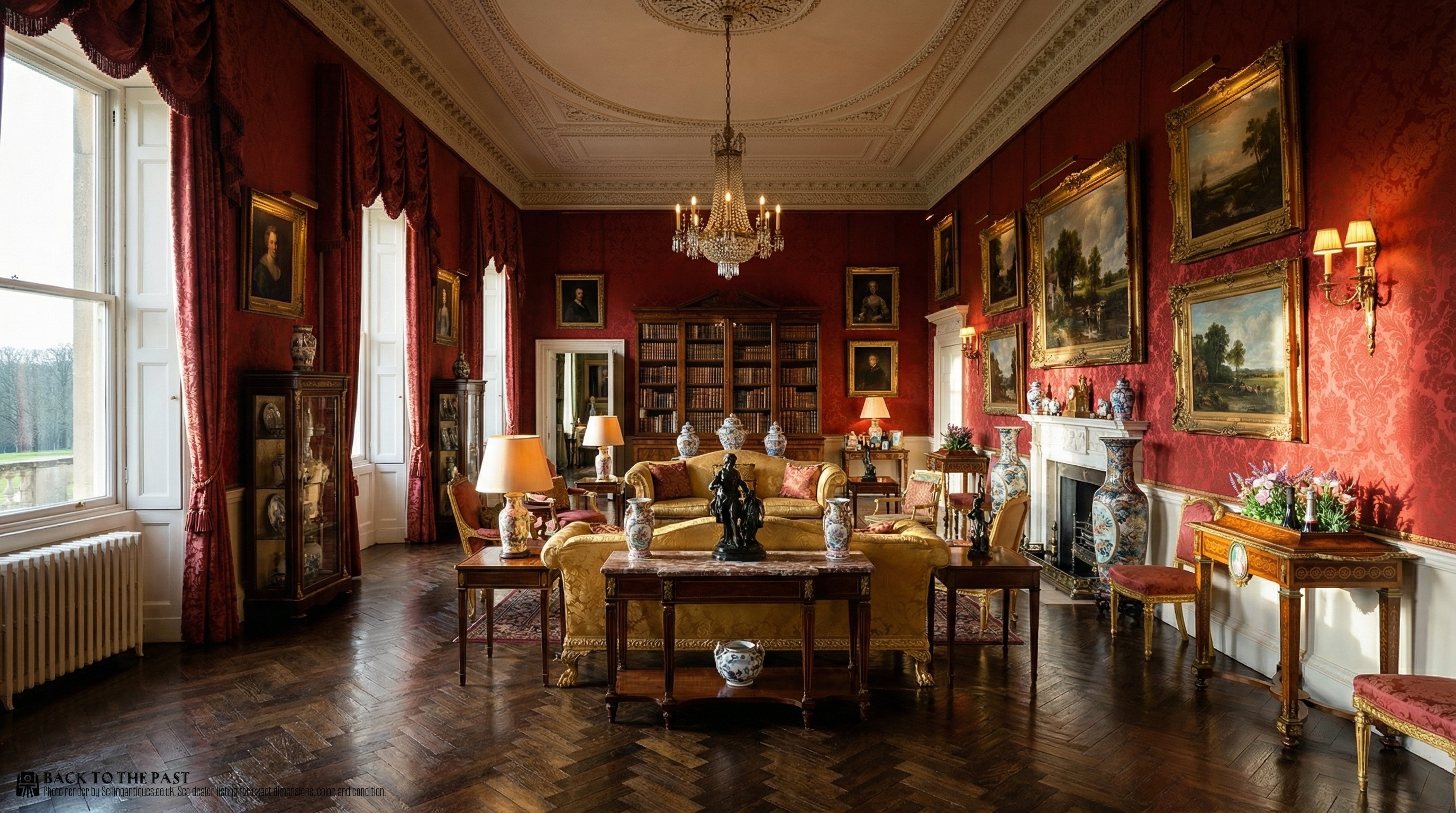
Identifying an ormolu mounted jardiniere
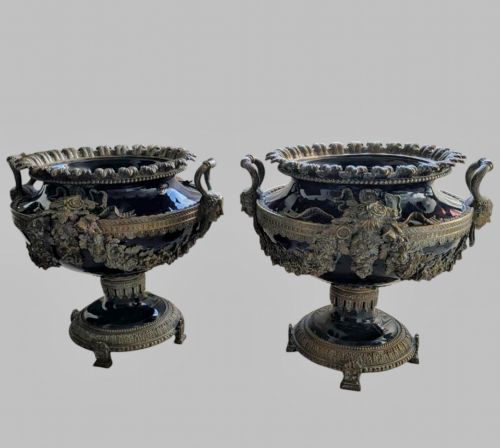
An ormolu mounted jardiniere is a decorative plant holder or planter table embellished with cast and gilt brass mounts. These pieces emerge predominantly in the nineteenth century during the Victorian era and the reign of Napoleon III.
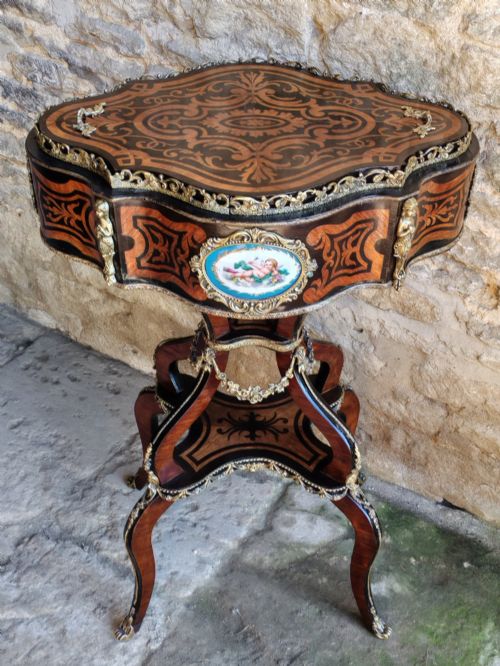
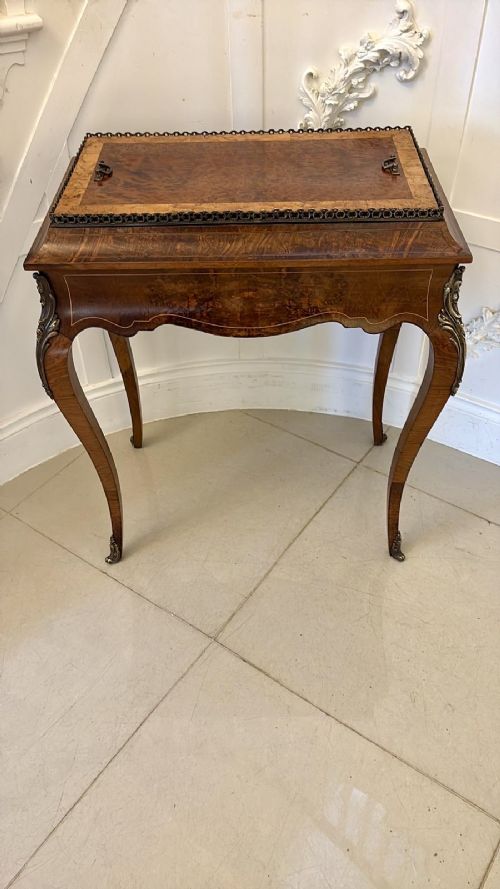
The versions met most often on this page take the form of French Louis XV style or Louis XVI revival stands and table tops. Makers combined functional plant containers with elaborate woodwork such as burr walnut, kingwood, rosewood, and ebonised timber.
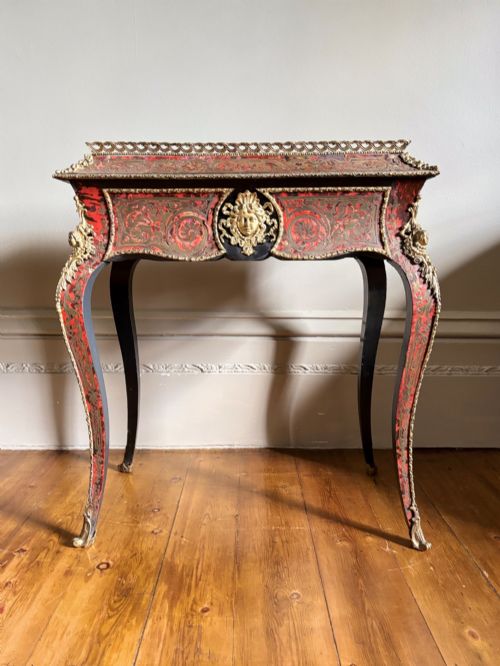
Many examples incorporate Sevres-type painted porcelain plaques alongside intricate marquetry and Boulle work. They function as dramatic centrepieces designed to hold greenery within formal drawing rooms and parlours.
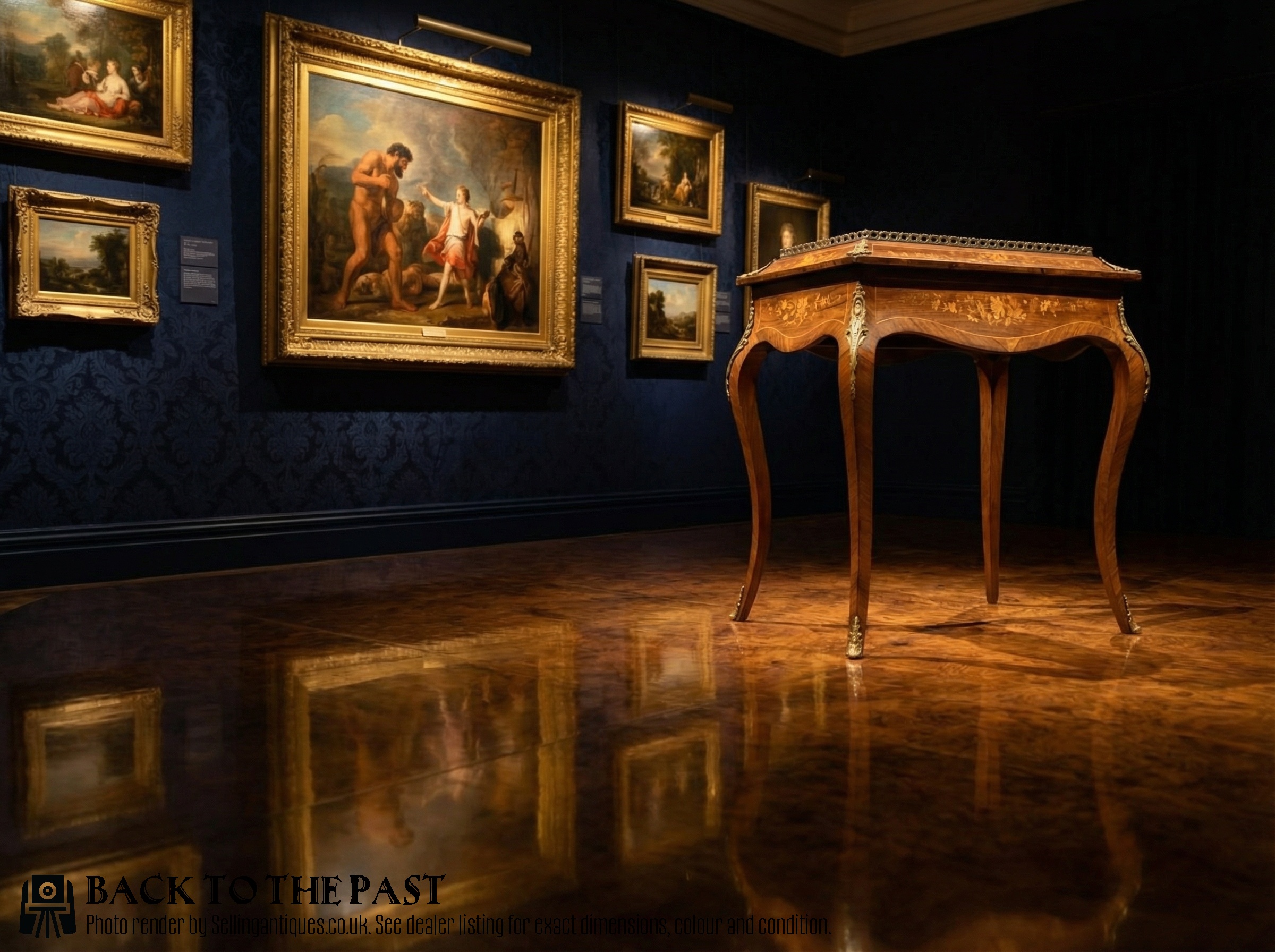
Materials and construction
Craftsmen built the carcasses from dense hardwoods like mahogany, walnut, and satinwood, often applying delicate veneers in kingwood and tortoiseshell. Surface decoration relied on traditional marquetry techniques alongside inlaid brass and tortoiseshell Boulle work.
Gilt bronze or brass mounts, known as ormolu, were cast and chased before being applied to corners, feet, and rims. Porcelain panels, including Sevres-type ceramic plaques, were frequently integrated directly into the wooden framework.
Retail Price Guide 2026
Typical UK retail prices for ormolu mounted jardiniere, calculated from the Sellingantiques database of over a million retail prices indexed since 2003. This retail price guide relies exclusively on Sellingantiques data; no external sources or auction records are used, so the figures do not describe the wider market.
Materials recorded across the archive include tortoiseshell, ebonised wood, kingwood, satinwood, and gilt metal.
Judging the quality
The refinement of the cast ormolu mounts dictates much of the visual success, where crisp chasing and heavy gilding separate superior pieces from simpler brass fittings. The complexity of the underlying cabinetwork, particularly detailed marquetry or genuine Boulle work, elevates the standing of an object.
The inclusion of hand-painted porcelain plaques adds considerable distinction to the design. Integration of the metal mounts with the timber carcass demonstrates the skill of the nineteenth-century maker.
The Ormolu Mounted Jardiniere Glossary
- Ormolu
- Gilt bronze or brass mounts applied to furniture and decorative objects. This technique creates bright metallic highlights against dark woods.
- Jardiniere
- An ornamental pot or stand designed for holding plants or flowers. These items appear as table top pieces or independent floor-standing pedestals.
- Boulle work
- A form of marquetry consisting of inlaid brass and tortoiseshell. It originates from seventeenth-century French workshops and revives strongly in nineteenth-century pieces.
- Marquetry
- Decorative veneer patterns formed by fitting together small pieces of wood, shell, or metal. Artisans use this method to create intricate geometric and floral designs across tabletops and stands.
- Kingwood
- A dense, richly grained timber frequently used in high-end nineteenth-century cabinetmaking. Its dark brown tones feature distinctive lighter markings.
Frequently Asked Questions
What is an ormolu mounted jardiniere used for?
These decorative vessels were traditionally designed to hold potted plants and floral arrangements inside nineteenth-century reception rooms.
They served both a botanical and a display purpose, protecting surfaces while adding opulent French style to the interior.
How do I date an ormolu mounted jardiniere?
Dating relies on examining the timber veneers, the style of the cast ormolu mounts, and the construction methods used inside the carcass. Most examples on this page originate from the nineteenth century, spanning the Victorian period and Napoleon III reigns.
Stylistic cues such as Louis XV revival curves or Napoleon III Boulle work help narrow the decade of manufacture.
Are these planters meant to hold water directly?
Original interiors often included metal liners to catch drainage and protect the wood and veneer from moisture damage. Placing a potted plant inside a separate inner container prevents water from staining the marquetry or loosening the ormolu mounts.
Checking for a removable metal insert helps preserve the condition of the piece.
What woods were used for these jardinieres?
Cabinetmakers utilised a variety of decorative hardwoods including burr walnut, kingwood, rosewood, mahogany, and satinwood. These were often combined with ebonised wood or tortoiseshell to create contrasting panel borders.
The choice of timber typically reflects nineteenth-century revival tastes popular in French and English workshops.