





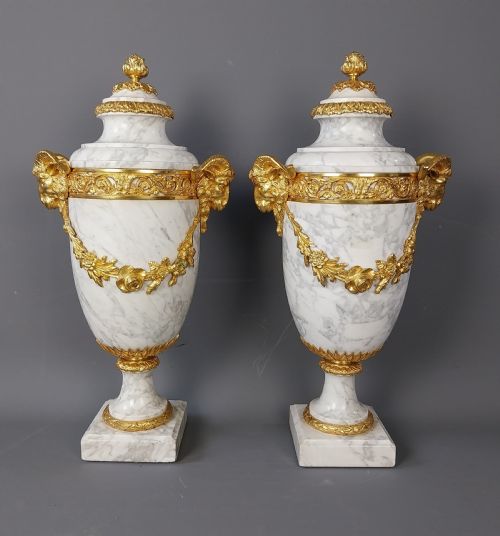

Ormolu Cassolette Pair
An ormolu cassolette pair brings classical French elegance into a room through reversible lids and gleaming gilt bronze mounts.
Ormolu Cassolette Pair
These decorative vessels serve a dual purpose through a reversible top that turns an urn into a candleholder. Most examples appearing here stem from the nineteenth century, particularly the Victorian era and the decades around eighteen eighty and eighteen ninety.
French influence dominates the selection, shaped heavily by the Louis XVI style and Neoclassical taste. Makers from the period drew directly on classical antiquity, producing matched pairs designed for mantelpieces and decorative tables.
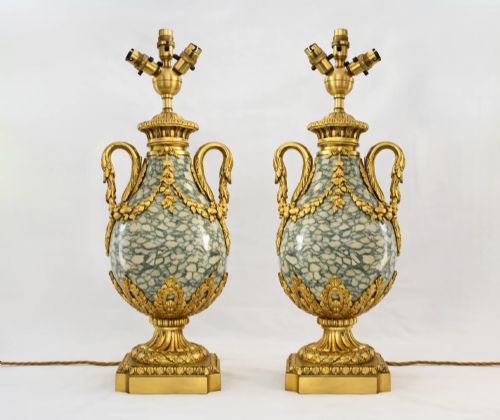
The body of each piece typically combines carved stone with metalwork mounts. Buyers encounter traditional decorative urns alongside versions that have been subsequently converted into table lamps.
Materials and construction methods
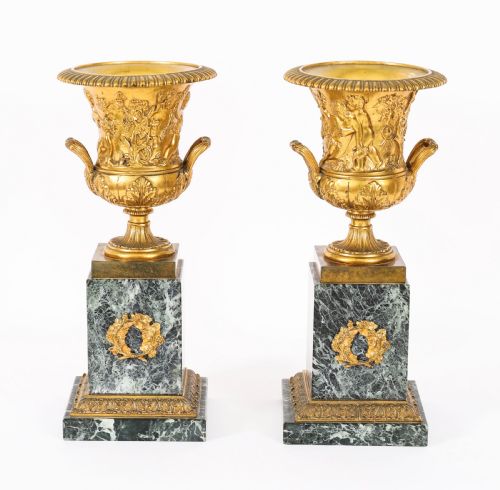
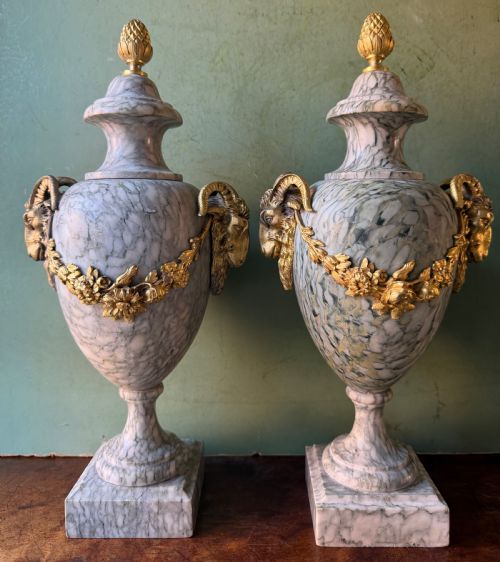
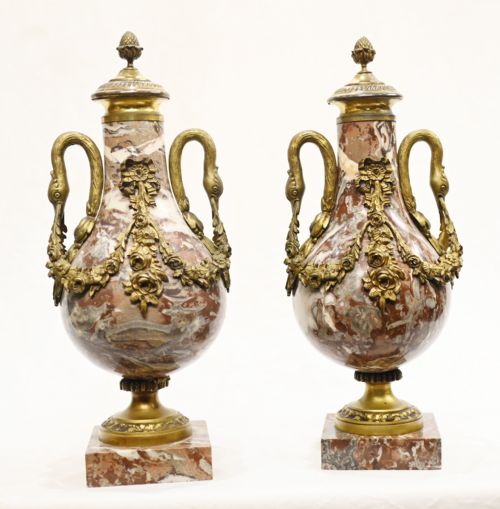
Foundational bodies rely primarily on turned marble, white onyx, verde antico, or rouge marble, paired with cast bronze finished in ormolu. The gilt bronze mounts are chased and secured to the stone chassis with threaded pins and internal fixings.
Some iterations incorporate enamel work or alternate finishes like silvering alongside the standard mercury-gilded bronze. The pivoting or reversible mechanism of the cassolette lid requires precise turning so the unit functions smoothly in both configurations.
Ormolu Cassolette Pair Retail Price Guide 2026
Typical asking prices for ormolu cassolette pair among the pieces listed under this phrase on Sellingantiques today, from the lower quarter to the upper quarter. They describe what is for sale here now, not the wider market.
The nineteenth century provides the exclusive chronological span for these listed decorative urns and lamps.
Judging the quality of an ormolu cassolette pair
The crispness of the bronze chasing separates standard decorative items from superior examples. Sharp leaf motifs, clean beadwork, and deeply articulated classical details demonstrate superior foundry work.
The selection of the marble body also dictates value. Richly veined stones, flawless turning, and heavy gauge mounts indicate higher production standards during the nineteenth century.
The Ormolu Cassolette Pair Glossary
- Cassolette
- A decorative vase or urn with a reversible lid that transforms it from a vessel into a candle holder. This clever nineteenth-century form allowed rooms to change their decorative function swiftly.
- Ormolu
- Finely ground high-carat gold applied to a bronze base through a mercury amalgamation process. This technique gives the metal a deep, warm yellow lustre that does not tarnish easily.
- Neoclassical
- A revival style drawing inspiration from the classical art and architecture of ancient Greece and Rome. It emphasises symmetry, restraint, and classical architectural motifs.
- Verde Antico
- A dark green serpentine marble heavily prized for decorative mounts. Its rich colour provides a strong visual contrast against bright ormolu bronze.
- Grand Tour
- A cultural journey undertaken by wealthy young Europeans to study classical antiquities abroad. Objects purchased during these travels heavily influenced nineteenth-century domestic interiors.
Ormolu Cassolette Pair: Frequently Asked Questions
How do you use a cassolette?
A cassolette functions as a decorative urn when the lid faces one direction to display a solid finial. Lifting and reversing the lid exposes a sconce or nozzle designed to hold a taper candle.
This clever design allowed nineteenth-century homeowners to alter the function of their mantelpiece ornaments between daylight and evening use.
Are all these pieces French?
The vast majority of nineteenth-century examples follow French design idioms, specifically the Louis XVI and Empire styles. Many were produced in Paris workshops for the export and domestic markets.
British makers also produced neoclassical urns, but French influence remains the dominant thread across these surviving pairs.
Can converted lamps be restored?
Many pairs were fitted for electricity during the twentieth century by running a cord through the centre of the body. Restoring them depends on whether the original internal components were discarded or merely bypassed during conversion.
Specialist lighting technicians can often reverse the wiring without damaging the antique stone and bronze structure.