


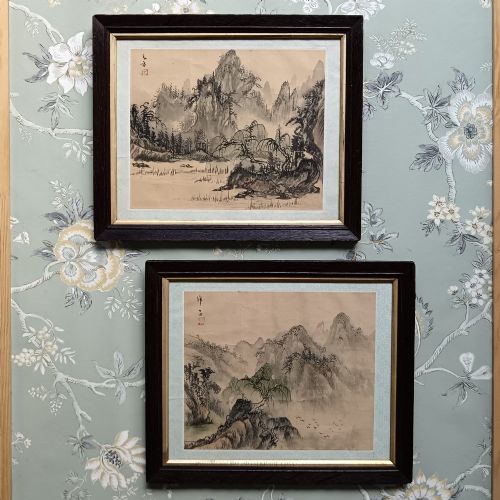

Original Watercolour Wall Art
Original watercolour wall art brings hand-painted colour and delicate detail straight to the wall.
Original Watercolour Wall Art
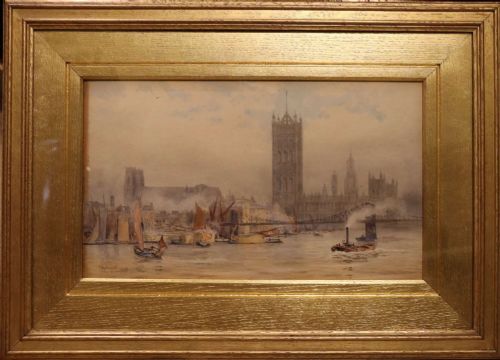
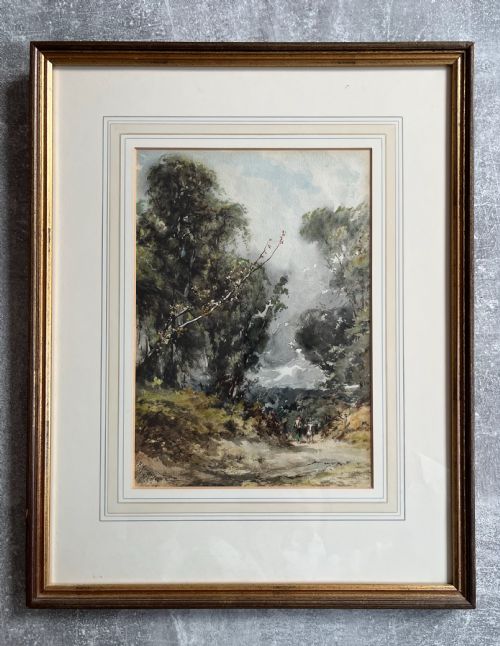
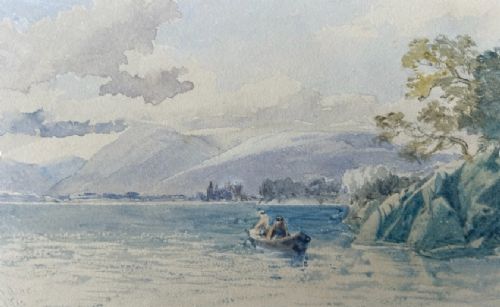
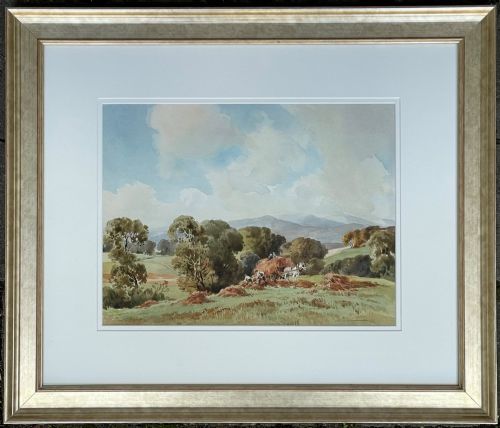
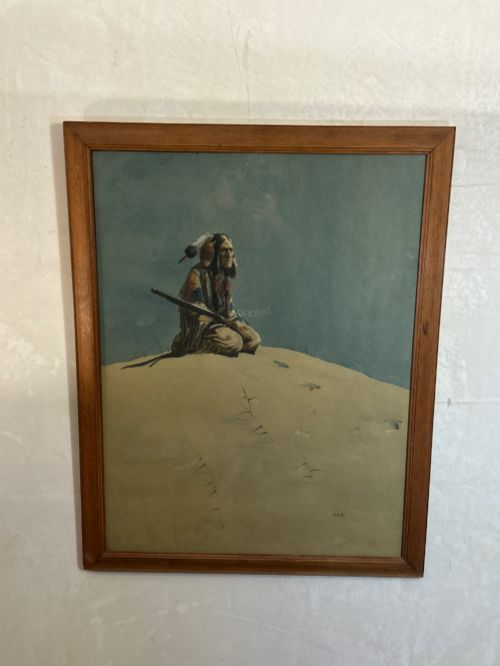
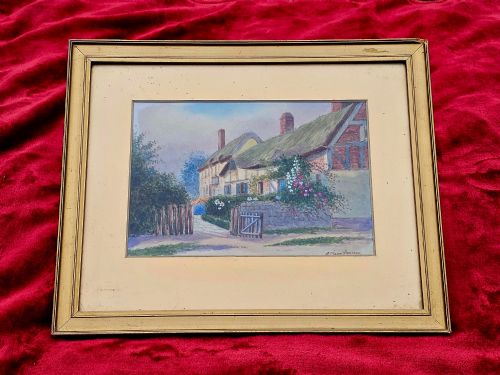
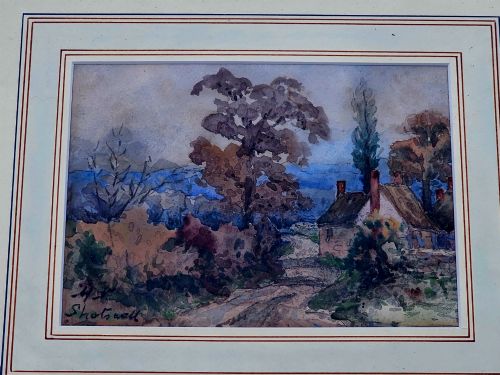
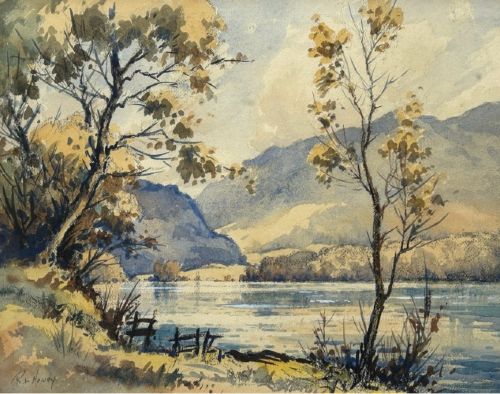
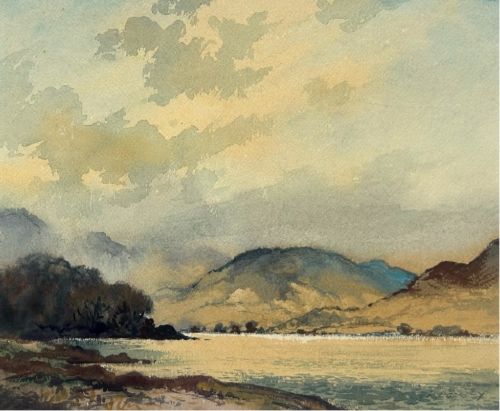
Buyers will most frequently encounter nineteenth-century framed works and early twentieth-century views, often bearing the signatures of established regional artists. These works range from intimate depictions of wildflowers to sweeping views of Scottish lochs and English rivers.
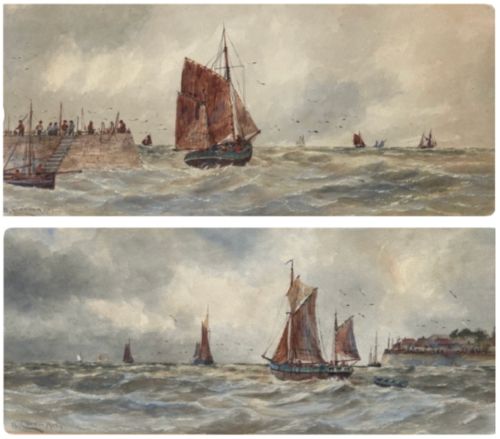
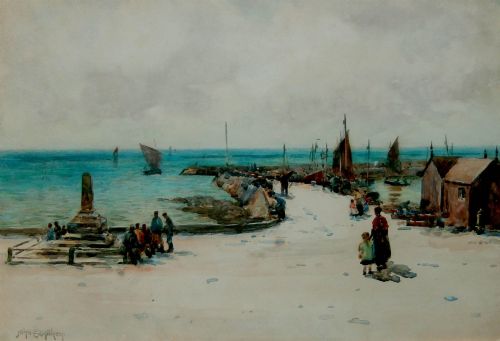
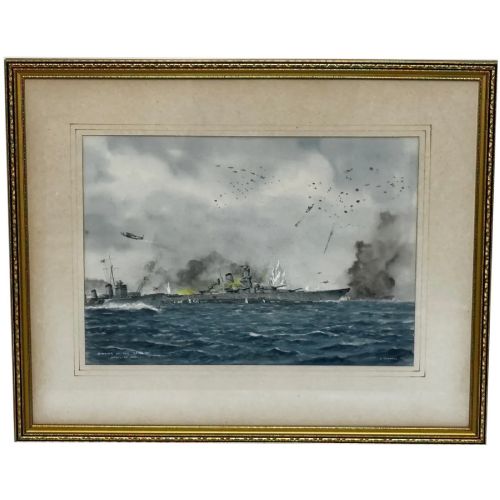
Subjects also extend to still lifes of fruit, marine scenes, and mid-century lake landscapes. Each piece offers a direct encounter with the artist's hand, preserved behind glass in period frames.
How they were made
Watercolour pigment was applied to paper using water-soluble binders, sometimes supplemented with ink for fine definition. Artists utilised the white of the unpainted paper to create highlights, building translucent washes to capture light and atmosphere.
Works were protected behind glass and housed in wooden frames, often constructed from materials such as oak, rosewood, or gilt wood. Silk was occasionally utilised as a support for specialised painting styles.
The listings span the nineteenth and twentieth centuries, featuring paper, watercolour pigment, and glass elements.
What varies in quality
Quality rests upon the sureness of the brushwork and the preservation of the pigment's original intensity. Superior pieces display a confident handling of light and shade that brings depth to the landscape or subject.
The integrity of the paper support and the originality of the frame also contribute to the standing of a piece. Works that retain their crisp tonal contrast and original mounting offer a more complete historical record.
George Fotherly Hargitt·Thomas Miles Richardson Jnr·James Orrock·William Cannon·Alfred Young Nutt·Percy Lancaster·John Hassall·A. Marie Parsons·Robert Leslie Howey·John E. Aitken·Eric Tufnell·William Banks Fortescue·Robert A. Nottingham·J.L.·R. Hurst·John Smith Atherton·Thomas Maidment·Frederick James Kerr·Catherine Thomas·William Matthison·Arthur Dudley·Henry Martin Pope·John Sherrin
The Original Watercolour Wall Art Glossary
- Watercolour
- A painting method in which the paints are made of pigments suspended in a water-based solution. The paper itself provides the luminous highlights.
- Gilt wood
- Wood coated with a thin layer of gold leaf or gold paint. This technique was frequently applied to enhance important picture frames.
- Seascape
- A type of artwork depicting the sea, ships, or coastal views. These subjects were particularly popular among British painters working near harbours.
- Botanical
- A detailed scientific or decorative illustration of plant life. These works focus closely on the structure and colour of flowers, leaves, and fruit.
- Monogram
- A motif made by overlapping or combining two or more letters to form a single symbol. Artists often used these initials to sign their works discretely.
Original Watercolour Wall Art: Frequently Asked Questions
How should I hang original watercolour wall art?
Keep these works away from direct sunlight to prevent the pigments from fading over time. Hanging them on interior walls with stable humidity preserves both the paper and the original frame.
Ensure the wall fixings are secure and appropriate for the weight of the glass and wooden frame. Professional framing advice helps protect the piece from moisture and dust ingress.
How can I tell the period of a watercolour?
Examine the framing materials, the type of paper support, and any handwritten inscriptions or signatures on the reverse. Victorian pieces often utilise specific framing profiles and heavier wove papers.
Stylistic cues such as costume, subject matter, and the artist's recorded active dates offer further chronological anchors. Comparing the technique to dated examples helps narrow the decade of creation.
Were all watercolours originally framed?
Most finished pieces intended for display were framed behind glass shortly after completion to protect the delicate paint surface. Original frames often show age-appropriate wear that matches the period of the artwork.
Unframed sheets or those removed from sketchbooks generally required later mounting. Finding a piece in its original frame is valued for historical consistency.
What subjects are most common?
British landscapes, coastal scenes, and botanical studies form the largest categories within nineteenth and early twentieth-century production. Artists travelled extensively to capture local topography and maritime activity.
Still lifes of fruit and flowers also appear frequently, reflecting domestic tastes of the period. Portraiture and architectural views complete the typical range of available subjects.