





Impressionist Architectural Landscape Painting
Impressionist architectural landscape painting captures urban squares, cathedrals and city streets through loose brushwork and vibrant light.
Impressionist Architectural Landscape Painting
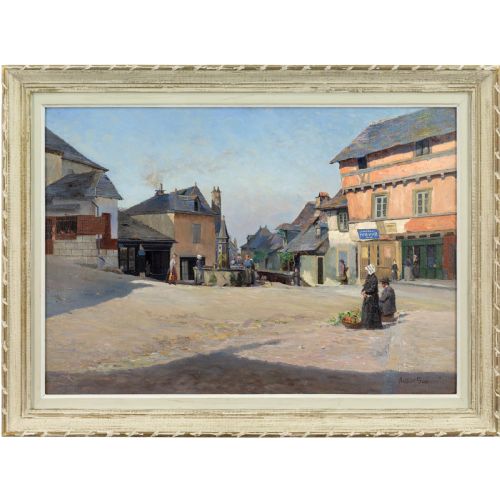
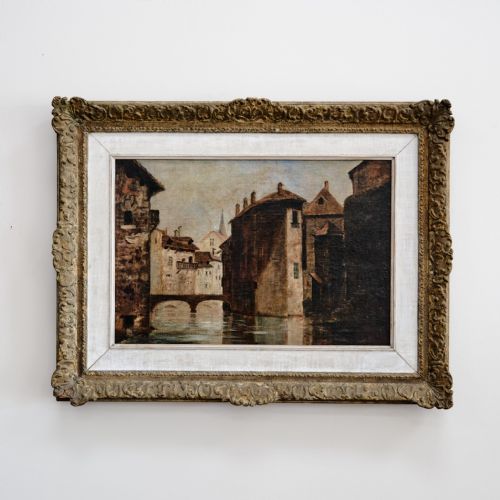
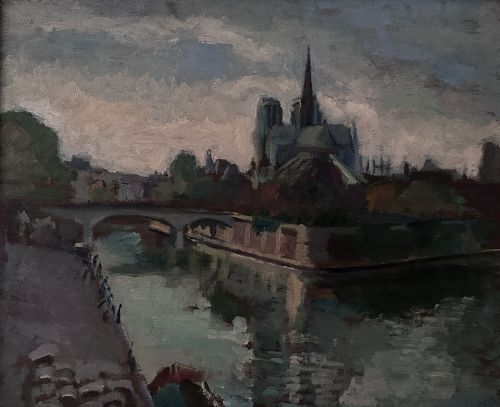
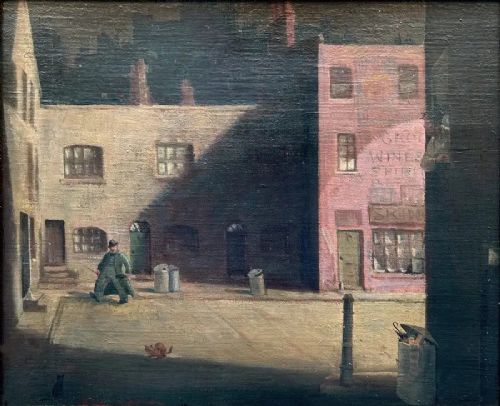
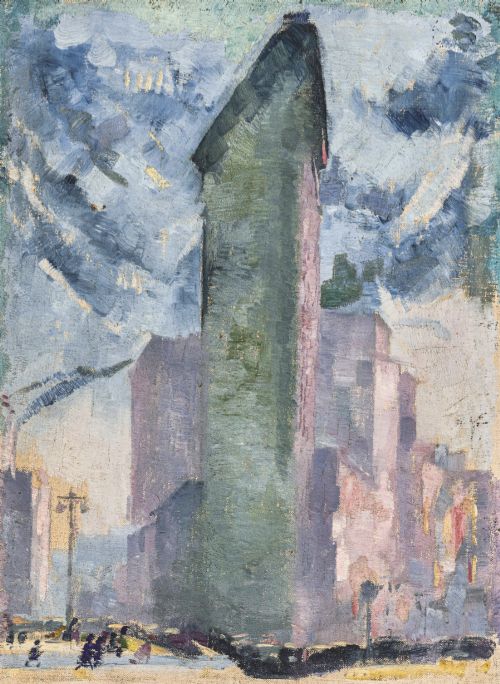
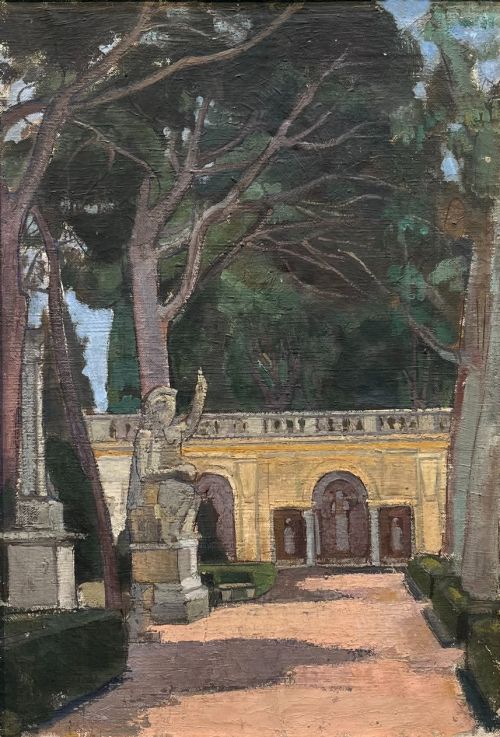
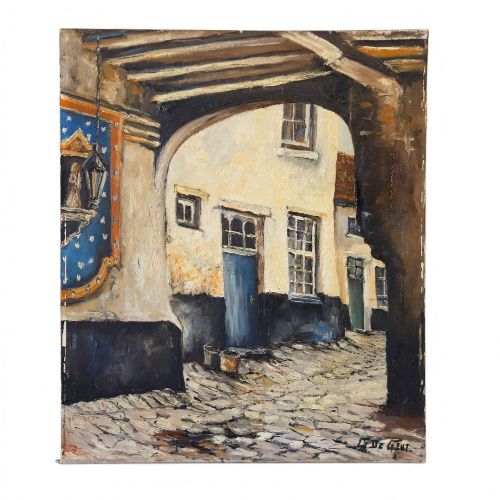
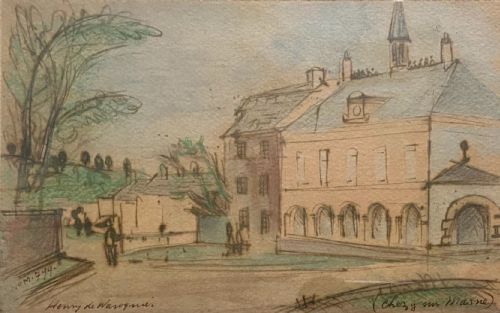
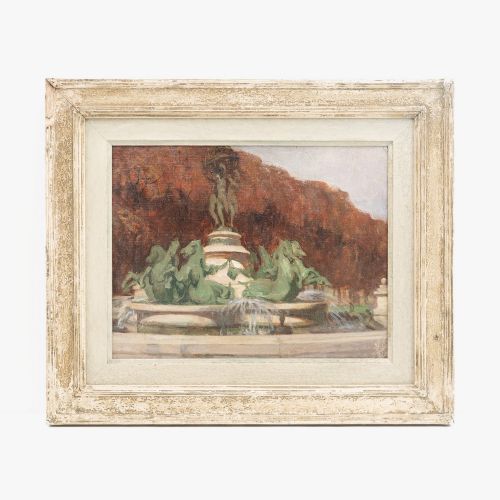
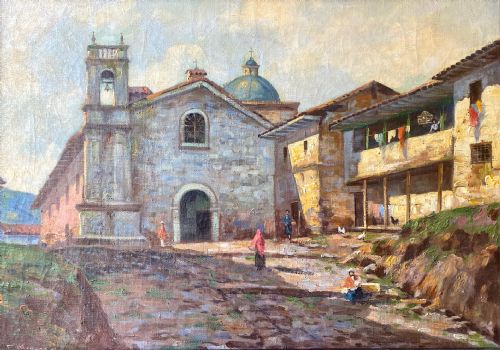
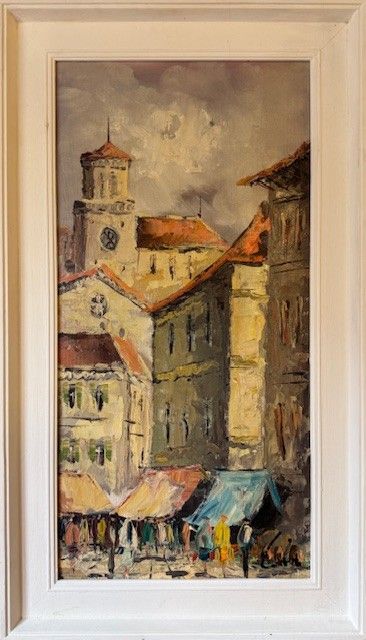
When you search for impressionist architectural landscape painting, you encounter canvases and works on paper depicting cityscapes, town halls, plazas, and historic buildings rendered with visible brushstrokes and atmospheric light. These works bridge natural scenery and human construction, recording urban environments from Venice, Paris, London, and various continental European locations.
The pieces on this page span from the nineteenth century through the mid-twentieth century, encompassing periods such as the Edwardian era, Post-Impressionism, and mid-century modern movements. You will find oil paintings on canvas, board, and panel alongside watercolours and mixed media drawings showing street scenes, markets, and architectural landmarks.
Most examples originate from British and continental European artists, ranging in scale from intimate sketches to large panoramic canvases. Subjects frequently include cathedrals, canals, bridges, and public squares observed under specific conditions of sunlight and weather.
Materials and Techniques
Artists create these architectural scenes primarily using oil paint applied to canvas, wood panels, or rigid board, often building texture with thick application known as impasto. Alternatively, many works utilise watercolour and ink on paper to capture the transient effects of light on stone buildings and public squares.
Support materials vary according to the period and format, with nineteenth-century and early twentieth-century works commonly employing stretched canvas or prepared wooden boards. Gesso serves as a preparatory ground on panels, while watercolours rely on absorbent paper surfaces to preserve luminous washes.
Several artists captured bustling markets and quiet squares, proving that historic pigeons gathered around statues just as enthusiastically then as they do today.
Quality Variations
Quality in these works rests upon the artist's ability to balance architectural perspective with the spontaneous, light-driven imperatives of impressionist technique. Superior examples demonstrate a confident handling of mass and void, where stone facades and urban spaces feel structurally sound despite loose brushwork.
Handling of light and atmosphere also distinguishes finer works, separating mechanical reproductions of buildings from paintings that capture the specific humidity of a Venetian canal or the morning bustle of a French market square.
Arthur Gué·Francisco Sancha·Alfred Wolmark·Henry de Waroquier·Alexander Jamieson·Paul-Élie Gernez·Charles James Lauder·Ron Folland·Caroline Burnett·Rowland Henry Hill·E A Minardo·Florence Hess·Armand Guillaumin·Job de Vogel·Hercules Brabazon Brabazon·Robert Lesley Howey·Henry Sanders·Emanuele Cappello·Franz Reder-Broili·Joseph W. Milliken
The Impressionist Architectural Landscape Painting Glossary
- Impasto
- Paint applied thickly to a surface, standing out in relief from the plane and capturing physical texture. This technique allows brush marks and knife strokes to remain clearly visible.
- Gesso
- A white paint mixture consisting of a binder mixed with chalk, gypsum, or pigment, used to prepare wood panels or canvases for painting. It provides a smooth, stable ground for oil or tempera.
- Panel
- A rigid flat piece of wood used as a support for a painting instead of canvas. Artists frequently utilised panels for smaller sketches and plein air works.
- Post-Impressionism
- A predominantly French art movement that developed from about eighteen-eighty to nineteen-fourteen, extending impressionism while rejecting its limitations. Artists sought greater emotional expression and structural clarity.
- Watercolour
- Paint made with water-soluble pigments and a binder such as gum arabic, applied in translucent washes to paper. It relies on the white of the paper to reflect light through the colours.
Impressionist Architectural Landscape Painting: Frequently Asked Questions
What is an architectural landscape painting?
An architectural landscape painting is a work of art that combines natural scenery or urban settings with prominent buildings, structures, or cityscapes. These pieces focus on how human construction interacts with light, atmosphere, and the surrounding environment.
In impressionist examples, the emphasis shifts toward capturing the momentary effects of sunlight on stone, brick, and mortar rather than rendering every technical detail of the architecture.
How were these paintings used?
Artists created these works both outdoors on location and inside studios, using initial plein air sketches to inform larger studio compositions. They served to record travel experiences, urban modernization, and historic cityscapes.
Collectors and residents subsequently displayed them in domestic interiors as wall art to bring a sense of continental travel and historic atmosphere into their homes.
How do I live with an oil painting on wood panel?
Living with an oil painting on wood panel requires maintaining stable indoor humidity and temperature to prevent the wood from expanding or contracting. Keep the piece away from direct sunlight, heating vents, and damp exterior walls.
Unlike canvas, panels need minimal tension adjustments over time, but framing them securely protects the edges from accidental knocks.
How can I tell the period of a cityscape?
You can determine the period of a cityscape by examining architectural details, street furniture, clothing styles of any figures present, and the painting technique itself. Edwardian and early twentieth-century works often show specific horse-drawn or early motorised transport and period street lighting.
Brushwork also offers clues, as nineteenth-century academic realism gave way to the looser, more fractured marks of post-impressionism and mid-century modern interpretations.