

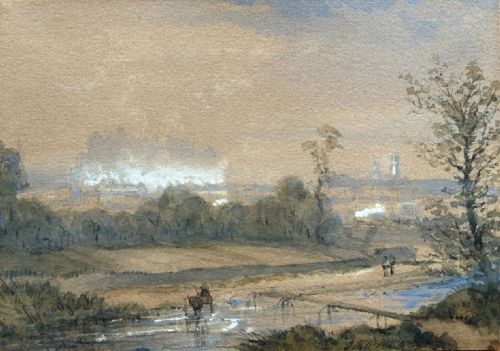


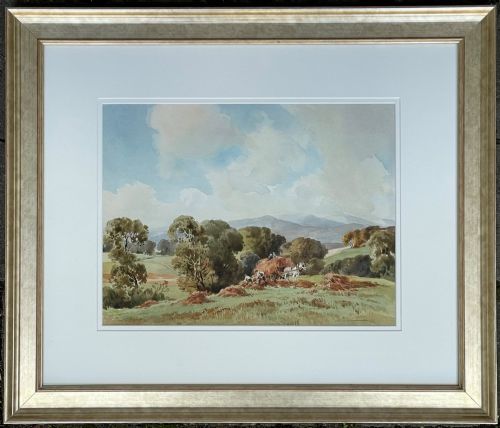
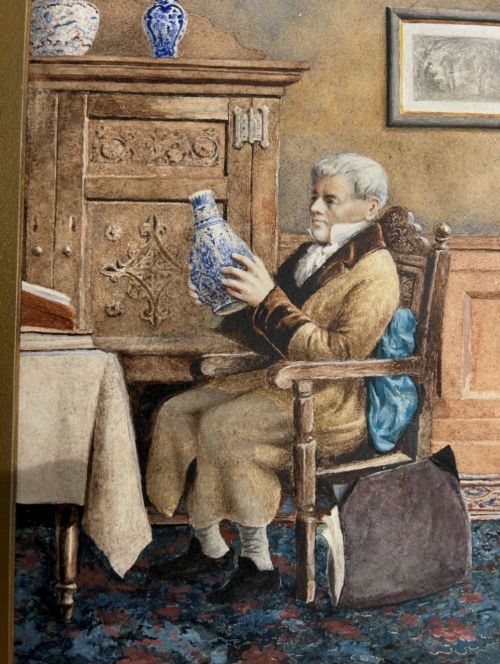
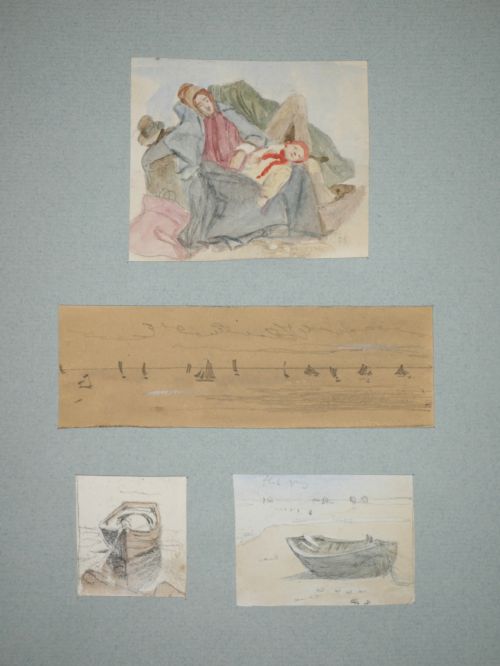
Original Watercolour on Paper
Searching for an original watercolour on paper brings up hand-painted works created on delicate paper supports across the nineteenth and twentieth centuries.
Original Watercolour on Paper
An original watercolour on paper is a unique painting executed by hand, distinct from printed reproductions or mass-produced lithographs. These works span historical periods from the nineteenth century through the Victorian and Edwardian eras into the mid-twentieth century.
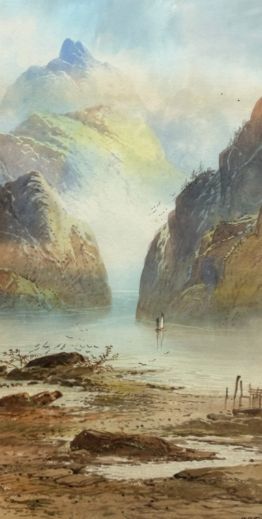
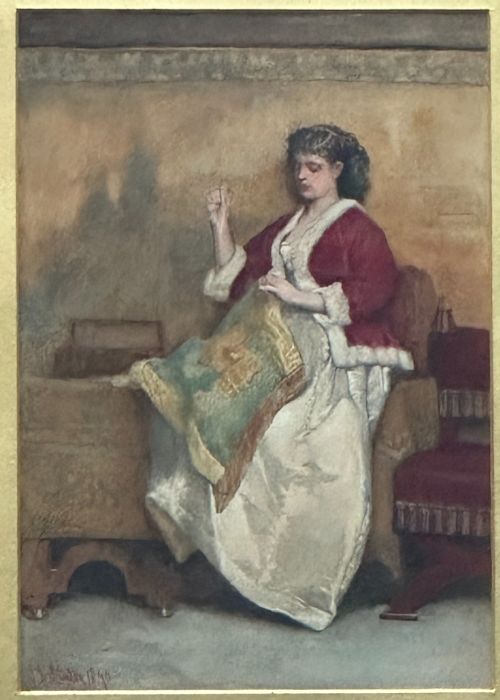
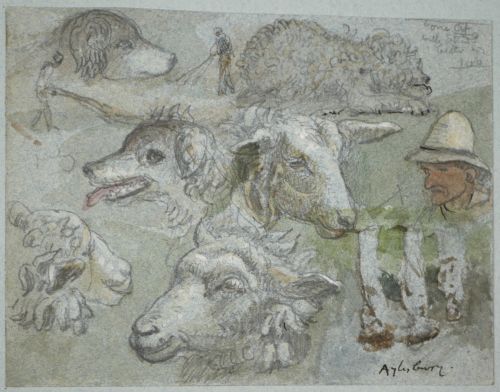
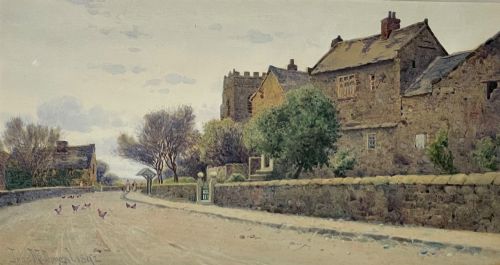
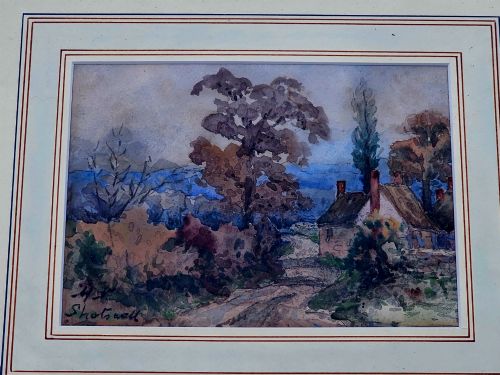
The subjects found in this selection range from traditional British landscapes, coastal scenes, and townscapes to intimate figure studies, botanical designs, and preparatory sketches. Many pieces carry signatures, dates, or historical attributions that place them within specific schools of British and European art.
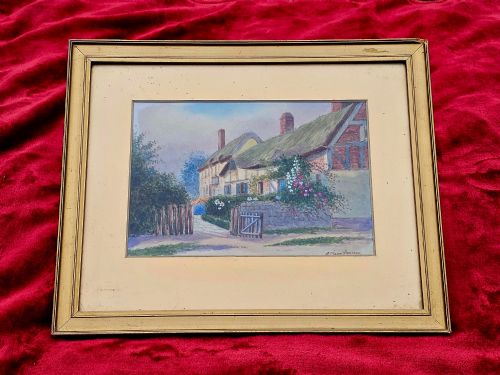
Buyers encounter framed artworks, wall art, and unframed works on paper that reflect the shifting aesthetic priorities of their time, from precise topographical recording to freer impressionistic brushwork.
Materials and technique
The physical makeup of these pieces relies on water-soluble pigments applied to various paper substrates, including traditional laid paper, buff paper, rice paper, and delicate pith paper. Artists often combined watercolour paint with bodycolour, ink, graphite, or wash to build opacity and define intricate details.
Support materials were selected for their absorbency and texture, which directly influenced how the pigment settled across the surface. Framing under glass typically protected these water-soluble mediums from atmospheric moisture and surface damage over the decades.
The listings span multiple centuries, incorporating Victorian landscape art, Edwardian coastal scenes, and mid-century modern watercolour painting.
What varies in quality
Quality in these paintings rests upon the surety of the brushwork, the balance of composition, and how effectively the artist managed the transparency inherent to the medium. Superior examples demonstrate a confident control of pigment and water that captures light and atmosphere immediately.
The historical significance of the subject, the presence of a clear signature or documentation, and the preservation of the original paper support also distinguish finer works from more routine student exercises or decorative sketches.
George Sydney Shepherd·George Lorain Stampa·James Orrock·William Henry Earp·Sir James Dromgole Linton·John R Prentice·Thomas Ellison·Alfred Young Nutt·Henry Stacy Marks·James Smetham·A Marie Parsons·John McDougal·Robert Leslie Howey·James E Aitken·Julius Schnorr von Carolsfeld·William Joseph Boyes·Henry Silkstone Hopwood·Muriel Metcalfe·Fred Lawson·John Smith Atherton·Th Thibault·Hector Caffieri·Richard Henry Wright·Thomas Maidment·Alfred G Morgan
The Original Watercolour on Paper Glossary
- Watercolour
- A paint consisting of pigment suspended in a water-based solution. It is traditionally applied in transparent washes to reflective paper.
- Bodycolour
- Watercolour paint made opaque by the addition of a white pigment such as chalk. This technique adds highlights and solid areas of colour.
- Wash
- A fluid layer of diluted watercolour paint spread evenly across the paper. It is used to create smooth skies or background expanses.
- Laid paper
- Handmade paper featuring a visible grid of parallel lines created by the wire mesh of the papermould. It provides a textured surface for ink and wash.
- Pith paper
- A fragile, cellular material cut from the pith of the Tetrapanax papyrifer plant. It was commonly used in nineteenth-century Chinese export paintings.
Original Watercolour on Paper: Frequently Asked Questions
How should I frame an old watercolour?
Watercolours require careful framing behind glass with a mat that prevents the painted surface from touching the glazing directly. This separation protects the delicate pigments and paper from condensation.
Exposing these works to direct sunlight causes the pigments to fade permanently over time. Acid-free backing boards further prevent the paper from yellowing or degrading in storage.
How do I distinguish between a print and an original?
Examining the paper surface under magnification reveals the telltale pooling of pigment and brushstroke textures unique to hand-painted works. Prints display a uniform dot pattern or flat ink application under magnification.
Original watercolours often show subtle indentations where the brush pressed into the damp paper fibres. The edges of the wash also reveal the natural drying boundary of liquid pigment.
What is pith paper and how is it handled?
Pith paper is a delicate, cushion-like plant material historically used for miniature paintings and export art in the nineteenth century. It has a velvet-like texture that absorbs watercolour with exceptional brilliance.
Because this material is exceptionally fragile and prone to cracking under pressure, these sheets require permanent mounting beneath glass. Handling must be kept to an absolute minimum to prevent structural damage.
How do I identify the date of a watercolour?
Dating relies on visible signatures, dated inscriptions, watermarks within the paper stock, and stylistic conventions characteristic of specific periods. Victorian and Edwardian works often carry specific studio stamps or handwritten notes on the reverse.
Comparing the subject matter and framing style to known dated works by the same school offers further chronological context. Examining the paper type helps confirm whether the support matches the expected historical era.