


Original Signed Paper Artwork
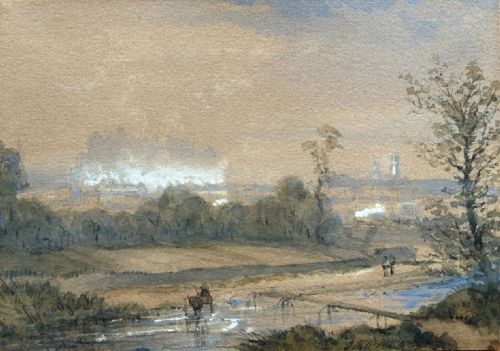
Original signed paper artwork spans watercolours, etchings, and drawings created across the nineteenth and twentieth centuries.
Original Signed Paper Artwork
Original signed paper artwork encompasses unique works on paper and signed limited editions produced by named artists and draftsmen. When buyers search for original signed paper artwork, they encounter British and international pieces ranging from Victorian coastal scenes to mid-century modern animal studies.
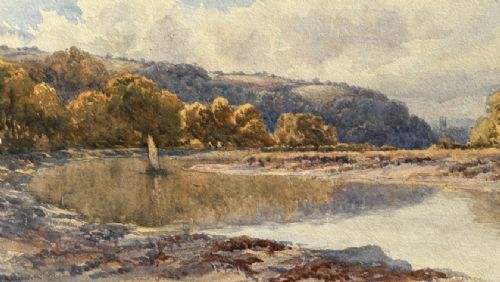
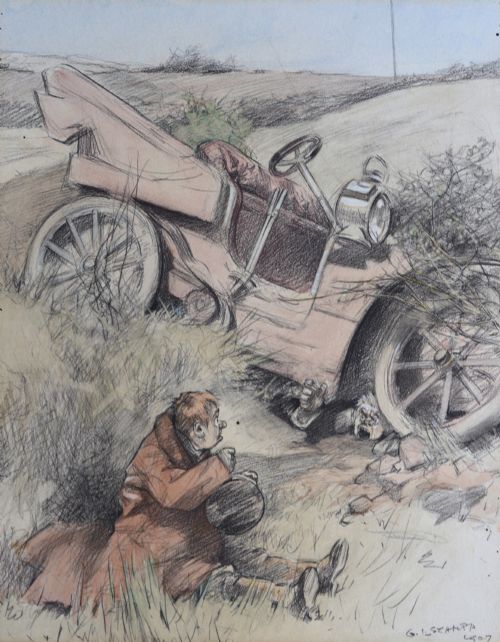
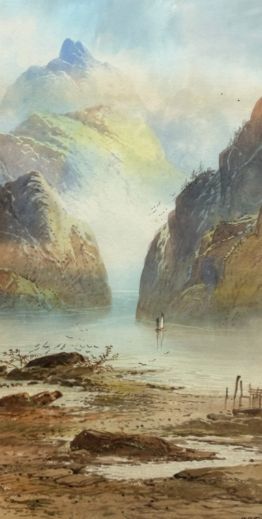
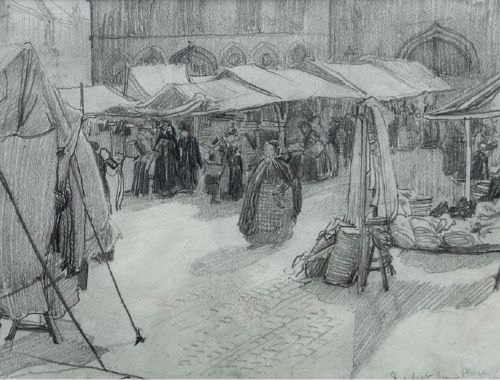
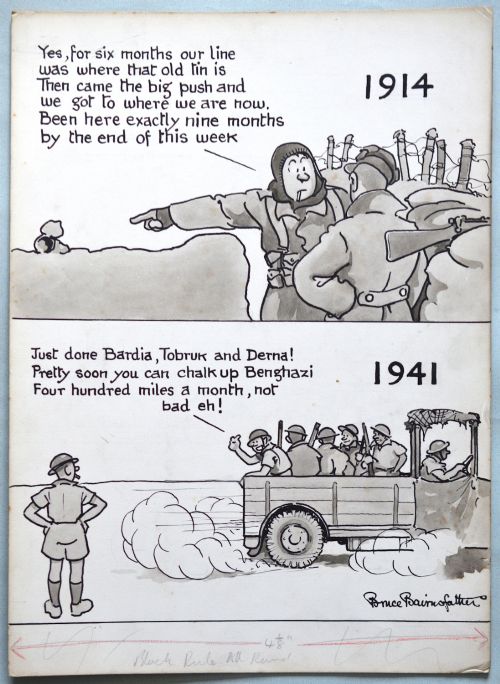
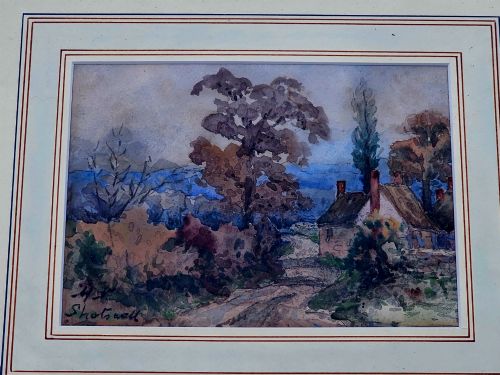
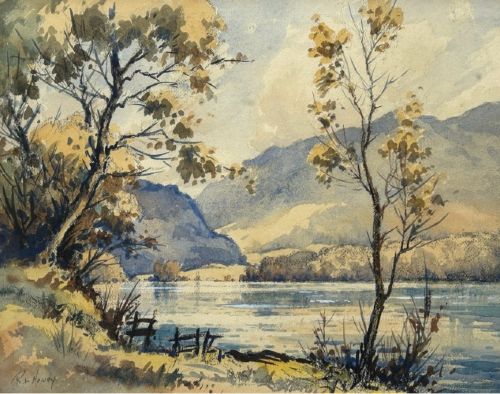
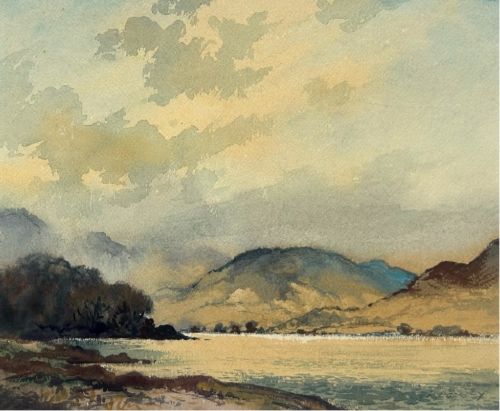
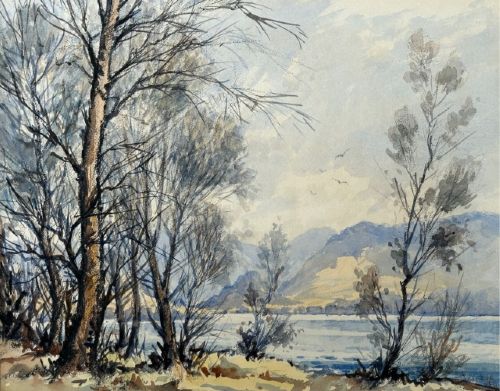
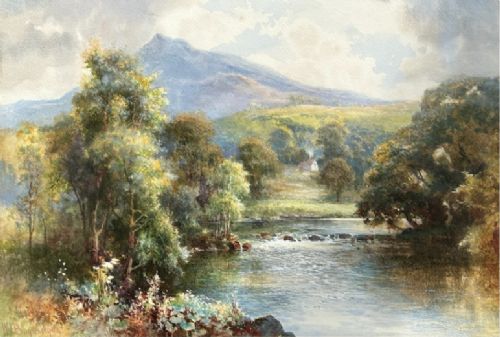
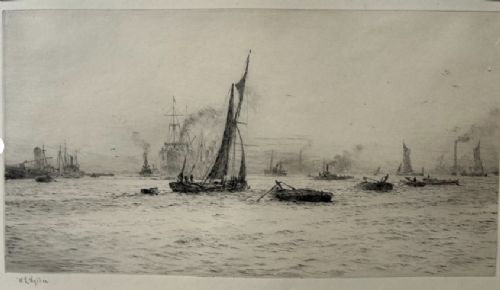
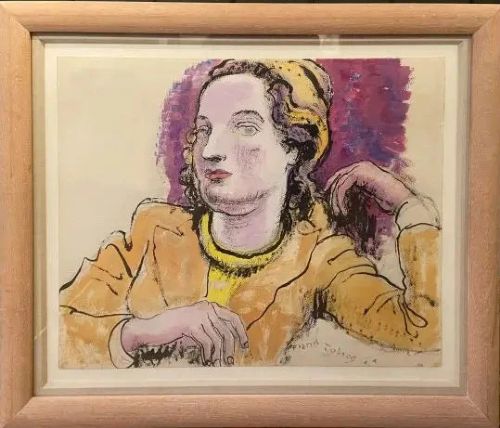
The selections on this page are dominated by watercolour paintings, pencil and ink drawings, and artist proof etchings. These pieces bridge the gap between intimate preliminary sketches and finished exhibition pieces framed behind glass.
Materials and Techniques
Artists relied on watercolour pigment, graphite, and ink applied directly to paper or coloured card to capture light and shadow. Etchings utilise metal plates worked by hand, resulting in inked impressions pulled on paper under pressure.
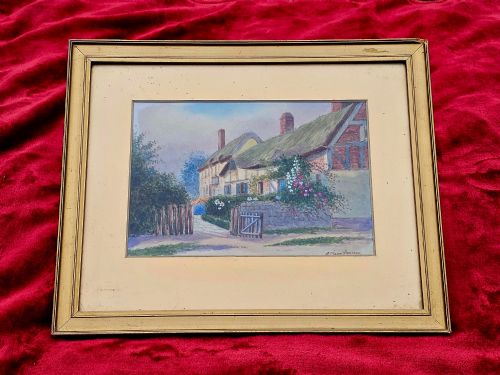
Framing materials typically incorporate protective wood surrounds and glass to safeguard the delicate paper substrate from environmental degradation. Pigments interact with the paper surface over decades, creating subtle tonal shifts distinctive of age.
Several etchings capture leopards and jungle fowl, reminding us that artists sometimes sought their models far beyond the British landscape.
Factors Distinguishing Quality
Quality rests upon the sureness of the draftsmanship and the clarity of the artist's signature within the composition. A decisive pencil line or a transparent watercolour wash demonstrates an artist's complete command of the medium.
Condition of the paper and preservation of the pigment intensity elevate certain works above others. Strong provenance and a clear subject, such as a named topographical view or a detailed animal study, further distinguish the finer pieces.
George Lorain Stampa·James Orrock·William Henry Earp·Herbert Dicksee·Robert Leslie Howey
The Original Signed Paper Artwork Glossary
- Watercolour painting
- A work executed with water-soluble pigments on paper. The technique relies on translucent washes that allow the white of the paper to illuminate the composition.
- Artist proof
- An impression of an etching taken before the final edition is printed. These proofs are often signed by the printmaker and kept for personal review.
- Etching
- A printmaking process where acid cuts into uncoated areas of a metal plate to hold ink. The inked plate transfers the design onto paper through a press.
- Provenance
- The documented history of a piece's ownership and origin. It provides verifiable context for the date and attribution of the artwork.
Original Signed Paper Artwork: Frequently Asked Questions
How do I care for framed paper artwork?
Keep framed paper pieces away from direct sunlight and high humidity to prevent the paper from yellowing and the pigments from fading. Acid-free backing materials protect the paper during long-term display.
Ensure the glazing does not touch the surface of the watercolour or drawing directly. Professional framing maintains a small gap between the paper and the glass.
What is the difference between an etching and a drawing?
An etching is a printed multiple pulled from a prepared metal plate, whereas a drawing is a unique, direct application of pencil, ink, or pastel to paper.
Signed etchings bear the artist's handwritten signature beneath the printed image alongside edition numbers. Drawings show direct hand pressure and texture unique to the single sheet.
How can I determine the age of a watercolour?
Examine the paper type, watermark, and framing style for clues regarding the period of production. Victorian and Edwardian works often utilise specific heavy-stock papers characteristic of nineteenth-century mills.
Signatures, dates inscribed by the artist, and historical labels on the reverse provide definitive chronological markers. Stylistic conventions of the period also help narrow down the decade.
Are all paper artworks one-of-a-kind?
Watercolours, pencil sketches, and ink drawings are unique, singular creations by the hand of the artist. Each brushstroke or graphite mark exists only on that specific sheet.
Etchings and prints, however, belong to an edition where multiple impressions are pulled from the same plate. Even within an edition, each signed proof possesses individual character.