




British Impressionist Art Painting
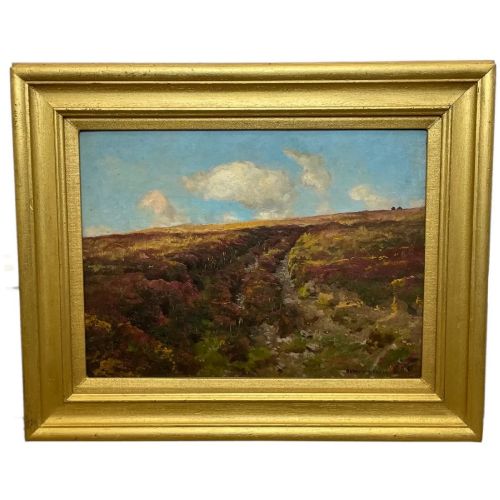
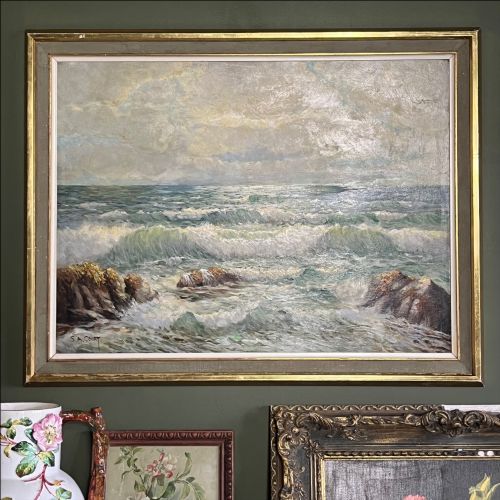
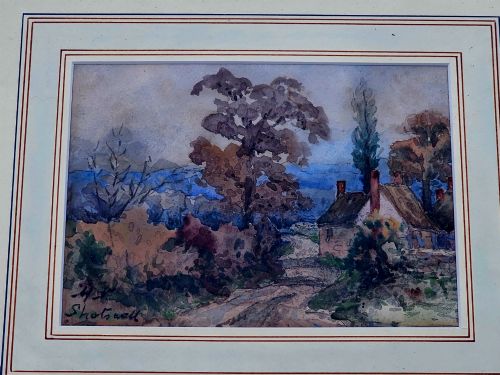
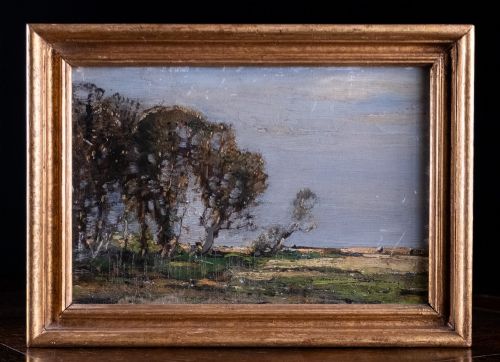
When you search for british impressionist art painting, you find works capturing light and atmosphere across landscapes, coastal scenes and intimate figures.
British Impressionist Art Painting
Buyers seeking a british impressionist art painting encounter works originating from the Victorian period through to the mid-twentieth century and later. These pieces span oil paintings on canvas or board, watercolours on paper and pastel drawings.
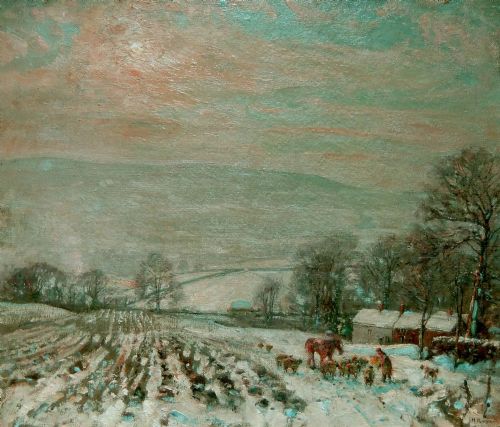
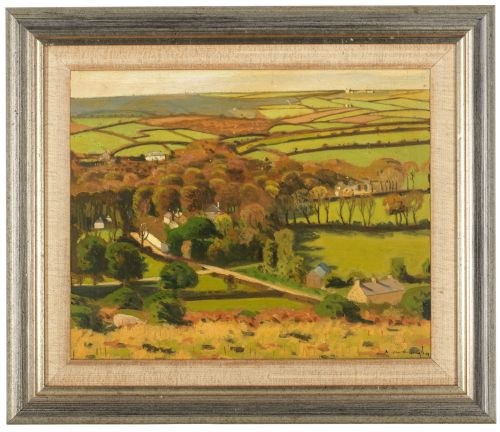
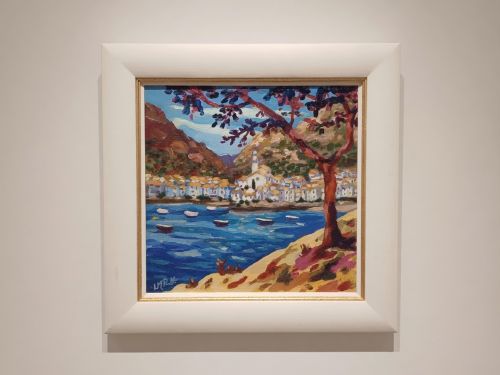
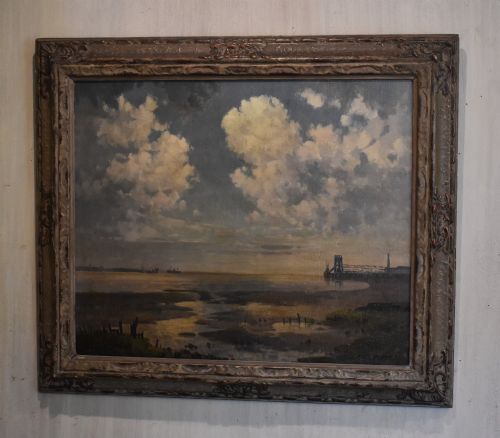
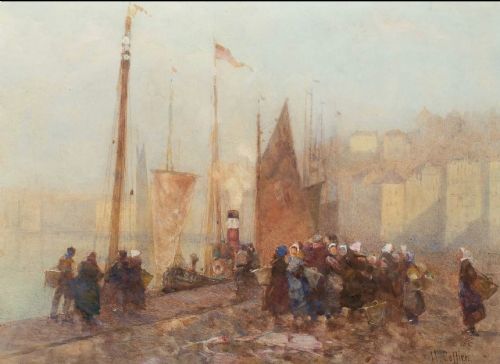
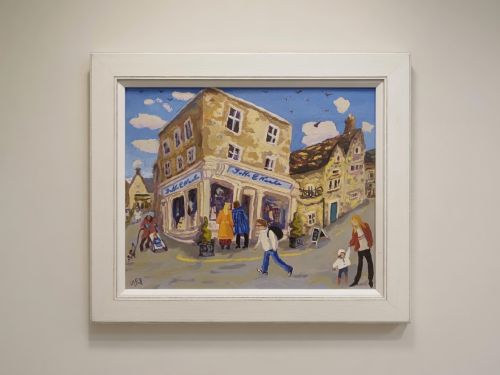
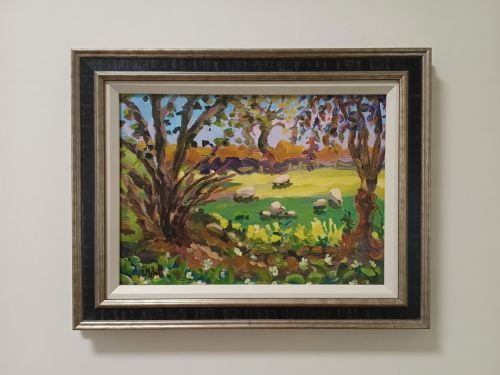
The subjects on this page lean heavily toward British landscapes, coastal harbours in Cornwall, pastoral scenes with sheep and trees, and occasional portraits or city views. Most pieces capture scenes en plein air, recording fleeting moments of light and weather.
Works on this page range from named nineteenth-century artists to early twentieth-century painters influenced by continental movements, alongside later twentieth-century interpretations. Unattributed school pieces also appear frequently alongside signed canvases.
Materials and Techniques
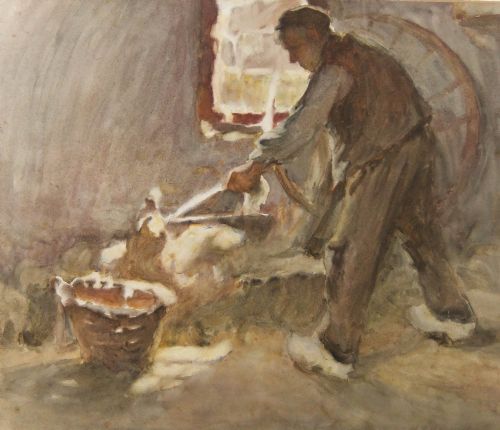
Painters recorded here applied oil paint or watercolour using loose brushwork, often building thick impasto on canvas, wood panels or paper supports. Artists worked directly outdoors en plein air to capture immediate atmospheric conditions.
Substrates vary from stretched canvas and wooden board to heavy paper and card, framed in traditional gilt or wooden surrounds. Pigments range from earthy landscape tones to vibrant spots of colour in coastal and garden views.
Sheep grazing amongst wild garlic make an unexpected appearance in the modern oils.
Evaluating Quality
Quality rests upon the confidence of the brushwork and the artist's command of light and tonal harmony across the composition. Stronger works demonstrate a sure sense of atmosphere and place rather than mere topographical recording.
Condition of the painted surface, stability of the canvas or panel, and the presence of original framing contribute significantly to the standing of an individual piece.
Arthur Wardle·Kershaw Schofield·Herbert Royle·Hector Caffieri·Lucy Pratt
The British Impressionist Art Painting Glossary
- En plein air
- Painting outdoors directly in front of the subject to capture natural light and transient atmospheric effects. This method defined much of the impressionist approach to landscape.
- Impasto
- Paint laid on an area of the surface in very thick layers, usually thick enough that the brush or painting-knife strokes are visible. It adds tactile depth to water, skies and foliage.
- Post-Impressionism
- Art styles that followed impressionism, extending its use of vivid colours and thick paint while placing greater emphasis on geometric forms or expressive content.
- Watercolour
- Paint consisting of transparent pigment suspended in a water-based solution, typically worked on paper. It allows for luminous, rapid washes of colour.
British Impressionist Art Painting: Frequently Asked Questions
What periods do these paintings cover?
The works span from the Victorian era and the late nineteenth century through the 1920s, 1930s and 1940s, extending into mid-century and later contemporary pieces.
Most items date from the early decades of the twentieth century, reflecting the spread of impressionist methods among British artists.
Where were these scenes typically painted?
Subjects focus heavily on British landscapes, rural villages, and coastal locations such as Cornwall, St Ives and Salcombe.
Occasional works depict continental scenes, including views in Italy and France, painted by British artists travelling abroad.
How do I care for an oil painting?
Keep paintings away from direct sunlight, extreme temperature fluctuations, and damp environments to protect the canvas and paint layers.
Dust surfaces gently with a soft, dry brush and avoid using liquid cleaners on either the painted canvas or the frame.