
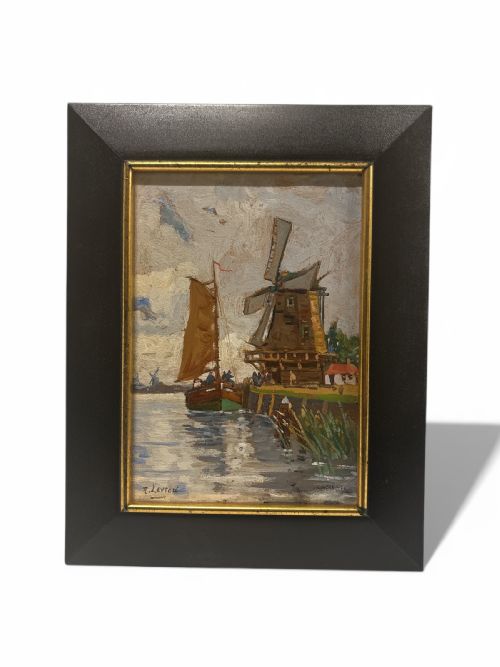




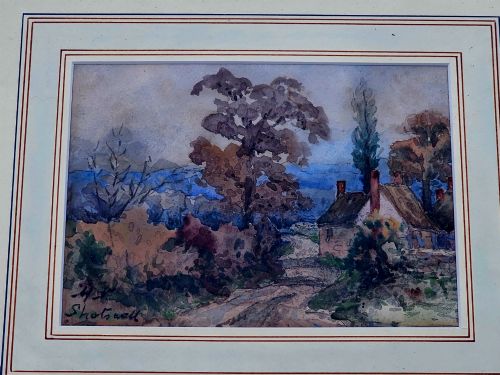
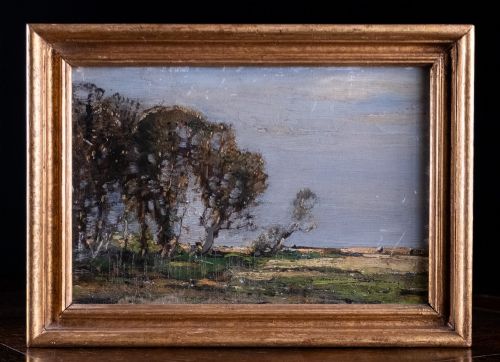
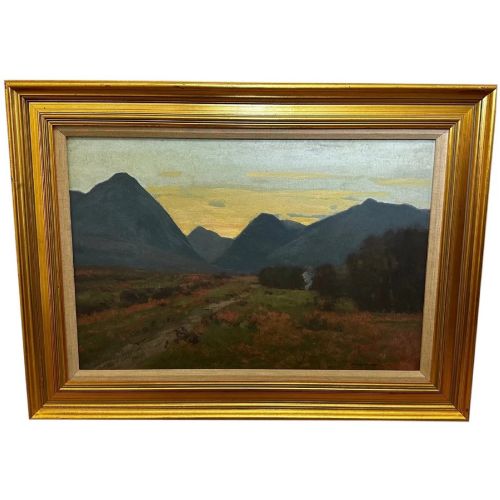

Vintage Impressionist Landscape Painting
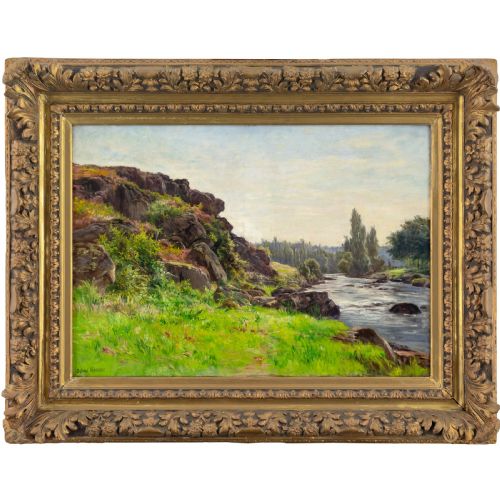
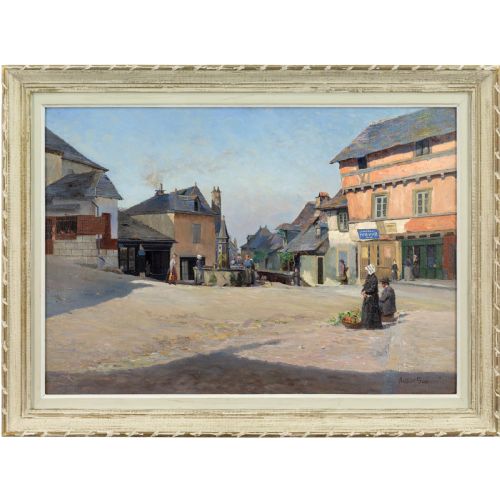
A vintage impressionist landscape painting captures light and atmosphere through loose brushwork, bringing movement and colour to interior walls.
Vintage Impressionist Landscape Painting
A vintage impressionist landscape painting records outdoor scenes, marine views, and cityscapes through the lens of late nineteenth and twentieth-century movements. Buyers seek these canvases and watercolours for their atmospheric depictions of rivers, coastlines, and rural fields.
The pieces on this page span from the nineteenth century through the 1960s, encompassing British Impressionism, Post-Impressionism, and continental European works. Oil paint on canvas or board dominates the selection, accompanied by occasional watercolours on paper.
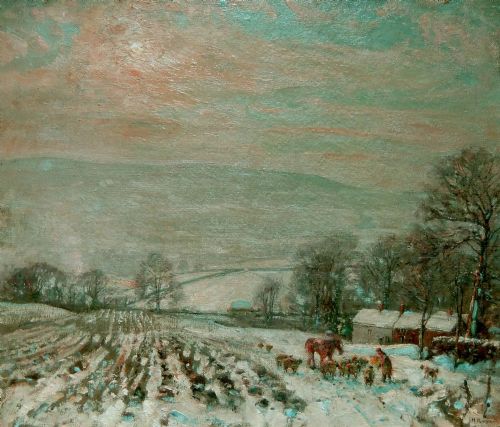
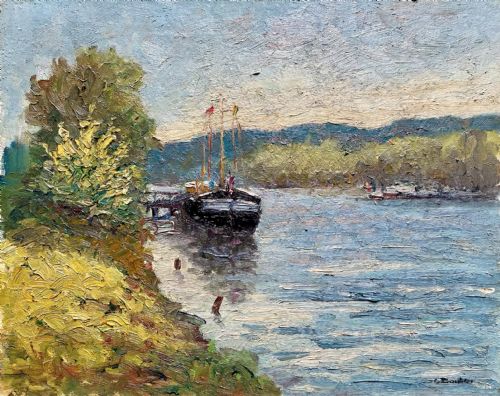
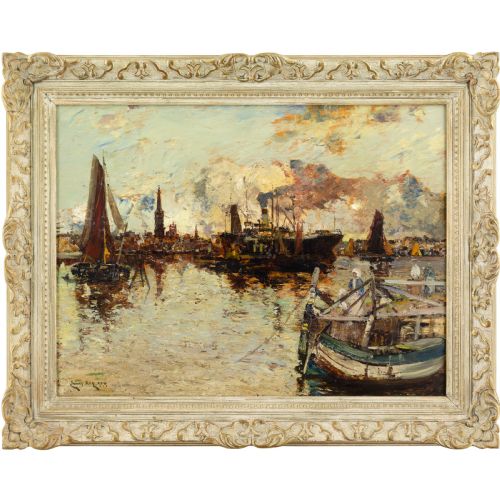
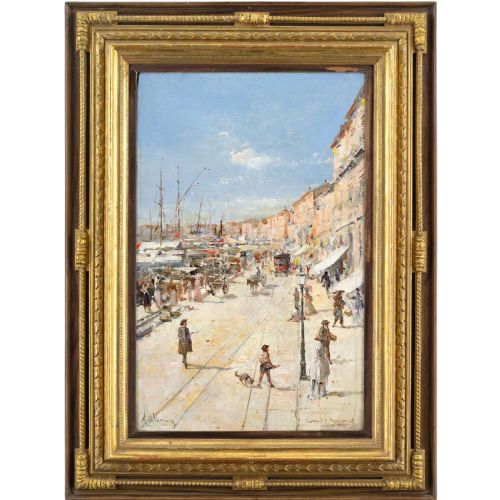
Subjects range from Cornish harbours and Yorkshire pastures to French riverbanks and Venetian canals. Works vary from intimate en plein air studies to substantial framed cityscapes.
How They Were Made
Artists painted primarily with oil paint on canvas or wood panels, building texture with thick impasto strokes or smooth, rapid applications. Watercolours on paper capture lighter, more transparent atmospheric effects during the same periods.
Many works were executed en plein air directly outdoors to capture transient effects of natural light and weather. Canws supports are frequently housed in period gilt frames that complement the painted surface.
What Varies in Quality
Quality rests in the confidence of the brushwork and the artist's command of light and tonal harmony. Stronger paintings convey immediate atmosphere and depth, whereas lesser examples rely on formulaic mark-making without structural conviction.
The preservation of the pigment layer and the integrity of the original support determine the longevity of the piece. Surviving frames contemporaneous with the painting enhance the overall integrity of the work.
R Leyton·George Graham·Clifford Hanney·Sidney A Court·Kershaw Schofield·George Houston·Herbert Royle·William Banks Fortescue·James Kay·Augusto Alberici·Gabriel Mathieu·Arthur Gué·Charles Houben·Antonio DeVity·Clive Browne·Paul Bret·Francisco Sancha·Cyril Walduck Edwards·Alfred Wolmark·Eric Brown·Willem Bos·Henri Ottmann·Ernest Higgins Rigg·Harry Kluge·Sir Alfred East
The Vintage Impressionist Landscape Painting Glossary
- Impressionism
- A nineteenth-century painting style characterised by relatively small, thin yet visible brush strokes and an emphasis on accurate depiction of light. It changed how artists recorded the natural world.
- En plein air
- The act of painting outdoors to capture the direct effects of light upon objects in natural settings. This method became central to impressionist practice.
- Impasto
- Paint applied thickly to a canvas, standing out from the surface so that brush or palette-knife marks remain visible. It adds physical depth and texture to foliage, water, or clouds.
- Post-Impressionism
- A predominantly French art movement that developed from about 1880 to 1905, extending impressionism while rejecting its limitations. Artists sought greater emotional expression and structural form.
- Maritime Impressionism
- A specialised genre focusing on coastal scenes, harbours, ships, and the open sea rendered through impressionist techniques. These works emphasise the restless movement of water and shifting marine skies.
Vintage Impressionist Landscape Painting: Frequently Asked Questions
How do I date a vintage impressionist landscape painting?
Dating relies on stylistic evidence, signatures, framing materials, and inscriptions on the reverse of the canvas or board. Comparison with documented periods like British Impressionism or continental Post-Impressionism narrows the timeframe further.
Examine the stretcher bars, canvas weave, and any gallery labels for additional clues. Pigment analysis and biographical records of the artist provide definitive chronological markers.
What is the difference between an oil painting and a watercolour?
Oil paintings utilise pigment suspended in drying oils applied to canvas or wood, allowing for thick impasto and rich colour blending. Watercolours use water-soluble pigments on paper, producing transparent washes and lighter, more delicate effects.
Oils offer greater durability and texture, whereas watercolours require protective glass framing. Both mediums were employed concurrently within impressionist traditions.
Where should I hang a vintage impressionist landscape painting?
Choose walls away from direct sunlight and excessive humidity to protect the paint surface and any gilt wooden frame. Stable indoor environments prevent canvas warping and pigment degradation over time.
Position paintings at eye level where natural ambient light complements the brushwork. Adequate spacing allows the atmospheric qualities of the landscape to breathe within the room.
Are these paintings signed by the artist?
Many works bear visible signatures or initials by the artist, often located in the lower corners of the composition. Some pieces feature inscriptions, dates, or titles written on the reverse stretcher or board.
Indistinct or missing signatures do not preclude quality, as many accomplished regional and school works remain anonymous. Attribution then depends on style, technique, and subject matter.