
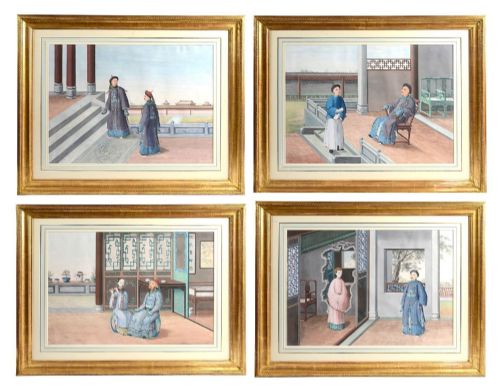
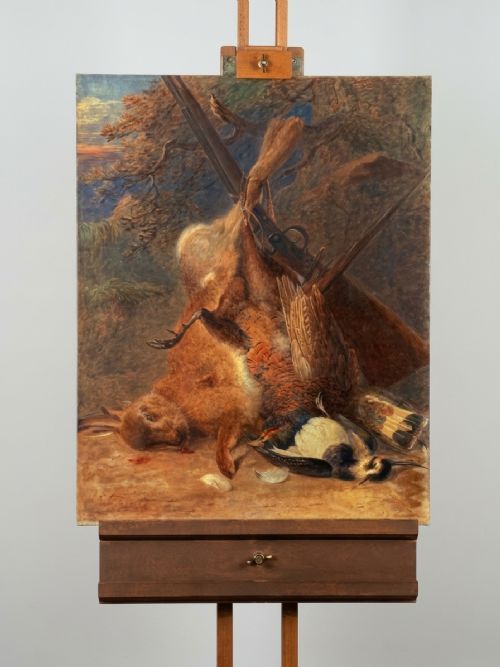
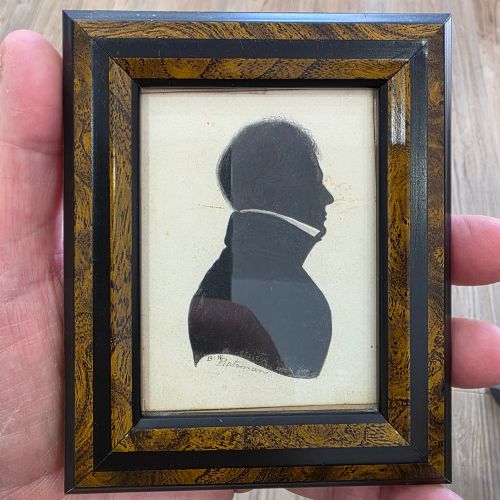
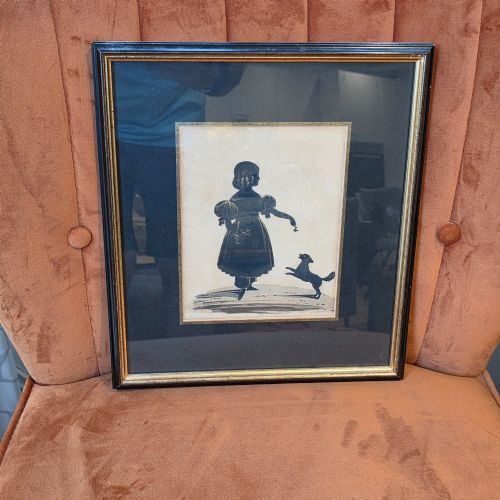

Framed Paper Art Picture
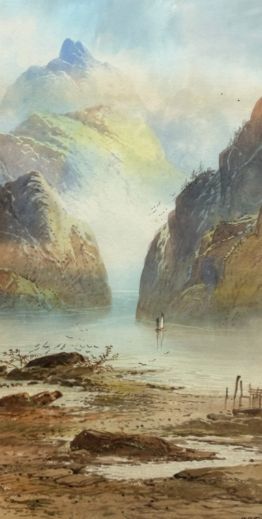
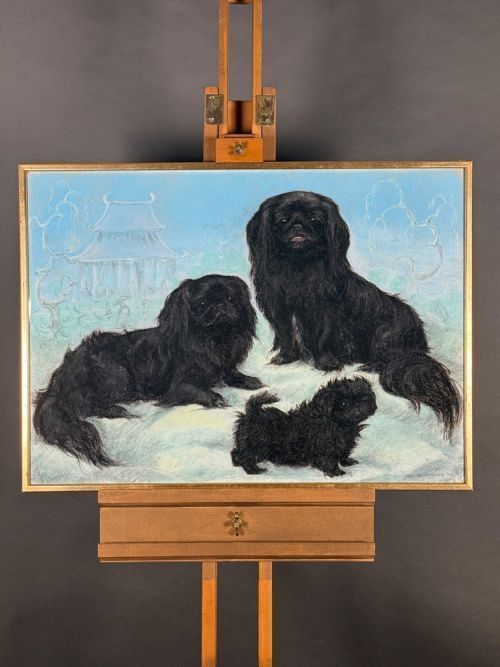
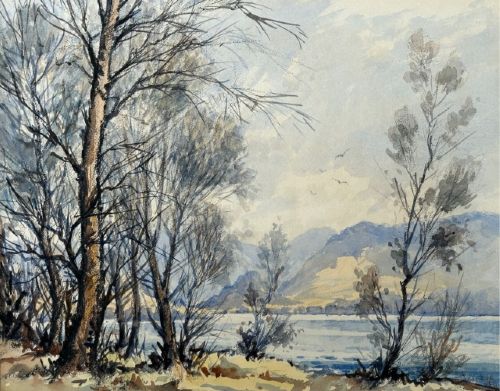
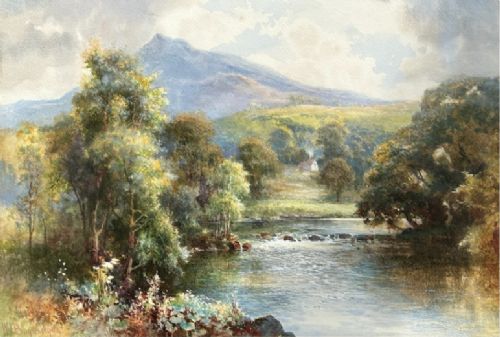
These framed paper art pictures span centuries of ink, watercolour, and pastel preserved behind glass in wood frames.
Framed Paper Art Picture
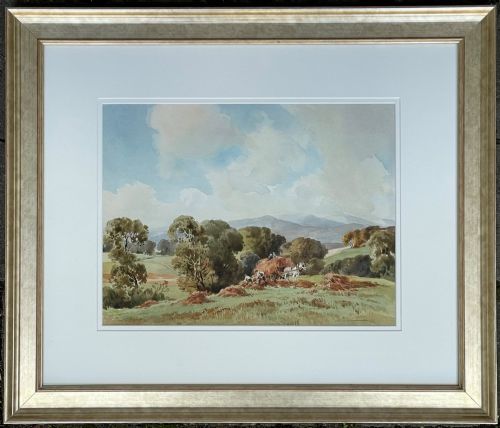
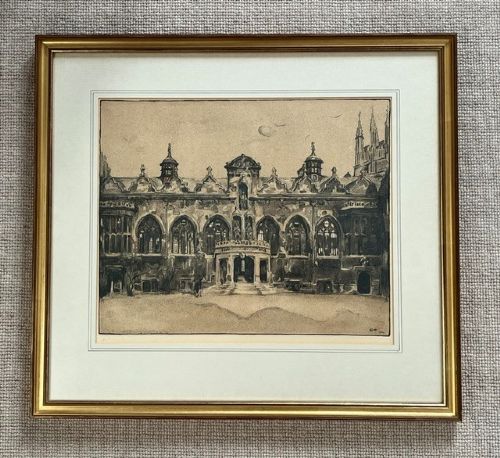
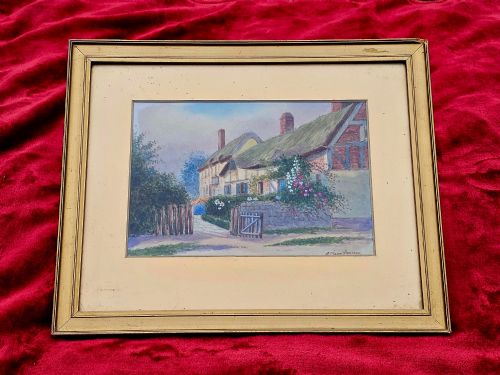
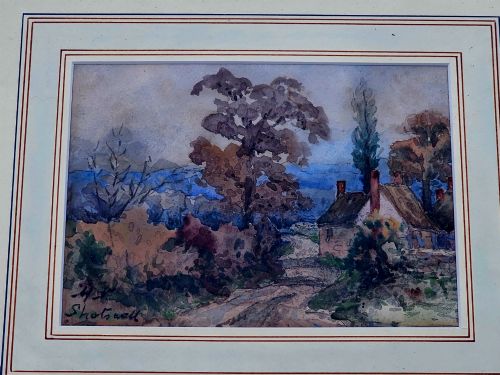
A framed paper art picture encompasses a wide range of works on paper, spanning from delicate silhouette portraits and pencil sketches to robust watercolours and engravings. Buyers browsing this selection will frequently encounter 19th-century watercolours and silhouettes alongside early 20th-century etchings and pastels.
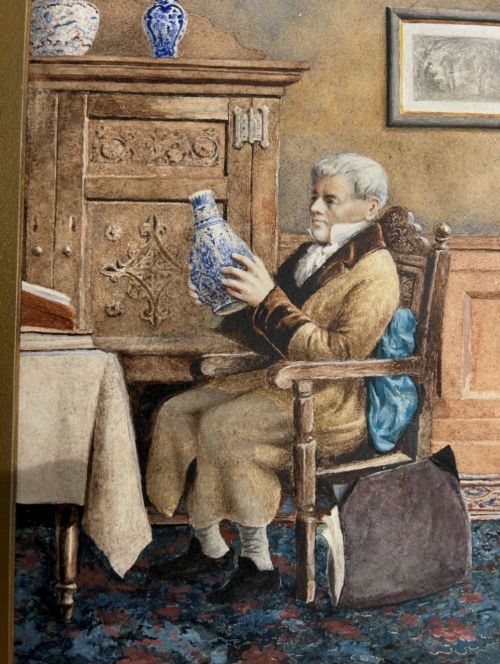
The assortment on this page draws from multiple eras, including Georgian, Victorian, Edwardian, and mid-century modern periods. Forms range from maritime scenes and landscape paintings to portraiture and caricatures, all preserved behind glass.
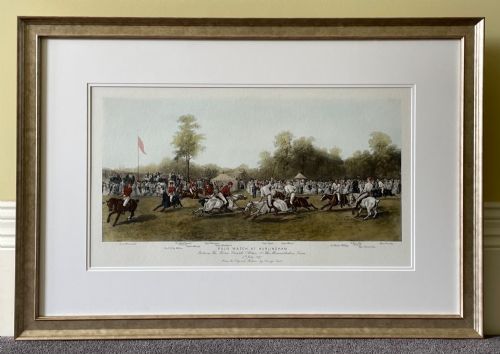
Origins vary from British regional landscapes to Chinese export gouache paintings and French engravings. This variety allows collectors to find both intimate portrait miniatures and large equestrian studies.
What Varies in Quality
Quality rests primarily on the sureness of the hand, whether in the delicate brushwork of a landscape or the precise cutting of a silhouette portrait. Works executed by accomplished artists or established galleries demonstrate superior draftsmanship compared to anonymous decorative pieces.
The preservation of the paper and the medium heavily influences the standing of a piece. Strong pigment retention in watercolours and pastels, combined with the presence of an original period frame, elevates the work.
Listings feature paper art spanning the 18th, 19th, and 20th centuries, executed in watercolour, pastel, etching, and engraving.
William James Hubard·Henry Stacy Marks·Sir William Nicholson·Percy Lancaster·Herbert Dicksee·Augustin Edouart·George Finch Mason·Étienne Baudet·Thomas Maidment
The Framed Paper Art Picture Glossary
- Silhouette
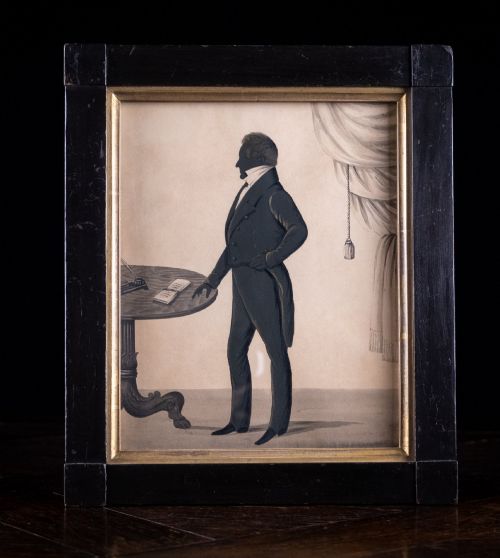
- A portrait profile cut from dark paper or painted onto a light background, popular in the 19th century. These works often depict sitters with striking economy of line.
- Etching
- A printmaking method where lines are bitten into a metal plate with acid before ink is applied and transferred to paper. Artists often signed these impressions in pencil.
- Gouache
- An opaque watercolour medium that provides solid blocks of matte colour. It appears frequently in Chinese export paintings and wartime portrait sketches.
- Mezzotint
- A tonal printmaking process on copper that allows for smooth gradations of light and dark. It was widely used for reproducing stately portraits.
- Aquatint
- A variant of etching capable of producing broad tonal areas that resemble watercolours. This technique saw frequent use in sporting and horse racing prints.
Framed Paper Art Picture: Frequently Asked Questions
How should I hang these pictures?
Keep works on paper away from direct sunlight to prevent the watercolour pigments and pastels from fading over time. Stable indoor humidity levels protect both the paper support and the wooden frame.
Grouping smaller silhouettes or etchings together creates a strong visual impact on a wall. Ensure the hanging wire and wall fixings adequately support the weight of the glass and wood frame.
Are original frames important?
Original frames, such as period Hogarth mouldings, add historical context and complement the age of the artwork. They show how the piece was presented to contemporary viewers.
Replacement frames are common and practical if the original housing deteriorated beyond repair. Matching the timber tone to the era of the paper art maintains visual harmony.
How do I identify a silhouette?
Silhouettes rely on stark profile contrasts, usually featuring a black cut-paper figure mounted on a light card. Some examples add gilded highlights to uniforms or dresses.
Signatures or gallery stamps on the reverse, such as those from the Hubard Gallery, often confirm the origin. Early examples usually feature handwritten ink inscriptions detailing the sitter.
What is the difference between an etching and a lithography?
An etching involves incising lines into a metal plate with acid to hold the ink. This leaves a characteristic impression or plate mark in the paper surface.
Lithography is a planographic method based on the repulsion of oil and water on a stone or metal plate. It produces smoother transitions without the indented plate mark found on intaglio prints.