
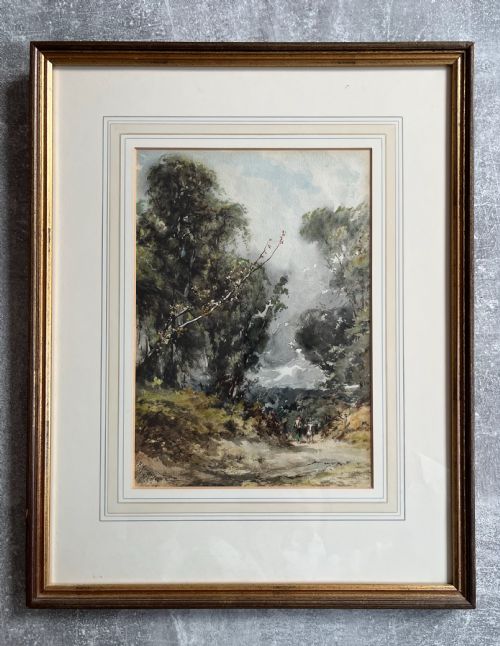
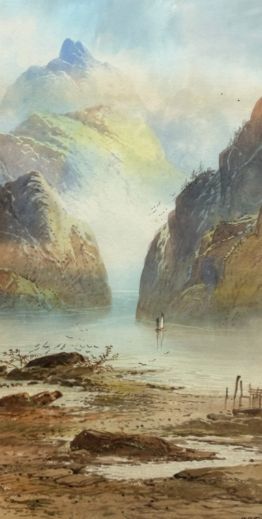
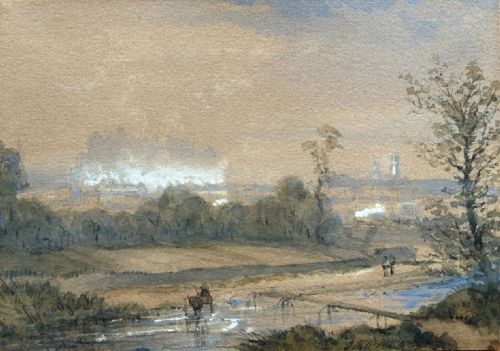

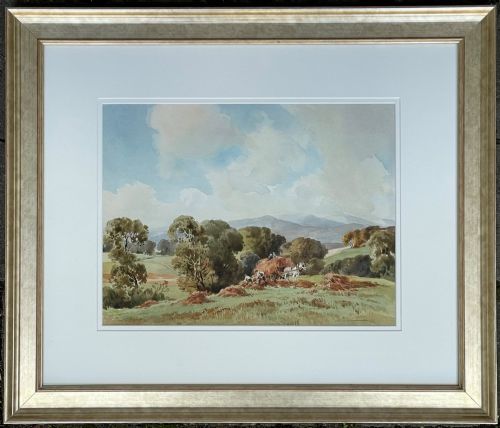
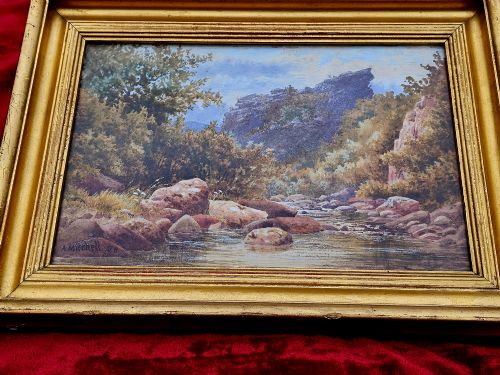
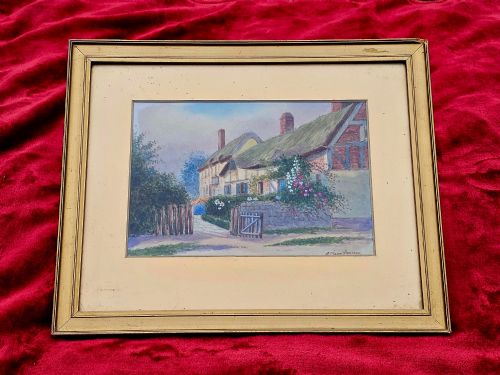
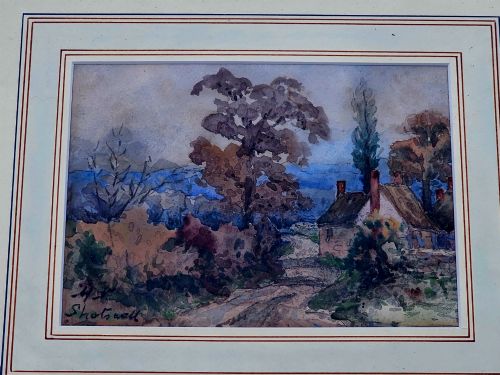
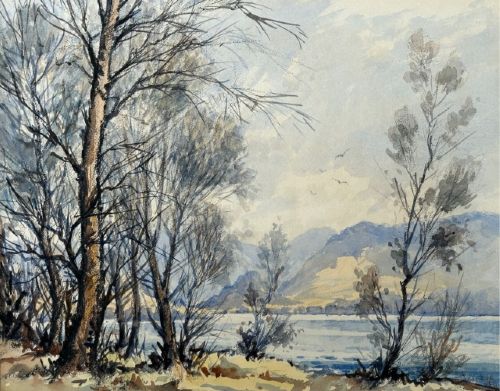
Original Watercolour Landscape Picture
An original watercolour landscape picture captures light and terrain directly upon paper, offering buyers a window into historic British and European scenery.
Original Watercolour Landscape Picture
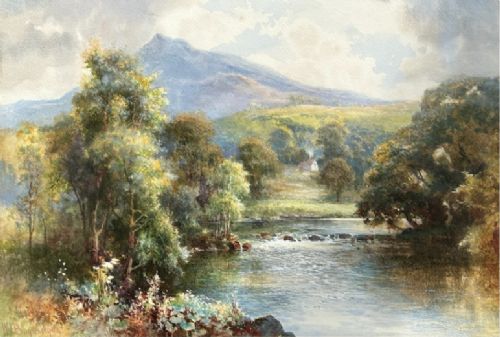
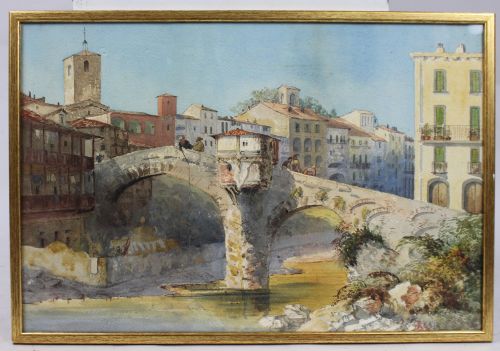
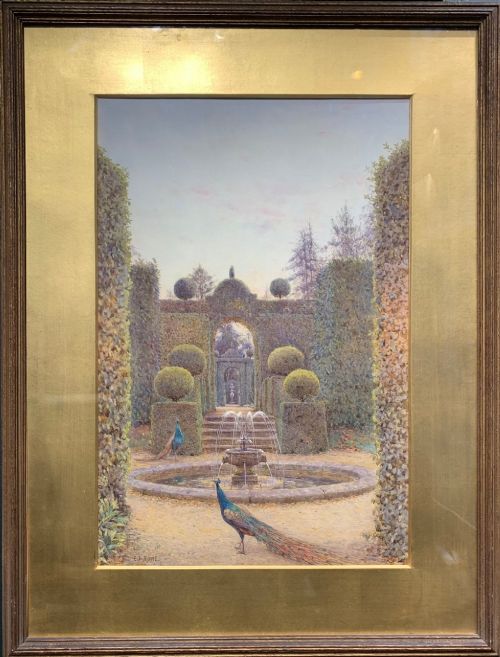
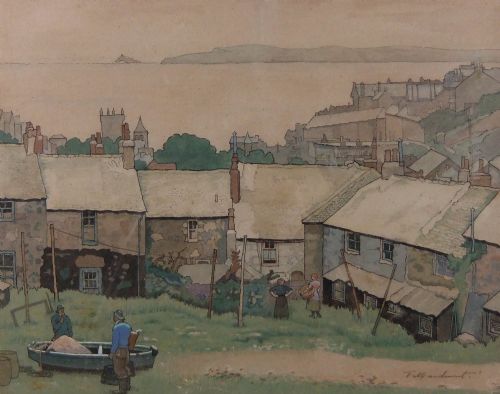
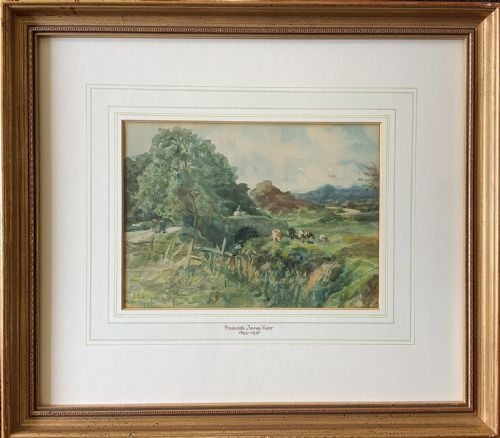
When searching for an original watercolour landscape picture, buyers encounter fine art paintings on paper spanning the nineteenth and twentieth centuries. These artworks depict scenic views ranging from Scottish lochs and Welsh valleys to Italian canals and coastal harbours.
The selection on this page leans heavily toward Victorian and Edwardian works, alongside early twentieth-century British Impressionism. Pieces often arrive framed in wood and glass, preserving the delicate pigment beneath.
Subjects encompass pastoral farmland, river estuaries, moorlands, and historic architectural views. Each painting represents a direct application of pigment by hand, recording topography and atmosphere from a specific decade.
How they were made
Artists applied watercolour pigment and paint directly onto absorbent paper sheets, utilising the white of the paper to create luminosity and highlights. Painters built up transparent washes for skies and water while employing denser applications for foreground foliage and architectural detail.
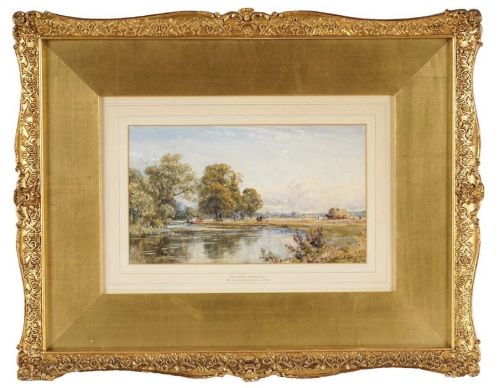
Finished works were typically mounted behind glass within wooden frames, sometimes accented by gilt wood or gold leaf mouldings. This traditional framing protected the vulnerable paper surface from atmospheric moisture and handling over the decades.
Listings span multiple decades from the 1870s through the 1960s, executed primarily in watercolour pigment on paper.
What varies in quality
Quality rests upon the artist's handling of light, atmospheric depth, and structural composition within the landscape. Masterful brushwork and confident washes distinguish accomplished topographical recording from rigid or formulaic depictions.
The preservation of the paper and the vibrancy of the watercolour pigment further dictate the standing of a piece. Works retaining their original colour balance without excessive fading command greater appreciation among collectors.
George Fotherly Hargitt·William Henry Earp·John R Prentice·Alfred Young Nutt·Percy Lancaster·Robert Leslie Howey·William Joseph Boyes·Robert Thorne Waite·Richard Henry Wright·Ernest Arthur Rowe·Thomas Maidment·Frederick James Kerr·Henry Martin Pope·John Moxon·F.J. Snell·William Frederick Settle·Alfred George Morgan·John Bedloe Goddard·Cornelius Pearson·Charles Gregory·Samuel Timmins·William Lee Hankey·Henry Charles Fox·Arthur Wardle·Robert Little
The Original Watercolour Landscape Picture Glossary
- Watercolour paint
- A medium consisting of colour pigments suspended in a water-soluble vehicle, applied to paper to create translucent colour layers.
- British Impressionism
- A painting style emerging in the late nineteenth and early twentieth centuries focusing on light and spontaneous brushwork in British subjects.
- Gilt wood
- Wood coated with a thin layer of gold leaf or metallic gilt, frequently found on traditional picture frames.
- Victorian
- Pertaining to the reign of Queen Victoria, a period represented extensively through nineteenth-century landscape art.
- Diptych
- An artwork consisting of two painted panels or sheets presented together as a single matched pair.
Original Watercolour Landscape Picture: Frequently Asked Questions
What subjects do these watercolours show?
The listings feature diverse scenery including Scottish lochs, Welsh valleys, Yorkshire abbeys, and coastal harbours. Many pieces document rural landscapes, pastoral farmlands, and historic architectural views.
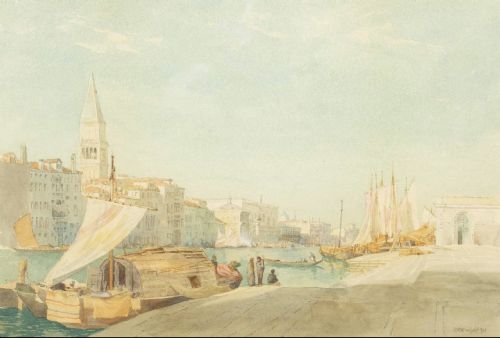
Artists also recorded European locations such as Venetian canals alongside English coastal cliffs and river estuaries. Each scene reflects the topography observed during the nineteenth and twentieth centuries.
How do I identify a Victorian landscape?
Victorian watercolours frequently exhibit detailed topographical accuracy combined with traditional picturesque composition. Signatures, dates, and framing often provide direct evidence of the nineteenth-century origin.
Subject matter often includes pastoral countryside, dramatic mountain passes, and historic ruins executed with controlled washes. Style markers align with the academic and romantic tendencies of the Victorian era.
Are these paintings signed by the artist?
Many watercolours on this page feature artist signatures, monograms, or period inscriptions either on the front of the image or on the reverse. Documentation often links specific pieces to known painters from the nineteenth and early twentieth centuries.
Signatures provide a direct attribution to British and European artists registered with academies or regional art groups. Unsigned works are attributed based on style, technique, and period characteristics.