

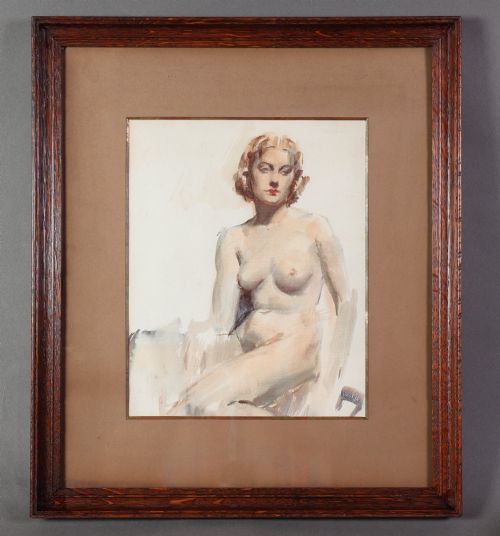
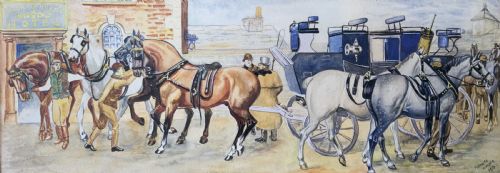
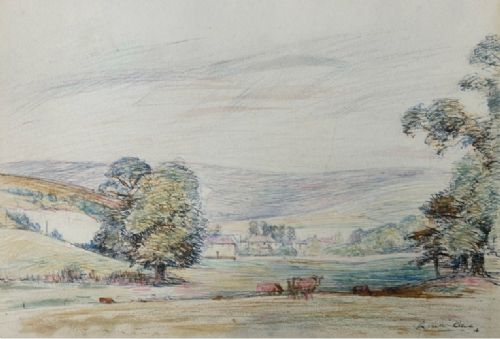
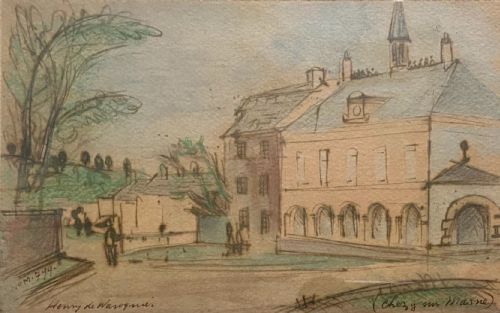
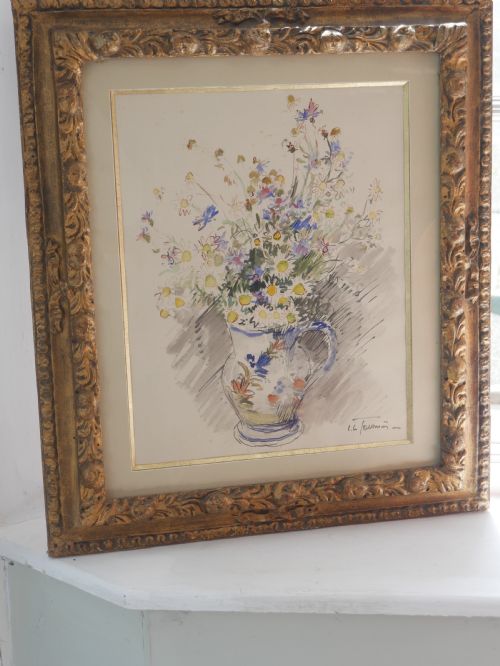

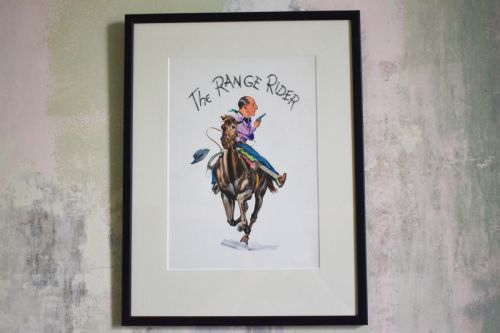
Original Watercolour Drawing
An original watercolour drawing captures a singular, hand-painted moment on paper, offering direct contact with the artist's initial mark-making.
Original Watercolour Drawing
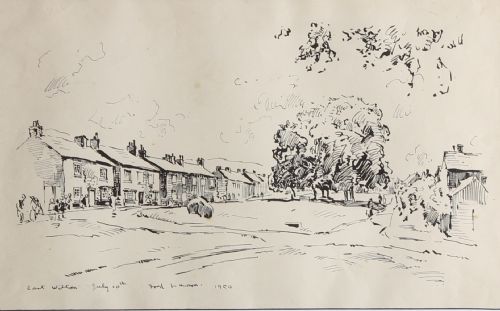
When you search for an original watercolour drawing, you are looking at works on paper that combine fluid pigments with linear mediums such as ink, pencil, or graphite. These pieces span from the Georgian period through the Victorian and Edwardian eras into Mid-Century Modern and post-war decades.
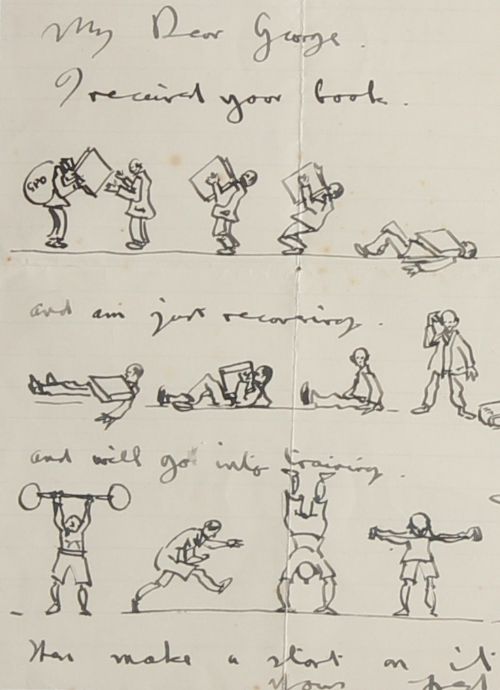
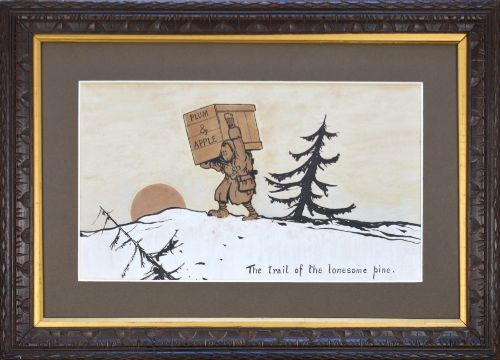
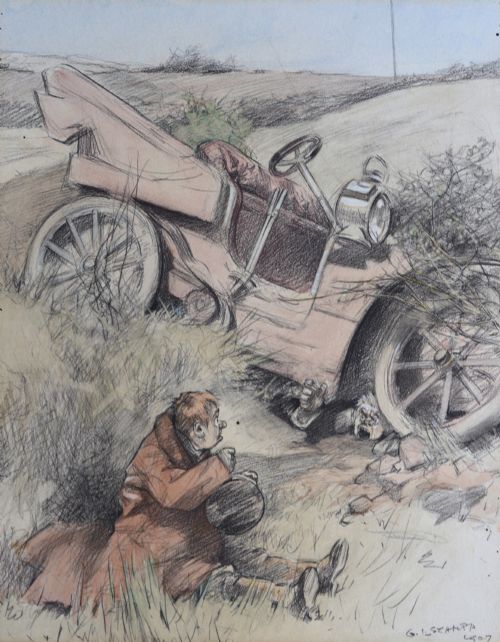
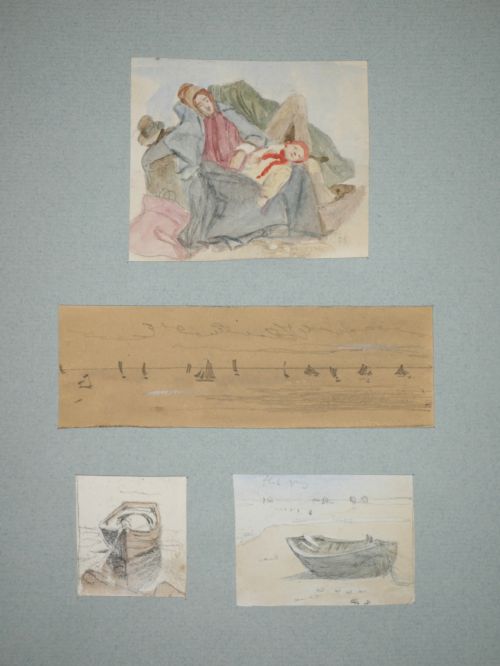
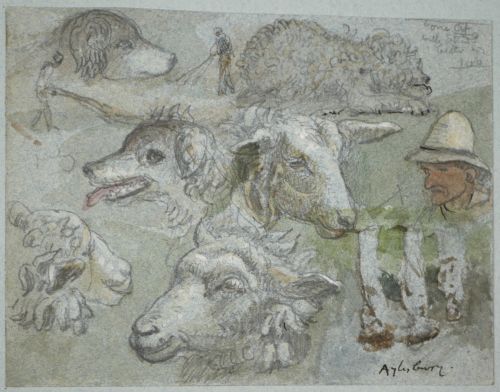
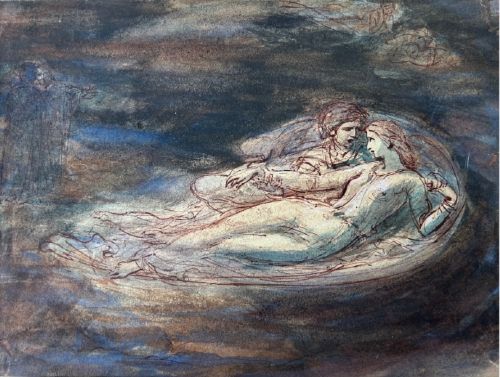
The selections on this page range from landscape scenes and marine sketches to architectural designs, character studies, and floral still lifes. You will encounter works by named British and European artists alongside items produced by the anonymous hands of the wider continental and domestic schools.
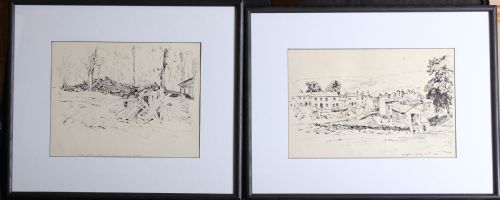
Most examples are preserved behind glass within period wood frames, often retaining their original mounts. Their forms vary from intimate preparatory sketches and book illustrations to finished exhibition pieces and commercial design sheets.
Materials and Techniques
These works rely fundamentally on paper supports paired with water-soluble pigments, frequently augmented by ink, charcoal, pastel, or pencil. Artists applied transparent or opaque washes of watercolour to build tone and atmosphere, often defining contours with delicate pen work or heavier graphite lines.
Many sheets incorporate mixed media techniques, blending ink wash with bodycolour or pastel under glass to achieve texture and depth. Conservation framing typically involves timber mouldings, ranging from simple oak surrounds to elaborate gilt frames suited to Victorian and Edwardian aesthetics.
Markers of Quality
Quality in these works rests upon the surety of the hand and the economy of the line, distinguishing confident studies from hesitant copies. The relationship between the fluid watercolour washes and the underlying ink or pencil structure reveals the maker's technical command.
Condition and preservation play a vital role, particularly the integrity of the paper support and the vibrancy of the pigments against light degradation. Original frames, contemporary signatures, and documented provenance elevate a piece from a standard archival record to a distinguished collector's item.
Fred Lawson·Bruce Bairnsfather·George Lorain Stampa·Alfred Young Nutt·James Smetham·Russell Sidney Reeves·Henry de Waroquier·Albert Ludovici Jnr·Michael Healy·Gen Paul·Dame Elisabeth Frink·James Tower·William Frederick Settle·Charles James Lauder·Stanley Orchart·Edward Dayes·J W Hogley·Raoul Millais·William Edward Frost·Robert Richard Scanlan·Arthur Todd·Adrian Heath·Thomas Rowlandson·Charles H Poingdestre
The Original Watercolour Drawing Glossary
- Wash
- A thin, semi-transparent layer of diluted watercolour pigment spread evenly across the paper to create skies, water, or background depth.
- Bodycolour
- Watercolour pigment mixed with white chalk or honey to create an opaque, gouache-like finish that highlights specific areas.
- Provenance
- The documented history of ownership that traces a work of art from its creation to the present day.
- Mount
- A cardboard or paperboard border placed between the artwork and the frame to prevent the glass from touching the paper surface.
Original Watercolour Drawing: Frequently Asked Questions
Are these works signed by the artist?
Many examples bear the artist's signature, monogram, or contemporary annotation inscribed directly onto the paper surface. Others remain unsigned, originating instead from established regional schools or anonymous studio practices.
Attributions for unsigned sheets rely on stylistic comparisons, period materials, and documentary evidence such as old gallery labels or archival records. Unsigned works from recognised periods offer an accessible entry point into collecting historical works on paper.
What is the difference between a sketch and a finished painting?
Preparatory sketches and drawings generally focus on rapid observation, capturing gesture, movement, or composition with minimal pigment. They often reveal the working method of the artist through visible pencil underdrawings and spontaneous ink lines.
Finished watercolours display a higher degree of worked detail, layered washes, and tonal completion intended for exhibition or publication. Both forms hold distinct appeal for collectors, depending on whether one prefers immediacy or polished execution.
Can I reframe a period watercolour safely?
Reframing is possible, but you should retain any historical backing boards, artist inscriptions, or gallery labels attached to the reverse. These elements often provide crucial provenance and dating clues that establish the history of the piece.
Consult a professional framer who utilises reversible mounting techniques and conservation-grade materials to preserve the paper. Altering or discarding original period frames should be weighed carefully against the historical integrity of the object.