
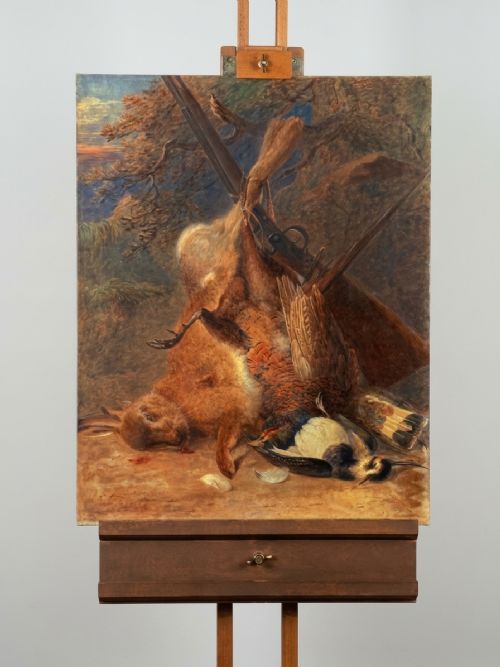
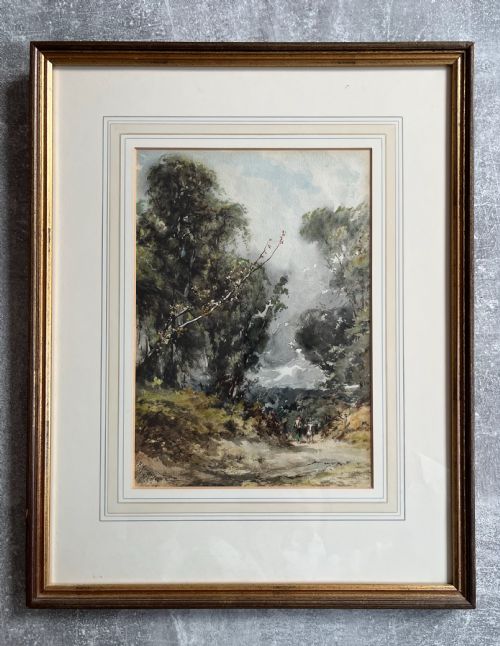
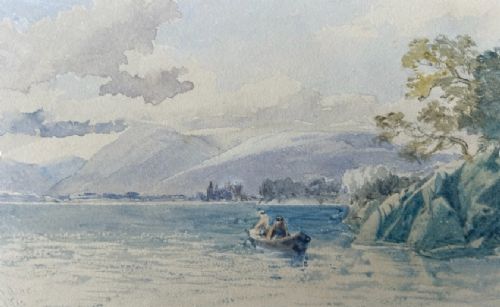

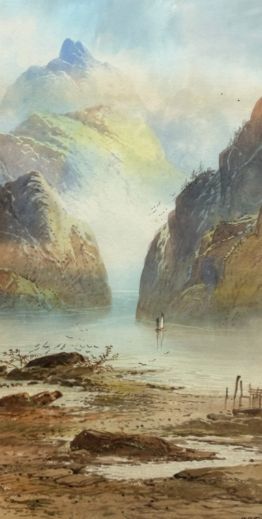

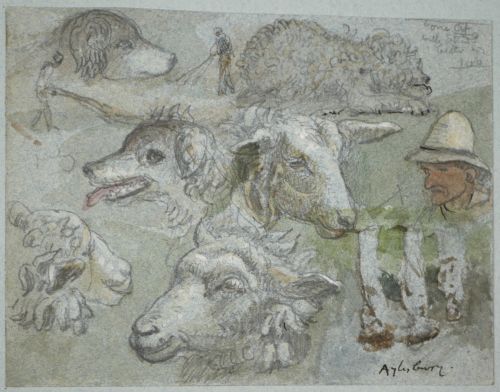
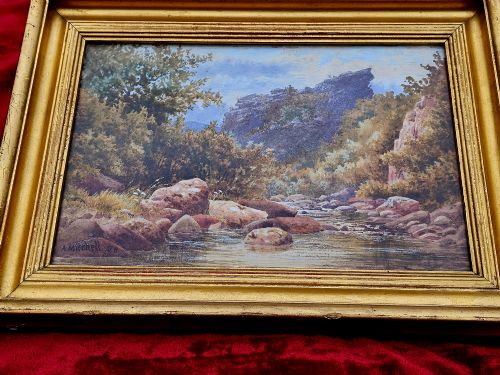
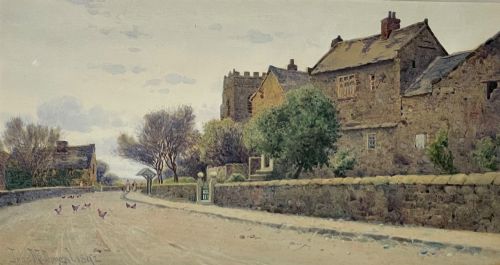
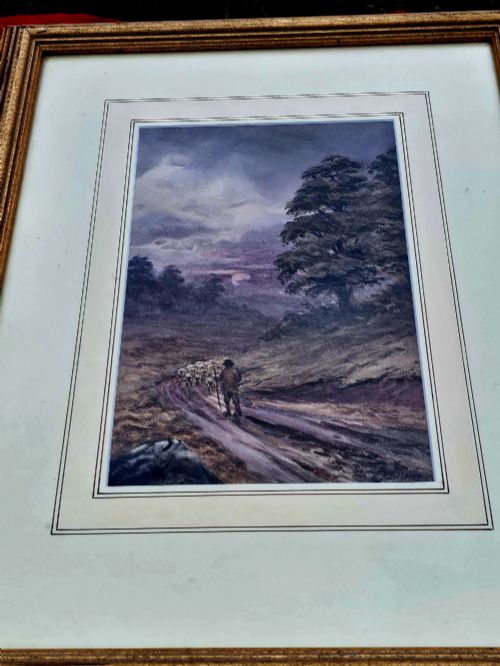

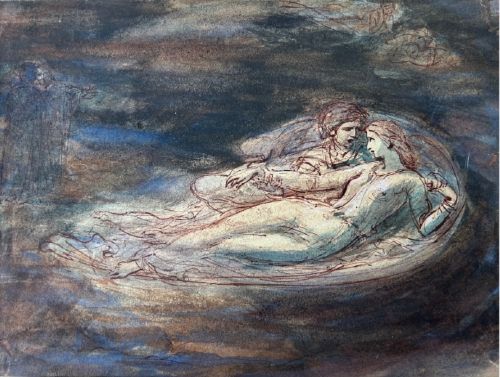
Original Victorian Watercolour
Original victorian watercolour paintings capture landscapes, seascapes, and portraits on paper, offering collectors direct access to nineteenth-century British artistic skill.
Original Victorian Watercolour
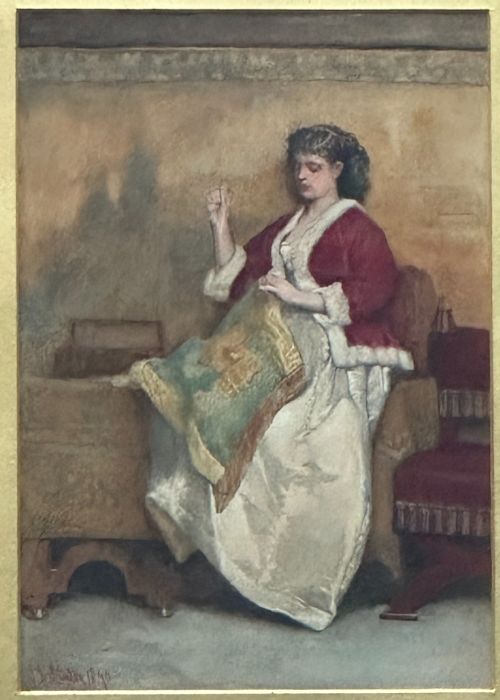
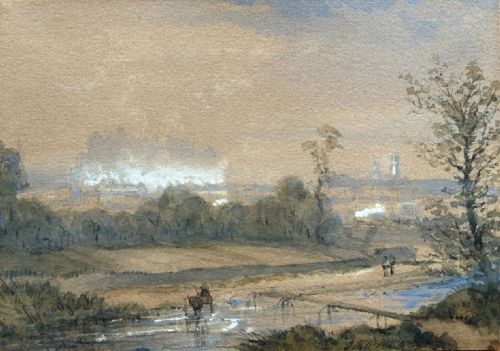
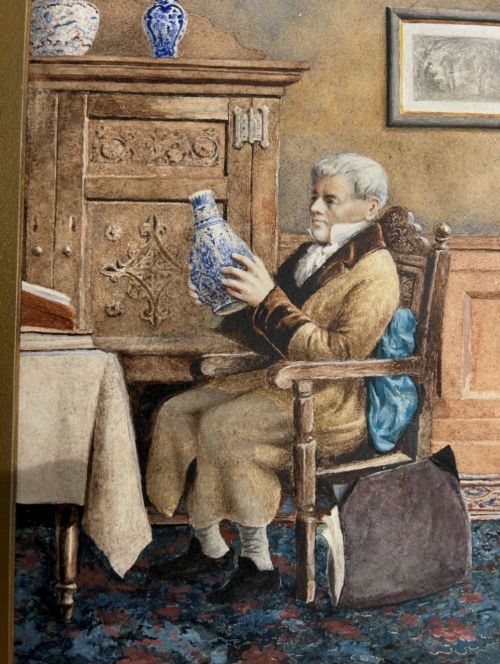
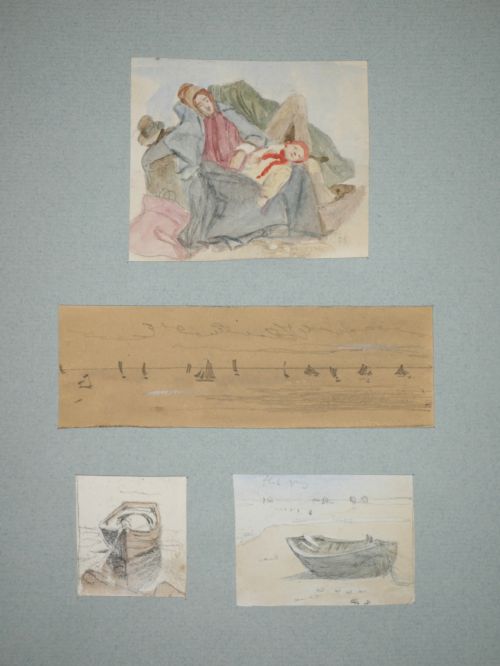
An original victorian watercolour represents works executed on paper during the nineteenth century, ranging from intimate miniature portraits to exhibition-sized landscapes. Collectors encounter subjects spanning coastal scenes, rural landscapes, botanical studies, and figurative genre pieces.
The works originate predominantly from British artists working across the Victorian and Edwardian eras, with many pieces carrying signatures, dates, or contemporary inscriptions. Regional scenes from Scotland, Wales, and various English counties frequently appear alongside continental European views.
Format choices include standalone works on paper, bound albums, and pieces presented in period wooden or gilt frames behind glass. Smaller portrait miniatures and botanical studies often feature specialised mounts such as rosewood frames or brooch settings.
How They Were Made
Artists applied watercolour pigment suspended in water onto heavy paper sheets, frequently combining pencil underdrawings, bodycolour, and ink washes to build opacity and tonal depth. Miniature works occasionally utilised specialised surfaces like glass or prepared card.
Framing materials reflect nineteenth-century workshop practices, employing carved gilt wood, rosewood, ebonised timber, and bird's-eye maple alongside protective glass and paper backing boards.
Original Victorian Watercolour Retail Price Guide 2026
Typical asking prices for original victorian watercolour among the pieces listed under this phrase on Sellingantiques today, from the lower quarter to the upper quarter. They describe what is for sale here now, not the wider market.
Listings feature works spanning the nineteenth century, including pieces dated by artists from the 1840s through the Edwardian transition.
What Varies in Quality
Quality rests upon the artist's draughtsmanship, compositional complexity, and brushwork control, distinguishing hurried sketches from fully resolved exhibition pieces. Sustained chromatic vibrancy and minimal pigment fading preserve the visual impact intended by the creator.
The integration of the original period frame enhances the overall integrity of the piece, particularly when combining matching mounts, secure glazing, and documented provenance.
George Sydney Shepherd·George Fotherly Hargitt·Thomas Miles Richardson Jnr·James Orrock·William Henry Earp·Sir James Dromgole Linton·John R Prentice·Alfred Young Nutt·Henry Stacy Marks·James Smetham·A Mitchell·John McDougal·EJ Letheren·William Banks Fortescue·Robert A Nottingham·Henry Silkstone Hopwood·R Hurst·Robert Thorne Waite·Th Thibault·Hector Caffieri·Ernest Arthur Rowe·Frederick James Kerr·Alfred G Morgan·Catherine Thomas·Frederick Tatham
The Original Victorian Watercolour Glossary
- Bodycolour
- Watercolour paint mixed with a white pigment to render it opaque, allowing artists to highlight areas with solid light. This technique adds substantial weight and contrast to traditional transparent washes.
- Gilt Wood
- Timber framing coated with a thin layer of gold leaf or metallic gilt, standard for nineteenth-century fine art presentation. These frames frequently display ornate decorative mouldings.
- Pre-Raphaelite
- A style associated with a nineteenth-century brotherhood of artists committed to detailed observation, bright colours, and serious literary or moral subjects. Works from this circle emphasise naturalistic precision.
- Provenance
- The documented history of ownership and origin associated with an artwork. Clear provenance assists in confirming attribution and exhibition history.
- Works on Paper
- A category encompassing drawings, watercolours, sketches, and prints executed on paper supports. These pieces require careful environmental control to prevent light degradation.
Original Victorian Watercolour: Frequently Asked Questions
How should I display my watercolour?
Watercolours require placement away from direct sunlight to prevent fading of the delicate pigments on paper. Archival framing materials and UV-protective glass help safeguard the integrity of the artwork.
Maintaining stable indoor humidity levels prevents warping of the paper support and protects the period frame from structural deterioration.
Are these paintings signed by the artist?
Many nineteenth-century watercolours feature artist signatures, monograms, or dated inscriptions directly on the front or verso of the paper. Signed works often provide clearer pathways to biographical research and exhibition records.
Unsigned pieces frequently enter the market attributed to specific schools or followers, reflecting studio practices of the period.
What subjects are most common?
Landscape and seascape paintings dominate the category, capturing British and European rural views, coastal harbours, and mountain passes. Botanical studies, portrait miniatures, and architectural scenes also appear frequently.
Figurative genre scenes depict everyday nineteenth-century life, domestic moments, and narrative illustrations derived from literature.
How do I identify a Victorian frame?
Period frames typically employ traditional construction methods, utilising heavy timber mouldings finished with gesso, gold leaf, or specific veneers like rosewood and bird's-eye maple. Backings often consist of aged wooden boards secured with early fixings.
Original frames frequently show patination consistent with age, matching the period of the watercolour contained within.