



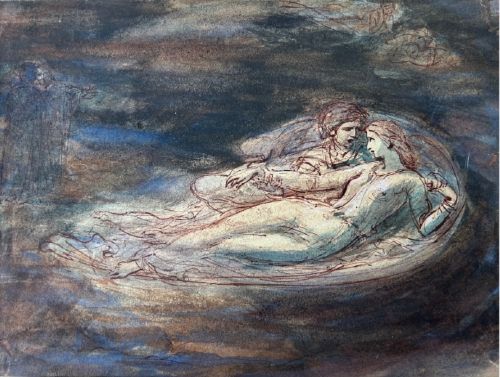
Original Victorian Watercolour Painting
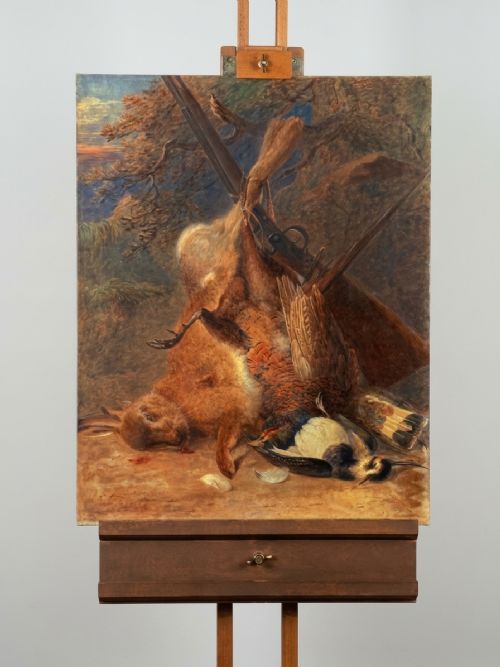
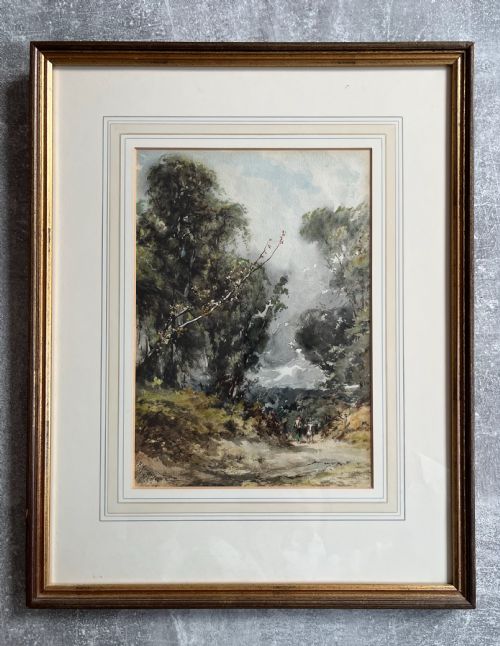
An original victorian watercolour painting brings nineteenth-century British landscape, marine, and portrait subjects into a room with soft washes and lasting colour.

Original Victorian Watercolour Painting
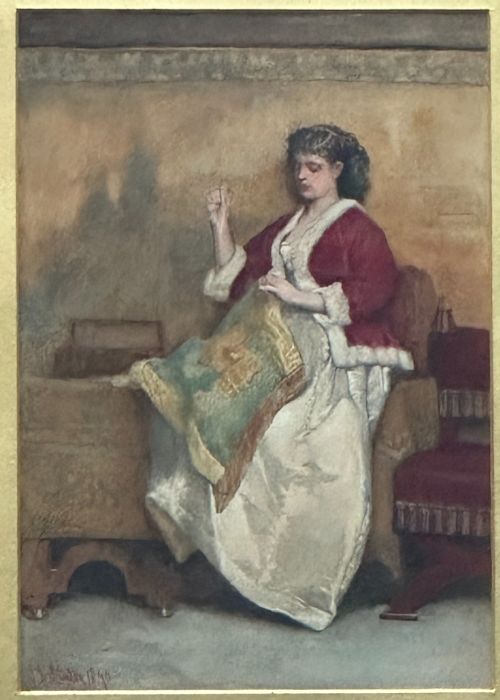
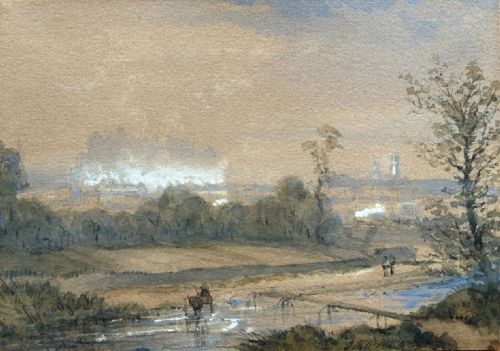
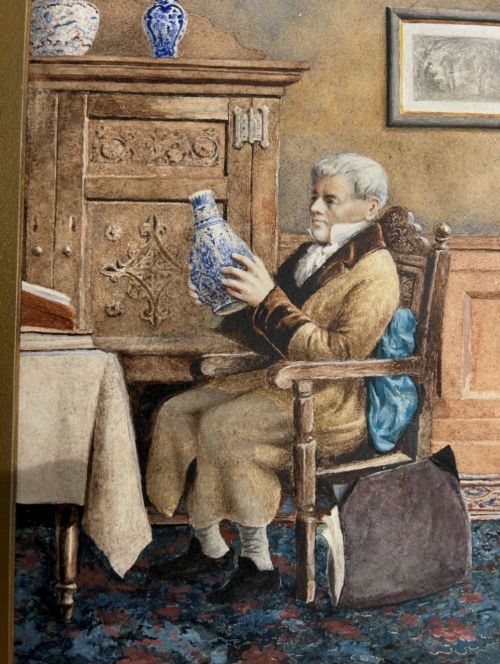
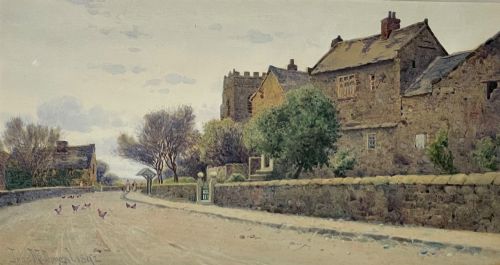
Collectors seeking an original victorian watercolour painting find works on paper spanning the nineteenth century, with particular concentration in the decades between 1860 and 1900. These pieces capture British landscapes, coastal scenes, botanical studies, and portraits executed by named artists and competent regional hands.
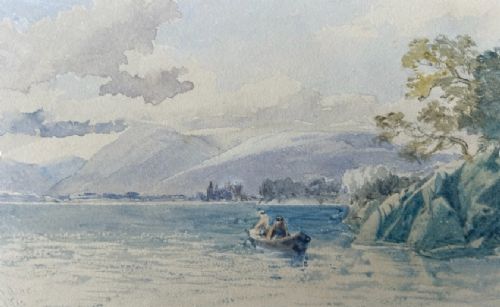
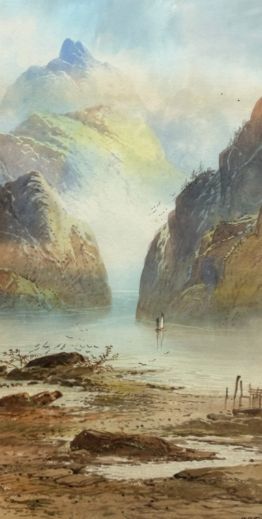
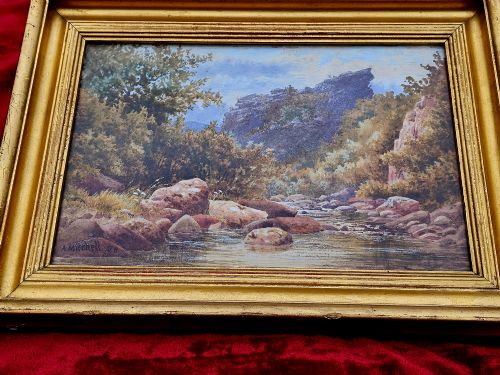
The subjects range from Scottish lochs and Yorkshire coastal bays to intimate botanical studies of roses and plums framed in rosewood or gilt wood. Smaller works on paper and miniature portraits set behind glass also appear frequently within these selections.
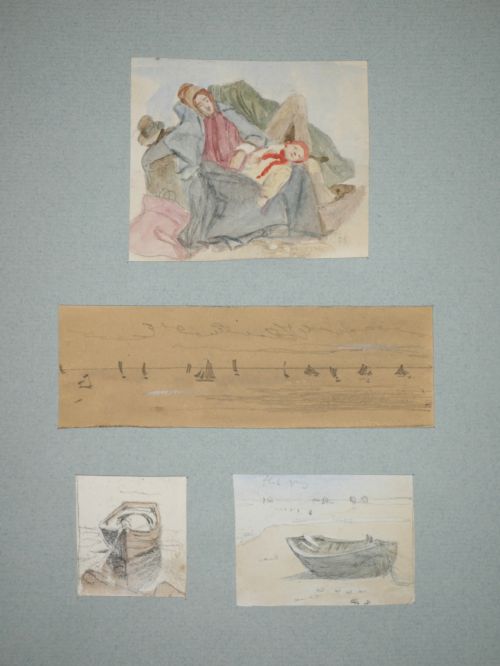
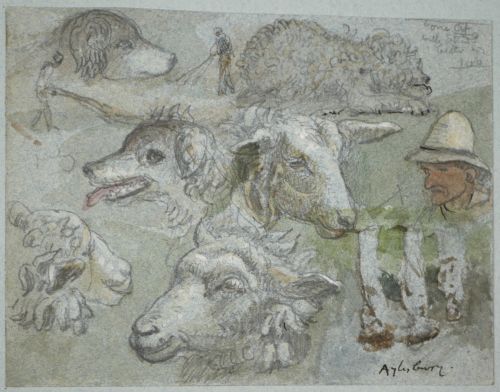
Most examples preserve the distinct atmosphere of the period through observable brushwork, pencil underdrawings, and period mountings. Buyers encounter both expansive exhibition-sized compositions and modest notebook sketches bearing contemporary dates or signatures.
Materials and Method
Artists of this era painted primarily with watercolour pigment suspended in water-soluble binders, applied directly onto absorbent rag paper or occasionally prepared card.
Many practitioners incorporated bodycolour, which added opaque white highlights to give depth and luminosity to clouds, water surfaces, and figures.
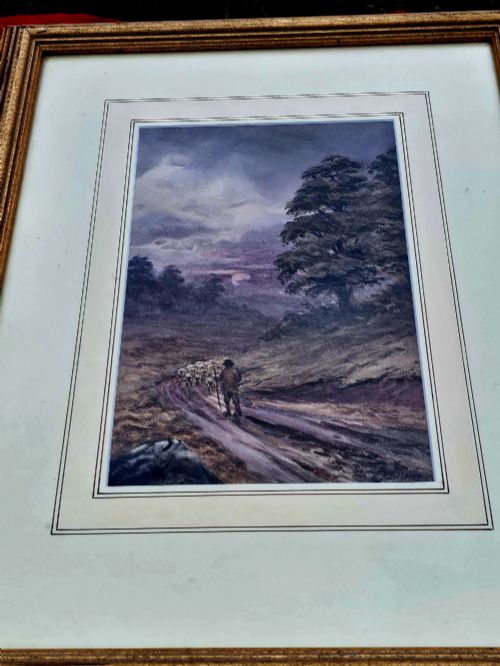
Finished sheets were protected behind glass within wooden frames, frequently bordered by gilt mounts or ebonised wood mouldings that secured the paper against humidity.
Original Victorian Watercolour Painting Retail Price Guide 2026
Typical asking prices for original victorian watercolour painting among the pieces listed under this phrase on Sellingantiques today, from the lower quarter to the upper quarter. They describe what is for sale here now, not the wider market.
Several Victorian artists evidently painted through the rain, capturing umbrella-wielding crowds with remarkable cheer.
Distinctions in Execution
The primary distinction lies in the brushwork's confidence and the composition's structural integrity, separating skilled academicians from routine topographical recorders.
Condition plays a vital role, as prolonged exposure to light fades vulnerable pigments, altering the original tonal balance intended by the painter.
The appropriateness and age of the framing elements, from original gilt wood to period card mounts, contribute significantly to the integrity of the piece.
Thomas Miles Richardson Jnr·James Orrock·William Henry Earp·Sir James Dromgole Linton·Robert Thorne Waite·Hector Caffieri
The Original Victorian Watercolour Painting Glossary
- Bodycolour
- Watercolour mixed with a dense white pigment to create opaque passages that catch the eye. This technique was frequently utilised for highlights in skies and water.
- Gilt wood
- Timber frames coated in thin gold leaf or gilt preparation, commonly used to frame nineteenth-century works of art.
- Provenance
- The documented history of ownership or the recorded attribution inscribed upon the backing or verso of a painting.
- Foxing
- Small brownish spots caused by chemical reactions within older paper stocks, often found on nineteenth-century sheets.
- Verso
- The back surface of the paper or painting substrate, where collectors often check for artist signatures, exhibition labels, or location inscriptions.
Original Victorian Watercolour Painting: Frequently Asked Questions
How do I date a Victorian watercolour?
Dating relies primarily on visible artist signatures, dated inscriptions on the verso, and stylistic clues within the landscape or costume. Contemporary framing elements and paper watermarks also provide reliable chronological markers.
Examination of the pigments and mount style helps narrow the decade of creation when direct dates are absent from the composition.
Where should I hang these paintings?
These works require placement away from direct sunlight to prevent the watercolour pigments from fading over time. Interior walls with stable humidity levels protect the fragile paper substrates and wooden frames.
Grouping smaller botanical studies or coastal scenes together creates a balanced display that respects their domestic nineteenth-century origins.
What is bodycolour?
Bodycolour refers to watercolour mixed with opaque white paint to give certain areas solid coverage rather than a translucent wash. Artists used this method to render bright clouds, frothing waves, and highlights on clothing.
This technique distinguishes many Victorian exhibition pieces from simpler topographical sketches of the same era.
Are these paintings usually signed?
Many sheets bear artist signatures, monograms, or dated inscriptions, though a substantial portion of nineteenth-century work remains attributed to regional schools or anonymous hands. Signatures are commonly placed discreetly in the lower corners of the composition.
Inscriptions on the reverse often record the specific location, such as a Scottish loch or a Yorkshire bay.