


Original Victorian Watercolour Artwork
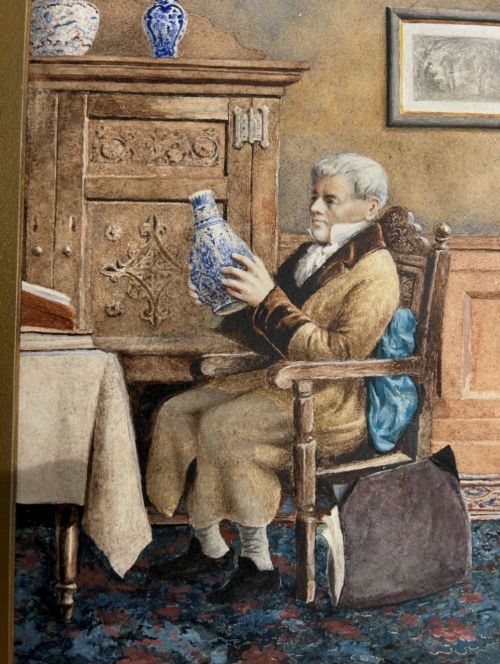
Original victorian watercolour artwork brings nineteenth-century British scenes directly to the wall through hand-painted works on paper framed in wood and glass.
Original Victorian Watercolour Artwork
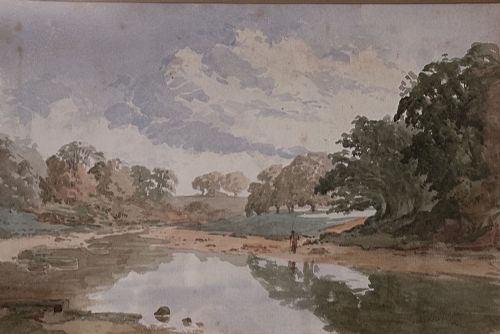
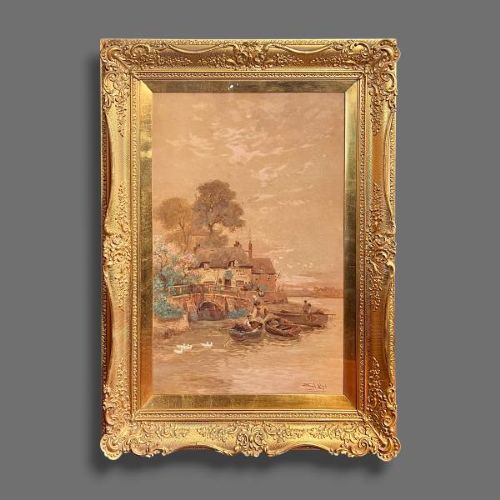
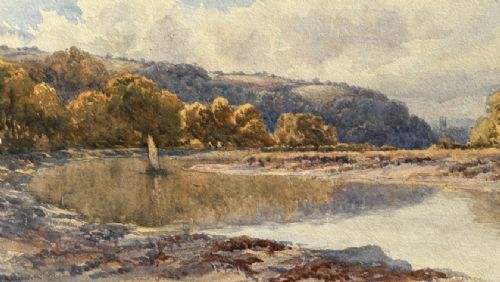
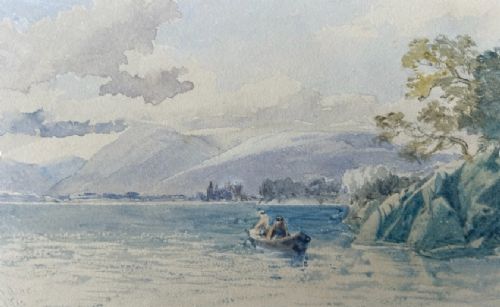
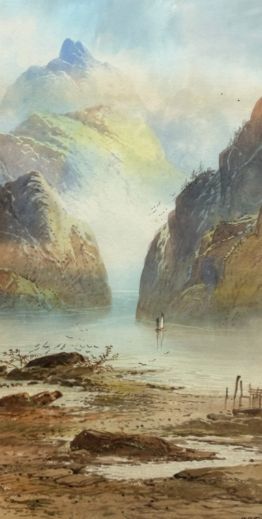
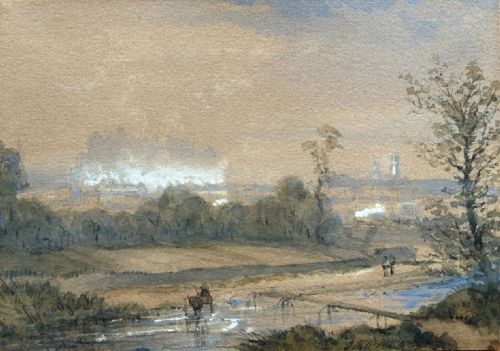
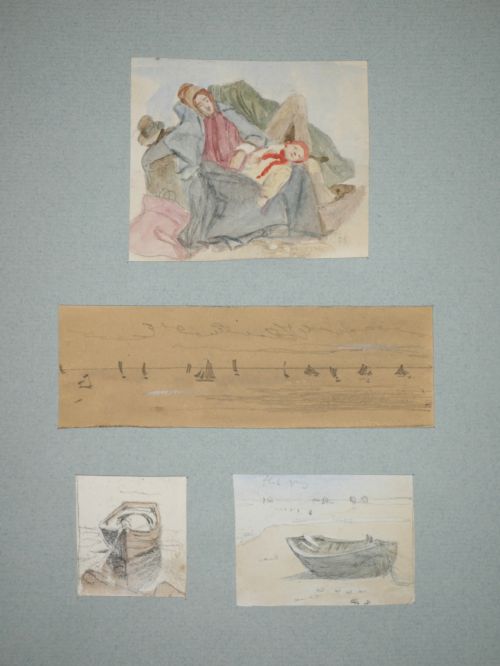
Original victorian watercolour artwork encompasses nineteenth-century paintings and works on paper created by British artists working across landscape, marine, portrait, and botanical subjects. Buyers encounter signed compositions recording Scottish highlands, Welsh passes, river valleys, and coastal fishing harbours from the middle and late decades of the nineteenth century.
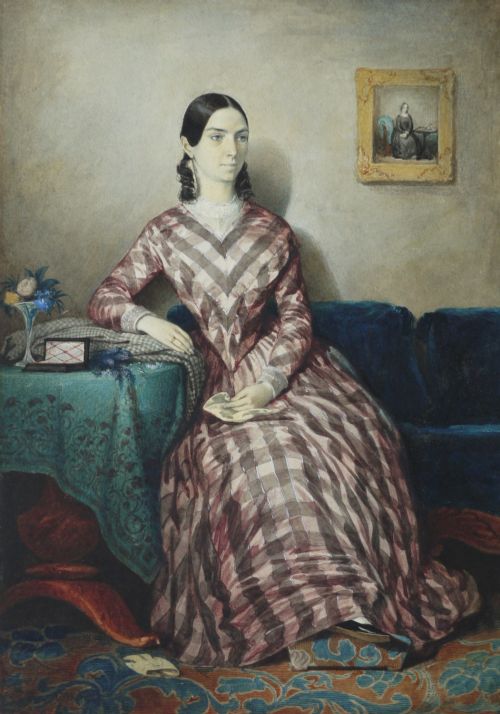
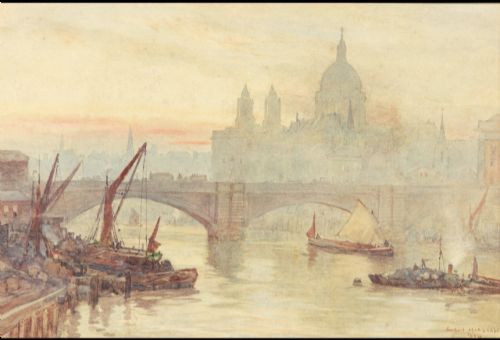
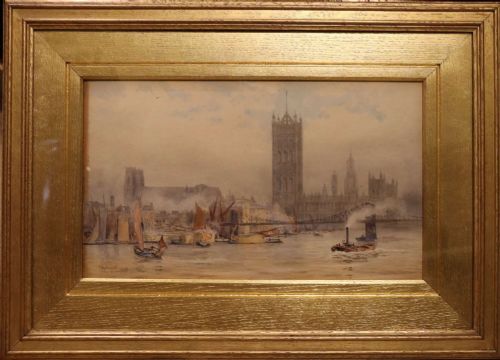
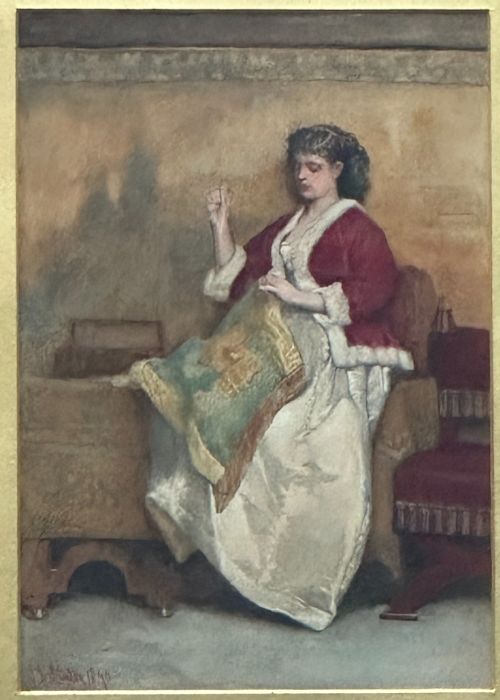
The works span genres from detailed botanical studies of plums and roses to genre scenes, architectural views, and Pre-Raphaelite literary interpretations. Pieces frequently arrive mounted in period frames made from wood, gilt wood, or rosewood, often protected behind glass.
Most examples date from the Victorian and Edwardian periods, stretching from the eighteen-fifties through to nineteen hundred. Creators range from Royal Academy exhibitors and named professionals to regional painters working in towns and villages across Britain.
What varies in quality
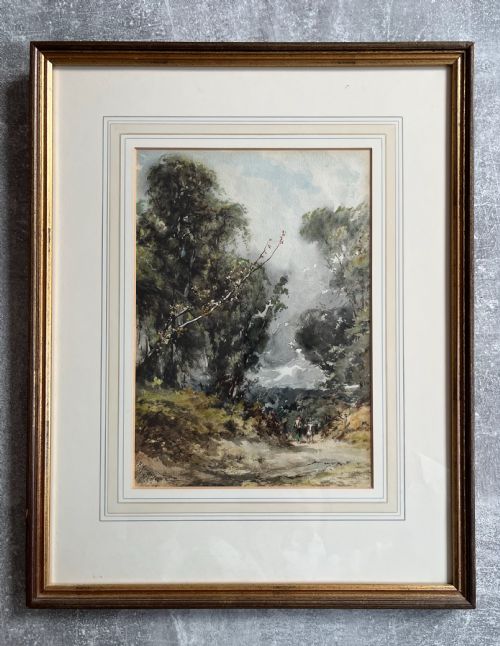
The distinction between standard watercolours and exceptional works rests upon the confidence of the brushwork and the precision of the draughtsmanship. Master painters capture light, atmosphere, and movement in coastal seascapes or woodland paths with economy and control.
Condition and presentation further separate examples, particularly the preservation of pigment vibrancy against fading, the absence of heavy foxing on the paper support, and the retention of original frames matching the period of creation.
Listings feature works from the 19th Century and Edwardian periods, executed in watercolour, ink, and bodycolour on paper.
George Sydney Shepherd·George Fotherly Hargitt·Thomas Miles Richardson Jnr·James Orrock·William Henry Earp·Sir James Dromgole Linton·John R Prentice·Alfred Young Nutt·James Smetham·A Mitchell·John McDougal·EJ Letheren·William Banks Fortescue·Robert A Nottingham·Henry Silkstone Hopwood·R Hurst·Robert Thorne Waite·Hector Caffieri·Ernest Arthur Rowe·Frederick James Kerr·Alfred G Morgan·Catherine Thomas·Frederick Tatham·Bonomi Edward Warren·Arthur Dudley
The Original Victorian Watercolour Artwork Glossary
- Bodycolour
- Watercolour paint mixed with a white pigment to make it opaque rather than transparent. This technique allows artists to add bright highlights and solid details over dried washes.
- Pre-Raphaelite
- A style associated with nineteenth-century artists who prioritized detailed observation of nature and vibrant colour. Works in this tradition often draw on literary or medieval themes.
- Wash
- A thin, fluid layer of watercolour pigment spread evenly across paper to create skies, water, or background shadows. Controlled washes form the foundation of nineteenth-century landscape painting.
- Foxing
- Small brownish spots caused by chemical reactions within the paper over time. Collectors encounter this age-related discolouration frequently on nineteenth-century works on paper.
Original Victorian Watercolour Artwork: Frequently Asked Questions
How should I hang watercolour paintings?
Watercolour paintings require protection from direct sunlight to prevent the pigments from fading over time. Position them on interior walls away from moisture and temperature fluctuations.
Ensure the frame remains securely sealed against dust while allowing the paper room to breathe. Professional framing with acid-free mounts preserves the integrity of nineteenth-century paper supports.
Were these paintings always framed?
Artists generally produced watercolours on paper intended for portfolio storage or subsequent private framing by collectors. Many surviving examples retain nineteenth-century wooden or gilt frames selected by initial owners.
Original frames occasionally show minor wear that testifies to their age and domestic history. Matching a period painting to a contemporary frame enhances its visual context.
How do I identify a Victorian watercolour?
Victorian watercolours often carry signatures, dates, or inscriptions relating to British locations such as Scottish lochs, Welsh passes, or English harbours. Paper weights and watermark traces from nineteenth-century mills provide further clues.
Stylistic conventions, clothing in genre scenes, and framing materials assist in dating pieces to the decades between eighteen-fifty and nineteen hundred.
What subjects were popular in the nineteenth century?
Landscape painting dominated the period, with artists travelling to Scotland, Wales, and continental Europe to record natural scenery. Coastal views, fishing boats, and pastoral scenes featuring sheep or cattle also proved immensely popular.
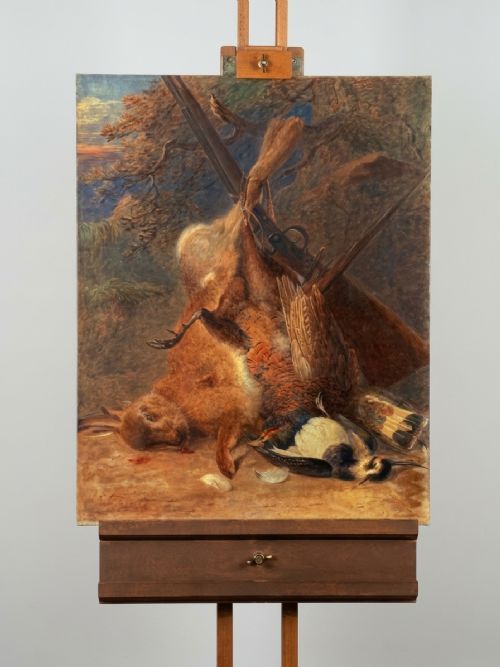
Still life compositions depicting fruit and botanical studies of roses or fuchsias offered intimate alternatives to grand topographical views. Portraiture and narrative genre scenes completed the wide range of subjects available to Victorian buyers.