

Framed Country Cottage Painting
A framed country cottage painting brings rural quiet indoors through watercolours and oils that capture Victorian and Edwardian rustic life.
Framed Country Cottage Painting
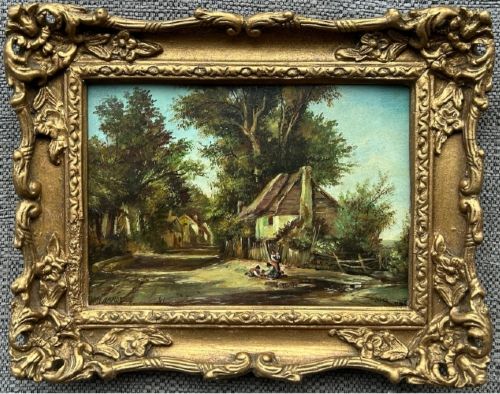
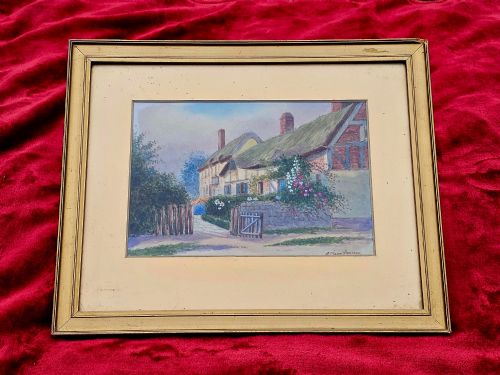
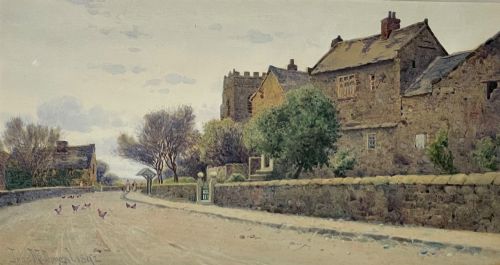
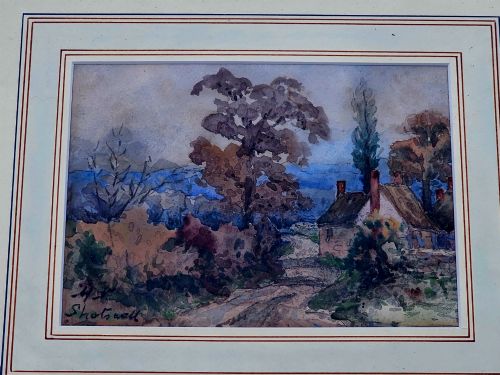
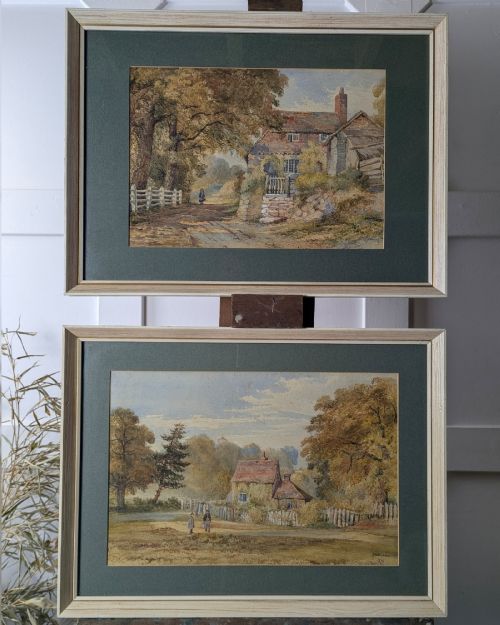
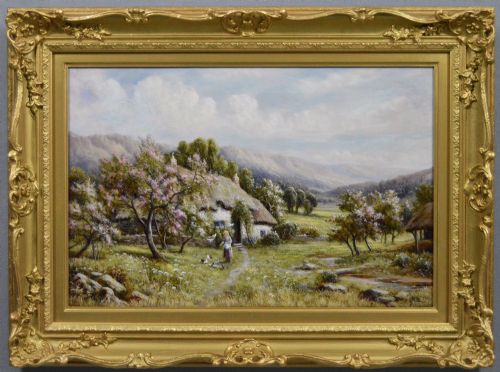
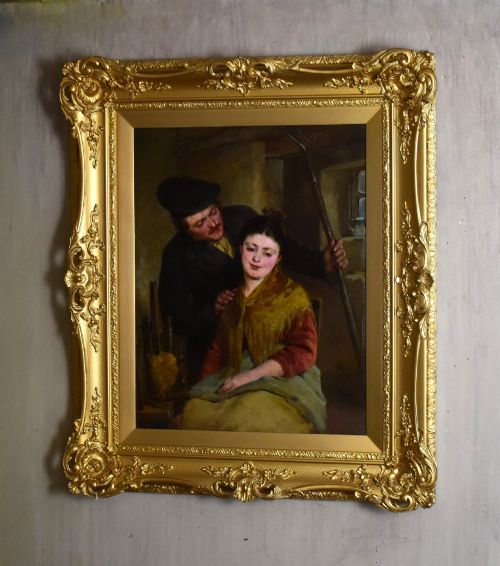
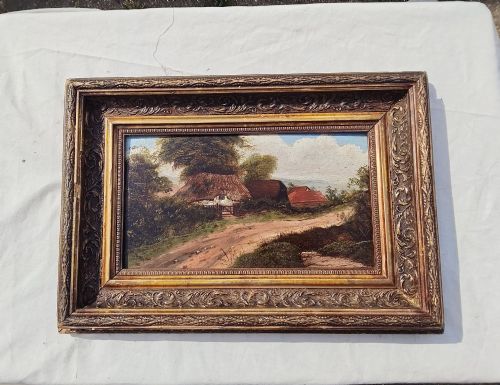
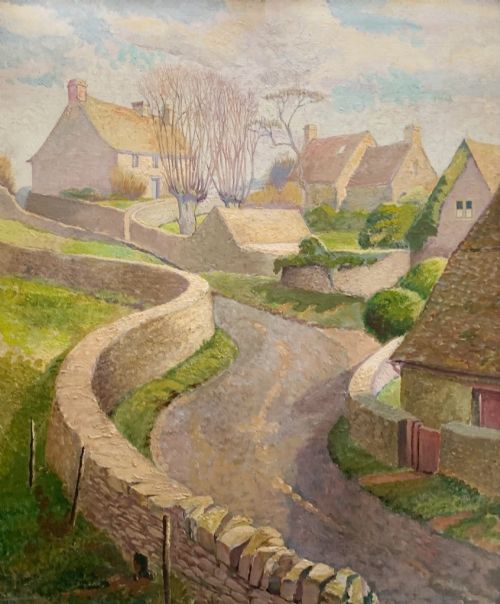
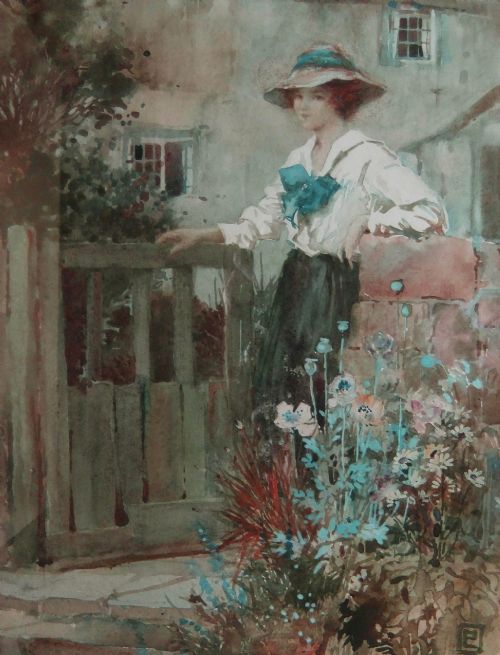
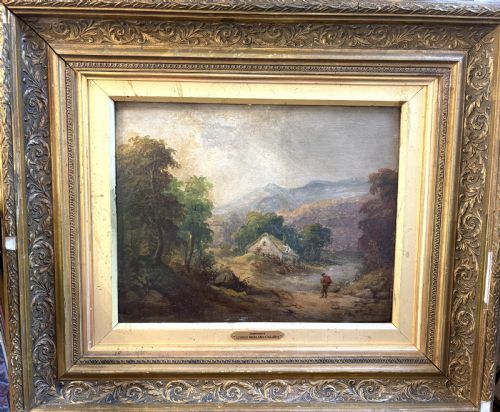
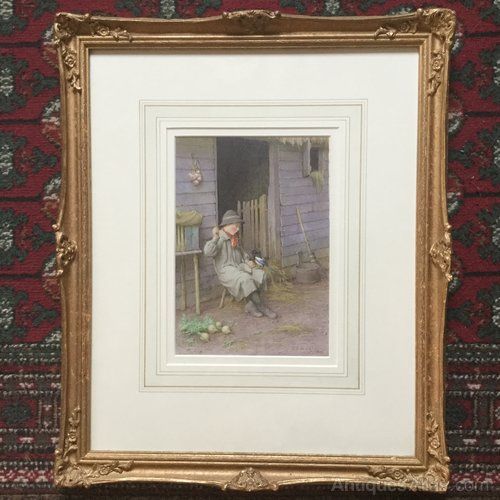
A framed country cottage painting depicts rural scenes, farmsteads, and thatched dwellings set within British and European landscapes. These works span the late nineteenth century through to the mid-twentieth century, capturing pastoral life through the eyes of various regional schools.
The versions most commonly met on this page are watercolours on paper and oil paintings on canvas or panel, frequently housed within period wood and gilded frames. They focus heavily on vernacular architecture, gardens, and figures outside domestic rural settings.
How They Were Made
Artists utilised watercolour pigment on paper or oil paint applied to canvas, card, and panel to build up depth of tone and texture. Many works rely on British Impressionism or pastoral realism techniques to render natural light across rural scenery.
Framing typically involves wood mouldings, often with glass protecting works on paper or gilt finishes enhancing oil paintings. These materials preserve the integrity of the paint surface and support the paper supports over decades.
Listings feature watercolours and oil paintings created across the Victorian and Edwardian periods up to the mid-twentieth century.
What Varies in Quality
Quality rests upon the artist's ability to handle light, atmosphere, and perspective within a rural composition. Skilled hands render architectural details of thatched roofs and garden foliage with confident brushwork rather than rigid outlines.
The selection of materials and the preservation of the original framing elements influence the overall standing of each piece. Stronger works demonstrate balanced tonal harmony and an evocative sense of place.
William Howard Hardy·A. Marie Parsons·John McDougal·Robert A. Nottingham·Robert John Hammond·Howard Helmick·Percy Lancaster·George Morland·Charles Edward Wilson·J S Ainley·James Hardy Junior·Frederick James Knowles·William Greaves·William Henry Knight·Theresa Stannard·Helena Maguire·Owen Bowen·Ernest Higgins Rigg·Harry Sylvester Stannard·Henry Charles Fox·Will Anderson·John Falconar Slater·Thomas James Lloyd·B. Kaufmann·David Woodlock
The Framed Country Cottage Painting Glossary
- Watercolour
- A painting method in which the paints are made of pigments suspended in a water-based solution. Paper serves as the primary support medium for these translucent applications.
- Oil on Canvas
- A technique utilising pigment mixed with drying oil applied to a stretched woven fabric. This combination allows for rich colour blending and textured brush marks.
- Panel
- A rigid flat piece of wood or card used as a painting support instead of canvas. Artists often utilised these smaller supports for plein air studies.
- Gilt Frame
- A wooden picture surround coated with a thin layer of gold leaf or metallic paint. These frames enhance the visual weight and focal depth of traditional landscape paintings.
Framed Country Cottage Painting: Frequently Asked Questions
What periods do these cottage paintings represent?
These works primarily date from the Victorian and Edwardian eras, extending into the early twentieth century. They reflect late nineteenth-century pastoral tastes and subsequent regional British art movements.
Collectors encounter various interpretations of rural life, ranging from strict academic realism to looser impressionistic renderings of cottages and gardens.
How should I hang a framed watercolour?
Watercolours require placement away from direct sunlight to prevent the pigments and paper support from fading over time. Glass protection helps shield the delicate paint surface from atmospheric dust and moisture.
Stable indoor humidity levels ensure that both the paper and the surrounding wooden frame maintain their structural integrity.
What subjects appear alongside cottages?
Common companion subjects include farmsteads, river banks, figures tending gardens, and animals such as ducks, geese, and horses. These elements ground the architecture within a working rural ecosystem.
Artists frequently depicted specific regional locations, documenting named villages across the British countryside.
Are these paintings usually signed by the artist?
Many works bear the artist's signature or initials, either visible on the front face or recorded on the reverse. Attribution often relies on these distinct signatures alongside stylistic markers characteristic of specific painting schools.
Unsigned pieces also appear, generally attributed through technique, palette, and period context to regional schools of painting.