



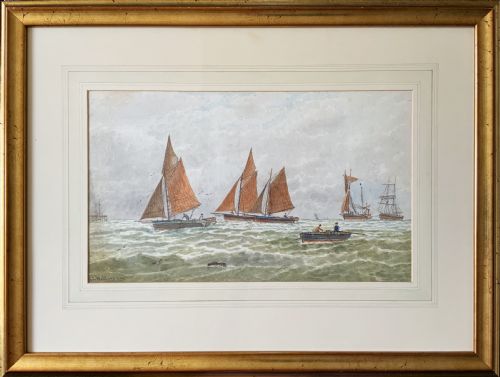
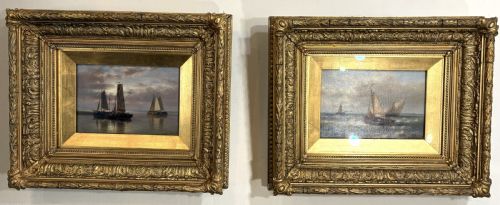
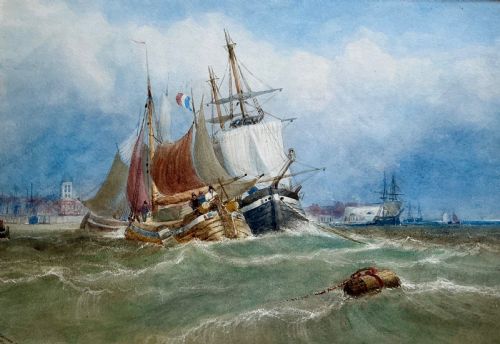
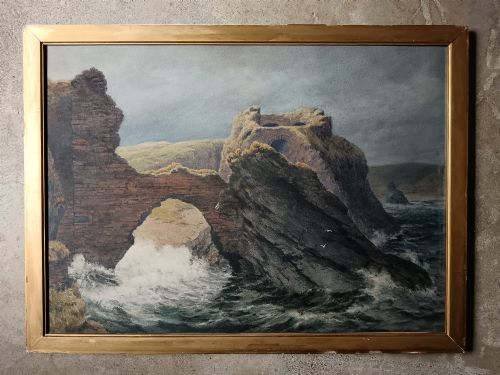
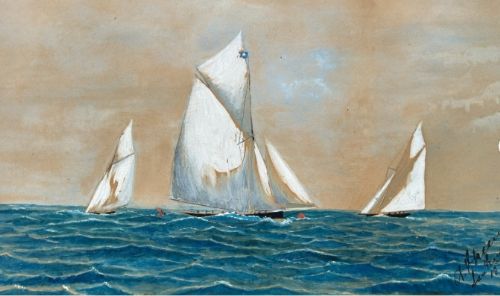
Original Victorian Seascape Painting
An original victorian seascape painting captures the motion of the nineteenth-century sea on canvas, paper or card, bringing historic coastal life directly into a room.
Original Victorian Seascape Painting
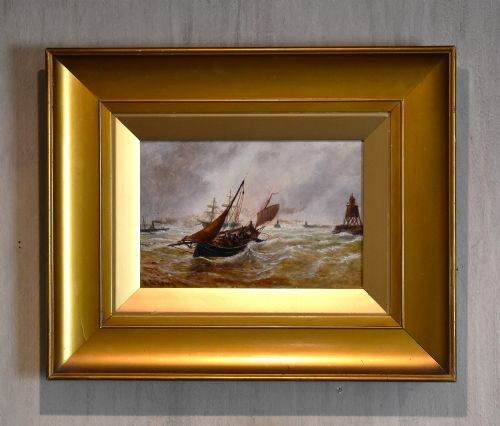
An original victorian seascape painting is a nineteenth-century artwork depicting maritime scenes, coastal harbours, shipping vessels and stormy waters. Buyers searching this phrase encounter works ranging from intimate coastal sketches to large framed oils.
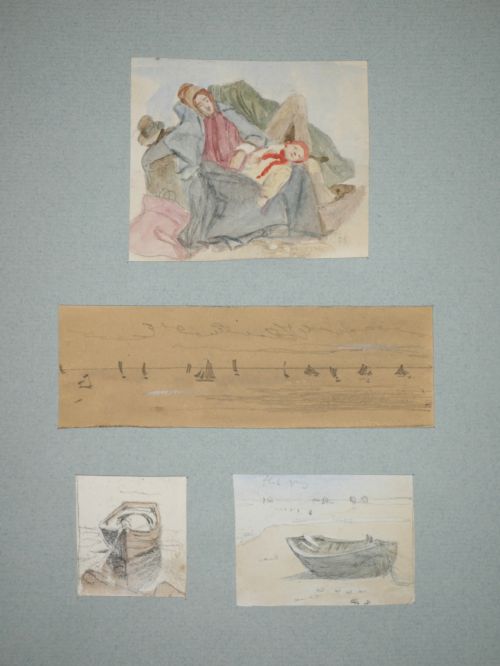
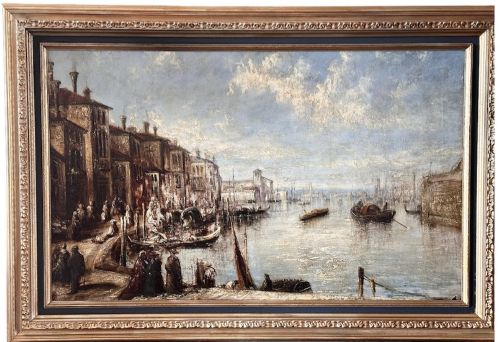
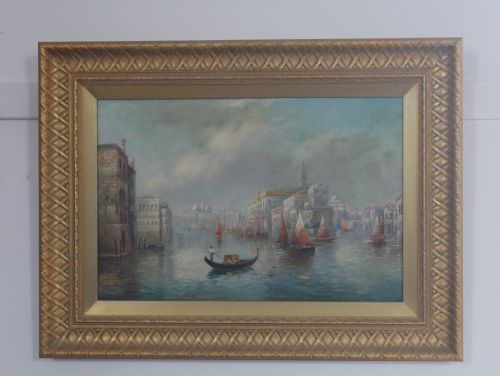
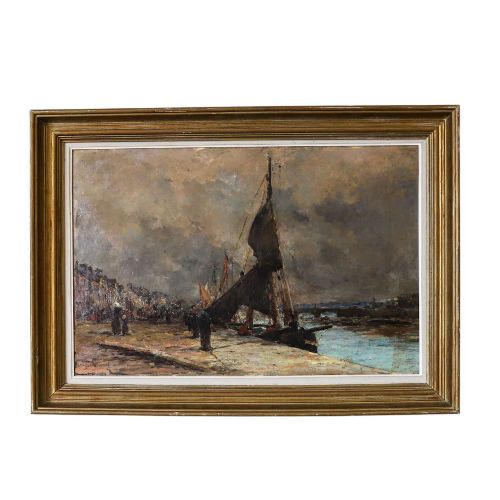
The material form varies between delicate watercolours on paper and substantial oil paintings executed on canvas, board or card. Many pieces record specific British and European coastal locations, including Cornish harbours, Venetian canals and Yorkshire fishing ports.
Most examples date from the broader Victorian era and the decades immediately following, reflecting a period of intense artistic engagement with the sea. These works appear in both original gilt wood frames and simpler contemporary mountings.
How They Were Made
Artists utilised oil paint applied to stretched canvas or wooden board to build up rich textures for stormy seas and dramatic cloudscapes. Watercolours on paper offered a more fluid medium for capturing the transparent quality of coastal light and breaking waves.
Support materials typically included heavy paper, card, or woven canvas primed before painting. Frames of gilt wood provided finished works with structural protection and visual weight.
Listings feature paper, canvas, and wood as primary supports for nineteenth-century maritime works.
What Varies in Quality
The standard of an original victorian seascape painting rests on the artist's command of light, atmosphere and maritime anatomy. Stronger works convey the weight of water and the correct rigging of vessels with confident brushwork, whereas weaker examples rely on formulaic compositions.
The preservation of the pigment and the condition of the paper or canvas strongly influence the visual impact. Works retaining their original pigments and unrestored surfaces command greater artistic interest.
James Orrock·William Banks Fortescue·Francis Moltino·Hector Caffieri·Joseph Farquharson·Bernard Benedict Hemy·George Stanfield Walters·Abraham Hulk I·Henry Barlow Carter·John Moxon·William Frederick Settle·Thomas Bush Hardy·Sir Thomas Newenham Dean·William Greaves·John McDougal·John Douglas Perrett·Frederick William Hattersley·John Mitchell·Frederick William Booty·Kate E Booth·Alfred Pollentine·Alfred Henry Vickers·Thomas Rose Miles·E Tucker·W H Grey
The Original Victorian Seascape Painting Glossary
- Watercolour
- A paint consisting of transparent pigment suspended in a water-based solution, frequently applied to paper in maritime sketches.
- Oil on Canvas
- A painting technique using pigments bound in drying oil applied to a woven fabric support stretched over a wooden frame.
- Gilt Wood
- Wood treated with a thin layer of gold leaf or metallic gilding, commonly used for nineteenth-century picture frames.
- Sea Stack
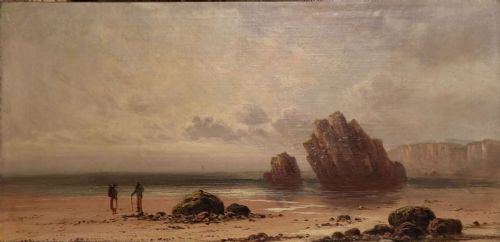
- An geological landform consisting of a steep and often vertical column or columns of rock in the sea, frequently featured in coastal paintings.
- Marine Art
- Artistic works that depict or draw primary inspiration from the sea, including ships, coastal views and naval engagements.
Original Victorian Seascape Painting: Frequently Asked Questions
How do I care for a nineteenth-century watercolour?
Keep watercolours away from direct sunlight to prevent the pigments from fading over time. Glazing with conservation-grade glass protects the paper from atmospheric moisture and dust.
Ensure the painting hangs on an interior wall away from dampness and sudden temperature changes. Professional framing using acid-free materials safeguards the paper from chemical degradation.
Were these paintings made outdoors?
Many nineteenth-century artists produced preliminary watercolours and oil sketches directly on the coast to capture shifting weather. Finished studio paintings were often developed from these field studies.
plein-air practices grew increasingly popular across the Victorian period, encouraging artists to work near harbours and cliffs. This direct observation contributed to the realism found in maritime scenes.
How can I tell a watercolour from an oil painting?
Watercolours are painted on paper, showing the texture of the sheet beneath translucent washes of pigment. They typically require glass protection within the frame.
Oil paintings utilise a thick, viscous medium on canvas or panel that sits on the surface with visible brush texture. Oils generally do not require glass over the painted surface.
What subjects besides ships appear in these works?
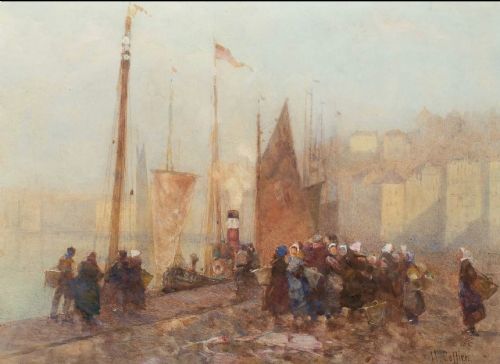
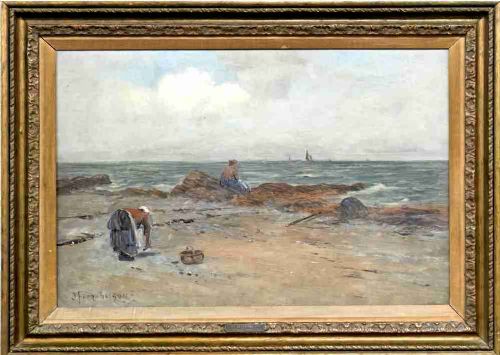
Artists frequently depicted daily coastal labour, including fishermen hauling catch, women spreading nets, and figures walking on rocky beaches. Harbour architecture and coastal towns also feature prominently.
Views often record specific historical ports, cliffs, and tidal flats around Britain and Europe. The human element highlights the reliance of coastal communities on the sea.