
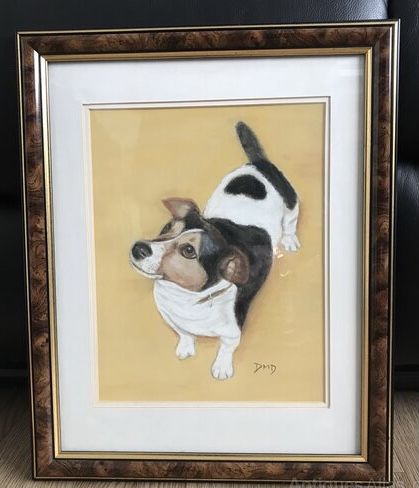


Original Sporting Art Painting
Original sporting art painting brings together horses, hounds, and countryside pursuits rendered by hand across the nineteenth and twentieth centuries.
Original Sporting Art Painting
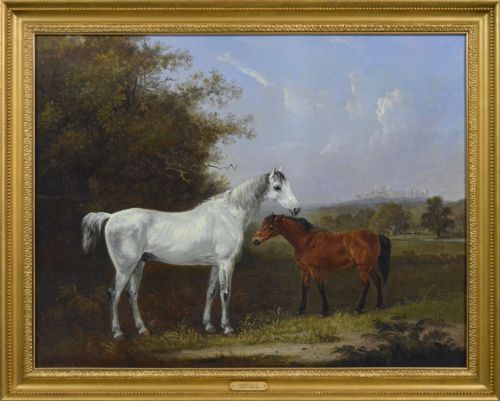
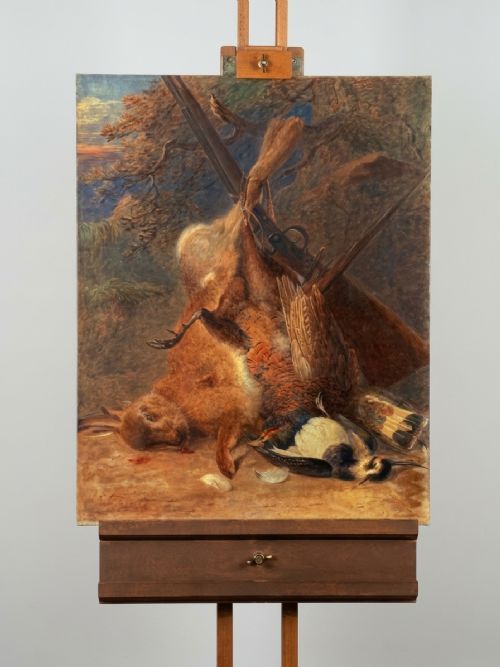
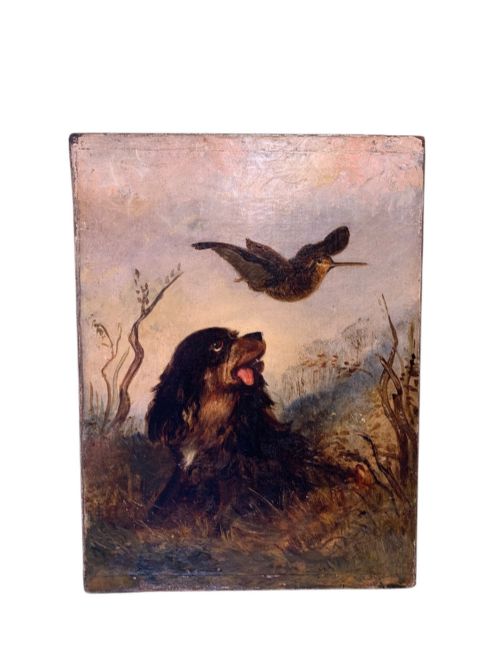
Original sporting art painting covers framed works depicting horses, dogs, hunting scenes, and country pursuits. Buyers seeking this phrase encounter watercolours and oil paintings spanning from the nineteenth century into the mid-twentieth century.
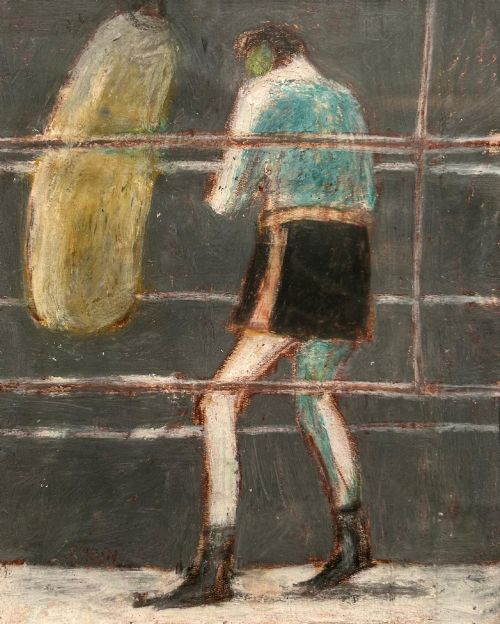
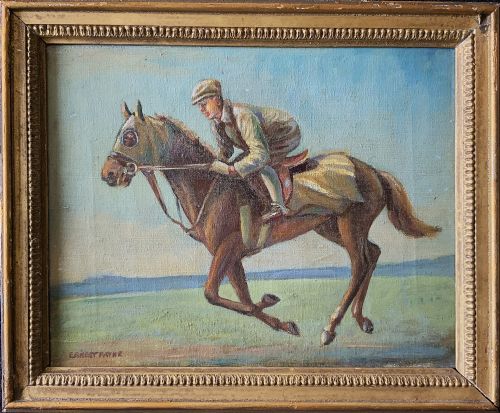
The subjects range from solitary animal portraits in stables to dramatic hunting scenes and racehorses in action. Works reflect British and European traditions, captured by artists working in oil, watercolour, and gouache.
Victorian and Edwardian pieces dominate the selection, alongside mid-century interpretations of equestrian and sporting themes. These artworks provide a direct visual record of rural pastimes and animal husbandry from past eras.
How They Were Made
Artists painted primarily with oil paint on canvas or wood panels, and watercolours on paper. Oil paintings often utilised layered brushwork on stretched canvas or artist boards to build depth and texture.
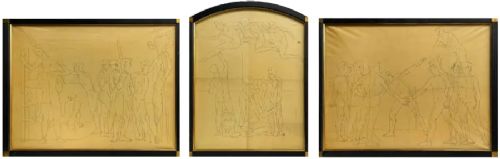
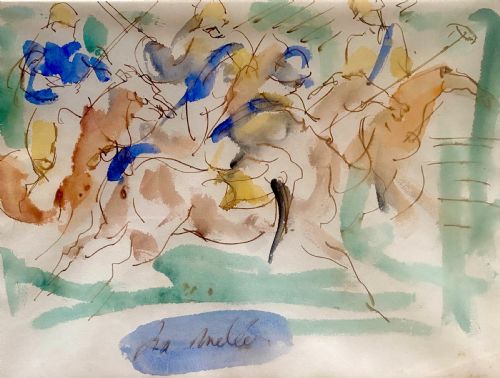
Watercolours and gouache works on paper were frequently protected under glass within wooden frames, sometimes accented with gold leaf moulding. Paper supports demanded precise application of wash and bodycolour to define form and movement.
Listings span from nineteen-hundred through the nineteen-sixties, incorporating paper, canvas, and glass materials.
What Varies in Quality
Quality rests upon the artist's command of anatomy, movement, and proportion, particularly in rendering horses and hounds. Superior works capture muscle tension and the dynamic energy of a chase with assured brushwork.
The condition of the medium also distinguishes pieces, with stable canvas surfaces and vibrant, un-faded watercolour pigments commanding attention. Original framing and clear signatures or attributions further elevate a work's standing.
George Sydney Shepherd·James Stroudley·Samuel Rabin·Ernest Payne·John Ferneley Senior·John Rattenbury Skeaping·Arthur Wardle·John Sanderson Wells·Samuel Spode·Alfred Grenfell Haigh·Charles Clifford Turner·Michael Lyne·Henri Schouten·Tom Carr·Thomas Ivester Lloyd·W A Clark·Guillaume Urban Regamey·William J Hodgson·W E Barrington Browne
The Original Sporting Art Painting Glossary
- Bodycolour
- Watercolour mixed with white pigment to render it opaque, allowing for highlights and solid areas of colour. This technique adds substantial weight to paper works.
- Gouache
- A heavy water-soluble paint similar to bodycolour that dries to a matte finish. It provides rich colour saturation for detailed illustrative scenes.
- Watercolour
- Pigments suspended in a water-based solution applied to paper. It relies on the white of the paper showing through transparent washes.
- Canvas
- Woven fabric stretched across a wooden frame to serve as a support for oil paint. It forms the primary base for traditional large-scale paintings.
- Gold Leaf
- Extremely thin hammered gold applied to picture frames for decorative enrichment. It creates a warm reflective border around the artwork.
Original Sporting Art Painting: Frequently Asked Questions
What subjects appear in these paintings?
These works feature horses, hunting dogs, racing scenes, and rural countryside pursuits. Artists focused heavily on equestrian portraits and hounds in full cry across various landscapes.
The imagery reflects historical rural pastimes, capturing specific breeds and sporting events with close anatomical observation.
How do I date a sporting painting?
Dating relies on clothing styles of human figures, framing materials, and the documented active years of the artist. Nineteenth-century pieces often display heavier Victorian frames and detailed realism.
Mid-century works shift toward looser modernist interpretations while maintaining traditional animal subjects.
Are these works painted on canvas or paper?
Both supports appear frequently throughout the collection, depending on the chosen medium. Oil paintings utilise stretched canvas or wood panels.
Watercolours and pastels are executed on paper supports, usually displayed behind glass within traditional wooden frames.
How should I display sporting art at home?
These framed artworks suit traditional studies, hallways, and living spaces alongside wooden furniture. Proper placement avoids direct sunlight to protect delicate watercolour pigments on paper.
Ensuring adequate wall space allows larger exhibition-sized canvases to anchor a room effectively.