

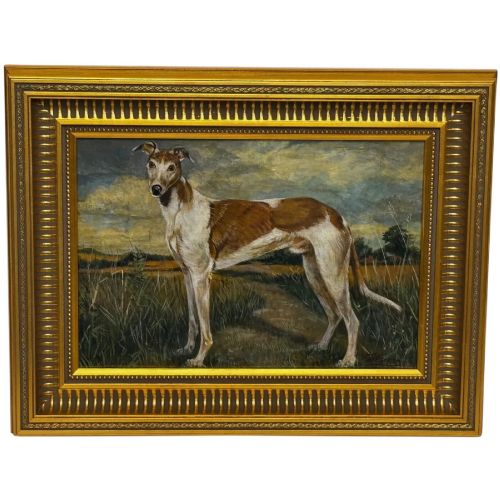
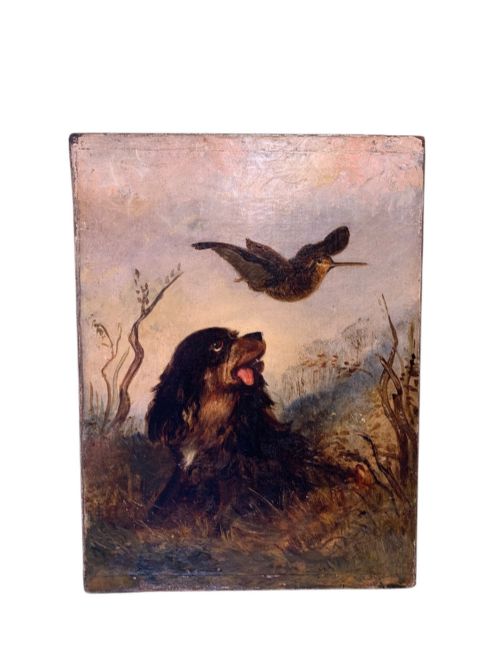
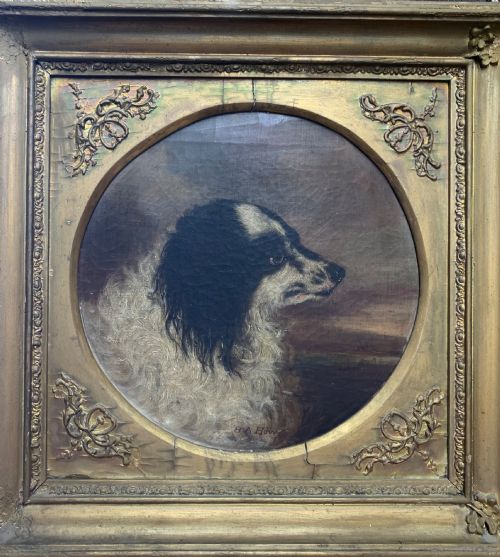
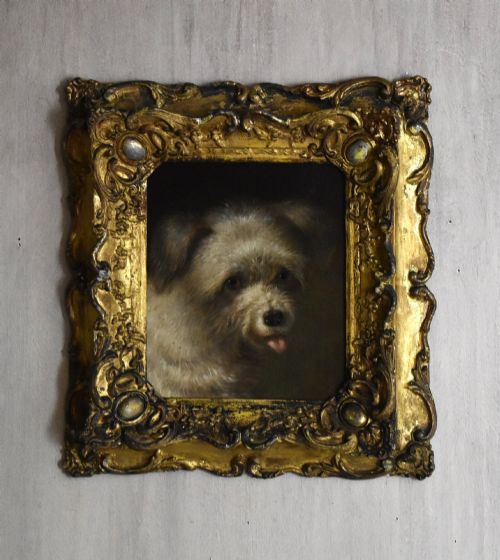
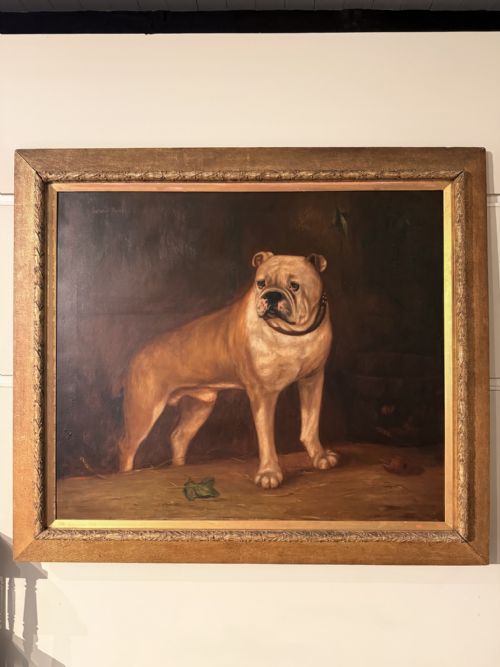
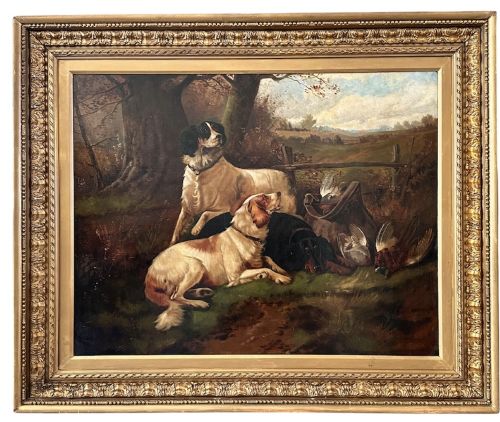

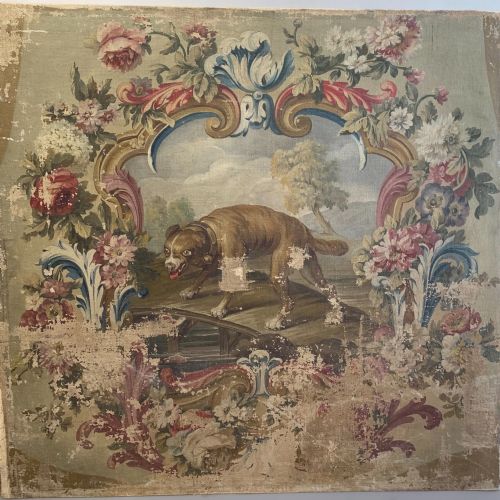

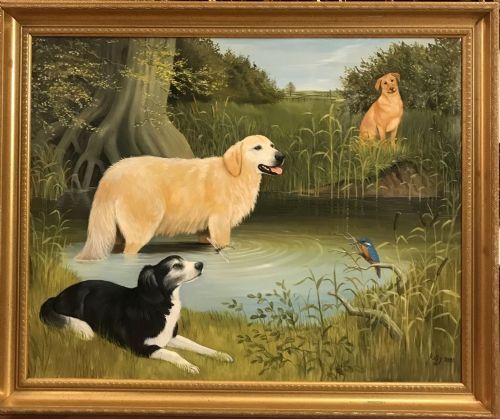

Canvas Dog Portrait Painting
A canvas dog portrait painting captures the distinct personality and social standing of a valued canine companion through the lasting medium of oil on canvas.
Canvas Dog Portrait Painting
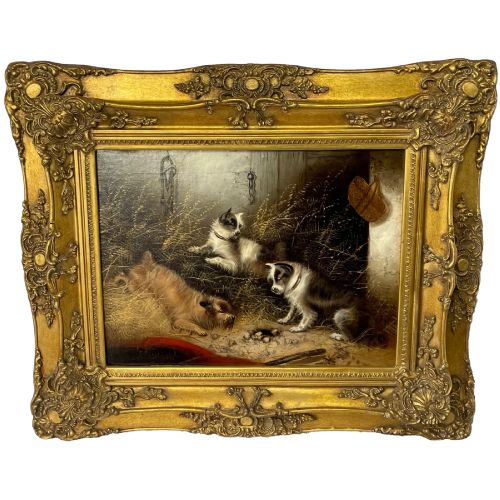
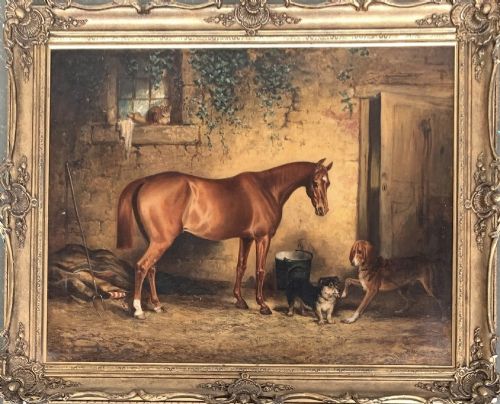
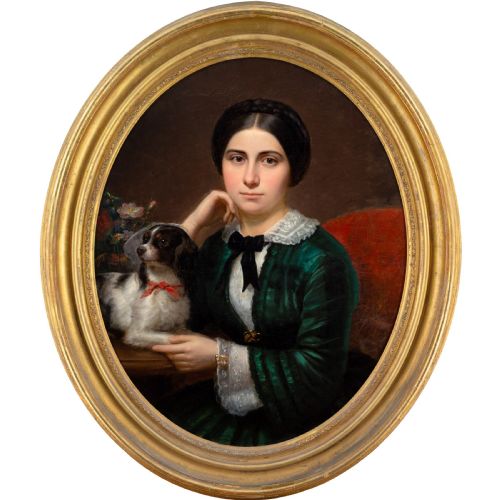
A canvas dog portrait painting represents a traditional form of animal art, spanning from Victorian sporting scenes to mid-century depictions of individual pets. Buyers seeking these works will encounter formal commissions of named dogs as well as intimate portrayals set within domestic or rural landscapes.
The selections available range widely in period and origin, including nineteenth-century British school studies, Edwardian works, and mid-century canvases. Sporting and working breeds feature prominently among the subjects, reflecting the historical importance of hunting dogs and estate companions.
Many of these works demonstrate the close bond between owner and animal, placing spaniels, terriers, and setters in naturalistic settings. The typical canvas records not just the likeness of a dog, but the artistic conventions of its specific decade.
How They Were Made
Artists relied primarily on oil paint applied to stretched canvas, building layers of pigment to capture the texture of a dog coat and the play of light across a landscape. Ground materials often included wood for stretchers and frames finished with gold leaf, gilt, or giltwood.
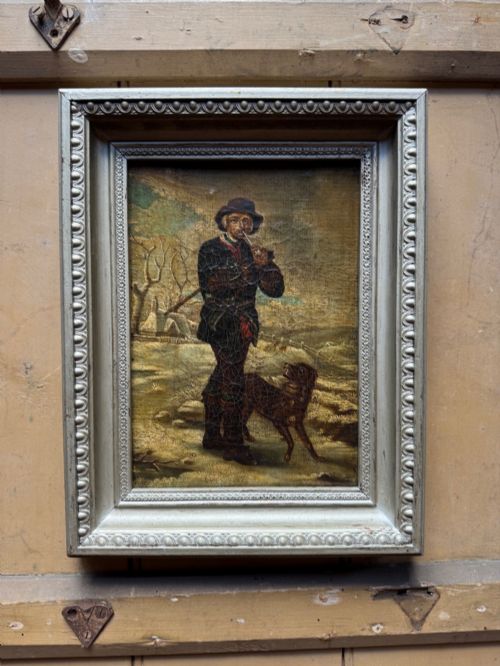
Techniques varied from academic realism practiced by established sporting artists to a looser, naive approach found in provincial works. The application of oil paint allowed for subtle blending in animal fur and detailed rendering of eyes and expression.
What Varies In Quality
Anatomy and proportion set the foundation of quality in canine portraiture, distinguishing an artist who understood skeletal structure from one who merely filled an outline. Superior works capture individual character and intelligent expression rather than a generic silhouette.
Brushwork control and depth in the background landscape elevate certain pieces above standard decorative works. The harmony between the subject and its setting, coupled with the preservation of the original canvas and frame, determines the standing of an individual painting.
Henry Barraud·Valentine T. Garland·Martin Theodore Ward·John Sargent Noble·C R Breytle·John Emms·Thomas Hicks·LM Webb·William Barraud·George E Sharpe·Edwin Landseer·Colin Graeme Roe·John Trivett Nettleship·John Horsburgh·Fannie Moody
The Canvas Dog Portrait Painting Glossary
- Canvas
- A heavy woven fabric used as a surface for oil painting. It is typically stretched tightly over a wooden frame before work begins.
- Giltwood
- Wood that has been carved and coated with a thin layer of gold leaf or gilt. This material is standard for traditional antique picture frames.
- Sporting Art
- A genre of painting dedicated to field sports, horses, and hunting dogs. Works in this category often record specific packs of hounds or prize gun dogs.
- Naive Art
- Painting produced by artists without formal academic training. These pieces are characterised by a flat perspective and direct, unpretentious observation.
Canvas Dog Portrait Painting: Frequently Asked Questions
What periods do these paintings cover?
The available works span several centuries, with a strong concentration of nineteenth-century Victorian and Edwardian examples. Earlier pieces from the seventeenth century and mid-century twentieth works also appear.
This broad chronological range allows collectors to trace the changing approaches to animal portraiture and domestic pet painting over time.
How were these portraits used historically?
Owners commissioned these paintings to celebrate valued hunting companions, working dogs, and beloved family pets. They served as permanent records of prized animals on country estates and in town residences.
Sporting canvases also documented the activities of the hunt, recording specific hounds and the daily routine of field sports.
How do I care for an oil painting on canvas?
Canvas paintings require stable environmental conditions away from direct sunlight, excessive heat, and dampness. Dust should be removed gently from the surface and frame using a soft, dry brush without applying pressure.
Professional conservation is recommended for any cleaning of the paint layer or repair of the stretched fabric.
How can I tell a naive painting from academic work?
Academic paintings demonstrate a formal understanding of anatomy, perspective, and light, often produced by artists trained in academies or under established masters. Naive works display a simpler, more direct charm with less adherence to strict proportions.
Both styles hold distinct appeal depending on whether a buyer prefers realistic detail or rustic character.