

Original Scottish Landscape Artwork
Original scottish landscape artwork brings the dramatic lochs, glens and coastal vistas of the north directly into the home through period watercolours and oils.
Original Scottish Landscape Artwork
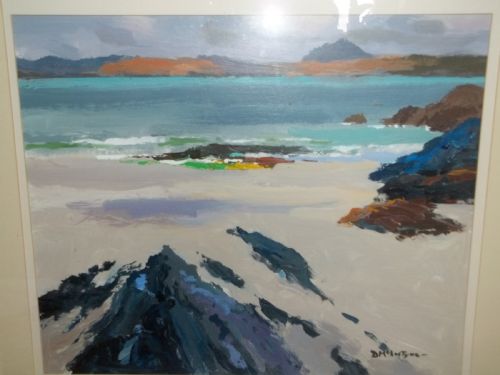
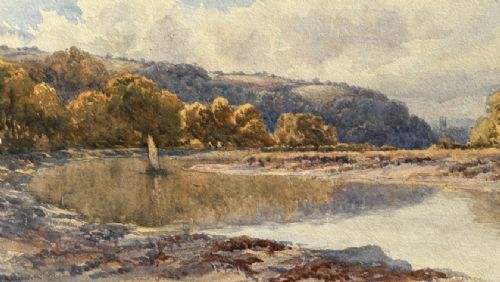
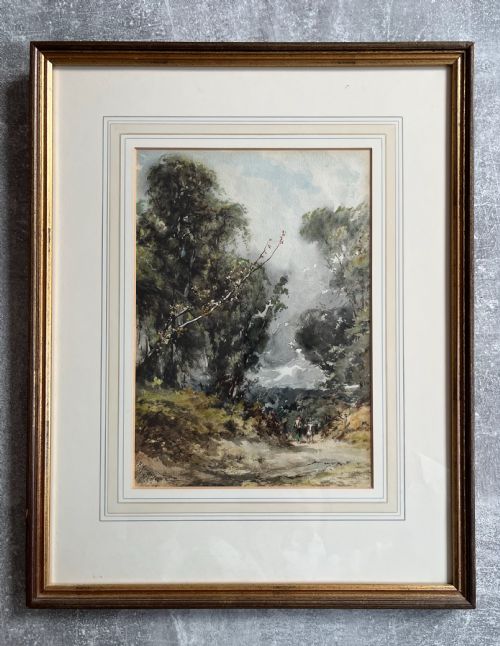
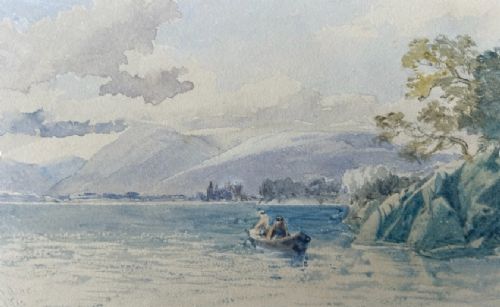
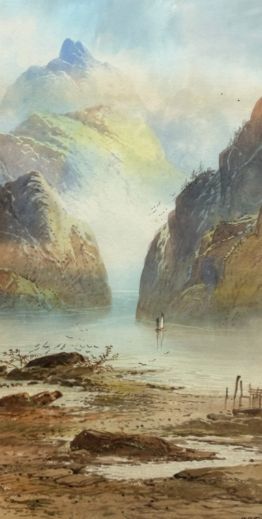
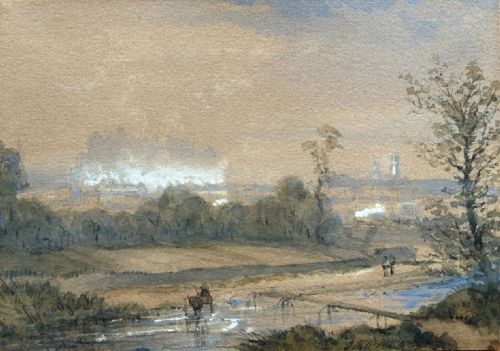
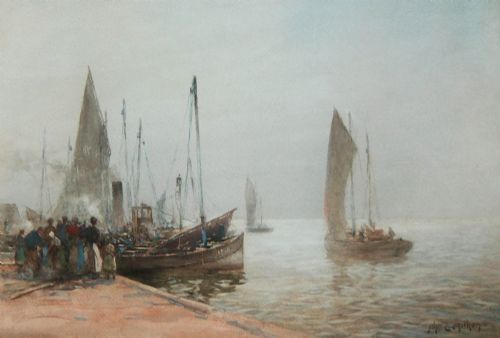
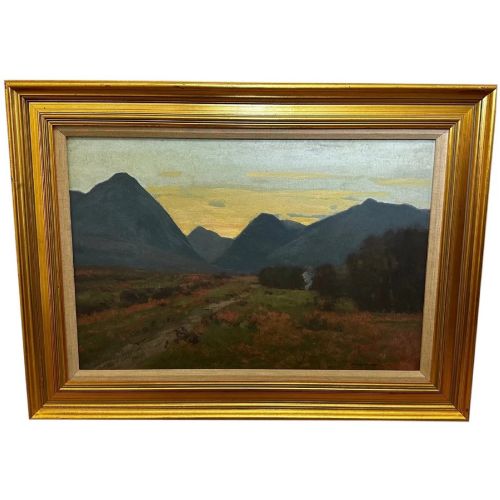
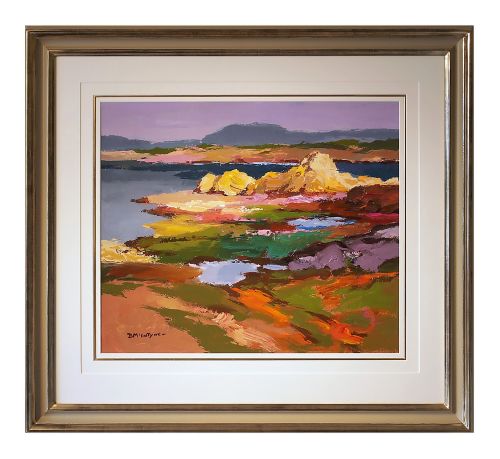
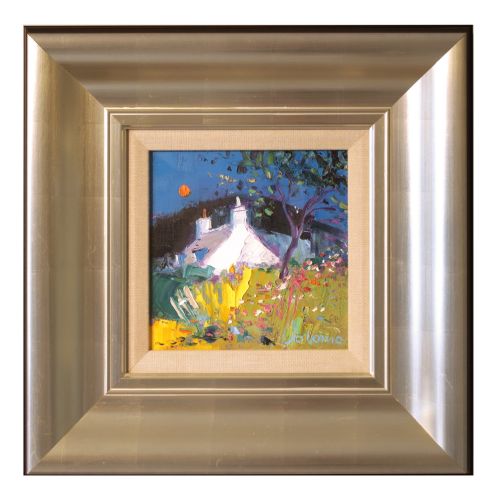
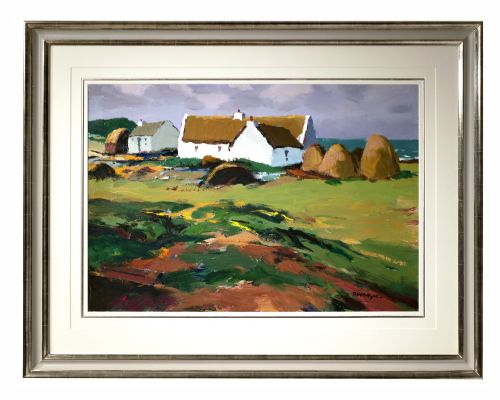
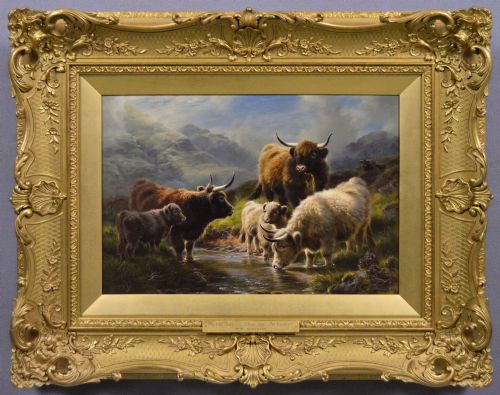
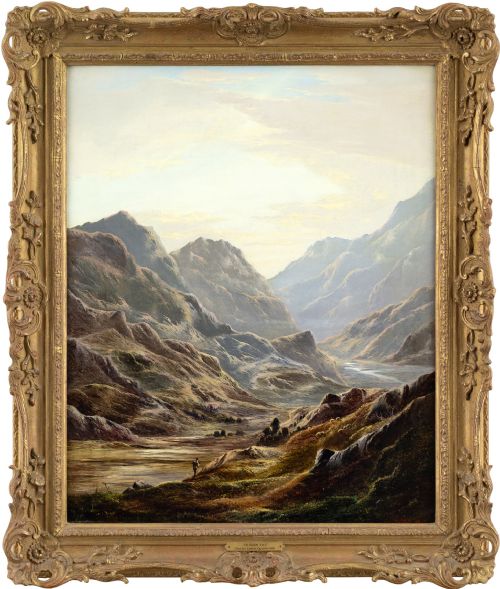
Original scottish landscape artwork captures the distinct topography and changing light of the Highlands, Lowlands and islands across the nineteenth and twentieth centuries. Buyers encounter detailed topographical watercolours from the Victorian era alongside bolder oil paintings from later decades reflecting the Scottish School and Impressionism.
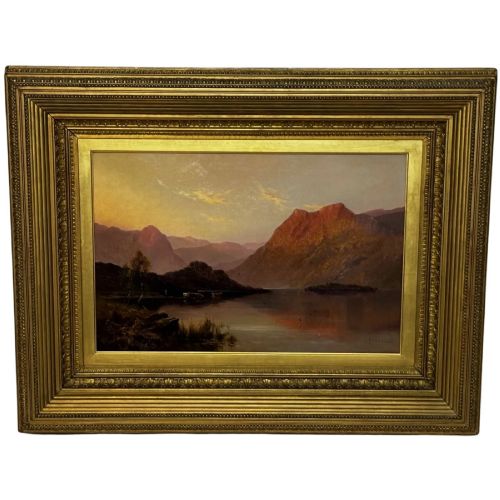
The subjects range from tranquil loch shores and ruined coastal castles to rugged Highland glens populated by cattle. Most pieces originate from the nineteenth century and the early decades of the twentieth century, framed in period gilt wood to suit traditional interiors.
Materials and technique
Artists painted primarily with oil paint on canvas, wood panel and board, or applied watercolour pigments onto paper. Wood panels and heavy boards provided a rigid support for works executed outdoors, while canvas offered a traditional textured surface for larger compositions.
Framing played an integral role, with many pieces retained in their original gilded wooden frames. These frames often complement the tonal depth of the oil or watercolour within.
Listings feature works spanning the nineteenth century, Edwardian period and mid-twentieth century, executed in oil and watercolour.
Assessing quality
Quality rests upon the artist's ability to render atmospheric light and scale across the canvas or paper. Master works display confident brushwork and a subtle handling of weather and mist over water, whereas weaker examples rely on formulaic compositions and stiff detail.
The preservation of the paint surface and the clarity of the paper dictate the longevity and visual impact of each piece. Intact original framing and clear artist signatures or documentation elevate the standing of the work.
Tom Campbell·Donald McIntyre·John Lowrie Morrison·Joseph Farquharson·William Watson Jnr
The Original Scottish Landscape Artwork Glossary
- Watercolour
- A painting method where fine pigment is suspended in a water-soluble binder and applied to paper. This medium creates translucent washes suited to capturing shifting Scottish skies.
- Oil on panel
- A painting technique utilising oil-based pigments laid onto a prepared wooden support. This method provides a smooth, stable surface favoured by nineteenth-century artists.
- Impasto
- Paint applied thickly to a canvas or board so that it stands proud of the surface. This technique creates physical texture that catches the light and emphasises painterly gesture.
- Gilt frame
- A wooden picture frame coated with a thin layer of gold leaf or metallic paint. These frames were designed to enhance the warmth of oil paintings and watercolours.
Original Scottish Landscape Artwork: Frequently Asked Questions
Where should I hang these paintings?
These works suit well-lit living spaces or studies where traditional period decor allows the natural tones of the landscape to stand out.
Avoid placing paper watercolours in direct sunlight to protect the pigments from fading over time.
How do I date an antique landscape?
Dating relies on the style of the brushwork, the backing materials such as canvas or wood panel, and any signature or date inscribed by the artist.
Period frames also offer clues to the era in which the artwork was created and exhibited.
What is the difference between oil and watercolour?
Oils are applied to canvas, wood or board, offering rich colours and thick textures that tolerate varied environmental conditions.
Watercolours are painted on paper under glass, delivering a delicate and luminous quality unique to works on paper.
How do I care for a framed artwork?
Keep the paintings away from excessive moisture and extreme temperature fluctuations to prevent wood warping and canvas degradation.
Dust the frames gently with a dry cloth and leave the glass or varnish untouched by liquid cleaners.