




Original Scottish Fine Art
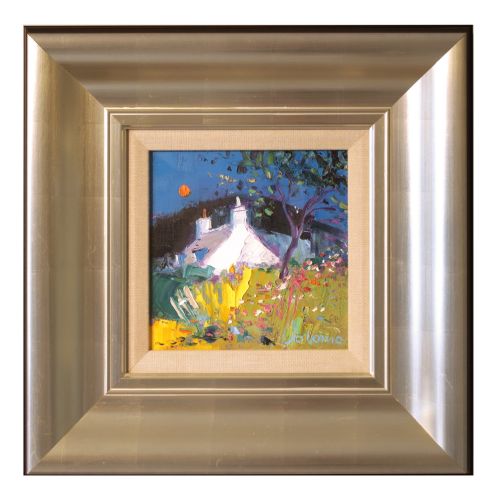
Original Scottish fine art brings the character of northern landscapes and portraits into a room through oil paint and watercolour on canvas, paper, or wood panel.
Original Scottish Fine Art
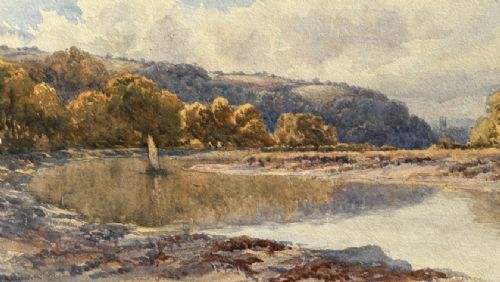
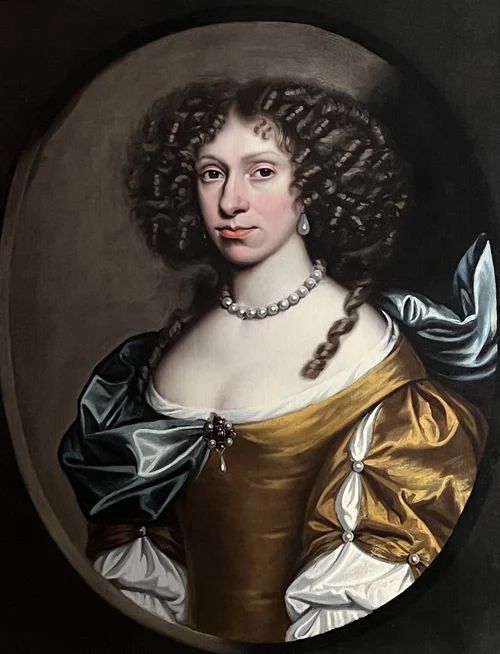
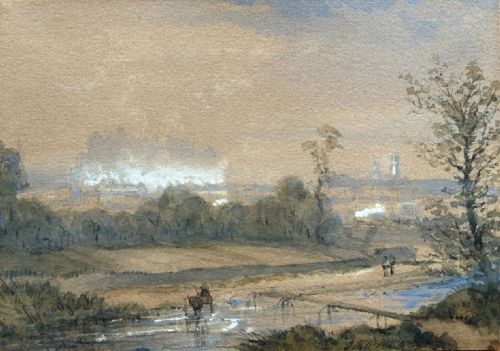
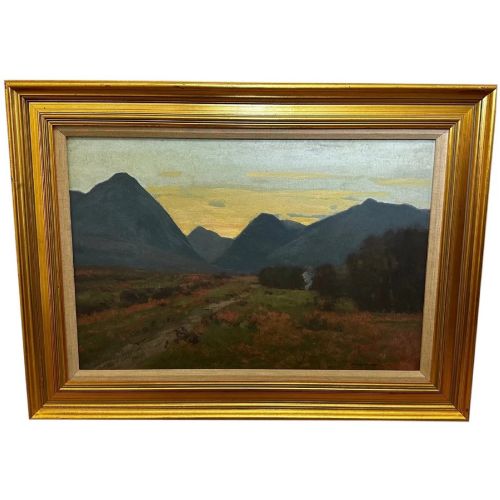
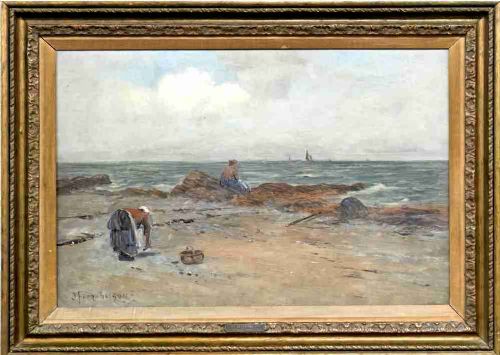
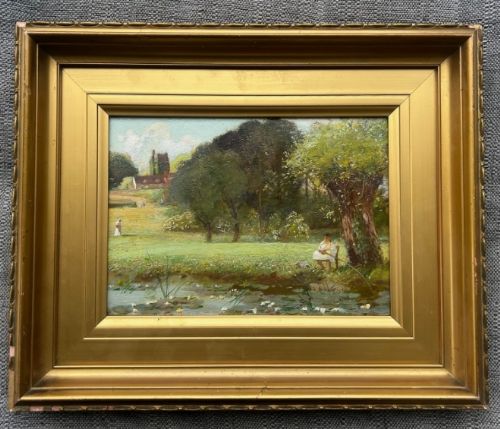
When you search for original scottish fine art, you encounter centuries of painting traditions spanning from the seventeenth century through to the mid-twentieth century. The works on this page lean heavily towards landscapes and portraits, capturing Highland scenes, urban views of Edinburgh, and coastal settings.
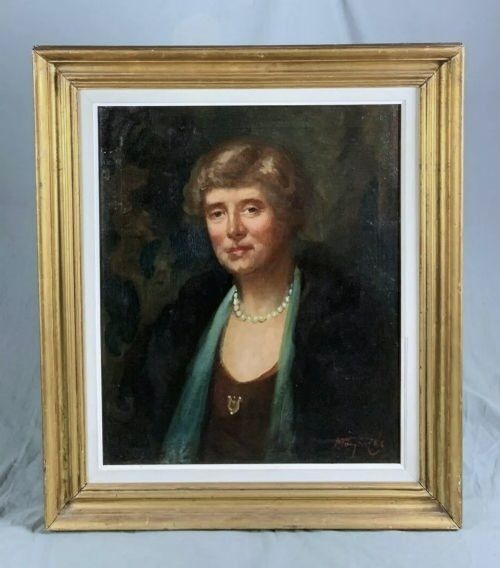
Watercolours and oil paintings dominate these listings, framed frequently in period gilt wood that complements the depth of the palette. You will find examples influenced by Scottish Impressionism, Post-Impressionism, and the broader Victorian fine art movement.
The subjects range from tranquil lochs at sunset to intimate portraits of notable figures, reflecting the varied interests of artists working across generations. These pieces serve as historical windows into domestic life and regional topography.
Materials and Techniques
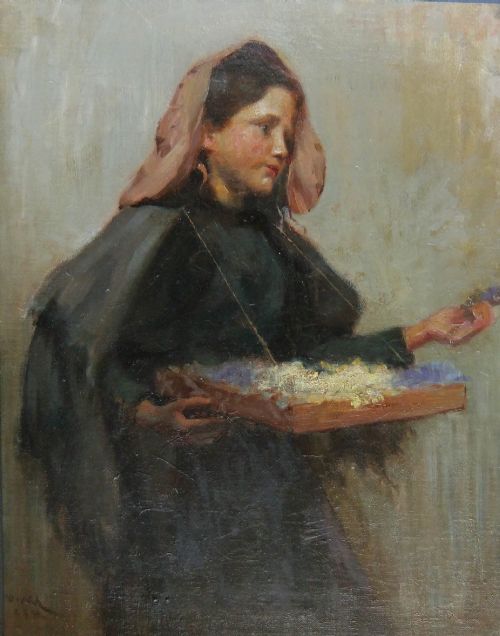
Artists relied primarily on oil paint applied to canvas or wood panel, alongside watercolours worked on paper. Canvas supports permitted rich layering and varied brushwork, particularly in larger Victorian compositions.
Wood panels offered a stable ground for detailed landscapes, while watercolourists utilised fluid washes to capture atmospheric weather and changing light over rivers and hills.
Keep an eye out for hidden canine companions quietly observing the room from the corners of these historic canvases.
Evaluating the Range
The strength of a composition rests on the artist's handling of light and pigment, whether rendering the gentle movement of water or the complex shadows of a portrait.
Condition plays a central role, distinguishing works preserved with original stretcher frames and intact surfaces from those showing heavy restoration or pigment degradation.
The distinction between a standard topographical record and a striking example of Scottish Impressionism lies entirely in the confidence of the brushwork and the depth of atmosphere achieved.
DAVID SCOUGALL·Joseph Farquharson·William Watt Milne·Sir George Reid·Alfred de Breanski Snr·Robert Gemmell Hutchison
The Original Scottish Fine Art Glossary
- Oil on Canvas
- Pigment mixed with drying oil applied to a stretched woven fabric support. This combination allows for deep impasto and rich colour blending.
- Gilt Wood
- Timber carved and coated with a thin layer of gold leaf or metallic paint. It provides a reflective border that isolates the painting from its surroundings.
- Wood Panel
- A rigid wooden board used as a painting support instead of fabric. It offers a smooth, stable surface favoured for detailed nineteenth-century landscapes.
- Watercolour Painting
- Pigments suspended in a water-soluble binder applied to paper. This medium relies on the white of the paper to impart luminosity to the scene.
- Period Frame
- An enclosure dating from the same era as the artwork it holds. These housings often feature ornate mouldings characteristic of Victorian or Edwardian design.
Original Scottish Fine Art: Frequently Asked Questions
What subjects appear most often?
Landscapes featuring Highland views, lochs, rivers, and coastal settings dominate the selection, alongside character portraits.
Urban scenes focusing on Edinburgh also recur across the nineteenth and twentieth centuries.
How should I hang these paintings?
Keep works away from direct sunlight and damp environments to protect the canvas, paper, and gilt wood frames.
Ensure wall fixings match the substantial weight of period wooden frames and stretched canvases.
Are watercolours as durable as oils?
Watercolours on paper require careful framing behind glass to shield the pigments from moisture and fading.
Oil paintings on canvas or wood generally offer greater resilience against environmental shifts.
How do I identify the period?
Examine the style of the brushwork, the preparation of the canvas or panel, and the characteristics of the framing.
Signatures, dates, and artist biographies provide the most reliable markers for dating individual works.