

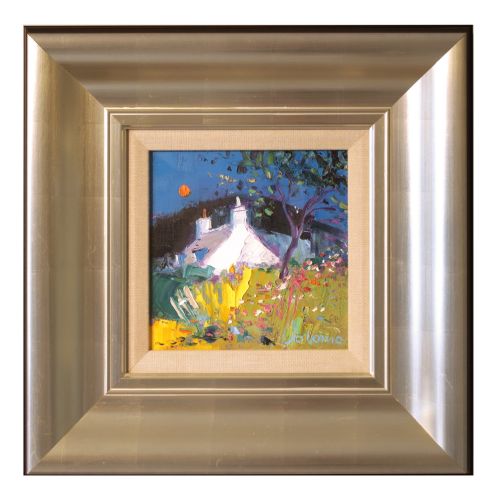
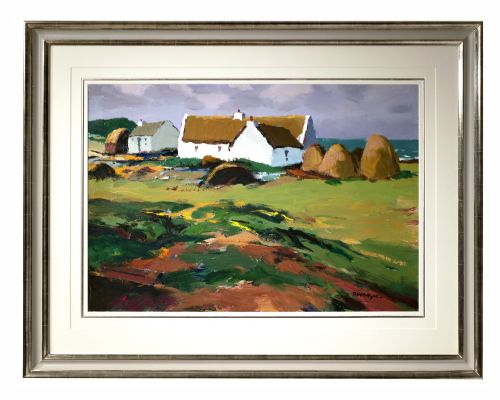
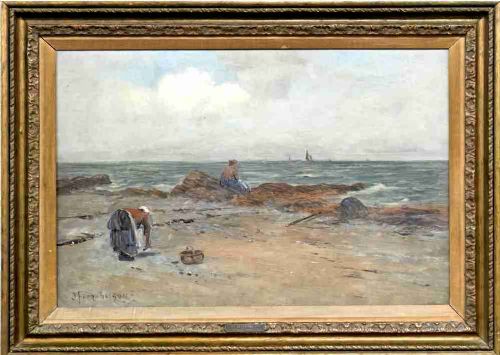
Original Scottish Art
Original Scottish art brings the atmospheric light, dramatic lochs, and rich heritage of the Highlands directly into your interior.
Original Scottish Art
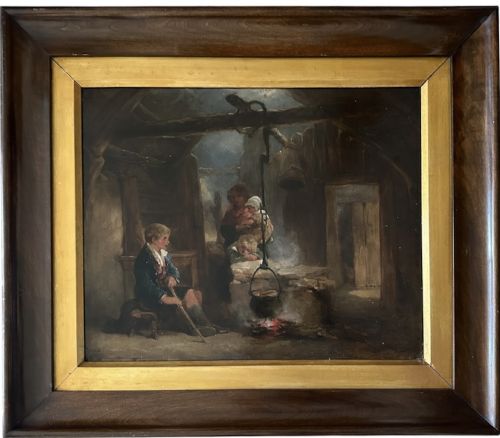
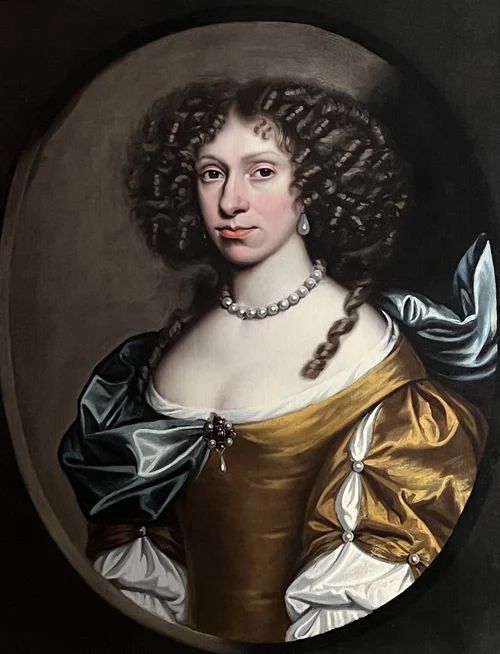
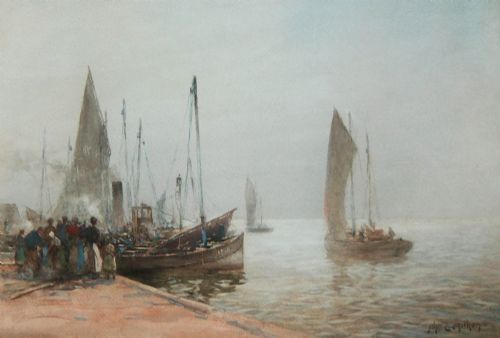
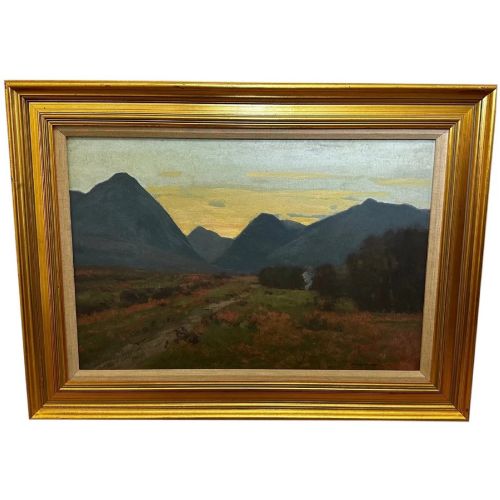
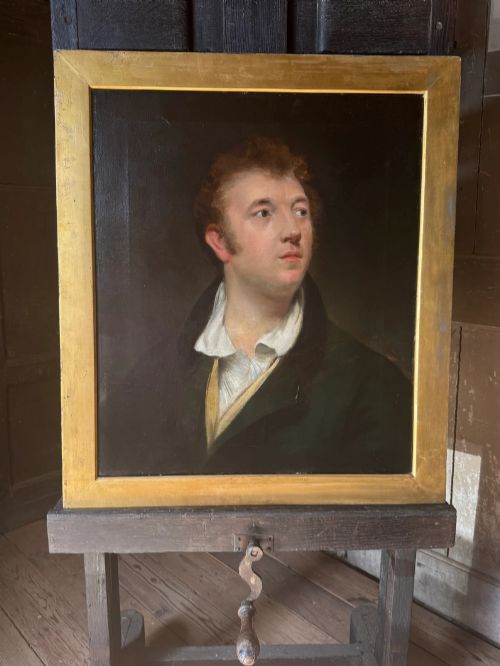
When searching for original scottish art, collectors encounter a rich variety of works spanning from seventeenth-century portraits to mid-century modern landscapes. These pieces capture the distinctive topography, coastal views, and social history of Scotland through the eyes of local and visiting practitioners.
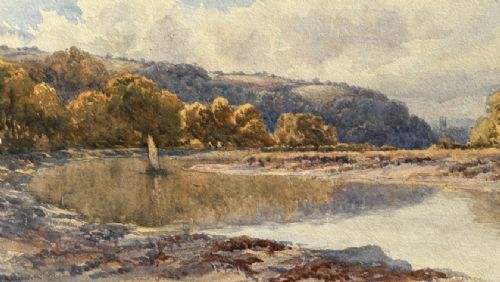
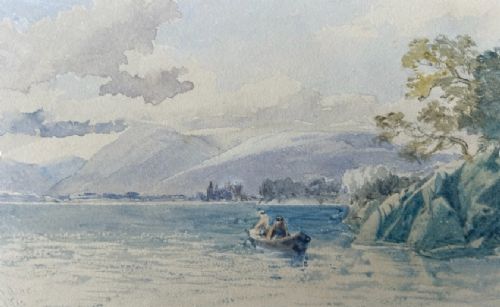
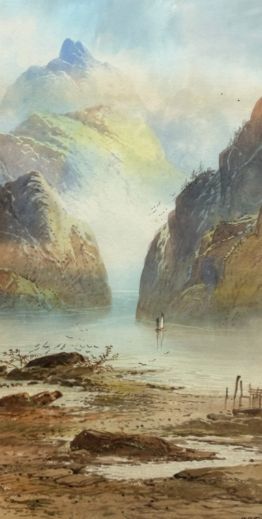
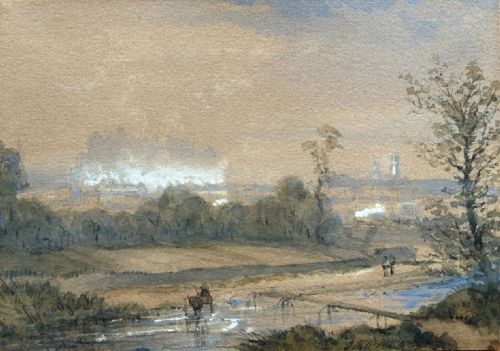
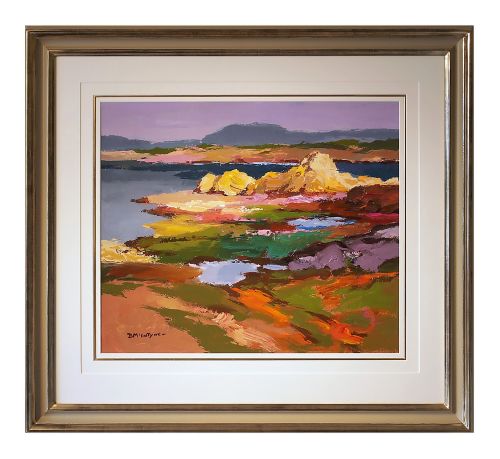
The selection ranges widely in form and period, featuring detailed Victorian watercolours, Edwardian rural scenes, and bold post-war oils. Buyers are most likely to meet atmospheric landscape paintings on canvas, board, and paper depicting iconic locations such as Loch Lomond and the Isle of Arran.
Materials and Technique
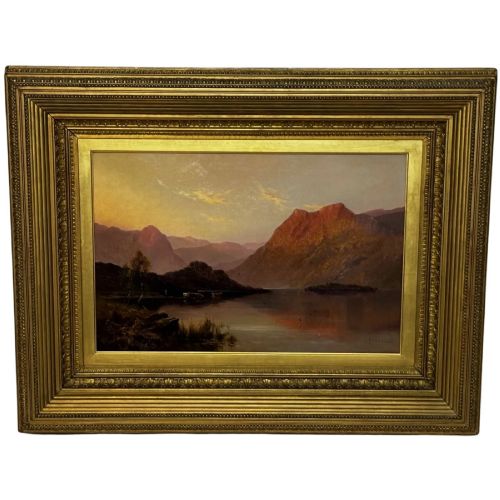
Traditional works rely on oil paint applied to canvas, wood panels, or board, allowing for deep layers of texture and rich colouration. Artists frequently worked en plein air, capturing shifting Highland weather with rapid brushwork.
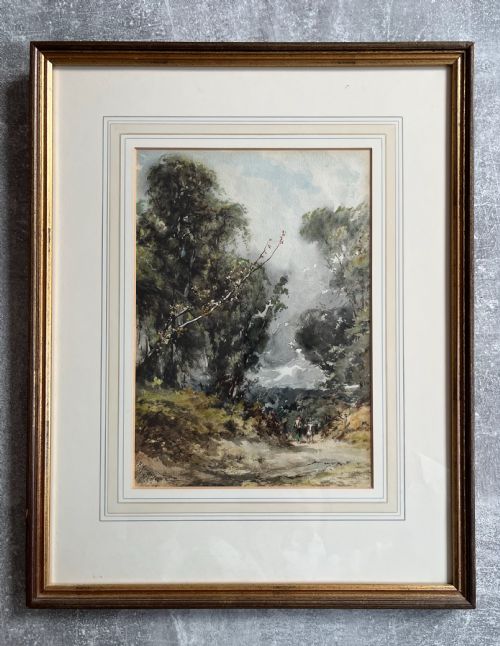
Watercolour on paper remains common, particularly in nineteenth-century and Edwardian productions, where translucent washes build delicate atmospheric effects. Many pieces retain their original framing and mounting, preserved across generations.
Variations in Quality
Quality rests in the sureness of the handling and the artist's ability to render the specific quality of northern light. Stronger works display confident composition and expressive brushwork rather than rigid adherence to academic detail.
Condition and preservation also determine standing, with untouched surfaces and original framing holding greater appeal for serious collectors. Pieces that retain signatures, exhibition labels, or provenance carry higher historical weight.
David Scougall·George Fotherly Hargitt·Thomas Miles Richardson Jnr·Tom Campbell·Joseph Farquharson·Donald McIntyre·John Lowrie Morrison·J D Fergusson
The Original Scottish Art Glossary
- Impasto
- Paint applied thickly to a canvas or board, leaving visible brush or palette-knife marks that catch the light.
- Verso
- The back of a painting, canvas, panel, or paper sheet, frequently bearing artist signatures, titles, or gallery labels.
- Provenance
- The documented history of ownership of a work of art, establishing its authenticity and lineage.
- Plein Air
- Painting outdoors to capture direct observations of natural light and weather conditions.
- Monogram
- A motif made by overlapping or combining two or more letters to form a recognizable signature.
Original Scottish Art: Frequently Asked Questions
How do I date an antique Scottish landscape?
Dating relies on stylistic markers, framing techniques, and artist documentation where available. Victorian and Edwardian works often show specific handling of light and costume that anchor them to their era.
Signatures, exhibition labels on the verso, and artist lifespan records provide further confirmation of the period.
Where should I hang these paintings?
Original Scottish paintings suit both traditional and contemporary interiors, particularly when given neutral wall space to let the colours breathe. Avoid placing delicate watercolours in direct sunlight to prevent fading.
Ensure proper wall fixings suited to the weight of heavy framed oils on canvas or wood panel.
Are watercolours as durable as oils?
Watercolours on paper require more careful conservation than oil paintings on canvas or board. They benefit from professional framing behind protective glass with acid-free mounts.
Oils are more robust but still require stable room temperatures to avoid cracking or warping of the wooden panels.
What defines the Scottish Impressionist style?
Scottish Impressionism emerged from artists engaging with continental techniques while retaining a distinct local palette. These works emphasise mood, brush texture, and the transient effects of weather over strict realism.
impasto strokes and bold colour choices distinguish these mid-century interpretations of Highland scenes.