
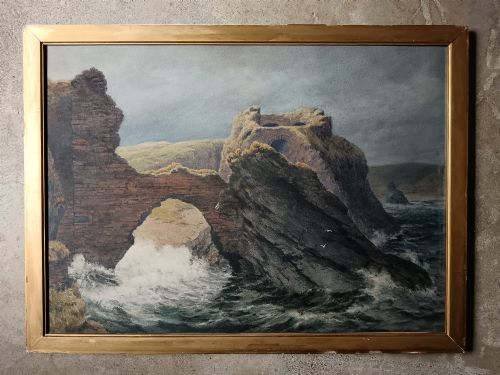


Scottish Landscape Picture
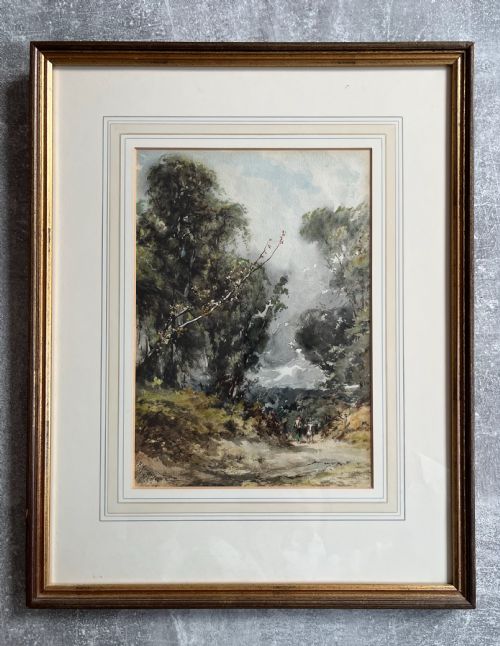
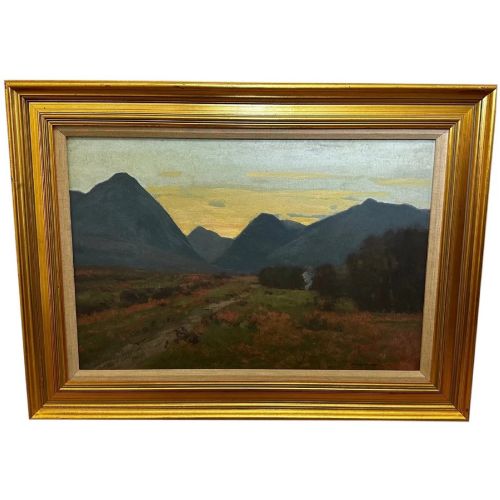
A scottish landscape picture captures the rugged character of northern terrain through nineteenth and twentieth century brushwork.
Scottish Landscape Picture
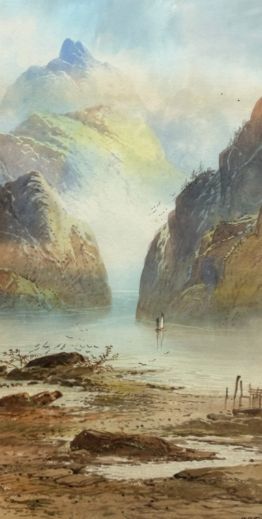
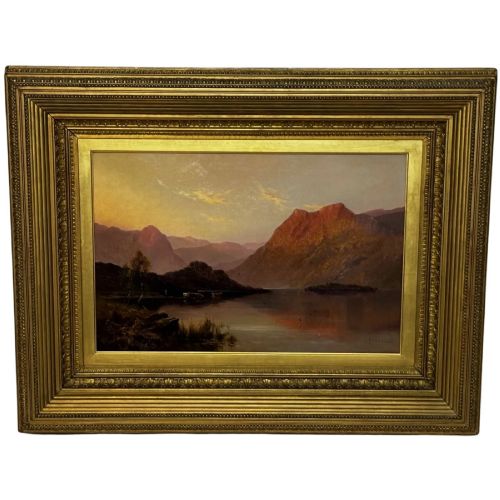
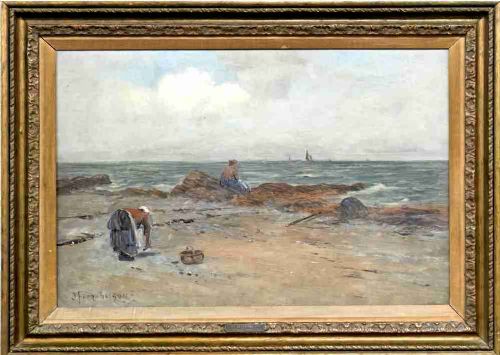
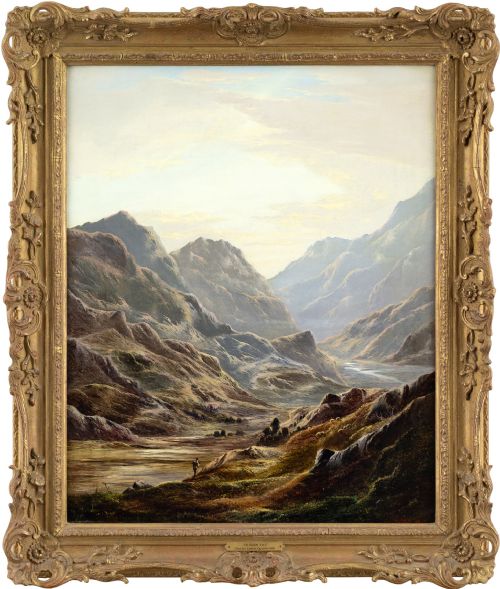
A scottish landscape picture typically records lochs, mountains, and coastal views through traditional painting mediums. These works span the nineteenth century into the mid twentieth century, reflecting shifting tastes in regional art.
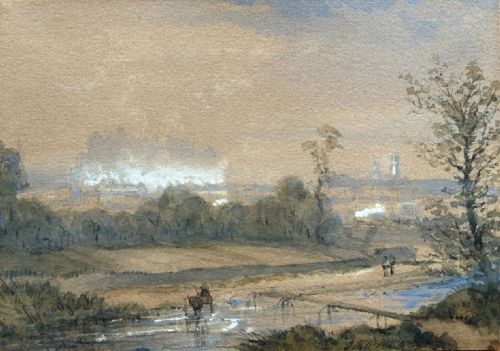
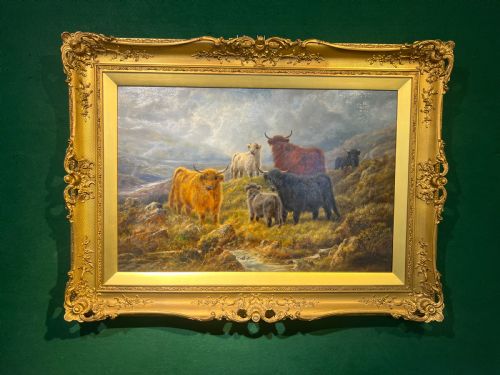
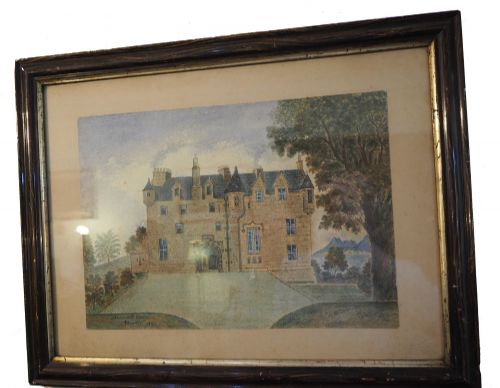
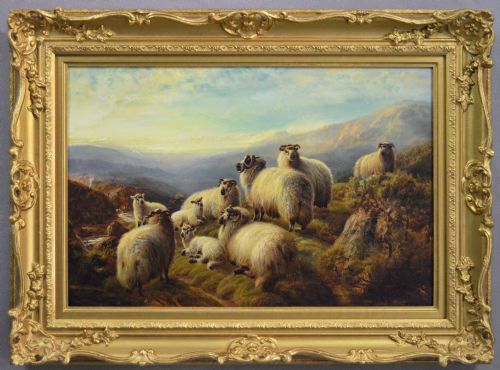
Most examples encountered here are oil paintings on canvas or panel, alongside detailed watercolour paintings on paper. Subjects frequently feature highland cattle, ruined castles, and remote crofts set against expansive skies.
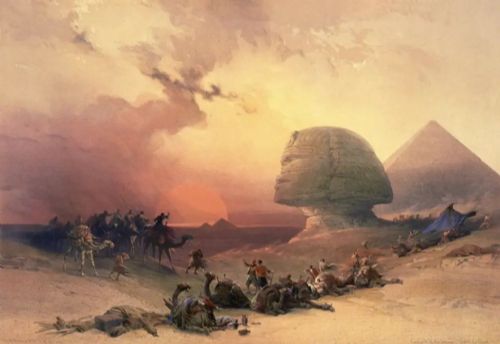
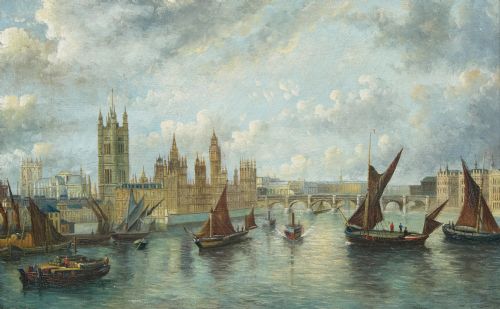
Pieces range from intimate watercolours by named Scottish school artists to large framed oils designed for prominent wall display. The selection demonstrates both professional academy output and accomplished regional documentation.
Materials and Technique
Artists employed oil paint applied to stretched canvas, wooden panels, or heavy paper supports, building depth through layered brushwork and glazing. Watercolours rely on transparent washes and fine line work on paper, often protected beneath glass.
Framing forms an integral part of the presentation, utilising ornate giltwood and gesso frames from the Victorian and Edwardian periods. These frames often carry period ornamentation that complements the palette of the picture within.
The inventory records works from the Georgian period through the Victorian and Edwardian eras up to the nineteen fifties.
Factors of Distinction
Compositional strength and atmospheric control separate accomplished academic works from standard regional output. Handled with confidence, light and shadow define the craggy textures of rock and water rather than relying on formulaic repetition.
The integration of the original period frame significantly influences the integrity of the piece. Surviving period giltwood frames that retain their original surfaces enhance the overall historical weight of the painting.
George Fotherly Hargitt·William Henry Earp·John R Prentice·Alfred Fontville de Breanski·George Houston·David Roberts·Joseph Farquharson·Charles Leslie·John Moxon·William George Tennick·Henry Robinson Hall·Robert Watson·Frank Hider·H Wallace·John A Houston·Robert Buchan Nisbet·John Douglas Perrett·Tom Seymour·John Mitchell·James Bell Anderson·R P Noble·Sidney Yates Johnson·T M Baynes·Stanley Orchart·John Charles Tunnard
The Scottish Landscape Picture Glossary
- Watercolour
- A painting method where fine pigment is suspended in water soluble binder and applied to paper. This medium allows for luminous washes and rapid execution in the field.
- Giltwood
- Timber carved and coated with a thin layer of gold leaf or metallic powder. It provides the reflective, decorative border typical of nineteenth century picture frames.
- Scottish School
- A loose grouping of artists working north of the border who shared an interest in local topography and atmospheric weather conditions. Their output forms the core of regional painting traditions.
- Impressionism
- A style prioritising visible brush strokes and the shifting qualities of natural light over meticulous finish. Scottish practitioners adapted these principles to capture dramatic northern weather.
Scottish Landscape Picture: Frequently Asked Questions
What periods do these paintings come from?
The selection spans from the late eighteenth century through the Victorian and Edwardian eras into the mid twentieth century. Most works cluster around the nineteenth century when landscape painting gained widespread popularity.
Dates are often supported by signatures, studio inscriptions, or the style of the original period framing. Victorian and Edwardian examples dominate the available subjects.
How do I identify a Scottish school painting?
These works typically depict recognisable northern landmarks such as lochs, glens, castles, and coastal cliffs. The light captured is often cool and moody, reflecting characteristic weather conditions.
Signatures on the front or inscriptions on the reverse frequently link the canvas to regional artists and exhibiting bodies.
Are these works painted on canvas or paper?
Both supports appear regularly across the inventory. Oils are typically executed on stretched canvas or wooden panels, offering rich texture and deep colour saturation.
Watercolours are painted on heavy paper and require glass protection. Both formats were standard for artists working both in the studio and outdoors.
How should I care for an antique painting?
Keep framed works away from direct sunlight and fluctuating humidity to protect both the pigment and the wooden support. Stable indoor environments prevent canvas sagging and paint cracking.
Dust gilt frames gently with a soft brush and avoid liquid cleaners on the painted surface.