
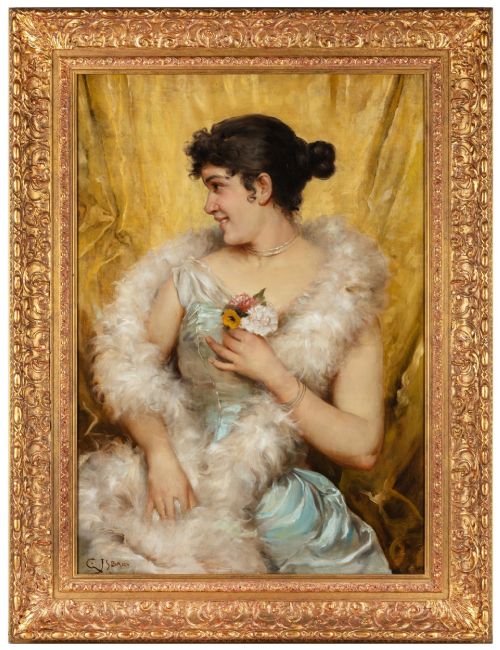
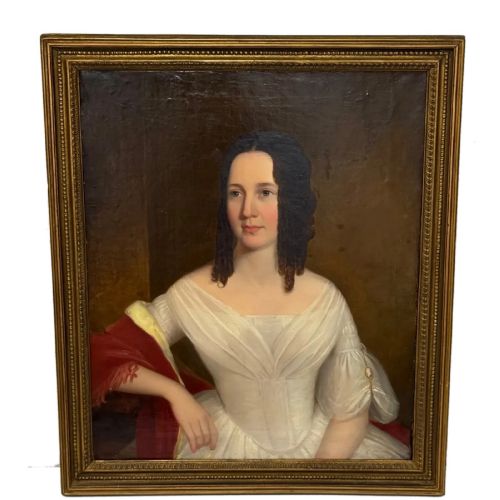
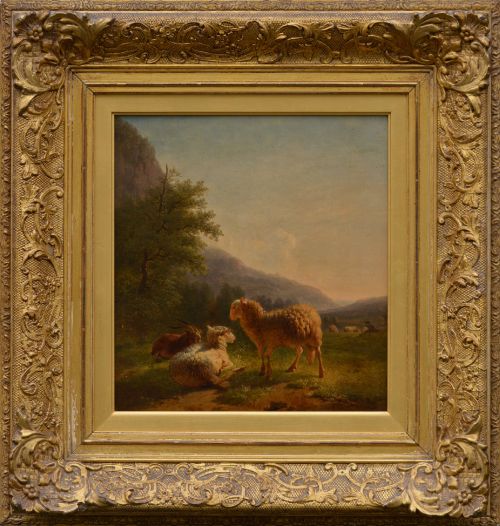
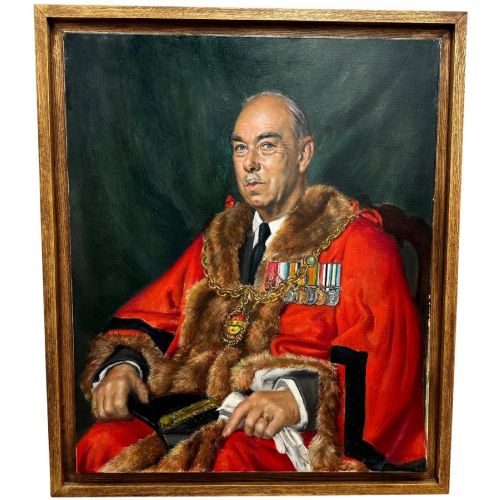

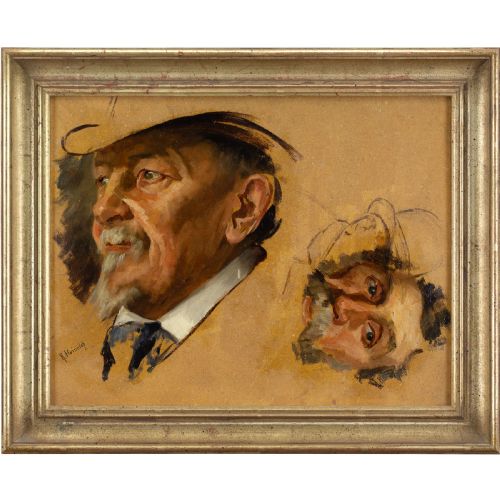
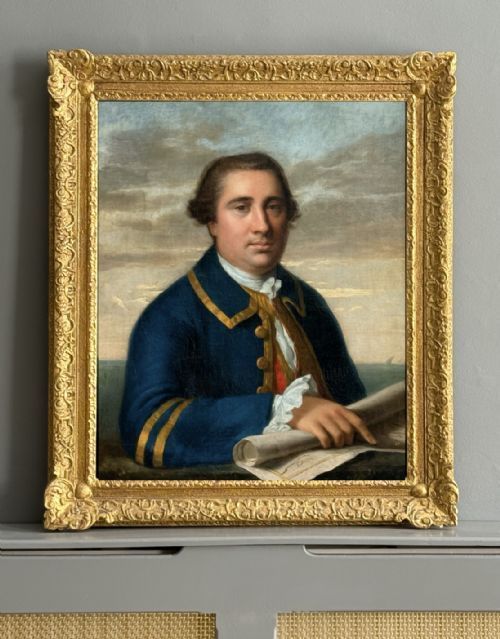
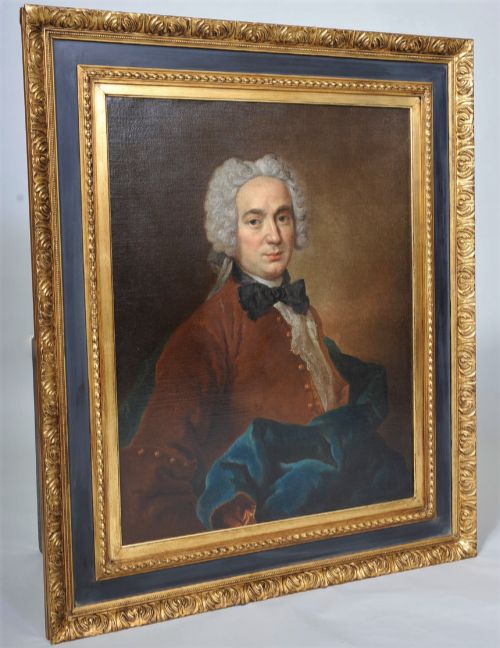
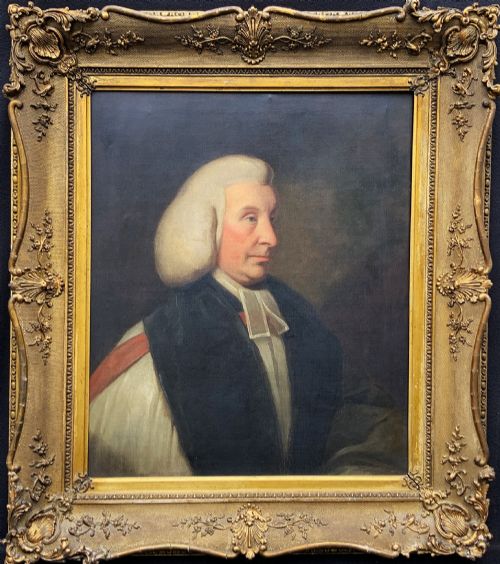
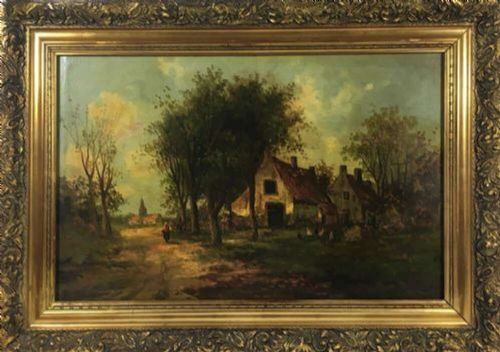
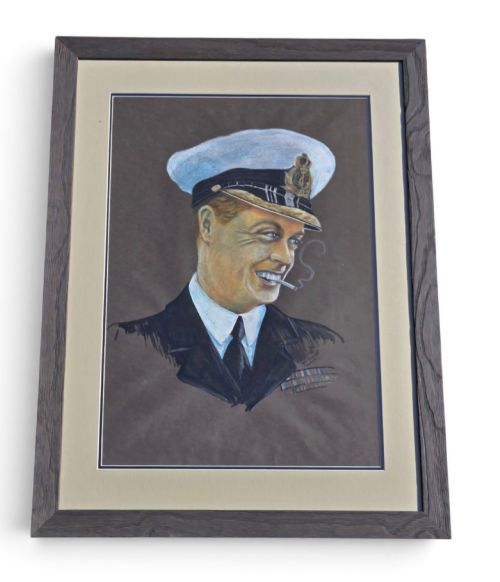
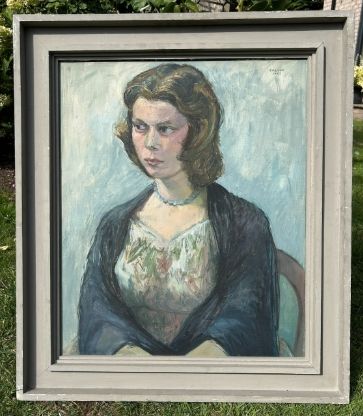
Original Portrait Painting Framed
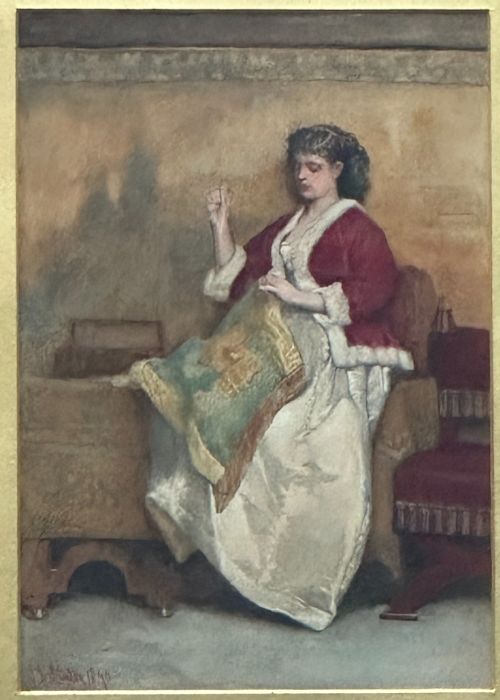
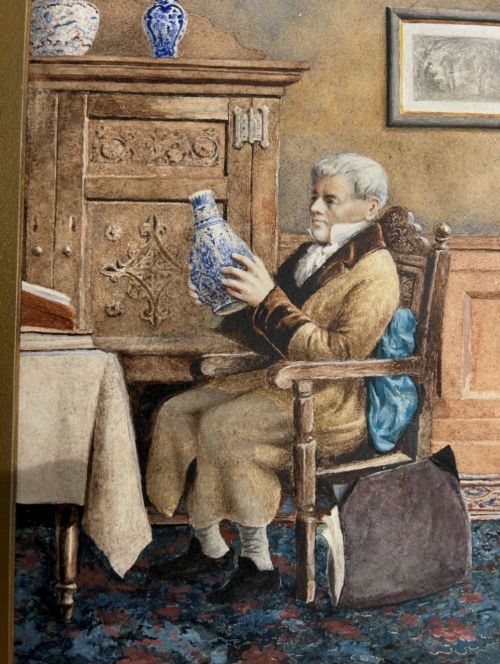
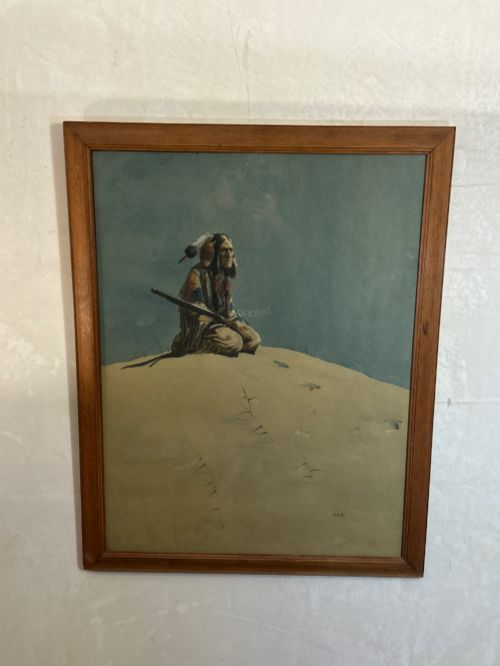
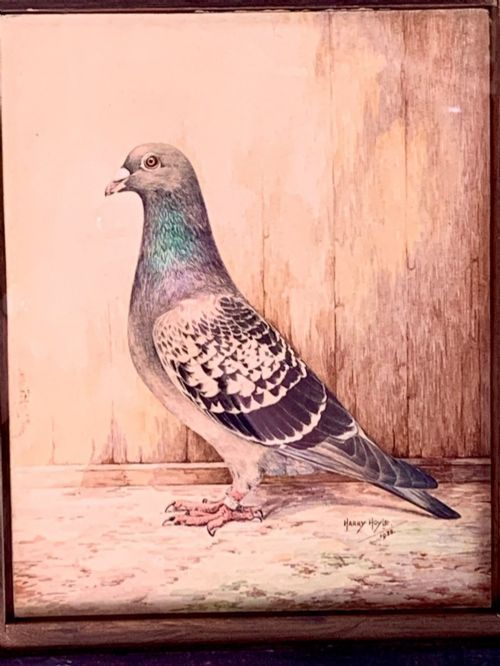
Original portrait painting framed pieces capture individual likenesses across centuries, bringing historic presence and personal narrative directly to your walls.
Original Portrait Painting Framed
An original portrait painting framed offers a tangible connection to historical figures, artists, and sitters whose identities range from documented merchants and nobility to members of the British School. When exploring this selection, buyers encounter works executed across expansive chronological boundaries, spanning from the seventeenth century through the twentieth century.
The prevailing items on this page lean heavily toward nineteenth-century oil paintings on canvas and panel, alongside watercolours and pastels from various periods. These works capture subjects individually or in small groups, reflecting the shifting aesthetic values of Georgian, Victorian, Edwardian, and modern periods.
Framed presentation is integral to these pieces, preserving the physical integrity of the canvas, wood, paper, or board. Buyers find everything from intimate cabinet-sized studies to large scale exhibition pieces housed in period surrounds such as giltwood frames.
How They Were Made
The physical foundation of these works relies upon traditional substrates, principally oil on canvas, wood panels, and heavy paper or board. Artists applied oil paint, watercolour, or pastel pigments using brushes or chalks, often building up layers to achieve depth in skin tones and textiles.
Support materials varied according to the era and the artist's preference, with canvas stretched over wooden frames and wooden panels utilised frequently in earlier centuries. Paper supports gained prominence for pastels and watercolours, requiring protective glass glazing within the surrounding frame.
The mounting and housing of these artworks typically involved timber moulding, frequently finished in giltwood to enhance the visual prominence of the portrait. These surrounds served a dual purpose of physical protection and aesthetic complement to the interior fashions of the period.
Listings feature works spanning from the seventeenth century through to the mid-twentieth century, executed in oil, watercolour, pastel, and pencil.
What Varies in Quality
Skill in anatomical rendering, psychological depth, and brushwork execution distinguishes master portraitists from competent regional practitioners or anonymous school works. The ability of an artist to capture the transient expression and lifelike presence of a sitter elevates a piece above standard decorative output.
The preservation of the primary medium - whether oil paint, pastel, or watercolour - dictates the visual integrity of the surface over time. Original framing adds substantial contextual value, particularly when the moulding matches the period of the artwork and retains its original gilding or finish.
Attribution and provenance heavily influence distinction within the market, as works linked through signatures, exhibition records, or historical documentation to named artists carry greater historical weight than anonymous examples attributed merely to a broad British or continental school.
Eugène Verboeckhoven·Joseph Clover RA·Bernard Hailstone·Sir James Dromgole Linton·John Hayls·Henry Stacy Marks·John Hassall·Robert Heinrich·Lemuel Francis Abbott·Kenneth Cozens·Vittorio Reggianini·G. J. S. Bary·Albert Clark·John Opie RA·Adelaïde Salles-Wagner·Max Kaltenmoser·James Howe·Carl Felkel·Frank Dobson·Joseph Biel·Gladys Marguerite Baker·Stephen Pearce·Henry Windsor Fry·William Staveley·M R Craig
The Original Portrait Painting Framed Glossary
- Oil on Canvas
- A painting medium where pigments suspended in drying oils are applied to a woven fabric support stretched over a wooden frame. This combination allows for rich blending and textured application.
- Giltwood
- Timber carved and surfaced with a thin layer of gold leaf or gold paint. This material is standard for high-status antique frames.
- Panel
- A rigid wooden board utilised as a painting support before canvas became dominant. Wooden panels provide a stable, smooth surface for detailed brushwork.
- Watercolour
- A painting method where natural pigments are suspended in a water-based solution and applied to paper. It yields translucent washes of colour.
- British School
- A designation applied to artworks created by artists working in Britain whose specific individual identities remain unrecorded. It groups stylistic similarities across eras.
Original Portrait Painting Framed: Frequently Asked Questions
What is an original portrait painting?
An original portrait painting is a unique hand-painted artwork depicting a specific human subject, executed directly by an artist rather than reproduced through mechanical printing processes.
These pieces capture the authentic likeness and character of sitters from past eras using traditional media such as oil paint, watercolour, or pastel.
How do I identify the period of a framed portrait?
Period identification relies upon a combination of the sitter's clothing, hairstyle, and the stylistic conventions employed by the artist. Examining the construction methods of the canvas support and the surrounding frame provides further chronological clues.
Many works include dates, signatures, or historical inscriptions on the reverse or front that confirm their exact time of creation.
Where should I hang an antique portrait?
Antique portraits suit traditional living spaces, studies, or hallways where they introduce a sense of historic character and narrative depth. They pair effectively with period furniture and neutral wall backdrops that allow the darker tones of oil paintings to stand out.
Direct sunlight should be avoided to protect organic pigments, particularly on watercolour and pastel works framed under glass.
What is the difference between canvas and panel portraits?
Canvas portraits consist of woven fabric stretched over a wooden stretcher frame, offering slight flexibility and a textured surface finish. Panel portraits utilise rigid wooden boards, providing an entirely flat ground favoured for intricate detail.
Both supports have been utilised across centuries, with panels appearing more frequently in smaller works and earlier periods.