



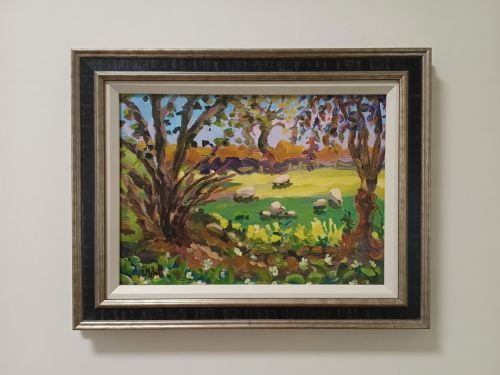
Original Pastoral Artwork
Original pastoral artwork captures rural life and countryside scenes through historic paintings, watercolours, and drawings that bring rustic charm into interiors.
Original Pastoral Artwork
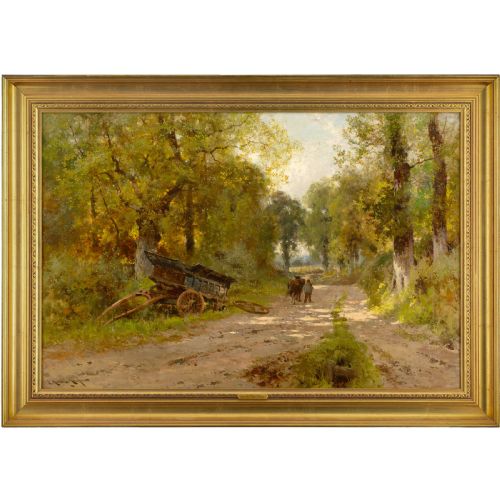
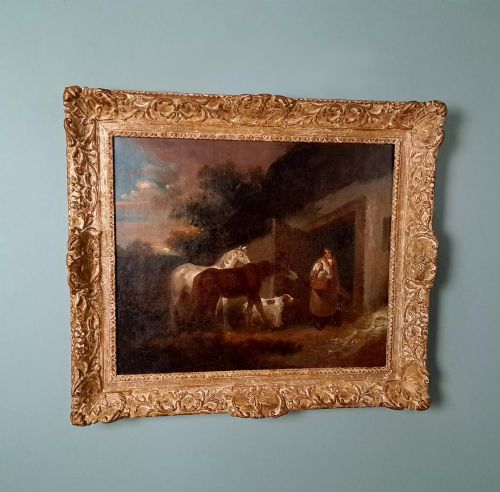
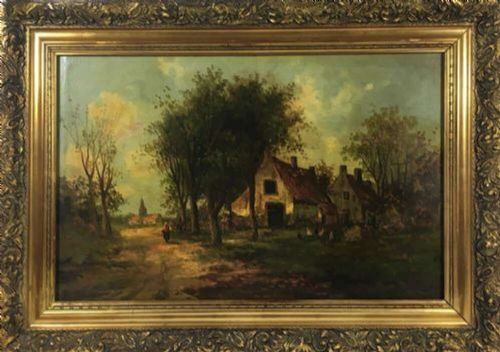
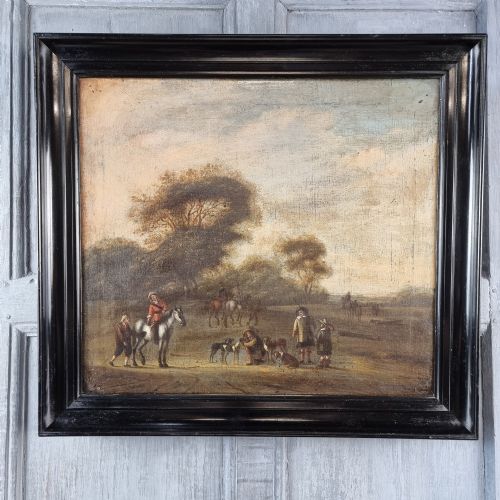
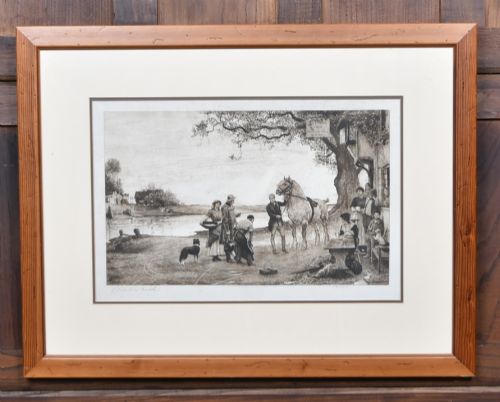
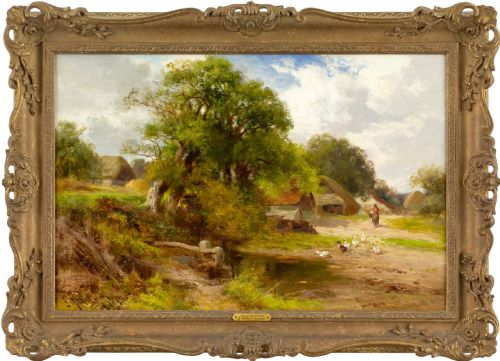
Original pastoral artwork encompasses historic paintings, watercolours, and drawings depicting rural scenes, farm life, and landscapes featuring herdsmen, livestock, and cottages. These pieces reflect artistic movements from the seventeenth to the early twentieth century, including Victorian and Edwardian interpretations of the countryside.
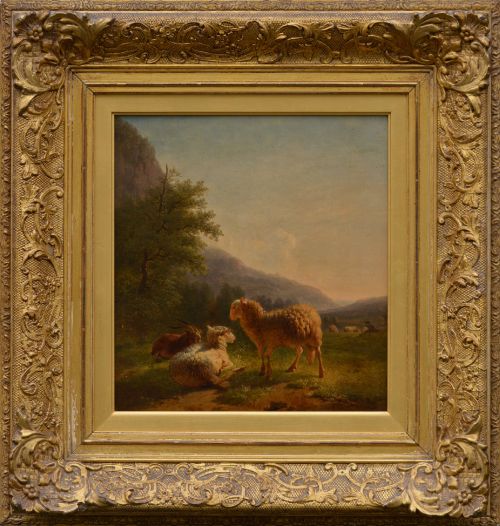
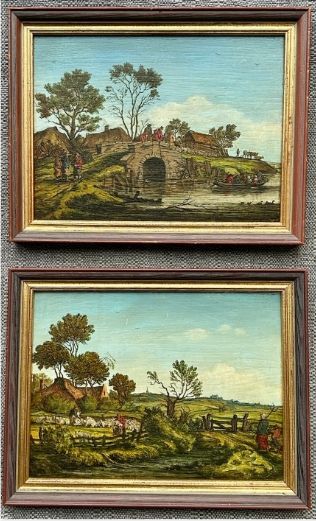
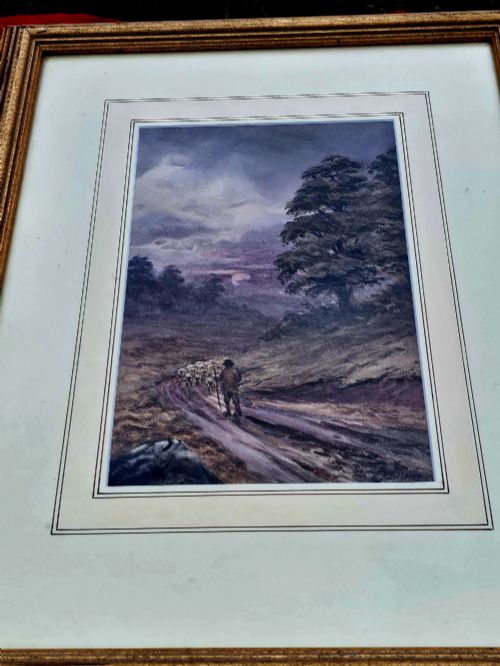
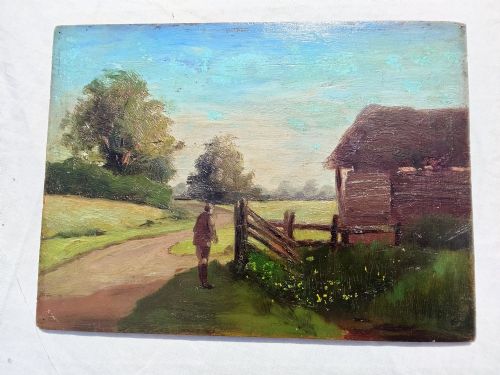
Buyers browsing this selection frequently encounter nineteenth and early twentieth-century oil paintings on canvas or wood panels, alongside detailed watercolours on paper. Subjects commonly feature sheep, cattle, and agricultural workers situated in British, Scottish, and continental landscapes.
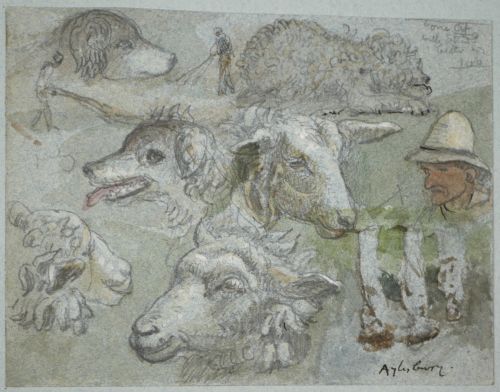
The assortment ranges from intimate rural sketches to large framed oils created by recognised artists associated with traditional British and European regional schools. Each piece preserves a distinct record of agrarian life before mechanisation transformed the European countryside.
Materials and Techniques
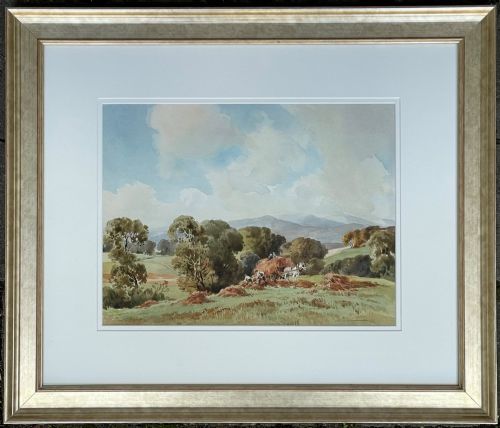
Artists painted these rural scenes using oil paints on stretched canvas or wooden boards, achieving rich textures and deep colour layering. Watercolours on paper offer a lighter, more translucent quality, frequently utilised for atmospheric river views and open fields.
Support materials include traditional wood panels and heavy paper stock housed behind glass in period frames. Pigments were applied with varied brushwork, ranging from fine detailed watercolours to thick impasto oils characteristic of nineteenth-century realism and impressionism.
Several sheep painted across these fields appear remarkably unbothered by unpredictable British weather.
Assessing Artistic Quality
Quality in these rural compositions depends on the artist's command of natural light, anatomical precision in depicting animals and figures, and the atmospheric depth of the background landscape. Superior examples display confident brushwork and a balanced composition that draws the viewer into the pastoral scene.
The preservation of the original medium also influences overall merit, with well-maintained canvas tension, stable paint layers, and minimal surface restoration distinguishing finer works from heavily retouched or neglected pieces.
Tom Campbell·David Bates·Thomas Sidney Cooper·George Oyston·Ernest Higgins Rigg
The Original Pastoral Artwork Glossary
- Pastoral
- Depicting country life, shepherds, and agricultural landscapes in an idealized or realistic manner. This central genre celebrates the simplicity and beauty of rural existence.
- Impasto
- Paint applied thickly to a canvas, standing out from the surface to create tactile texture. Artists utilised this technique to render highlights on water or textured foliage.
- Wood Panel
- A rigid wooden support used by painters instead of canvas, common in earlier European traditions. These boards provide a stable, firm surface for detailed brushwork.
- Watercolour
- A paint consisting of pigment suspended in a water-based solution, typically applied to paper. It allows for delicate washes and luminous effects in landscape studies.
Original Pastoral Artwork: Frequently Asked Questions
How do I care for antique pastoral paintings?
Keep framed oil and watercolour works away from direct sunlight and fluctuating humidity levels to protect the paper, canvas, and pigments from fading or degradation.
Dust the frames gently with a dry cloth and avoid using liquid cleaners on the painted surfaces or historic wooden mouldings.
What periods do these rural artworks cover?
The collection spans from the seventeenth century through the Victorian and Edwardian eras up to the early twentieth century, showcasing evolving regional styles.
Most pieces originate from the nineteenth century, reflecting nineteenth-century realism, romanticism, and early British impressionism.
Are these artworks signed by the artists?
Many pieces feature visible signatures, monograms, or attribution details inscribed by the hand of the original painter or watercolourist.
Some historical works remain indistinctly signed or attributed based on style, technique, and subject matter characteristic of particular art schools.
How do oil paintings differ from watercolours here?
Oil paintings utilise pigment bound in oil on canvas or wood panels, offering rich textures, deep tones, and durable surfaces that often do not require glass.
Watercolours use water-soluble pigments on paper, creating translucent effects and lighter compositions that are preserved under protective glass.