




Vintage Cattle Painting
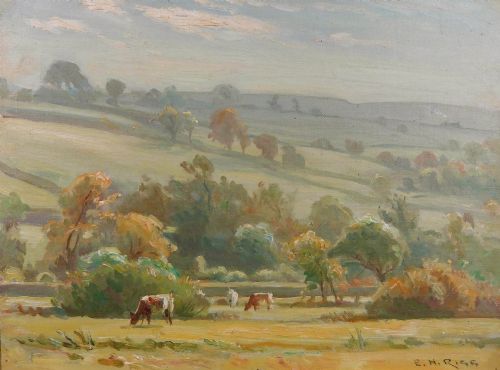
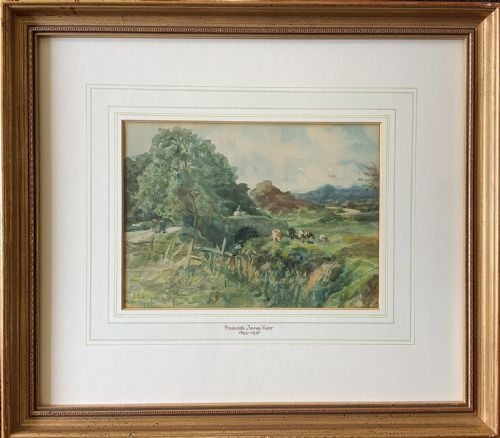
A vintage cattle painting captures the pastoral calm of earlier centuries through oil and watercolour.
Vintage Cattle Painting
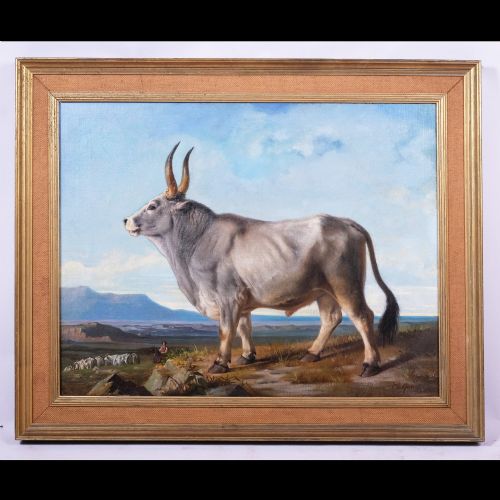
A vintage cattle painting brings rural life and pastoral scenes directly to the wall through works created during the nineteenth and early twentieth centuries. These pieces encompass framed oils on canvas alongside delicate watercolours depicting shorthorn bulls, grazing herds, and Highland landscapes.
The selection ranges from Victorian pastoral scenes to Edwardian watercolours and British Impressionism. Buyers will regularly encounter framed works capturing cattle near rivers, streams, and mountainous lochs.
How they were made
Artists relied primarily on oil paint applied to canvas or watercolour on paper, often framed in wood with gold leaf or gilt details. These traditional materials provide the lasting depth and surface texture seen across the collection.
Makers utilised skilled brushwork to capture natural light across rural landscapes, combining careful draughtsmanship with rich pigments. Paper mache also appears in select animal forms within the broader selection.
Even the cows get to pose by the water.
What varies in quality
Quality rests in the precision of the animal's form and the artist's handling of light and atmospheric depth within the wider landscape. Stronger pieces demonstrate confident brushwork that defines both the cattle and their surroundings with clarity.
The handling of the original frame, whether gilt wood or burr, also influences the overall presence of the artwork. Works by recorded painters tend to show superior compositional balance compared to anonymous studio pieces.
William H Myers·Ernest Higgins Rigg·Frederick James Kerr·Henry Robinson Hall·Ernest Pile Bucknall·Eugene Verboeckhoven·Alfred Grey RHA·Claude Cardon·George Turner·William Traies·John R K Duff·Frederick William Jackson·William Sidney Cooper·Walter J Watson·Owen Bowen·Alfred de Breanski Sr
The Vintage Cattle Painting Glossary
- Oil paint
- A slow-drying medium composed of pigments suspended in a drying oil, typically linseed. It allows for rich colour blending and textured application on canvas.
- Watercolour
- A painting method where water-soluble pigments are suspended in a water-based solution on paper. It creates transparent washes of colour.
- Gilt
- Covered thinly with gold leaf or gold paint. This finish often adorns traditional wooden picture frames.
- Pastoral
- A style of art depicting rural life, shepherds, and grazing livestock in an idealized countryside setting. It emphasises peaceful natural harmony.
- Shorthorn
- A prominent breed of cattle frequently depicted in nineteenth-century agricultural and pastoral art. Painters often highlighted their prized physical traits.
Vintage Cattle Painting: Frequently Asked Questions
What periods do these paintings date from?
The works span the nineteenth century through the Edwardian era and the early twentieth century. Most pieces reflect Victorian and Edwardian aesthetic traditions.
Dates range from the late eighteenth century up through the nineteen-thirties, covering distinct periods of British and European pastoral art.
How were these pastoral paintings originally displayed?
These artworks were typically hung in domestic reception rooms, parlours, or country houses to bring elements of rural estates inside. They served as decorative focal points for the home.
Many retain their original wooden frames, sometimes featuring gilt or gold leaf finishes suited to period interiors.
How do I care for an antique painting?
Keep the artwork away from direct sunlight and damp environments to protect the canvas, paper, and pigments from fading or deterioration. Stable room temperatures prevent the wood and canvas from warping.
Dust frames gently with a dry cloth and avoid applying liquid cleaners directly to the painted surface.
How do I tell watercolours apart from oils?
Oils are painted on canvas or panels with a textured, heavier paint layer that catches the light. Watercolours are executed on paper behind glass with a transparent, flat finish.
Examining the surface closely reveals the distinct weave of canvas versus the smooth paper ground beneath transparent pigment washes.