




Impressionist Landscape Drawing
Impressionist landscape drawing captures natural light and outdoor scenes swiftly on paper using charcoal, pastel or watercolour.
Impressionist Landscape Drawing
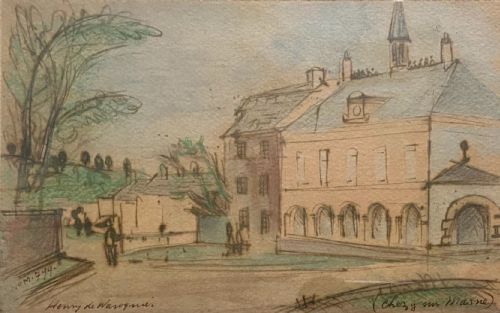
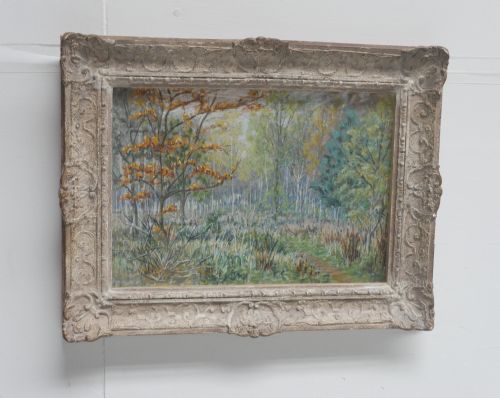
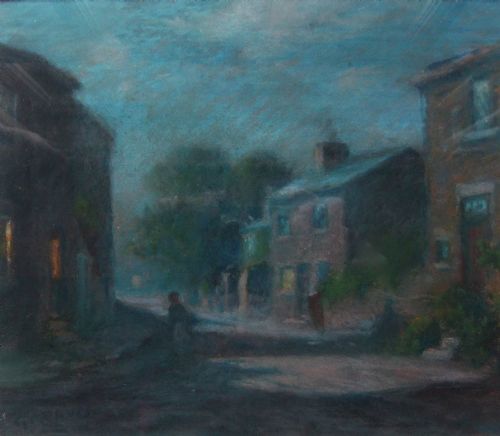
An impressionist landscape drawing brings the fleeting effects of light and weather outdoors directly onto paper. The selection here spans the nineteenth century through the mid-twentieth century, capturing rural scenes, rivers, and town views.
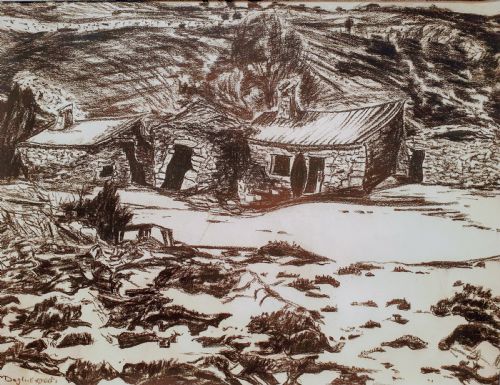
Works on paper appear in various forms, including delicate watercolours, robust pastels, and expressive charcoal sketches. Artists recorded these outdoor vistas across Britain, France, and Canada during periods such as the Edwardian era and the mid-century modern movement.
Buyers will encounter finished works on paper alongside mixed media pieces that combine ink and watercolour. These framed wall art items reflect the distinct atmospheric approaches of British Impressionism, French Post-Impressionism, and nineteenth-century realism.
Assessing quality and execution
The strength of a drawing rests in the confidence of the mark-making and the handling of light. Superior examples demonstrate an economy of line and an assured sense of atmosphere rather than laboured detail.
Compositional balance and the preservation of vibrant pigment distinguish accomplished works from routine studies. The interaction between the bare paper and the applied medium often determines the visual energy of the piece.
One historic pastel captures ibises in flight above a blue lagoon, bringing exotic wildlife straight to the drawing room.
Henry de Waroquier·William Greaves·Charles James Lauder·Eduard Leon Cortes·Berthe des Clayes·Yves Brayer·Matthew Hale·Angus Rands·Henri Joseph Harpignies
The Impressionist Landscape Drawing Glossary
- Pastel
- A dry medium composed of powdered pigment and a binder, shaped into sticks for drawing on paper. It offers intense colour saturation and delicate blending capabilities.
- Watercolour
- A paint consisting of pigment suspended in a water-soluble vehicle, applied in translucent washes. It allows light to reflect from the paper surface through the pigment layers.
- Charcoal
- A form of dry carbonized wood used for drawing, producing deep black marks that smudge easily for shading. It provides artists with high contrast and expressive line work.
- Post-Impressionism
- An art movement extending roughly from the late nineteenth century that rejected naturalistic depiction in favour of emotional expression and structural form. Practitioners emphasised symbolic colour and distinct brushwork.
- Works on paper
- A collective category encompassing drawings, watercolours, pastels, and prints executed on a paper support. These items require framing behind glass for preservation.
Impressionist Landscape Drawing: Frequently Asked Questions
How should I frame a pastel drawing?
Pastel drawings require framing behind glass with a mat or spacers to ensure the delicate pigment particles do not touch the glazing.
This protective mounting preserves the friable surface texture and prevents accidental smudging over time.
Where were these landscape drawings created?
These works originate from various European and North American regions, capturing specific locations such as London, Provence, Normandy, and rural Yorkshire.
Artists frequently travelled outdoors to record direct observations of local rivers, town squares, and agricultural scenes.
What is the difference between watercolour and pastel?
Watercolour utilises liquid washes of pigmented paint that stain the paper fibres to create translucent layers of colour.
Pastel consists of dry pigment sticks applied directly to the surface, offering a soft, opaque finish with visible strokes.
How do I care for antique works on paper?
Keep works on paper away from direct sunlight and excessive humidity to prevent fading and paper degradation.
Displaying them in stable indoor environments protects both the fragile drawing media and the paper support.