


Brown Pastel Artwork
Brown pastel artwork brings warmth and soft texture to interiors, capturing portraits, horses and landscapes across centuries.
Brown Pastel Artwork
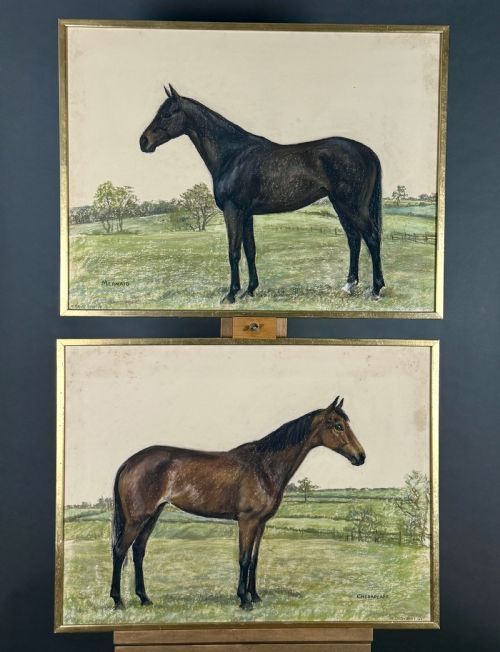
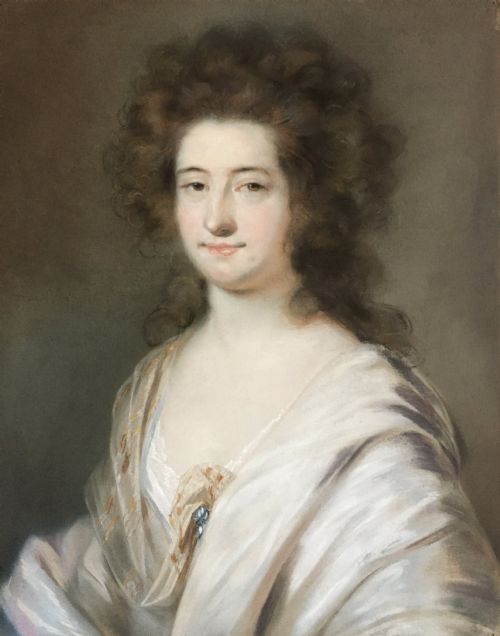
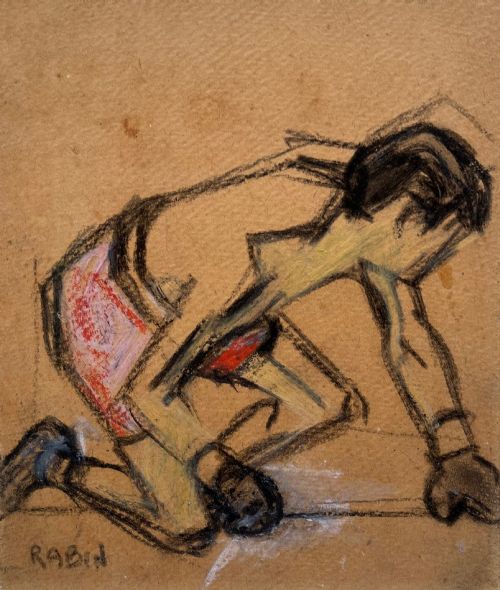
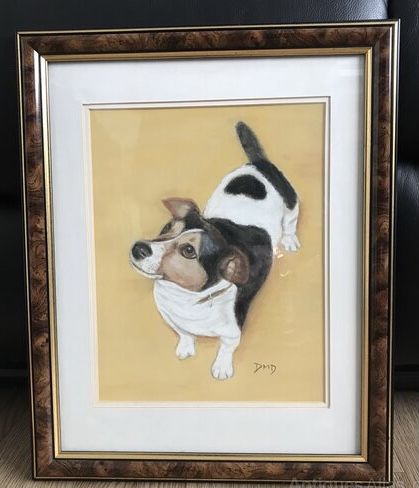
When you search for brown pastel artwork, you encounter a focused selection of works on paper spanning from the eighteenth century through to the mid-twentieth century. The selection ranges from eighteenth-century portraits and nineteenth-century studies to mid-century sporting scenes and landscapes.
Portraits and animal studies dominate the offerings, often executed on tinted paper or incorporating charcoal and chalk alongside the pastel medium. You will find framed drawings and pastel portraits reflecting various periods including the Georgian, Victorian, Edwardian and mid-century eras.
The works span multiple regional and stylistic categories, including English School, 20th Century British School and Modern British. Many pieces are presented in traditional frames with glass protection, preserving the delicate surfaces of the drawings.
Materials and technique
Artists utilise soft pastel sticks combined with chalk and charcoal, applying pigment directly onto paper or coloured paper supports. Some works integrate watercolour washes beneath or alongside the pastel marks to establish tone and depth.
Framing under glass remains essential for protecting the friable pigment from disturbance and atmospheric moisture over time. Traditional wooden and gilt wood frames frequently house these works, often retaining their original presentation.
Listings feature works spanning the eighteenth century, nineteenth century, Edwardian era, and the nineteen-fifties and sixties.
Judging quality in pastels
Quality rests upon the sureness of the draughtsmanship and the artist's control over tone, particularly when working with monochromatic or limited brown palettes. Strong bone structure in portraits and convincing movement in equestrian studies distinguish the finer examples.
The preservation of the pigment layer without excessive rubbing or loss determines the integrity of the piece. Works that retain their crisp hatching and atmospheric depth command greater appreciation among collectors.
John Russell·Samuel Rabin·John Rattenbury Skeaping·Cecil Charles Windsor Aldin·Gyrth Russell·Robert Faulkner·John Macallan Swan·Angus Rands
The Brown Pastel Artwork Glossary
- Pastel
- A medium consisting of powdered pigment combined with a binder and moulded into sticks. It produces a velvety surface texture that requires protection behind glass.
- Chalk
- An opaque dry drawing material often used alongside pastel for outlining forms and adding crisp highlights. It provides structural definition to softer pigment areas.
- Coloured paper
- Tinted support material used by artists to establish a mid-tone baseline. This technique reduces the work needed to build up shadows and creates harmonious warmth.
- Equestrian study
- An artwork focused on the depiction of horses. These pieces frequently capture animals in motion or harness within sporting contexts.
Brown Pastel Artwork: Frequently Asked Questions
Are these works original or prints?
The pieces listed are original hand-drawn artworks executed directly onto paper using pastel, chalk and charcoal. Each drawing bears the unique touch and individual mark-making of the artist.
Close inspection under magnification reveals the physical layering of pigment and the texture of the paper grain characteristic of genuine works.
What framing is typical for pastels?
Traditional wooden frames, sometimes with gilt finishes, commonly house these historic works. Glass is essential to protect the delicate, unsealed surface from accidental contact.
Mounts or slips often separate the paper from the glass to prevent the pastel surface from adhering to the glazing over time.
How are different periods identified?
Stylistic conventions, paper types and framing styles help determine the era of a piece. Eighteenth-century portraits often feature specific costume details and handling associated with contemporary portraiture traditions.
Signatures, dates and documentation recorded by previous owners also provide reliable indicators of a work's creation period.