
Original Paper Sketch
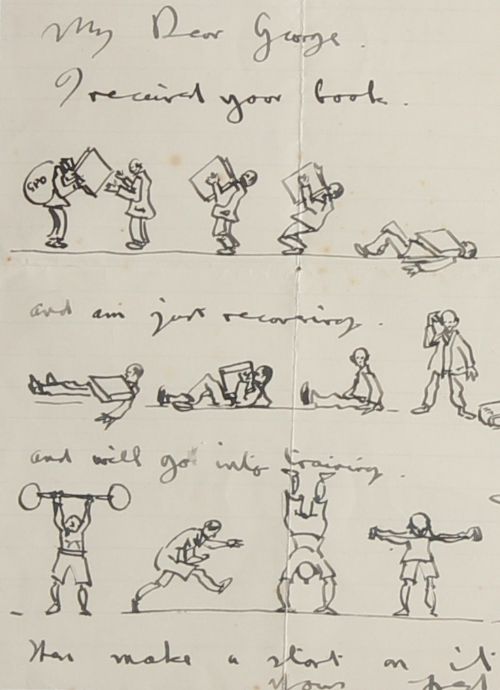
An original paper sketch captures a direct, unmediated thought from the artist's hand, offering collectors an intimate glimpse into historical creative processes.
Original Paper Sketch
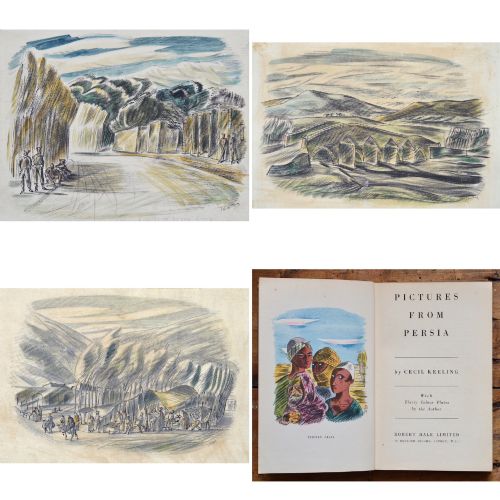
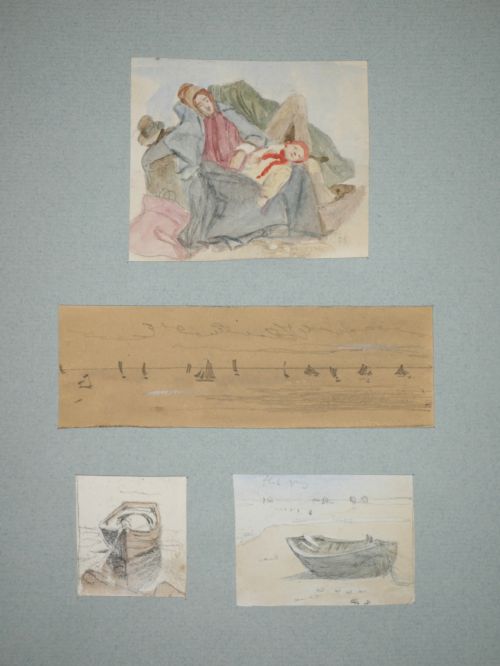
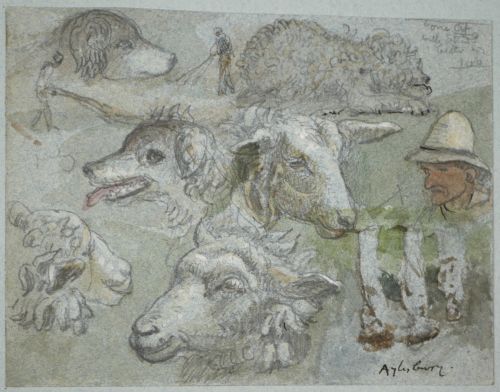
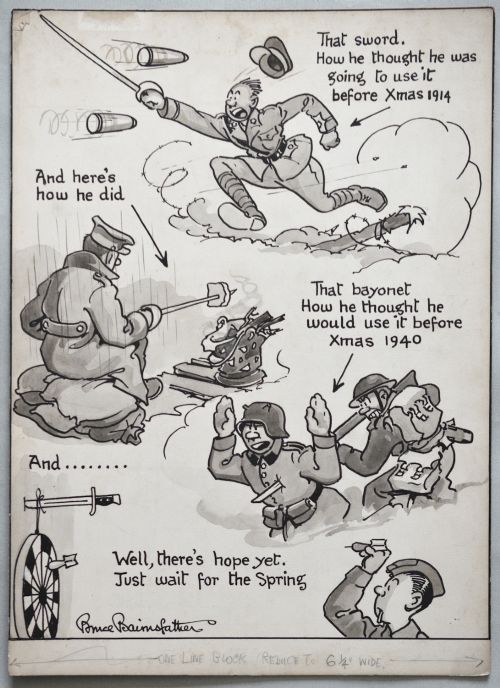
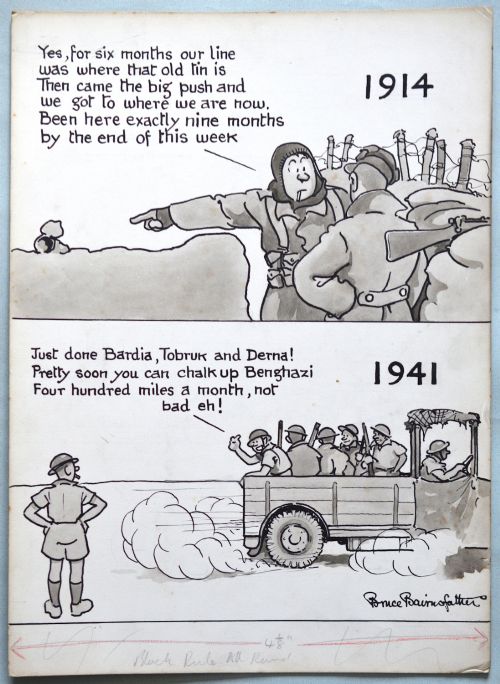
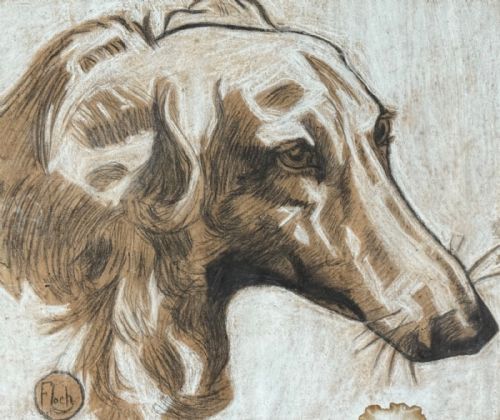
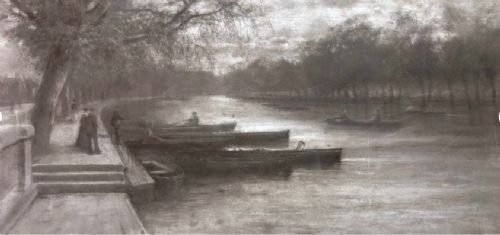
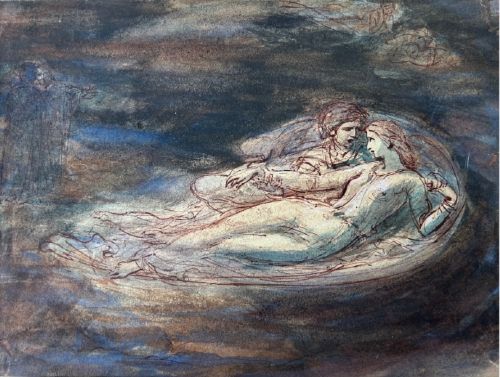
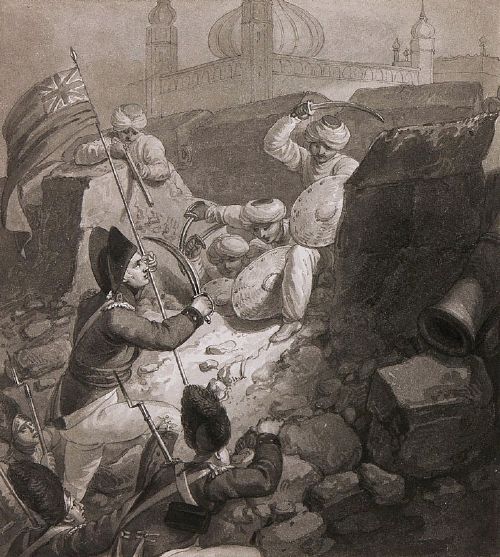
When a buyer searches for an original paper sketch, they encounter unique graphic works spanning the Georgian era through to the mid-twentieth century, including works by named artists and regional British schools.
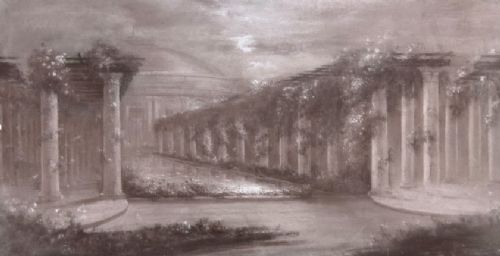
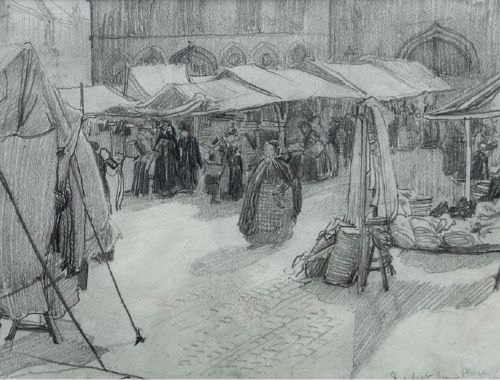
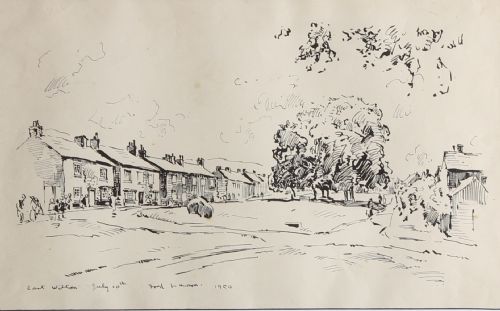
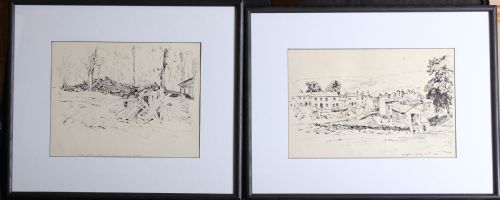
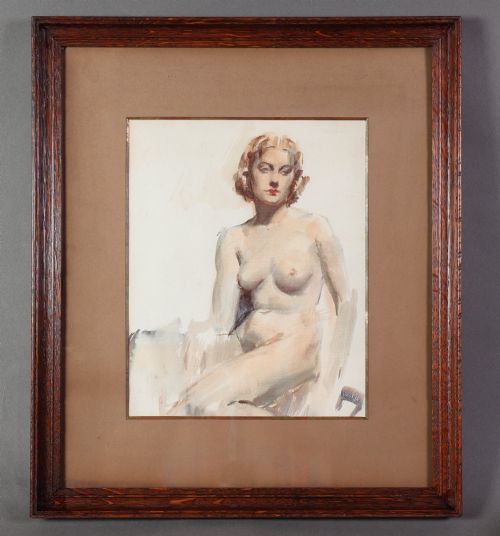
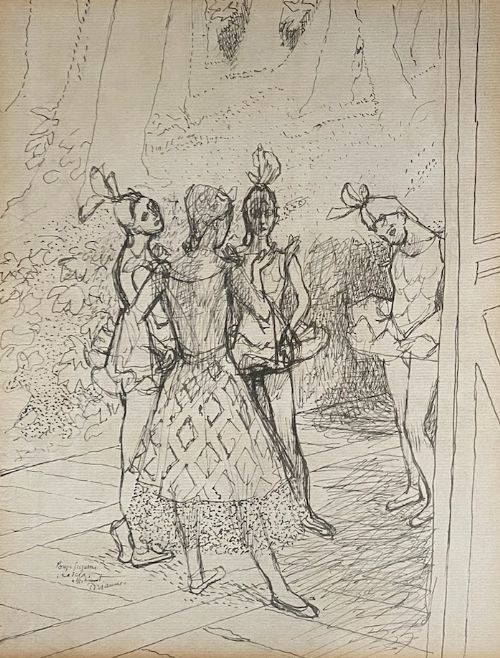
The selections on this page incorporate diverse subject matter such as coastal landscapes, theatrical backstage scenes, architectural studies, and academic life drawings.
Most pieces date from the nineteenth and twentieth centuries, reflecting shifting stylistic movements from Victorian realism to early modernism and mid-century British abstraction.
Materials and techniques
Draftsmen and painters utilised basic supports such as plain paper, buff paper, and embossed paper, occasionally attaching sheets directly to canvas stretchers.
Media span graphite, charcoal, and pencil for linear definition, combined with ink, wash, gouache, and watercolour to build tonal depth and colour.
Several Victorian sketches include unrelated figure paintings hidden away on the reverse side.
Distinctions in quality
Execution confidence separates hurried preliminary notes from fully resolved compositional studies, where every line demonstrates purposeful intent.
Provenance, artist signature, and contextual documentation elevate specific works beyond anonymous studio exercises into significant historical artefacts.
Fred Lawson·Cecil Keeling·Bruce Bairnsfather·James Smetham·William Marshall Craig·Maurice Brianchon·Henry de Waroquier·Dame Laura Knight·Cecil Beaton·Michael Healy·Gen Paul·Augustus John·John Rattenbury Skeaping·Lucien Gibert·William Frederick Settle·Jacques Bellange
The Original Paper Sketch Glossary
- Wash
- A diluted layer of ink or watercolour applied across paper to create smooth background tones or shadow effects. This technique allows artists to establish light and atmosphere swiftly.
- Gouache
- An opaque watercolour medium containing a binding agent that produces a dense, matte surface finish. Artists utilise it to introduce solid highlights and rich opaque areas.
- Sanguine
- A reddish-brown chalk material popular in historical figure studies. It derives its name from the French word for blood.
- Watermark
- A recognizable image or pattern embedded in paper during manufacture by a wire silhouette. Collectors examine these marks to date sheets and identify paper mills.
Original Paper Sketch: Frequently Asked Questions
How should I frame an old paper sketch?
Protect fragile works on paper by using acid-free mounting boards and UV-filtering glazing. Keep the artwork separated from the glass using a mat to prevent moisture damage.
Position the framed piece away from direct sunlight to prevent the fading of delicate watercolours, inks, and tinted papers.
What is the difference between a sketch and a painting?
Sketches prioritise line, rapid notation of form, and preliminary exploration over finished colour and detail. They often serve as preparatory studies for larger works.
Paintings utilise layered pigments to build a complete, self-contained surface finish that requires no further development.
How do I identify the period of an unsigned sketch?
Examine the paper stock for watermarks, chain lines, and manufacturing textures that correspond to known historical eras. The clothing styles, architectural elements, and framing materials also offer strong chronological clues.
Handwriting on the reverse or stylistic traits tied to movements like Victorian academic drawing help narrow down the date.
Can I store sketches in a traditional photo album?
Traditional albums often contain acidic adhesives and plastics that cause paper to discolour and degrade over time. Use archival solander boxes with interleaving tissue instead.
Keep stored works flat in a stable environment with moderate humidity to protect the integrity of charcoal, pastel, and ink media.