



Original Painted Sign
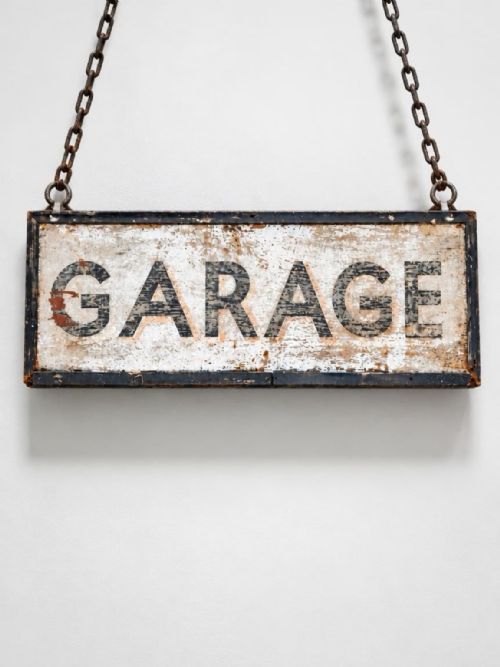
When you search for an original painted sign, you meet authentic historical boards and trade markers carrying rich pigment on timber.
Original Painted Sign
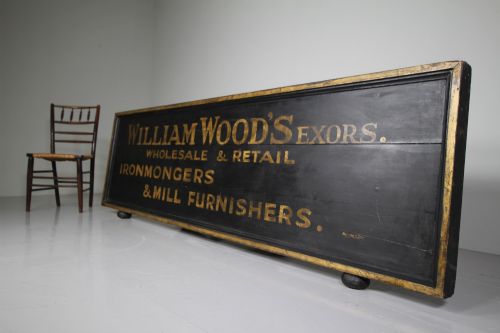
Collectors seeking an original painted sign focus primarily on nineteenth-century trade boards rendered on solid timber with ironmonger heritage. These functional objects carry weathered surfaces that record decades of commercial use in British trade and industry.
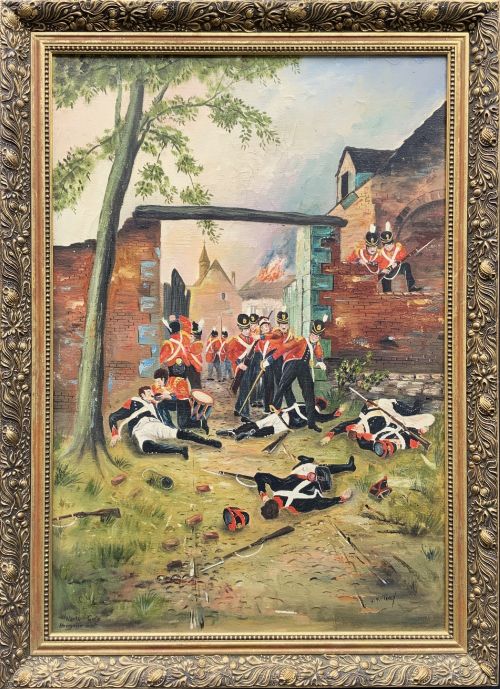
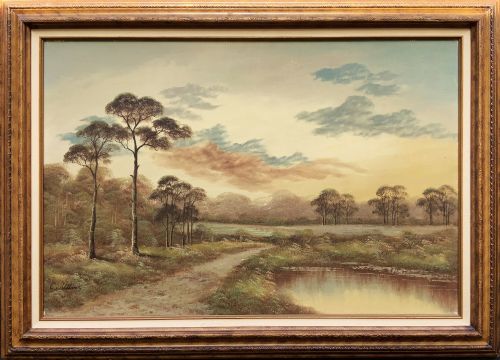
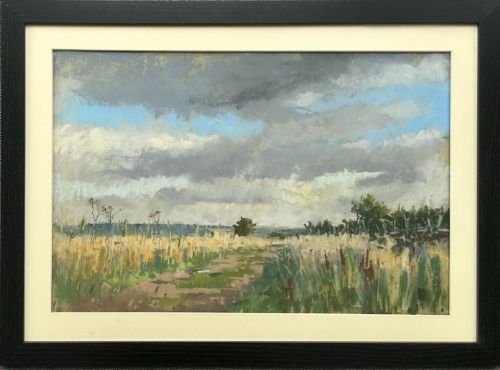
The pieces appearing on this page span heavy pine boards and traditional signwriting formats rather than modern reproductions. Each survivor demonstrates the practical application of hand-lettering and pictorial trade advertising from an era before mass production.
Materials and construction
Makers utilised seasoned pine and heavy timber panels as the foundational support for exterior and interior display. These boards frequently display the marks of iron fixings, brackets, and structural framing suited to commercial premises.
Surfaces received layers of oil-based pigments and traditional sign paints formulated to withstand exposure. Painters applied lettering and imagery by hand, resulting in textured brushwork visible beneath generations of protective varnish and wear.
Original Painted Sign Retail Price Guide 2026
Typical asking prices for original painted sign among the pieces listed under this phrase on Sellingantiques today, from the lower quarter to the upper quarter. They describe what is for sale here now, not the wider market.
Old trade boards often retain the ghostly outlines of vanished lettering beneath layers of later commercial enthusiasm.
Factors of distinction
Quality rests in the legibility of the original hand-lettering, the complexity of any pictorial elements, and the integrity of the timber substrate. Boards retaining their untouched surface patination without aggressive overpainting command stronger interest from serious collectors.
The presence of documented trade origins or identifiable commercial typography elevates certain examples above plain utility boards. Proportion, scale, and the natural ageing of the paint layers relative to the wood grain dictate the visual impact of each piece.
C. Williams·Gaastra·FS Beaumont·Robert George Talbot Kelly·William Taylor Longmire·David Law·Kenneth Cozens·George Lorain Stampa·George Fotherly Hargitt·Thomas Miles Richardson Jnr·James Orrock·William Henry Earp·William Cannon·R Leyton·John R Prentice·William H Myers·Tom Campbell·W Klombeck·William Howard Hardy·Frederick Marriott·Arthur Wardle·A. Mitchell·A. Marie Parsons·Alfred Fontville de Breanski Jr·Sidney A. Court
The Original Painted Sign Glossary
- Pine
- A softwood commonly utilised for nineteenth-century trade boards and architectural fittings due to its stability and availability. It provides a pale, even ground for oil-based signwriting.
- Patina
- The surface texture, wear, and accumulation of age that develop on timber and painted layers over decades of exposure. This visual depth cannot be replicated artificially.
- Pigment
- The coloured powder mixed into a liquid binder to form the paint used on trade signs. Traditional formulations relied on mineral and earth sources for durability.
- Ironmonger
- A dealer in iron goods and hardware whose premises frequently utilised large painted wooden trade signs. These establishments generated robust commercial boards designed to withstand outdoor conditions.
Original Painted Sign: Frequently Asked Questions
What is an original painted sign?
An original painted sign is a vintage or antique wooden board featuring hand-lettered commercial or trade graphics.
These pieces were made for shops and businesses during the nineteenth and early twentieth centuries.
How were trade signs displayed?
Trade signs were mounted on exterior shopfronts or interior walls to advertise specific commercial services or goods.
They utilised sturdy iron fixings to secure heavy timber panels against weather and daily wear.
How do I care for painted wood?
Painted wood surfaces require stable indoor humidity away from direct sunlight and moisture fluctuations.
Gentle dusting with a dry cloth preserves the fragile pigment layers and historic surface patination.
How do I identify nineteenth-century timber?
Nineteenth-century timber displays hand-sawn or early machine marks, dense grain patterns, and period construction methods.
Examining the edges and reverse of the board reveals the age and preparation of the wood.